My Cat Died at Home, What Do I Do? 7 Vet-Reviewed Steps to Take
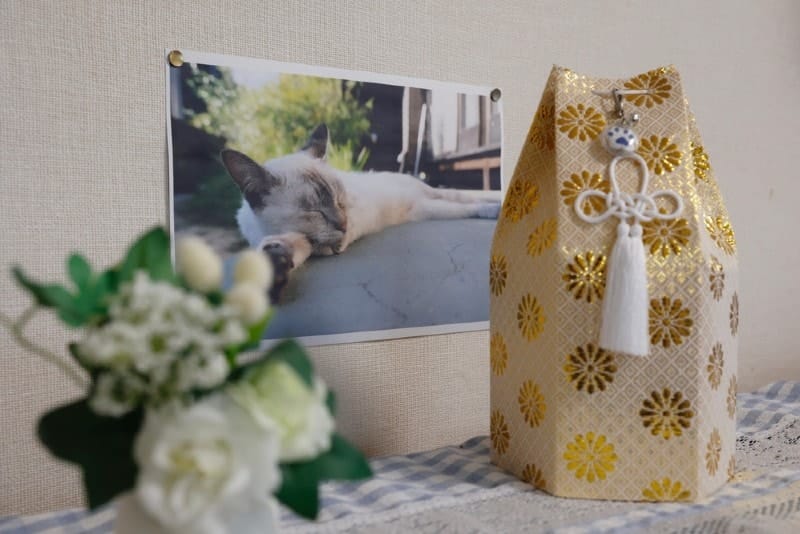
A pet’s passing is a painful and emotional time for everyone who loved and was loved by them. In some cases, we know when our pet is declining and can mentally prepare for their passing and say our goodbyes, but other times, it happens completely out of the blue. When you’re devastated by the loss of your pet, it can be even harder to think about what to do next.
This guide details important and practical steps to take when a cat passes away at home. We know that the process is difficult to think about, but we hope that in some way, this will help you navigate this confusing and heartbreaking time.

The 7 Critical Steps to Take When Your Cat Has Died at Home
1. Check Vital Signs
It’s important to be 100% sure that your cat really has passed away. Sometimes, in the final stages of life, a cat may appear dead because they’re lying completely still, but they could still be alive.
For this reason, it’s important to watch carefully and also try to listen to their breathing. Sometimes this is really shallow when a cat is dying, so it can be hard to tell if they’re breathing at all. Check if they have a heartbeat by placing your hand on the left side of their chest pulse. If you can’t be certain your cat has really passed, contact your vet for advice.

2. Put a Towel Under Your Cat
It’s completely normal for cats to release feces or urine after passing due to muscle and sphincter relaxation (though this doesn’t always happen), so you might want to place an absorbent material under them in case this occurs. This is a way of giving your cat the care and dignity they deserve.
3. Tuck the Legs In
Once rigor mortis—the state that causes a body to become stiff a few hours after death—sets in, it can make moving your cat’s body very difficult. Tuck the legs in towards the body to make transportation easier for you. Wrap your cat in a blanket, towel, or whatever you want to cover them with once they’re in the appropriate position.

4. Allow Other Pets to Smell the Cat
Allowing other pets to sniff the cat’s body is an important part of the grieving process for them. If they don’t know what has happened, this can cause confusion, as they’ll wonder why their friend has simply vanished. Before your cat’s body is removed for burial or cremation, give your other pets a bit of time to smell them so they can better understand what has happened.
5. Arrange Burial or Cremation Services
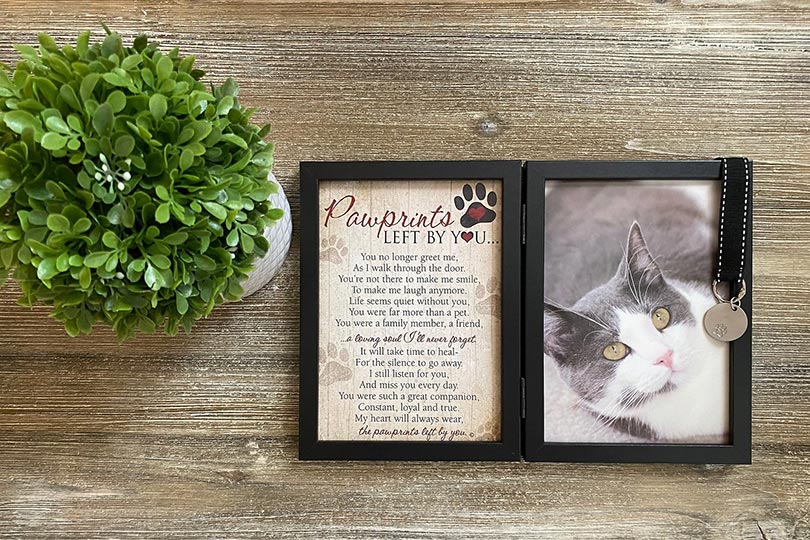
Now is the time to arrange burial or cremation services for your cat. You can either arrange for your cat to be collected by a pet burial or cremation service, bury your cat in your yard if your local laws allow this, or contact your veterinary office to find out if they offer cremation services.
You could also contact an animal shelter or organization for advice. Your local animal control service may also be able to collect and cremate your cat’s body, though the ashes may not be returned to you. However, some animal control organizations do allow for individual cremation with the return of ashes.
In terms of cremation, the two options are typically communal and individual. Communal cremations are less expensive, but your cat will be cremated with other pets, and you won’t be able to get your cat’s ashes back with this method. If you’d like to retrieve your cat’s ashes for burial or scattering, you can opt for individual cremation.
As for burials, you’ll need to check your state’s laws on whether burying a pet in your yard is permitted. If not, but you’d really like to have your cat buried, pet cemeteries are another option to consider.
6. Place the Body in a Cool Location
If you need to wait a while for your cat’s body to be picked up or taken to a cremation/burial provider, it’s important to keep it out of warm spots. Place the body somewhere cool and dry, like the basement, utility room, or garage.
7. Gather Support
You shouldn’t have to deal with the loss of your beloved cat alone. You might want to consider contacting someone you trust during this difficult time, whether that’s just someone to offer emotional support or to help you transport your pet to the burial or cremation provider or the vet office.
If you don’t have anyone you feel comfortable talking to, pet loss support forums are an alternative way to connect with and be supported by other cat lovers.

How Do I Deal With the Loss of My Cat?
Everyone has a different approach to grief and methods of coping with it. It’s important to acknowledge that it’s completely okay to feel the way that you do. Your cat was your beloved friend, companion, and family member—it’s no wonder their passing has been so hard on you.
Sadly, some people just don’t “get” why losing a pet is such a big deal—these are not the kinds of people you want to be around right now. Don’t let anyone tell you to “snap out of it” or “get over it.”
Although there is no quick or easy way to navigate the murky waters of grief, there are some things you might consider trying.
- Get in touch with people you trust for support.
- Reach out to people in a pet loss support group, whether that’s in-person meetings or online.
- Consider speaking with a therapist or bereavement counselor.
- Pay tribute to your cat in your own way (e.g., lighting a candle, creating a memorial, taking a walk in their honor, etc.).
- Look after yourself, whether that’s writing about how you feel, painting, having a lazy day, having a nice, long shower, lighting some candles—whatever makes you feel comfortable and peaceful.

Conclusion
Whether your cat has passed away at home or you’re preparing in advance for the possibility, we hope this guide has helped you navigate the immediate aftermath of pet loss. As pet parents ourselves, we also hope you find some peace and comfort in this very sad and difficult time.
Sources
https://www.humanesociety.org/resources/coping-death-your-pet
https://psychcentral.com/lib/grieving-the-loss-of-a-pet#how-long-does-grief-last
https://www.hospicevet.com/what-to-do-if-your-pet-dies-at-home/
https://texasanimalcontrolsolutions.com/aftercare-for-your-deceased-family-pet/
https://www.thesprucepets.com/handling-cat-remains-555231#toc-cremation
https://petcremationcolumbus.com/what-to-do-if-my-pet-dies-at-home/
https://www.patchandpurr.com.au/help-advice/when-a-pet-dies/at-home/
https://www.clocktimelesspets.com/2017/07/10/what-to-do-when-a-pet-dies-at-home/
Featured Image Credit: umaruchan4678, Shutterstock

Expert cat care, straight to your inbox
Vet-reviewed advice, behavior tips, and the best of Catster. Free, and you can unsubscribe anytime.
By signing up, you agree to our Terms & Conditions and Privacy & Cookies Policy.
Kit Copson is a freelance writer and lifelong animal lover with a strong interest in animal welfare. She has parented various furry beings over the years and is currently a proud cat mom of two—one very chilled (unless hungry) Siamese and a skittish but adorable Domestic Shorthair—and dog mom of one—an adopted Bichon Poodle cross. When not writing about or spending time with animals, Kit can be found doodling in her sketchpad, reading, or more often than not, drinking tea.
Join the conversation
Ask a question, share your story, or send private feedback.