What Does It Mean When a Cat Is Panting? 7 Vet-Reviewed Reasons

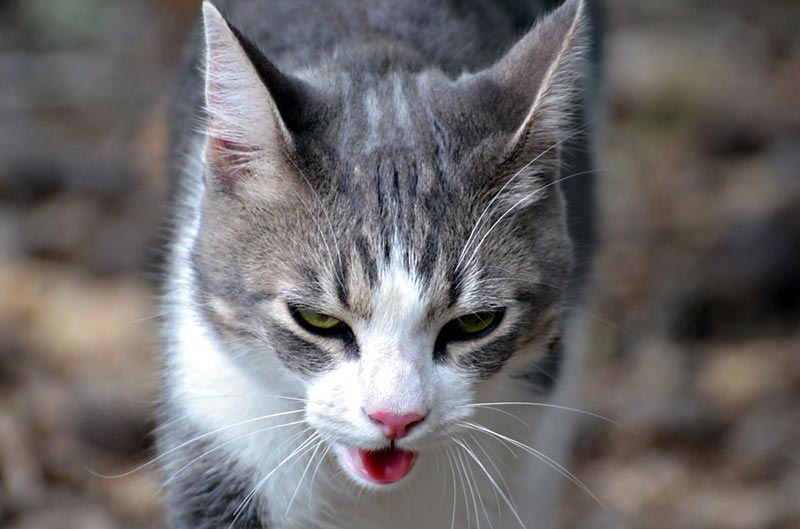
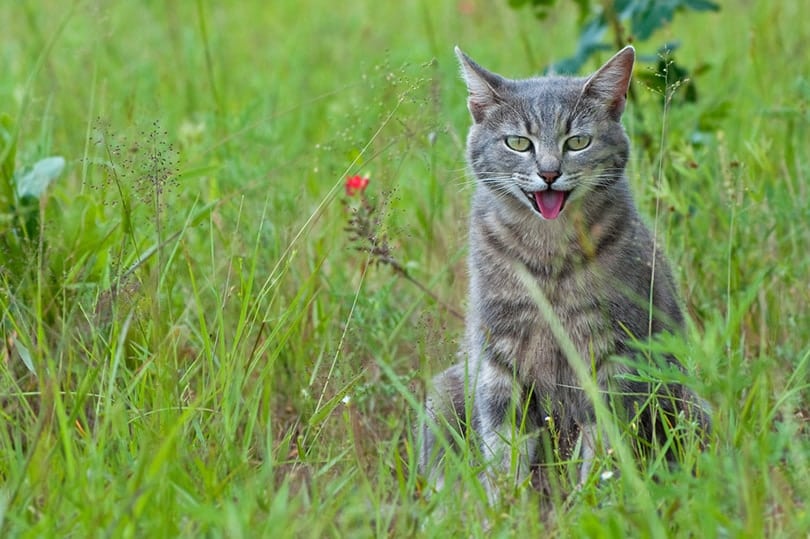
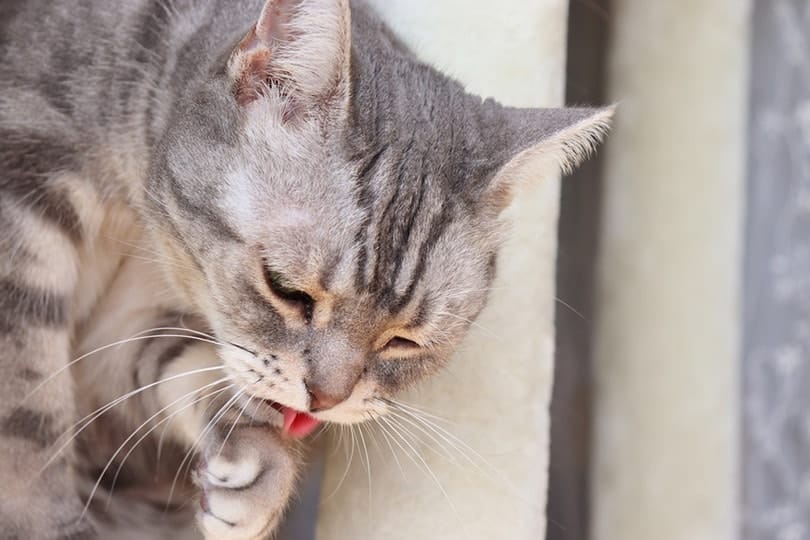
Panting is very common in our canine pals, but is much more rarely observed in cats. It’s important not to shrug your cat’s panting off like you do when your dog does since this can be an indication that something is very wrong.
Cats may pant for a variety of reasons. Some of these reasons are easy to manage at home, while others may warrant immediate medical attention. Here are some of the reasons why your cat could be panting and the actions you should take to ensure their health and safety.

The 7 Possible Reasons Why Your Cat Is Panting
1. Heat Exhaustion
Other Signs of Heat Exhaustion
Cats may wind up panting in an attempt to release excess heat and regulate their body temperature. Cats have sweat glands in a few areas throughout the body, including the paws, lips, chin, and on the skin surrounding the anus. When they are suffering from heat exhaustion, these tiny sweat glands may not be enough to keep that temperature in a normal, healthy range.
Panting is very common in dogs for this very reason, but this is not something you will often observe in cats. They are typically well adapted to a variety of outdoor climates and will seek shelter and shade to prevent heat exhaustion.
If you suspect your cat is suffering from heat exhaustion, you should act quickly and contact a veterinarian. Heat exhaustion can quickly lead to heat stroke, which can be deadly. Take them to a cooler area or even soak them in cool (not cold) water and allow them to drink as much as they need. Follow veterinarian guidelines and take them in promptly unless otherwise instructed.
2. Pain
Other Signs of Pain
Pain can take many forms and cats have a knack for hiding their pain as much as possible due to instinct. Panting can potentially be a sign your cat is in severe pain, so make sure to assess the situation carefully and look for any other signs they could be in pain.
If your cat is panting and also experiencing any of the above signs, you need to get them to the veterinarian as soon as possible to find the underlying cause. The veterinarian will go over your cat’s medical history and perform a thorough examination and any necessary diagnostic testing to determine the reason your cat is in pain. Treatment will be dependent on the root cause.

3. Stress/Fear
Other Signs of Stress
Cats are very sensitive creatures and respond in many different ways when they are either stressed or feeling fearful. Panting and all of the above signs can indicate your cat is extremely stressed out. Try and figure out the source of the stress so that you can counteract this trigger and bring them back into a state of calm and relaxation.
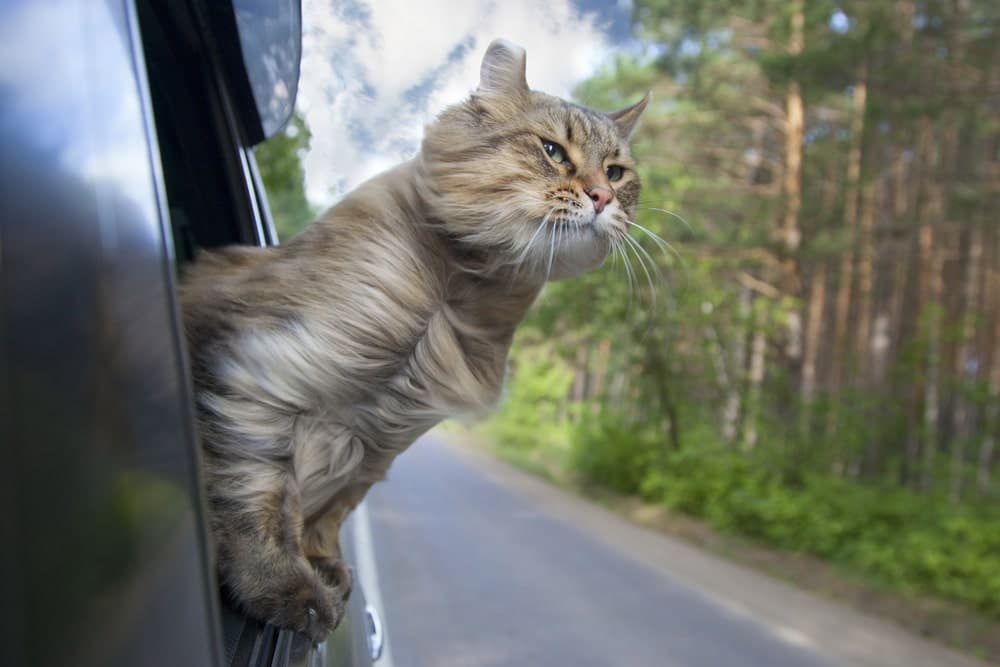
Commonly, cats will begin panting during a car ride because of the intense stress it causes. They don’t take well to anything that is out of their ordinary routine, especially a large, moving vehicle that not only feels funny but is surrounded by lots of noise, commotion, and frequent stopping and going.
Each cat reacts differently to stress, so be sure to pay attention to any other unusual signs or behaviors they are exhibiting. There are plenty of things that can cause a cat to be full of fear or anxiety. If you are concerned about your cat’s well-being, your veterinarian is just a phone call away, and it’s better to be safe than sorry.
4. Asthma
Other Signs of Asthma
Cats suffering from asthma may show many different signs during an asthma flare-up. This includes trouble breathing, wheezing, rapid breath, coughing, hacking, open-mouthed breathing, vomiting, and more. Panting could potentially be another sign that your cat is suffering from an asthma attack.
Feline asthma is believed to be caused by the inhalation of environmental allergens but could also be related to stress. Here’s a quick look at some of the most common environmental allergens that could contribute to both the development of asthma and the reason for a flare-up:

5. Upper Respiratory Infection
Other Signs of Respiratory Illness
Both kittens and adult cats are prone to upper respiratory infections, also known as the “cat flu.” For the most part, their signs closely mimic that of cold and flu symptoms in humans. Viruses are the most common cause of respiratory infections in our feline friends and are most common in multiple cat households, boarding facilities, and animal shelters.
Panting isn’t often a telltale sign of respiratory illness, but it could be related. If you notice any panting or any of the signs above, make an appointment with your veterinarian so that your cat can receive prompt treatment.
Most Common Underlying Causes of Respiratory Illness in Cats
6. Overexertion
Other Signs of Overexertion
Cats may begin panting during intense activity or play if they have overexerted themselves. This is much more common in kittens than in adult or senior cats. If you notice your kitten or cat panting as they play, you should put a stop to their rumbustious activity and encourage them to relax for a bit.
If they are playing with another cat or any other pet in the house, separate them and gently stroke your cat to help calm them down so they can catch their breath. This type of painting should resolve pretty quickly. If you notice them becoming weak, lethargic, or begin staggering, it’s time to reach out to your veterinarian.

7. Cardiac Disease
Other Signs of Cardiac Disease
Cats of any age can suffer from underlying heart conditions. Cardiomyopathy, which is a structural disease of the heart muscle, is the most common heart condition observed in cats. It can result in a genetic predisposition and is more common in certain breeds.
A cat can be born with a heart condition or may develop it at some point in their lives. If you notice panting along with any of the above signs, it’s time to make an appointment with your cat’s veterinarian to rule out any potential heart problems.
Cat Breeds Predisposed to Cardiomyopathy
When Is Panting Considered a Medical Emergency?
Panting should be considered a medical emergency if your cat is struggling to breathe. A respiratory rate of 40 breaths per minute or more is considered respiratory distress for cats. Your cat may not be getting enough oxygen, which is a very dire situation that will lead to death quickly if no medical intervention is received.
Get your cat to your veterinarian or local animal emergency clinic immediately if you notice any signs of respiratory distress or if your cat's panting continues more than 5 minutes past the end of a stressful event, overheating, or overexertion.
Signs of Respiratory Distress in Cats
Conclusion
Cats may pant for a few reasons, but if the panting does not resolve quickly, you could be facing a medical emergency that requires immediate veterinary attention. If you are ever concerned over any unusual behaviors or signs your cat is exhibiting, it can never hurt to reach out to your veterinarian or animal emergency services.
See Also:
Sources
https://www.petmd.com/cat/emergency/common-emergencies/e_ct_heat_stroke
https://www.petmd.com/cat/centers/nutrition/slideshows/signs-your-cat-might-be-stressed
https://www.cumberlandanimalclinic.com/site/blog/2022/04/30/feline-asthma-in-cats-signs-symptoms
https://pets.webmd.com/cats/guide/upper-respiratory-infection-cats
https://vcahospitals.com/know-your-pet/feline-herpesvirus-infection-or-feline-viral-rhinotracheitis
https://www.allpetsvh.com/site/blog/2022/01/28/bordetella-in-cats
https://www.wcrah.com/site/blog-flat-rock-vet/2020/11/26/fungal-infections-cats
https://vcahospitals.com/know-your-pet/heart-disease-cardiomyopathy-in-cats
https://www.animergevets.com/site/blog/2021/12/30/hypertrophic-cardiomyopathy-in-cats
Featured Image Credit: SUSAN LEGGETT, Shutterstock

Expert cat care, straight to your inbox
Vet-reviewed advice, behavior tips, and the best of Catster. Free, and you can unsubscribe anytime.
By signing up, you agree to our Terms & Conditions and Privacy & Cookies Policy.
Lindsey and her husband enjoy traveling the US with their kids and photographing wildlife. Her passion is to educate others on the importance of proper animal care, with an emphasis on reptiles and exotics since their care requirements can be much more complex. She is also a huge advocate for bully breeds. She feels most at home in the forest either on horseback or in hiking boots.
Join the conversation
Ask a question, share your story, or send private feedback.