Heart Murmurs in Cats: Signs, Causes, and Care (Vet Approved)


In this article
The last thing that anyone wants, is to worry about the health of their pet. But cats are talented at hiding injuries or health problems until it might be too late. When it comes to the cat’s heart, various conditions and diseases can affect it, and many of these will cause heart murmurs. A heart murmur can indicate that something might be wrong with the heart, but it doesn’t always denote a problem.
Here, we cover the causes and signs of heart murmurs and what it means when a cat is found to have one. We’ll also answer questions in an FAQ section.

What Are Heart Murmurs?
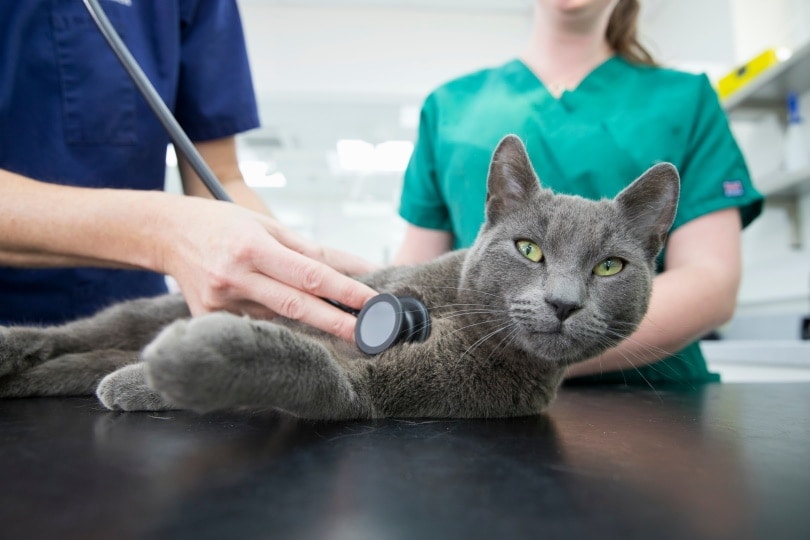
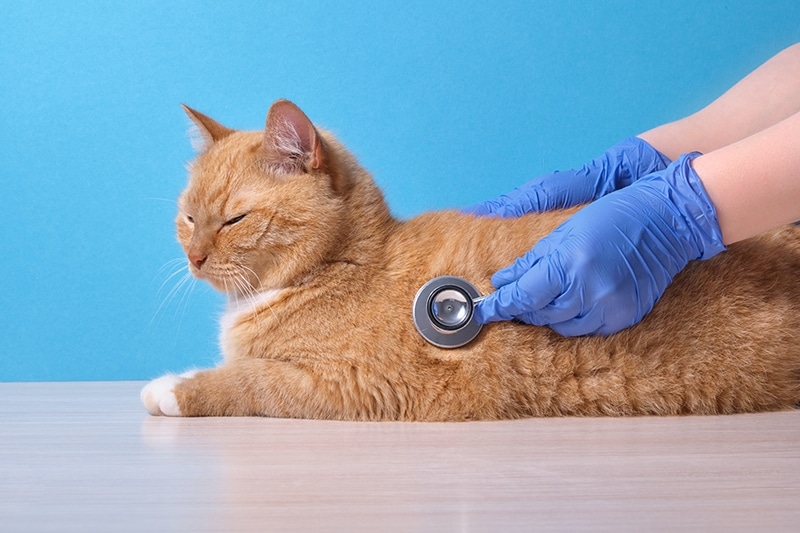
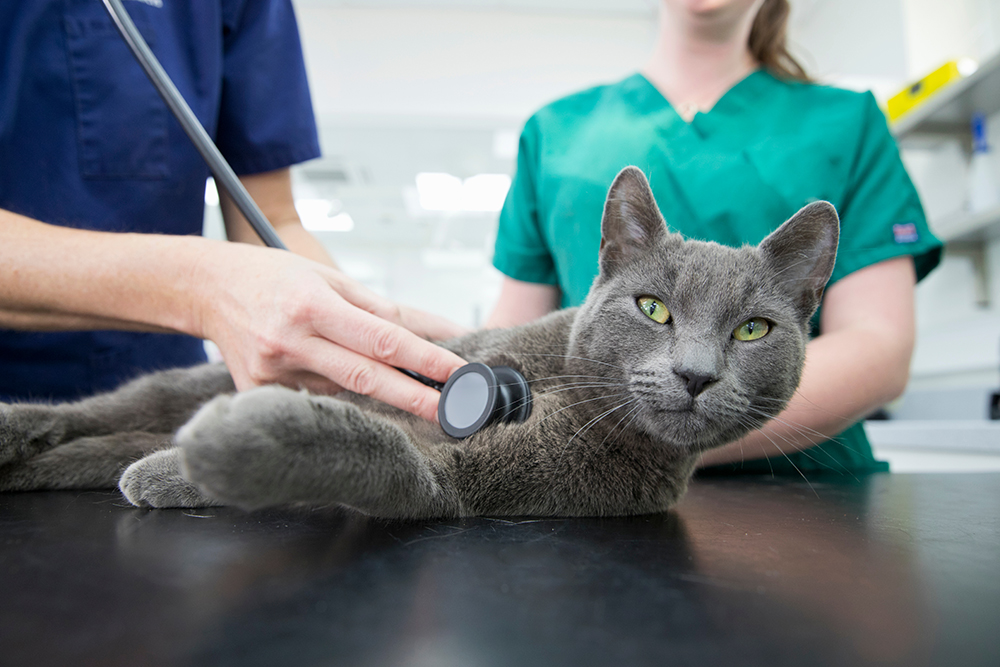
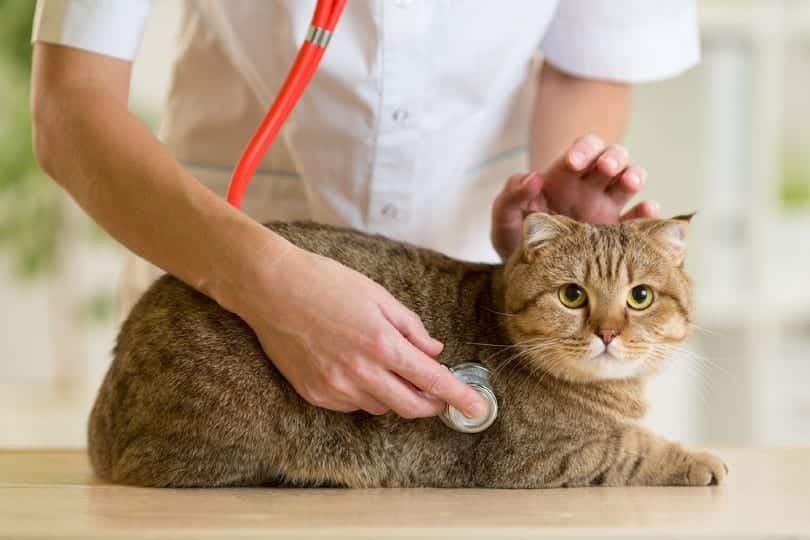
A heart murmur is a vibration sound made when blood is being pumped around the heart. Most cats do not have heart murmurs and they can usually only be heard with a stethoscope. A normal heart has two distinct sounds, typically described as, “lub, dub.” A heart murmur is described as a “whooshing” sound, resulting from the blood not moving smoothly through the heart’s chambers, valves, or vessels like it’s supposed to.
Murmurs can be heard between or over the heartbeat sounds and are caused by rough or turbulent blood flow in the heart. Normal blood flow through the heart should be smooth, but if there are changes, it can result in these extra sounds.
Heart murmurs have three classifications:
The first classification for the grade of the heart murmur is rated on a scale from 1 to 6, to determine how loud the murmur is. The vet rates the murmur by listening to the heart with the stethoscope. Determining the grade, location, and configuration can help the vet determine the underlying cause.
There are three other classifications of the different types of heart murmurs:

What Are the Signs of Heart Murmurs?
Most heart murmurs are discovered during a routine exam and although they don’t cause signs themselves, the underlying cause of the murmur can.
The most common signs of heart disease in cats are:
These signs aren’t always apparent until the heart disease has progressed, in which blood clots or congestive heart failure might start to develop. A heart murmur accompanied by an abnormal heartbeat, a weak pulse, or changes in heart rate could indicate a more serious problem.
That said, if your cat has no symptoms and seems healthy, the vet will probably want to follow up to check for any progression.
What Are the Causes of Heart Murmurs?
What causes heart murmurs depends on whether it is a result of an underlying heart condition or if it’s harmless.
Serious conditions will disrupt the flow of blood through the heart, leading to heart murmurs.
The most common causes are:
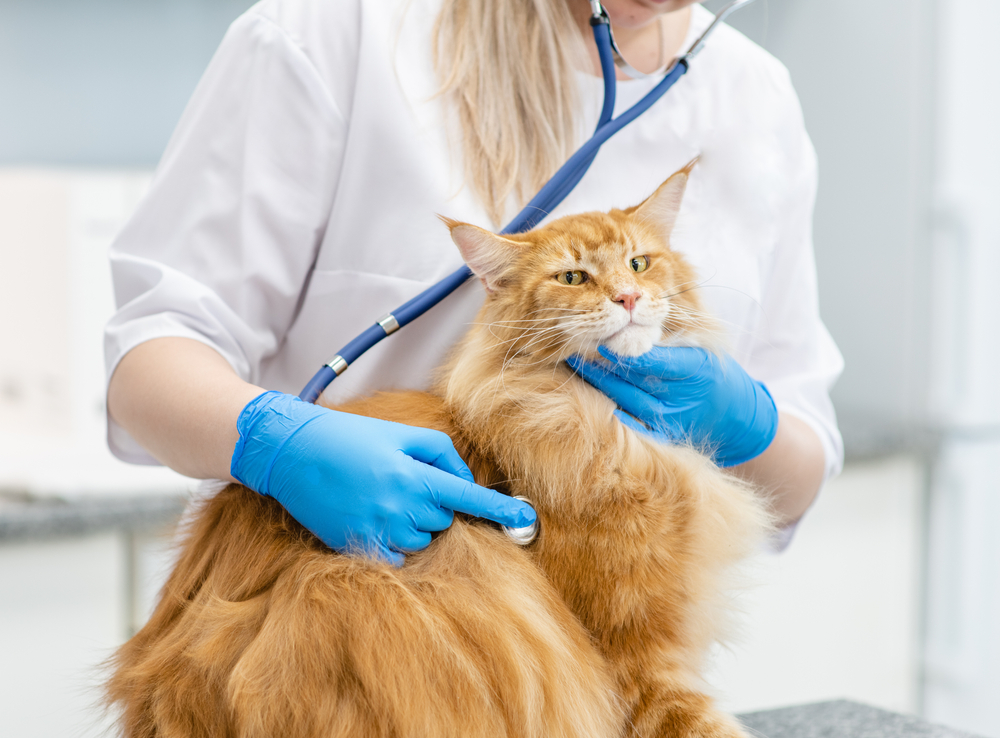
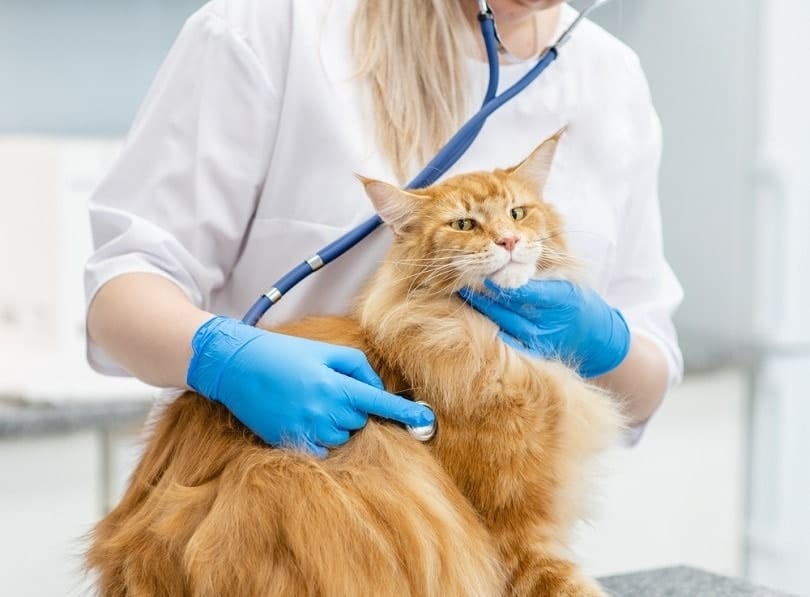
Some cat breeds are more prone to heart problems. For example, Maine Coons are more likely to suffer from hypertrophic cardiomyopathy and consequently, heart murmurs.

How Do I Care for a Cat with Heart Murmurs?
The most important aspect of caring for a cat with heart murmurs is monitoring them closely and making frequent visits to the vet. If the cat also has heart disease, there will likely be medications, supplements, and diet changes.
Common cardiac medications prescribed for cats include:
- Beta-blockers: To slow down the heart rate
- Diuretics: To prevent fluid from accumulating in the chest and lungs
- Calcium channel blockers: To lower blood pressure and relax the blood vessels and the heart
- Anti-clot medications: To reduce the risk of clot formation
- Angiotensin-converting enzyme inhibitors: To treat hypertension and help regulate the signs of heart failure
These medications can help slow heart disease progression, along with supportive care. Surgery is sometimes recommended, particularly for congenital diseases.
Some cats treated for heart murmurs will live long lives with no ill side effects, but others will need medical support. If you are giving your cat the medication prescribed by your vet, be sure to keep medicating your cat, even if they seem to be doing much better. Beyond a change in diet, you might need to add in lifestyle changes.
Overall, how your cat is cared for at home entirely depends on what is causing the heart murmur. Appointments with your vet will be necessary for a diagnosis and to stay on top of the condition or until the heart murmur is determined to be benign.
Frequently Asked Questions (FAQs)
How does the grading of the heart murmurs work?
The higher the number, the louder the murmur. The grading of the murmur doesn’t always correlate with the severity of the disease but it can and it can also be used to determine progression. Physiological heart murmurs that are caused by things like dehydration, anemia, or stress will usually be rated a 1 or a 2.
But valve stenosis or advanced underlying conditions will often merit a 3 or more.
What is the prognosis for a cat with a heart murmur?
This entirely depends on the cause of the heart murmur. If the murmur is innocent, the outlook is good, but the prognosis for cats with severe heart disease can be dire. How well a cat responds to treatment and medications will also impact their long-term health.
What is an innocent murmur?
An innocent heart murmur can occasionally be found in kittens but is called “innocent” because it isn’t usually associated with a heart problem. Typically, by the time that the kitten has reached about 4 months of age, the murmur will resolve itself.
What kind of tests will the vet run?
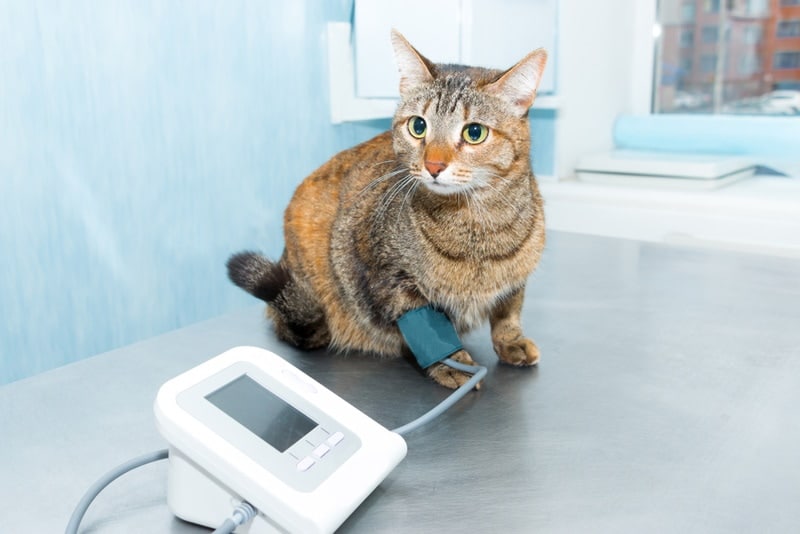
Beyond detecting the murmur with a stethoscope, if the vet suspects heart disease, they will use a variety of tests to help determine a diagnosis, which may include:
Finding the specific location of the murmur is usually best achieved with an echocardiogram with a Doppler examination. The tests that the vet runs ultimately depend on the heart condition. They may advise referral to a cardiology specialist.
Conclusion
Now that you know what heart murmurs are, hopefully, you will be more informed if your cat has been diagnosed with one. It doesn’t immediately mean that your cat has heart disease, and your vet will help keep your cat comfortable if there is a heart condition. Your vet will discuss your options and the best treatments for your cat.
The ultimate takeaway from all this is the importance of an annual exam for your cat. It’s during wellness checks that veterinarians usually discover heart murmurs. These visits are for your cat’s own good for so many reasons!
Featured Image Credit: H_Ko, Shutterstock

Expert cat care, straight to your inbox
Vet-reviewed advice, behavior tips, and the best of Catster. Free, and you can unsubscribe anytime.
By signing up, you agree to our Terms & Conditions and Privacy & Cookies Policy.
Kathryn was a librarian in a previous lifetime and is currently a pet writer. When she was a child, she hoped to work in ZOOs or with wildlife in some way, thanks to her all-consuming love for animals. Sadly, she's not strong in the sciences, so she fills her days with researching and writing about all kinds of animals and spends time playing with her adorable but very naughty tabby cat, Bella. Kathryn is hoping to add to her family in the near future – maybe another cat and a dog.
Join the conversation
Ask a question, share your story, or send private feedback.