Siamese Kittens for Sale in Maryland: Breeders List 2026
Castster advocates for adopting before shopping, though we fully understand there are many reasons for seeking a breeder. So, we encourage it to be done the right way. We have not personally visited or investigated all of the breeders below. We have put the top-recommended all in one place for you to get in touch and make the best decision for you. Learn more about our stance and how to choose the right breeder here.
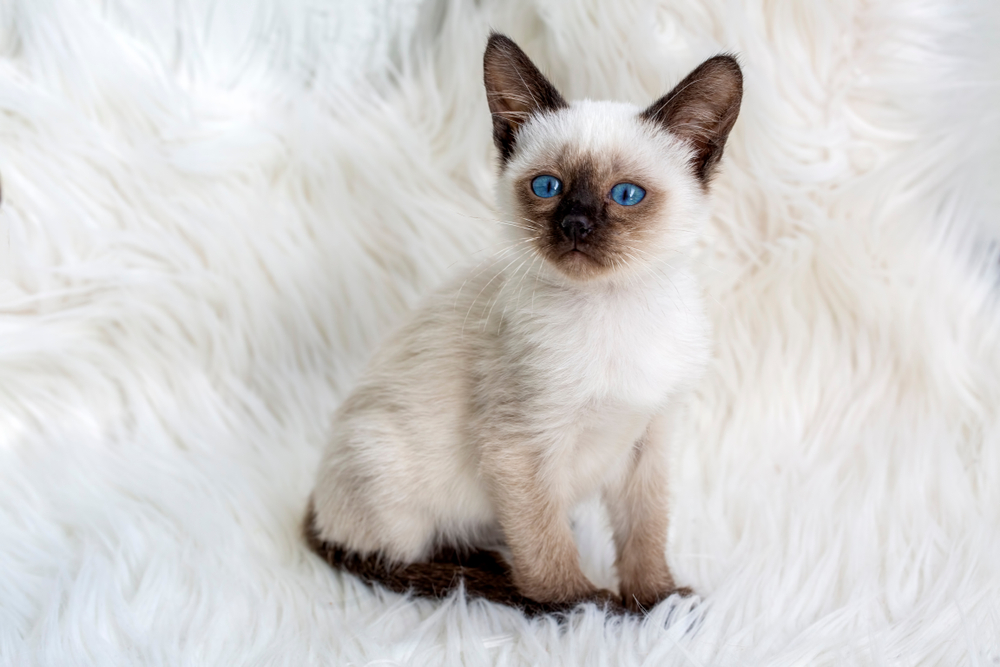
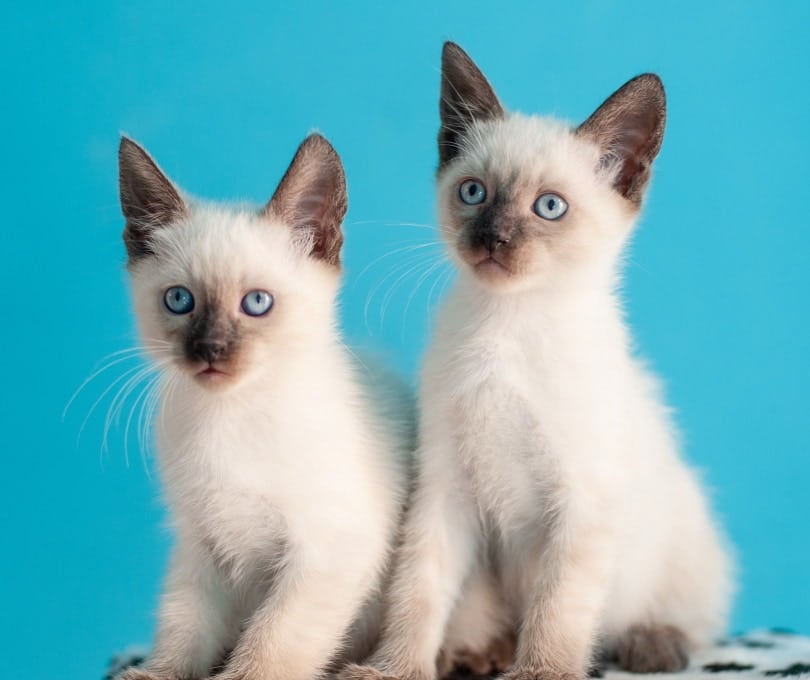
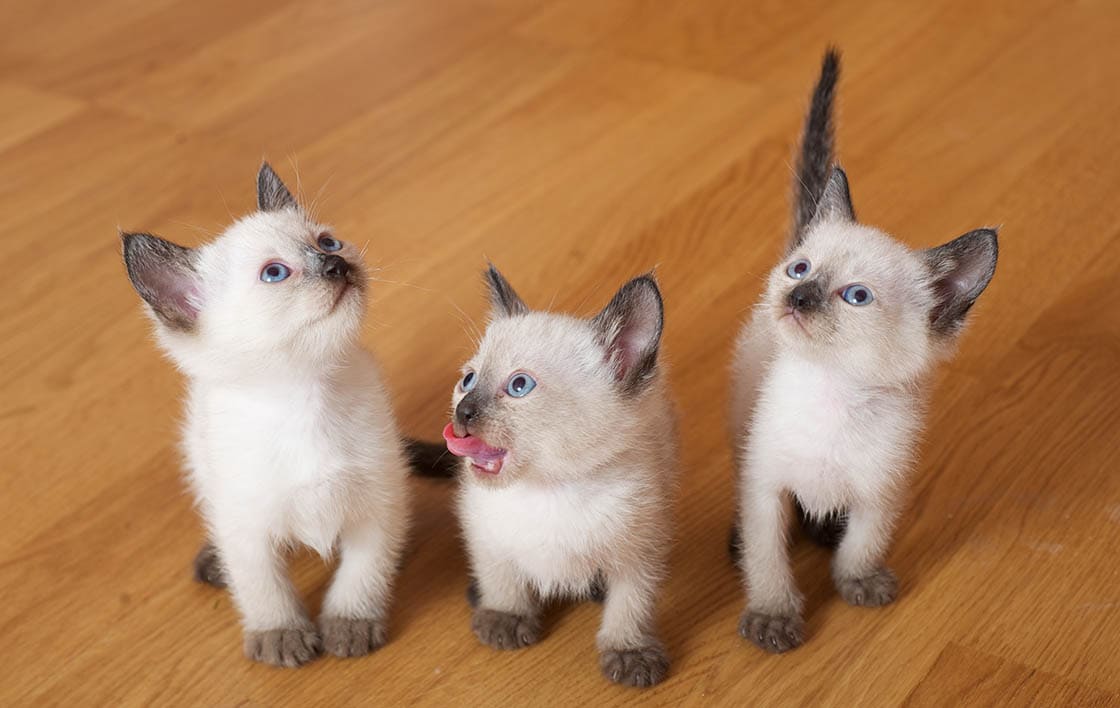
The Siamese cat is one of the most distinct Asian cat breeds. Native to Thailand, the Siamese cat was derived from the Wichianmat Thai breed, and quickly became one of the most popular breeds in Europe and North America in the 19th century.
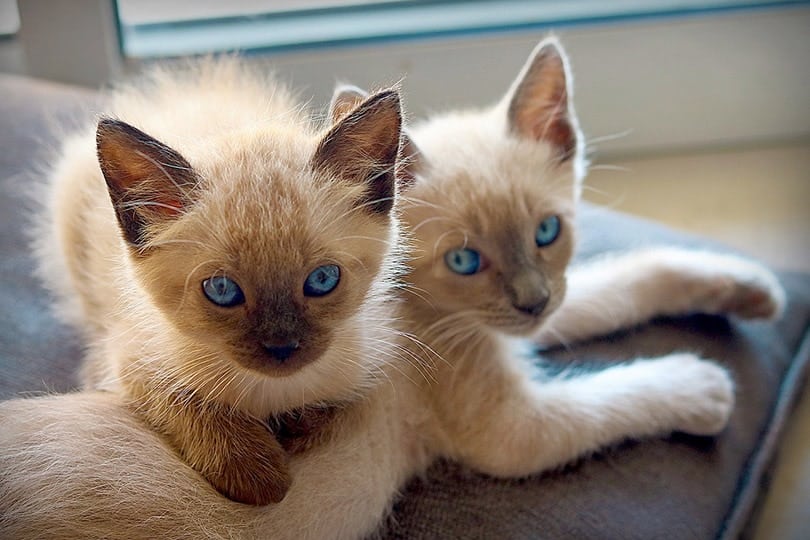
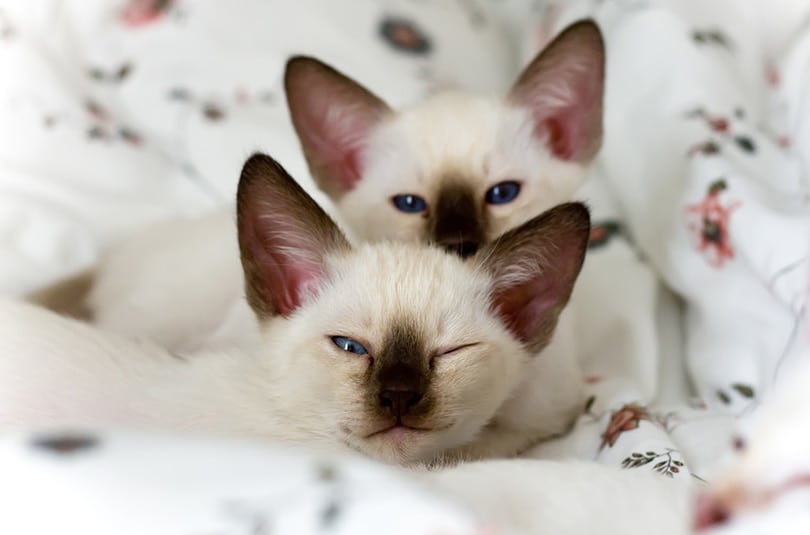
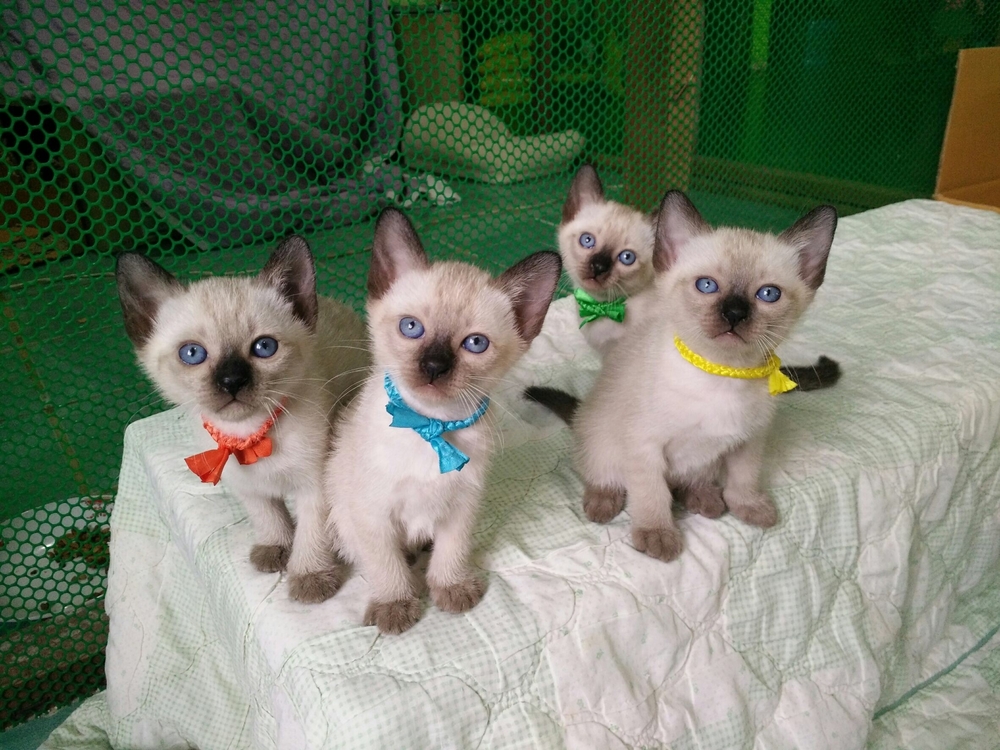
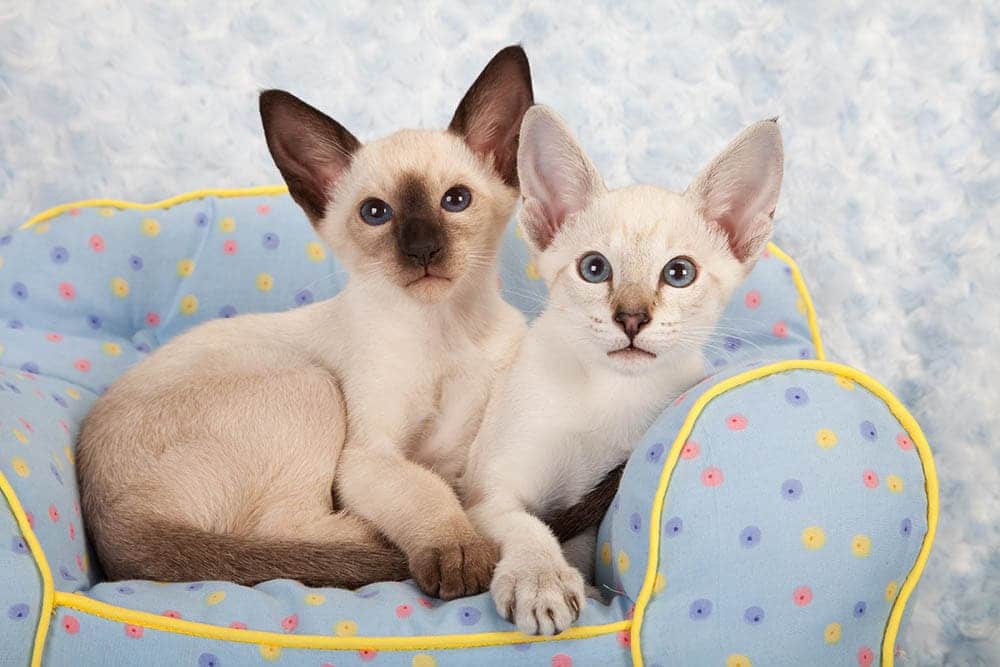
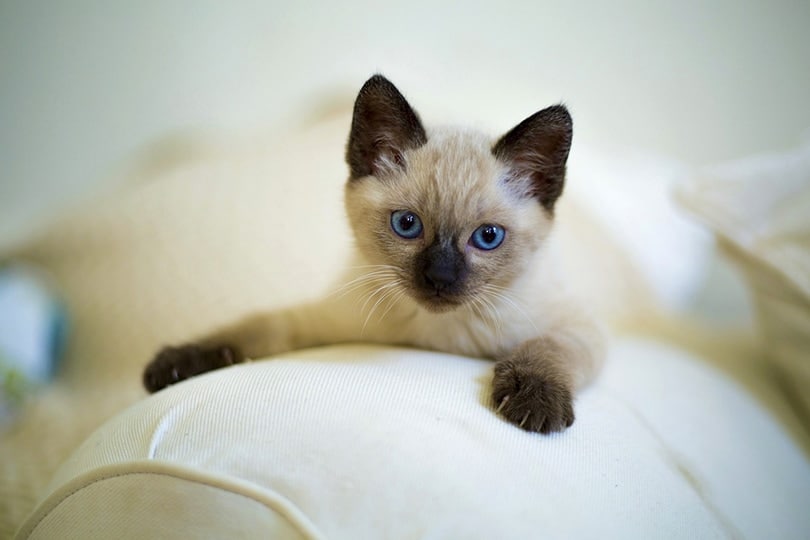
Siamese cats come in traditional, applehead (bulkier build), and modern (skinny with a wedge-shaped head) varieties. The long-haired version is a Balinese cat. Breeders have developed a variety of color variations, including blue point, lilac point, lynx point, and snowshoe.
If you’re looking for Siamese kittens for sale in Maryland, we’ve compiled a list of excellent Siamese cat breeders to choose from. Let’s take a closer look.

3 Siamese Cat Breeders in Maryland
1. Blue Eyes Cattery

📍 St. Mary’s County, MD
Conveniently located near the Pax River Naval Base, Blue Eyes Cattery is a registered breeder with Cat Fanciers’ Association, American Cat Association, and Traditional Cat Association. Most of the kittens produced are eligible for double or triple registrations, and the parents have received champion titles through one or more of these registries.
All cats and kittens are kept on the breeders’ 15-acre property and are raised on all-natural, grain-free food. Potential pet parents are encouraged to visit the facility and meet the cats but may be asked to remove shoes, wear clean clothing, and avoid contact with other cats before handling the cats or kittens to limit disease transmission.
All kittens come with genetic health certifications, spaying and neutering, vaccinations, and socialization. The breeder offers seal point kittens, blue point kittens, lilac point kittens, and chocolate point kittens, though lynx point and snowshoe kittens are available on occasion. They also offer wedge, classic, and applehead varieties.
2. Thai Cats

📍 Baltimore, MD
Thai Cats is a small breeding operation with a few adult breeding pairs and a few retired breeding cats. Kittens are raised in the home with adult cats and are well socialized with other cats and humans. This breeder produces litters in March and allows kittens to go to forever homes around May.
The kittens are available in applehead variety and come in seal point and blue points, depending on the litter. You can receive information about upcoming litters and availability by contacting the breeders.
3. Abda Siamese

📍 Westminster, MD
Abda Siamese is a small cattery that’s been in operation since 2004. All cats and kittens are kept in the home and well socialized with cats and humans. Kittens are released to their forever owners between 12 and 16 weeks and come with first vaccinations, veterinary exams, deworming, registration, and a health guarantee.
You can contact the breeder directly to inquire about upcoming litters, colors and varieties, and reserving a kitten.

How to Choose a Reputable Breeder
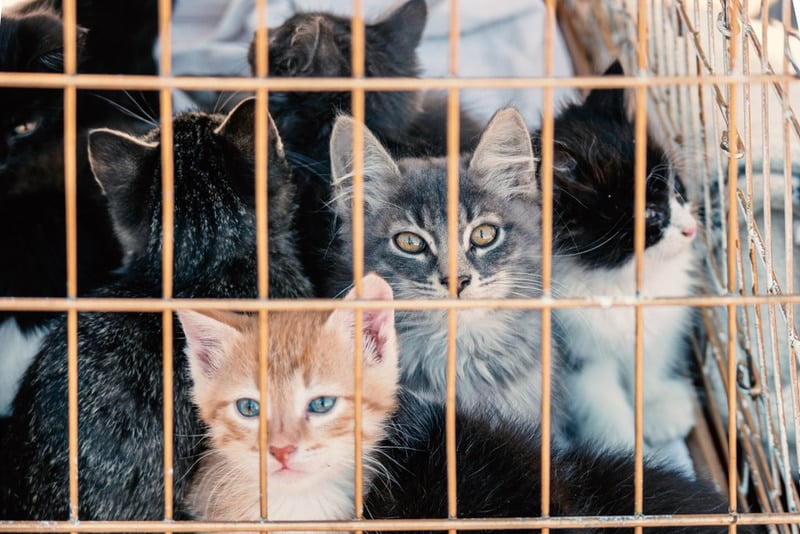
Just like puppy mills, any animal in the pet trade can be produced in a mill environment. Cat and kitten mills often have horrendous conditions for both parents and kittens, leaving animals susceptible to disease and chronic health conditions. Kittens are also exploited for profit and robbed of vital developmental experiences, such as maternal bonding and socialization with cats and humans.
These kittens are often removed from their mothers early and offered for sale online and in pet stores. Kittens that don’t sell may end up in testing facilities and laboratories. Aside from supporting these unethical practices and deplorable conditions, purchasing a kitten mill kitten can mean a life of emotional and physical problems.
Naturally, kitten mills don’t advertise themselves as such. If you want to avoid getting a kitten mill kitten, look for reputable breeders, not pet stores or online classifieds. Reputable breeders care about their kittens’ well-being and the home they’ll end up in, often asking potential owners to sign a contract with specific guidelines for spaying and neutering, breeding rights, declawing, and more. A good breeder will also wait until the kitten is emotionally and physically ready to go to their forever home, usually at 12 to 16 weeks, and will encourage potential owners to visit or inquire about the breeding conditions.
New Kitten Preparations
Since you're hard at work researching which breed to welcome into your life, it's probably a good time to introduce a few kitten essentials that will help seamlessly transition your furbaby into their new home. Ensuring you provide them with the proper care, comfort, and enrichment will help your kitten thrive and grow into a well-established and healthy feline! Check out our top recommendations in our New Kitten Checklist linked below!
Related Reads:
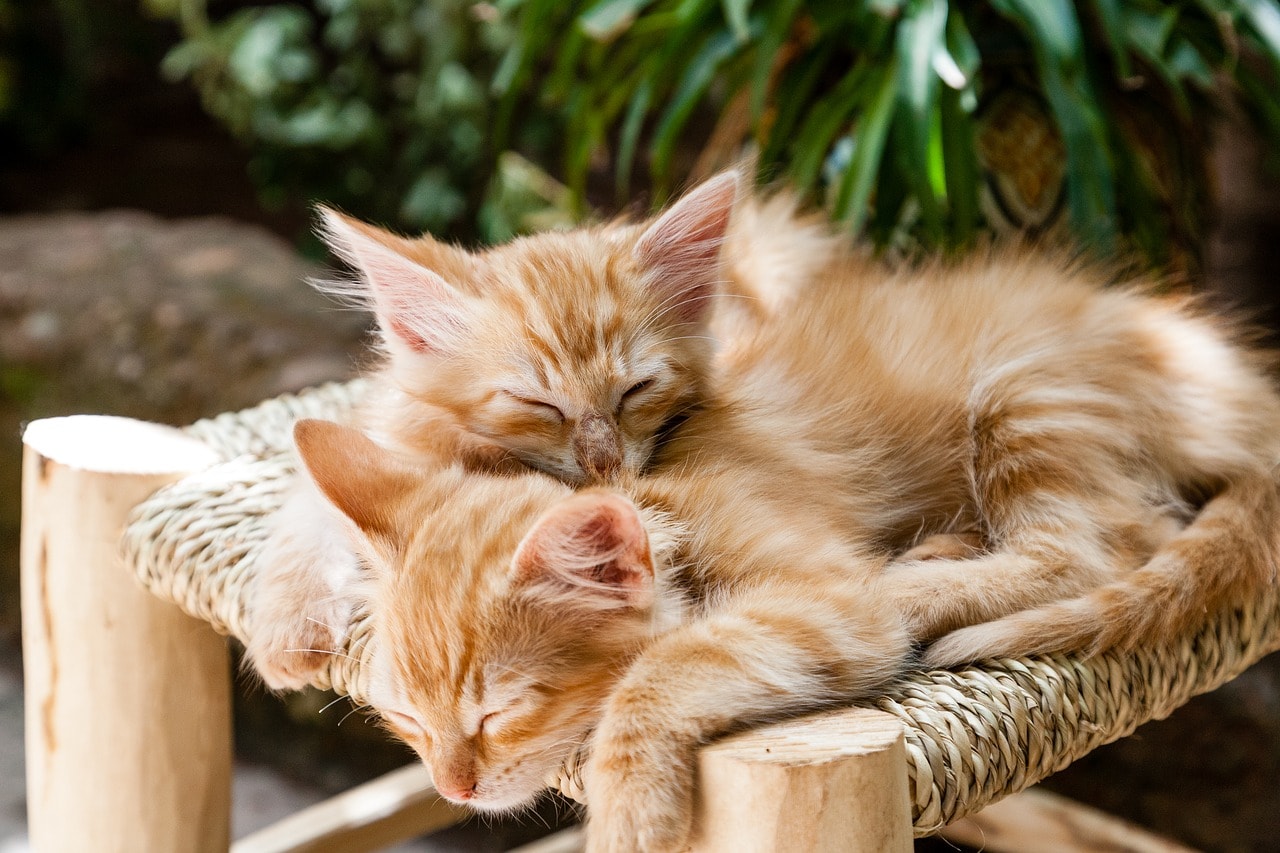
Featured Image Credit: liliy2025, Pixabay

Expert cat care, straight to your inbox
Vet-reviewed advice, behavior tips, and the best of Catster. Free, and you can unsubscribe anytime.
By signing up, you agree to our Terms & Conditions and Privacy & Cookies Policy.

Christian started writing for a local newspaper as a teenager, and he's been involved in the publishing industry for most of his adult life. Combining his love of writing with a passion for animals, he is currently the Director of Editorial at Pangolia and the Editor-in-Chief at Catster.
Christian lives in the Philippines with his wife, son, and four rescue cats: Trixie, Chloe, Sparky, and Chopper.
Join the conversation
Ask a question, share your story, or send private feedback.