Senior Cat Wellness Checks & Care (Vet Reviewed)


In this article
Whether you adopt a kitten, a young cat, or a feline already in their senior years, eventually you’ll need to care for them when they’re older. While those with younger pets don’t have to worry about this for a while, if you already have an older cat who is starting to enter their senior years or you just recently adopted a senior, you’ll need to understand that taking care of pets at this age is a bit different than caring for a young cat in their prime.
It’s a lot to navigate, but once you have a thorough understanding of what it takes to care for an older cat, we’re confident it’s something you can navigate!

What Does a Vet Do at a Senior Cat Wellness Check?
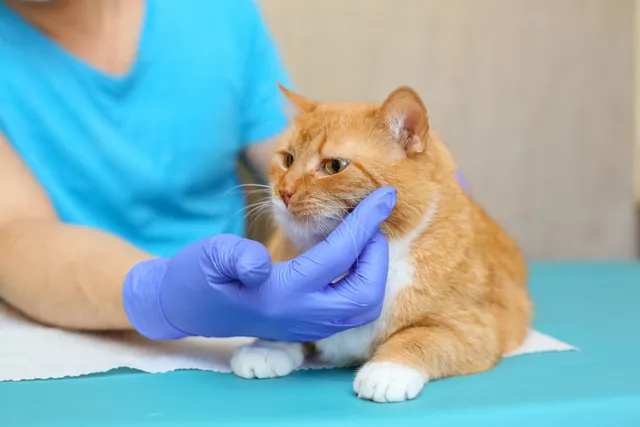
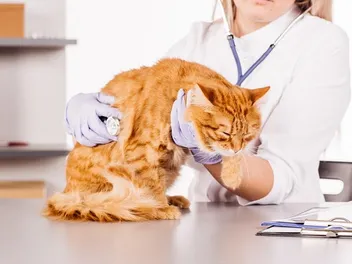
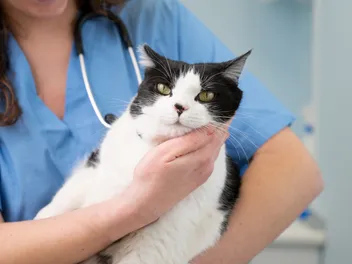
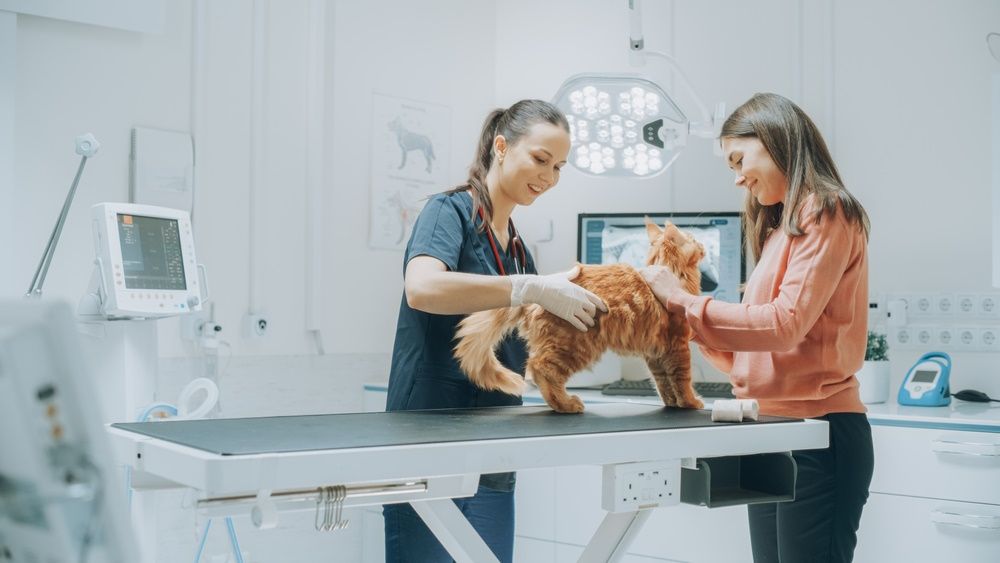
A senior cat wellness check at a licensed vet’s office is an essential part of keeping your feline friend happy and healthy, but what exactly does it include? Well, a senior cat wellness check consists of five main components to help a vet detect potential health problems while they’re still treatable. Also, unlike taking a younger cat in for a wellness check once per year, it’s suggested to take senior cats in about every 6 months to stay on top of any health concerns that could arise with age.

Urine Test
Urine tests are one of the best ways to check a feline’s kidneys, but that’s not all it checks. It also checks for infections in the urinary tract and can help detect diabetes. It’s an essential part of a senior cat wellness check.
Bloodwork (aka Lab Work)
Just like when you go to the doctor and they run bloodwork on you to see what’s wrong, the same is true for your cat. Bloodwork can tell you all sorts of things going on with your cat, even if you can’t see any visible changes, making it a crucial tool for early detection.
- Hormones
Tips for Caring for a Senior Cat
Having an older cat means dedicating more time to caring for them. Missteps can lead to big problems for older cats, which is why we took the time to highlight five of the most crucial tips you need to follow while caring for a senior.
1. A High-Quality Senior Diet
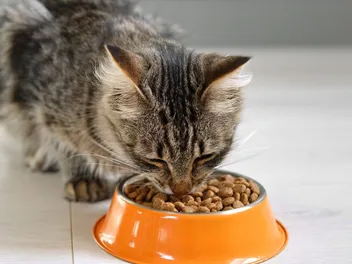
Low-quality food isn’t good for any pet, but it’s especially detrimental to older cats. Talk with a vet about transitioning your cat to a senior food. They will help figure out your cat’s optimum weight and will be able to recommend senior-specific foods to help them get to or maintain an ideal weight.

- NO MESS - The 360° tray on this cat food and water bowl set has a raised design to catch and contain stray crumbs and drips. Protect your indoors and floors from wet and messy meals!
- WHISKER FRIENDLY - Shallow and wide metal containers with flat bottoms ensure your kitty can enjoy mealtime free from whisker fatigue!
- CHEW-SAFE MATERIALS - Kittens and cats love chewing on silicone and soft rubber - but it's a choking hazard. Our cat feeding station materials are anti-chew for a 100% safe feeding frenzy!
Feeding your cat a high-quality diet is important for keeping them healthy and happy. But it goes beyond the food you choose; the dishes they use also matter. The Hepper NomNom Cat Bowl is our favorite for its unique, five-star design that protects from whisker fatigue and promotes good posture which also aids in better digestion. As an added bonus, it’s beautifully crafted and offers a modern take on the traditional cat bowl that fits seamlessly with all home stylings. Learn more about the NomNom by clicking here.
At Catster, we’ve admired Hepper for many years and decided to take a controlling ownership interest so that we could benefit from the outstanding designs of this cool cat company!
2. Keep Up with Dental Care
If you haven’t kept up with your cat’s dental hygiene, they might need professional help when they’re a senior. Dental disease is common in aging cats. They can experience gum disease, oral tumors, broken teeth, etc., all of which will affect their quality of life. On top of that, if an infection of the mouth enters the bloodstream, it can affect the heart, liver, and kidneys. So, you need to pay special attention to the mouth area.

3. Keep Them Moving
Keeping your cat physically active for as long as possible makes a huge difference in how long they’ll stay healthy. Keep playing games with them, keep them mentally stimulated, and ensure they’re meeting their daily exercise needs. They don’t need to move as much as they did when they were kittens, but don’t let them sleep their days away either.
Also, if your older kitty is having trouble moving around, consider using cat ramps or stairs to aid in climbing. Arthritis is common in older cats, and while your pet still needs to move, it can be harder on them, so you should do your best to ensure movement is gentle on their little bodies.
Finding a toy that your cat enjoys, is genuinely drawn to, and is excited to play with can be a challenge. That's why having a few options is always a good idea until you get an idea of what gets them moving. We love the Hepper Catnip Stick and Whale Kicker for different reasons. For cats who need a little encouragement in playing, the stick is packed full of organic catnip enticing enough to lure in the laziest of felines. The Whale is a great option for cats who love to hunt, pounce, and kick! Both are extremely durable, and can be cleaned and reintroduced for play days yet to come. Find out which is best suited to you below.
| Image | Product | Details | |
|---|---|---|---|

|
Hepper Catnip Stick |
|
Check Price |

|
Hepper Whale Plush |
|
Check Price |
At Catster, we’ve admired Hepper for many years and decided to take a controlling ownership interest so that we could benefit from the outstanding designs of this cool cat company!
4. Watch Out for Pain
Cats don’t show pain the same way we do, and since they can’t tell us how they’re feeling, it’s up to you to take the necessary steps to notice and treat it. You need to be mindful about paying closer attention to your cat’s body and their behavior. If anything ever seems out of the norm, it’s best to get in touch with a vet for advice.
5. Take Them to the Vet Twice Per Year

As we’ve already mentioned, most cat owners do a wellness check about once per year, but it should be at least twice a year with a senior kitty. This ensures that the vet always has a clear picture of what is going on with your cat’s body as they age and increases the chances of them catching any major issues early on so that they can be better treated.
Remember to have regular vet visits when owning an elderly cat to keep their health and well-being. If you’re concerned about your cat’s health we suggest you speak to a vet.
Final Thoughts
Now that you know a little more about the basics behind caring for an older cat, it’s up to you to ensure you’re meeting their needs and taking them to the vet enough so they can tell you what’s going on. We know it can be a bit of a hassle, but it’s ensuring your senior cat lives as long as possible and with as little pain as possible, so it’s worth it to stay on top of things.
Sources
https://www.petmd.com/cat/care/evr_ct_caring_for_older_cats_with_health_problems
https://vcahospitals.com/know-your-pet/wellness-testing-for-senior-cats
https://www.hillspet.com/cat-care/healthcare/vet-check-ups-for-senior-cats?lightboxfired=true
https://www.animalmedicalcenterofchicago.com/what-you-should-know-about-feline-senior-wellness/
Featured Image Credit: Gorodenkoff, Shutterstock
Expert cat care, straight to your inbox
News, insights, and useful advice, delivered to you.

No spam — unsubscribe anytime.
By signing up, you agree to our Terms & Conditions and Privacy & Cookies Policy.
How useful was this post?
Click a star to rate. You can leave written feedback afterwards. (We read all feedback.)
Adam is a seasoned freelance writer and passionate animal lover who has dedicated years to rescuing countless animals. With a decade of experience as a freelance writer and an even longer history of animal rescue, he has honed his skills in both fields. Adam is also a proud father of three and thrives on challenges and new adventures.