Signs of Aging in Cats: What Is Normal, What Is Disease? (Vet-Reviewed)


In this article
The average cat lives for 13 to 17 years, but some can make it well into their 20s. Many of the changes their bodies go through as they age are normal, but there are also ones that can be signs of illness.
Keeping cats happy and healthy during their golden years involves knowing what's normal and which signs indicate a health problem. Keep reading to learn more about 12 signs of feline aging: four that are normal and eight that can be cause for concern. However, it’s best to speak to a veterinarian if you have any questions about your companion's health.

The 4 Normal Signs of Aging
Cats are considered seniors when they hit 10 years old, and although many have several great years ahead of them, several physical changes occur as they age. Twice-yearly wellness checkups can catch developing conditions in senior pets as early as possible when they’re often easier to treat.
1. Mellowing Out and Slowing Down

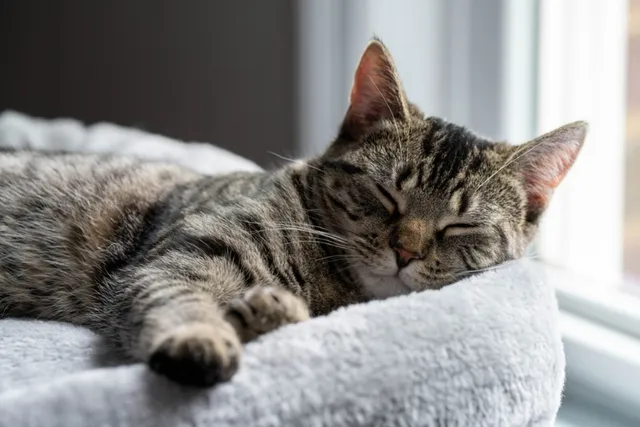
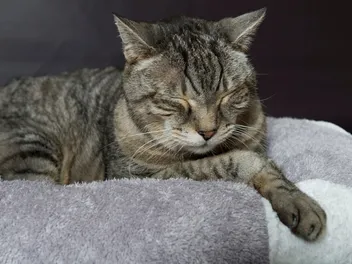
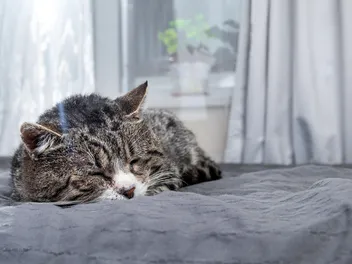
It's normal for cats to become less active as they age. Most start sleeping more as they get older. Cats can also become deep sleepers when they get old, which is caused, at least in part, by sensory decline.
2. Experiencing Hearing and Vision Decline
A cat’s senses decline as they age, and it's perfectly normal for their vision and hearing to be not quite as sharp as they once were. Cats are good at hiding it when they have trouble hearing or seeing. Pet parents frequently don't notice vision changes, for example, until cats start doing things like running into furniture.
3. Needing Extra Grooming Help
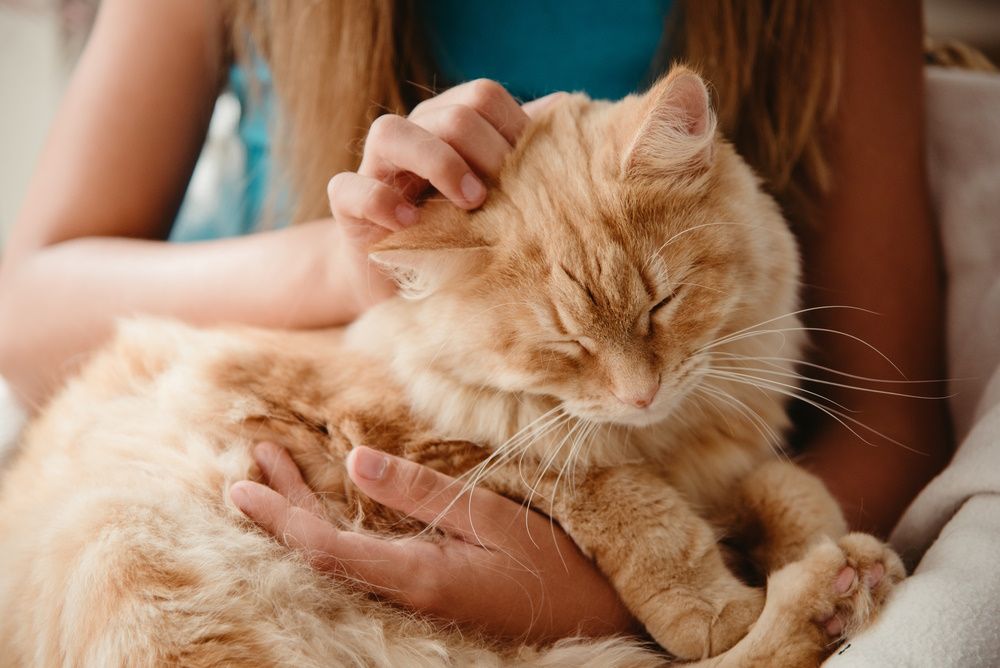
Cats sometimes need assistance with grooming as they age. It’s normal for older cats to groom themselves less than they used to when they were younger.
Older kitties benefit from regular brushing to keep their fur smooth and glossy and attention to their ears to prevent excessive wax from building up, as their ears frequently get waxier as they age.
4. Being Less Patient
Cats sometimes become less patient when they hit their senior years, and waking older cats from naps is a good way to get on their bad side. Older cats aren't interested in playing with active kittens, and they're often faster to end unwanted encounters than they were when younger.
The 8 Common Signs of Illness in Older Cats
There are a few diseases and conditions that are commonly found in older cats, including cognitive decline, hyperthyroidism, kidney disease, diabetes, high blood pressure, arthritis, heart disease, cancer, and dental disease.
Weight loss, appetite changes, and mobility issues are just a few signs associated with many diseases senior cats are prone to develop.
1. Excessive Vocalization and Restlessness

Cats experiencing cognitive decline sometimes yowl and have trouble settling down. Other common signs of the condition include disorientation, inappropriate elimination, forgetfulness, and being active late at night.
Cats with hyperthyroidism frequently become restless, and the condition can prompt aggressive behavior in some.
2. Increased Water Consumption
Older cats benefit from increased hydration to keep their bodies running smoothly, but diabetes and kidney disease can also prompt them to drink more than they usually do.
Cats with chronic kidney disease are notorious for urinating more frequently, and they may also lose weight, have strong breath, and experience stomach issues.
3. Sudden Difficulty Seeing

While declining vision is normal when cats become seniors, sudden vision loss should always be taken seriously and should receive immediate veterinary attention.
Kidney disease and thyroid problems can cause high blood pressure, which can cause cats to go blind.
4. Mobility Issues
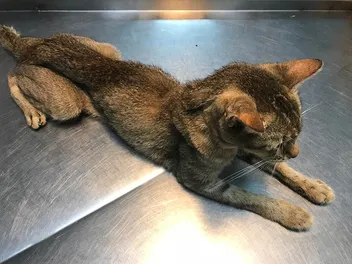
Cats that have trouble jumping or getting around need to be seen by a veterinarian since mobility issues can be signs of arthritis. Cats spend more time being inactive when movement causes pain, and they have trouble grooming themselves.
Those with tender joints sometimes become aggressive when the areas are touched. Limping and swollen joints are also potentially seen.
5. Weight Loss

The ultimate goal is for cats to enter their senior years at appropriate weights and stay there as they age. Older cats shouldn’t lose or gain weight, but they undergo metabolic changes, so the amount they need to consume sometimes changes.
Several diseases that are common in senior pets can cause them to lose weight, including cancer, hyperthyroidism, diabetes, kidney disease, and dental problems. It can also be an indication of heart disease.
6. Appetite Changes
Eating more or less than normal can both be indications of illness. Cats with overactive thyroids, for instance, eat far more than usual and lose weight at the same time.
They also tend to be restless, have difficulty sleeping, and drink lots of water. Pets with dental disease frequently avoid eating, and kidney disease can take away their appetites. Cancer can cause cats to eat more or less, depending on how they’re affected.
7. Difficulty Eating

Dental disease is pretty common in cats, including younger ones. It can be quite painful and cause them to have difficulty eating, which can lead to weight and muscle loss.
Common signs of dental disease include having trouble chewing and a lack of interest in eating. Cats suffering from dental disease have trouble keeping food in their mouths as well.
8. Having Bathroom Accidents
Cats can start going to the bathroom in inappropriate places for several reasons, including mobility issues. Those with arthritis sometimes have trouble making it to the bathroom if they have to go up and down stairs.
They can also find it difficult to get into and out of litter boxes with high sides. Pets with conditions such as kidney disease, hyperthyroidism, and diabetes that prompt increased urination are also likely to have accidents. Urinary tract infections, which occur relatively frequently in older cats, can also cause cats to pee outside of their litter boxes.
Remember to have regular vet visits when owning an elderly cat to keep their health and well-being. If you’re concerned about your cat’s health we suggest you speak to a vet.
Conclusion
Cats can live into their 20s, and their bodies undergo changes as part of the aging process. Knowing what's normal and what could be an indication that something is wrong is essential for keeping older cats happy and healthy.
It's okay for seniors to sleep more and be slightly less tolerant of rambunctious behavior as they get older, but appetite changes, difficulty getting around, weight loss, and inappropriate elimination require medical attention. Senior cats should have at least two veterinary examinations per year to ensure any developing chronic illnesses are caught as early as possible.
Sources
Featured Image Credit: Karpova, Shutterstock
Expert cat care, straight to your inbox
News, insights, and useful advice, delivered to you.

No spam — unsubscribe anytime.
By signing up, you agree to our Terms & Conditions and Privacy & Cookies Policy.
How useful was this post?
Click a star to rate. You can leave written feedback afterwards. (We read all feedback.)
Lorre Luther is a writer who is firmly convinced that cats are smarter than humans. She left her law career in the United States and moved to the Netherlands to follow her dream of becoming a writer. Lorre currently lives in Rotterdam, she enjoys traveling and greatly appreciates the beauty of nature. Lorre has a spot for animals and admires the intelligence of cats.