Pellet Litter vs Clumping: Our 2026 Comparison, Pros & Cons
In this article
There are many great reasons to have a cat as a pet, but one important reason for many is that they are relatively low maintenance. One thing that cats do require, however, is a litter box. While some people believe that any type of litter will do, many different types of cat litter are available, and each has its advantages and disadvantages. Many feel litter is a necessary evil when it comes to owning a cat. But it's important to choose the right type of litter for your and your cat's needs.
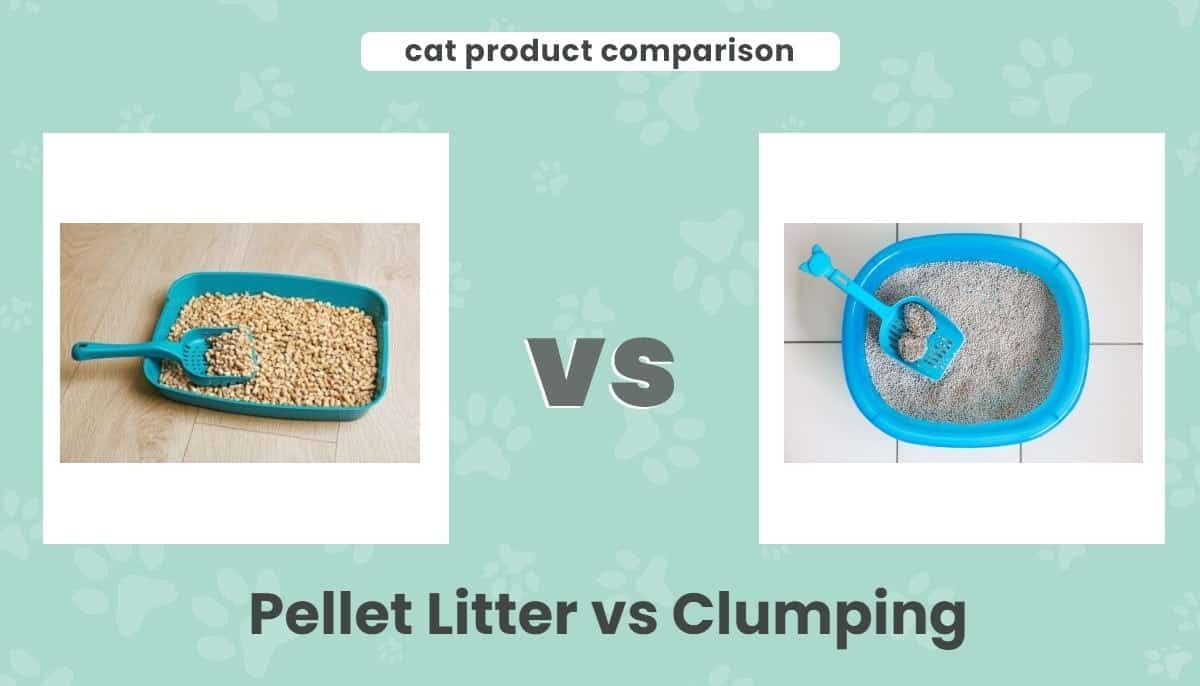
Two of the most popular types of litter are pellet and clumping. But how do they compare? Here is a breakdown of the two types of litter to help you decide which is right for your cat.

Overview of Pellet Litter:
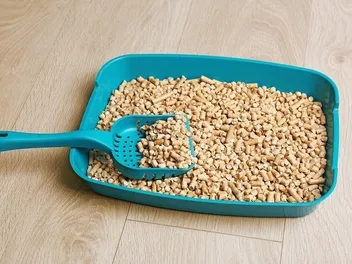
There are many types of pellet litter for cats on the market these days. Some are made of clay, others of corn or wheat. There is even a type made out of recycled paper. The important thing to remember when choosing a pellet litter for your cat is that it should be absorbent. Some brands also add odor control to their pellets.
Cat litter made from wood pellets is mostly made from pine because it naturally has a good scent. But other types of wood can be used as well. Using pine wood prevents using chemical scents to mask the smell. As pet owners become more eco-conscious, this cat litter has become more popular. Biodegradable and often made from recycled materials, this cat litter is made from natural raw materials. In addition to lasting longer, wood pellets are much less likely to need to be changed as often as clay litter.

How It Works
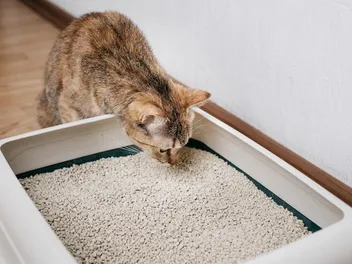
Because wood pellets are highly absorbent, they make an effective cat litter. Cat litter made from wood pellets absorbs urine in a similar manner to other types of litter. In the process of absorbing urine, the odor is also absorbed. Pellets become sawdust after absorbing urine. Fresh pellets are left on top after the sawdust sinks down into the litter pan. Be aware that the pellets don't absorb solids, however. As a result, cat feces will accumulate on top of the pellets, but the pine scent of the litter may help to mask the smell.
How to Clean and Change It
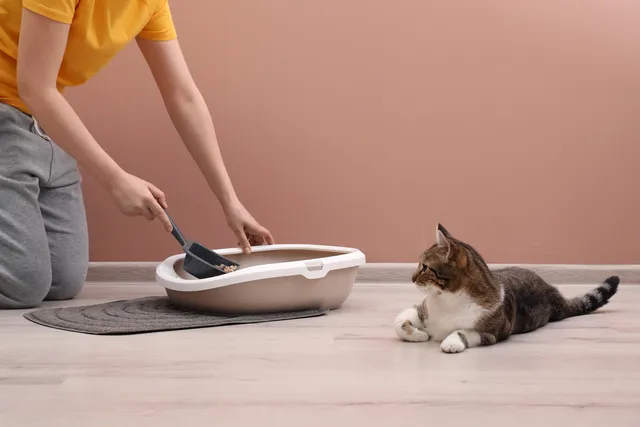
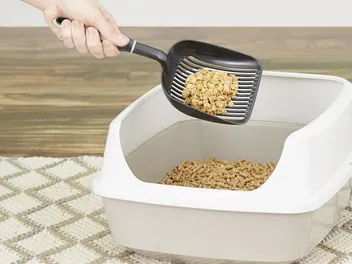
It is recommended to scoop the wood pellet litter daily and to completely change it every 2 weeks. Scoop it daily by removing the solids with a scoop. After scooping out piles of sawdust, sift the scooper to prevent dry pellets from being discarded as well. After that, you can re-fill the box with dry pellets and top it off with fresh pellets. Litter boxes should be replaced every 2 weeks with fresh pellets, but if you scoop them every day, you might be able to get away with doing it less often.
It may be necessary to change the litter more frequently if you have more than one cat. A litter box with a built-in sifter tray makes litter-changing easier. This will filter the sawdust through the sifter. Simply remove the solids and empty the sawdust from the bottom tray.
The odors and stains of cats will probably still be present around the house even if you keep a clean litterbox. None of us want trying to be more eco-conscious to come at the cost of a pleasant-smelling home. This is where pet deodorizers and stain removers can make a huge difference.
Combating tough cat litter smells is an ongoing battle for pet parents but luckily, there are products out there designed to help! Two products that significantly reduce odors are the Hepper Litter Additive and the Hepper Enzyme Spray.
| Image | Product | Details | |
|---|---|---|---|

|
Hepper Advanced Bio-Enzyme Pet Stain & Odor Eliminator Spray |
|
Check Price |

|
Advanced Bio-Enzyme Cat Litter Deodorizer |
|
Check Price |
At Catster, we’ve admired Hepper for many years and decided to take a controlling ownership interest so that we could benefit from the outstanding designs of this cool cat company!
How to Dispose of It
It is important to dispose of litter carefully, as some types may pose environmental hazards. Due to their natural composition, wood pellets are biodegradable and compostable. Composting cat feces, however, should be done carefully, as it contains parasites that can cause human toxoplasmosis. Don't compost wood pellet litter near vegetables or other edible plants. Keep a separate compost pile for it. Alternatively, flush it down the toilet in small amounts or throw it away if you don't compost.
Pros
- Eco-friendly
- Easily disposed of
- Produces no dust
- Chemical-free
Cons
- Cats won't use it in some cases
- Doesn't clump
- Cleaning is required more frequently
- Can smell worse if not managed properly

Overview of Clumping Cat Litter
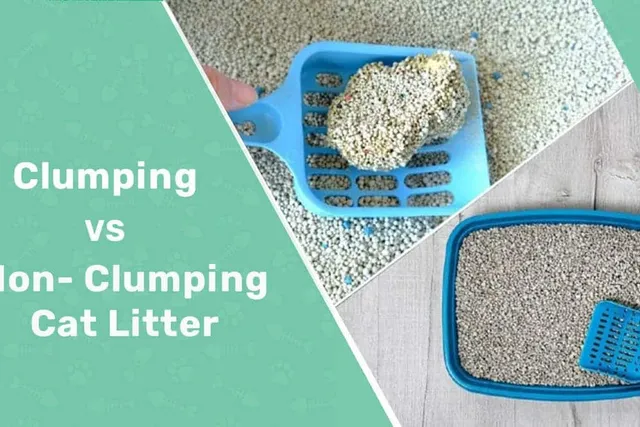
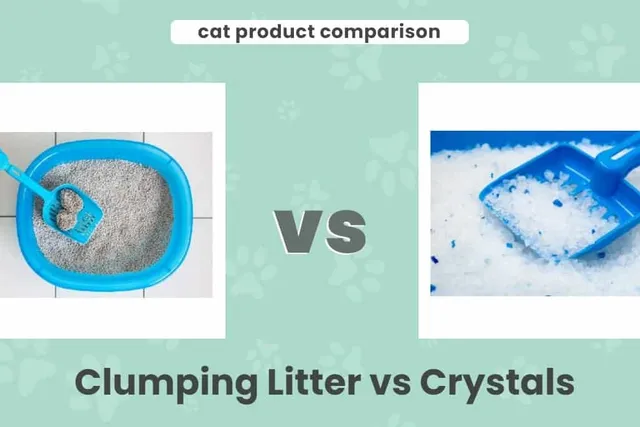
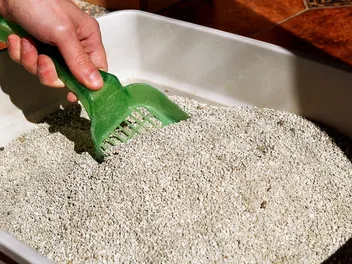
The type of clumping cat litter available today is modified from the traditional type of clay cat litter. It is made up of small particles of different kinds of clay that stick together in the presence of moisture. This feature allows cat owners to remove some of the used litter without emptying the entire box.
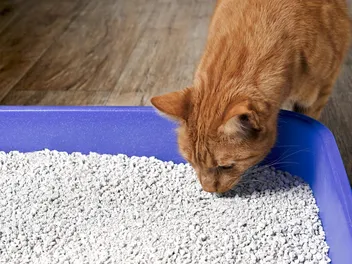
This type of cat litter is not naturally scented, however. There are unscented varieties available, but they won't mask any unpleasant odors from the litter box in your home. In order to combat this, scented versions are available, but they are scented with artificial, chemical scents, which not everyone enjoys. Overall, owners find that most cats are willing to use clumping litter since it feels more natural for them to relieve themselves on the texture and consistency it provides.

How it Works
Clumping cat litter is primarily composed of bentonite clay pulverized into smaller particles. It is named clumping cat litter because bentonite clay particles absorb moisture and clump together. Many cat owners prefer this type of litter because it is easy and convenient to clean. The litter box can be cleaned by scooping out the clumps while loose litter will sift through the scoop. There is no need for a special litter box or scoop.
During the cleaning process, though, there is a certain amount of dust is produced. Your cat may track this dust around your house. Clumping litter does, however, have the advantage that it can last a very long time with regular cleaning.
How to Change It
Clumping litter can be changed in a similar manner to wood pellet litter. The main difference is that clumping litter doesn't settle completely to the bottom, so sifting and removing it is much faster when scooping. You should scoop clumping litter every day if you have multiple cats. If you only have one cat, you might be able to get away with doing it every other day.
You will need to use the scoop to remove the clumps from clumping litter. As you scoop, you should feel the clumps. Shake the scoop over the box after you remove a clump to remove any loose litter. Remove clumps of litter by throwing them into a bag and continuing until only loose litter remains. You should clean and replace the litter box every 2 weeks. When it's time to change the litter, dump the box's contents into a bag. The bottom of the box can become a mess because clumping litter sticks together. Spray soap and water on the litter box. Add fresh, clean litter after rinsing it off and drying it.

How to Dispose of It
The chemicals found in clumping litter may cause harm to the environment. Neither composting nor flushing is recommended. Instead, throw your used litter bag into your trash can with the rest of your garbage.
Pros
- Budget-friendly
- Easily scooped
- Produces little odor
- Most cats will readily use this
Cons
- Dust is produced
- Contain chemicals that can be harmful
- It is not eco-friendly
- Gets tracked easily around the house

Other Factors to Consider
Price
There are a few key factors to consider when deciding whether to use pellet litter or clumping litter. First, consider the price of the two types of litter. Clumping litter is typically more expensive than pellet litter. However, you may find that the price difference is worth it for the convenience and effectiveness of clumping litter.
When discussing the price of cat litter, it is important to consider the quality of the product, too. Higher-quality cat litter will cost more, regardless of the type of litter (wood pellets or clumping). The reason for this is that higher-quality products are made with better materials and/or have a better manufacturing process. As a result, they are able to provide a better experience for the user, which is why people are willing to pay more for them. Just remember, higher-quality cat litter generally lasts longer than lower-quality options, so you end up using less of it over time.

A Safe Environment
There are a few safety considerations to keep in mind when using wood pellets or clumping cat litter. It is important to make sure that the area where the pellets or litter will be used is well-ventilated, and some owners like to wear gloves and a mask when handling pellets or litter, as they may contain harmful chemicals. Remember that it is important to keep the pellets or litter out of reach of children and pets, as they may be tempted to eat them.
Despite the convenience of clumping litter, there are some safety concerns. If your cat ingests bentonite clay from clumping litter, they may experience health problems. Due to its capacity to absorb some of the liquids within their bodies, it can cause blockages in their stomach and intestines. If your cat hasn't been eating litter, this may not be an issue. But if you see this behavior, clumping litter may not be the best choice for your cat.
Human health is another concern. The job of cleaning your cat's litter box falls to you because they can't do it themselves. It is dangerous for pregnant women to scoop litter of any kind due to the presence of toxoplasmosis in cat litter. Even if you aren't pregnant, the dust from clumping cat litter can irritate your respiratory system, especially if the litter is scented with artificial fragrances. It may be better to use wood pellets if you suffer from respiratory illness.
Switching Litter: What to Look For
When you are ready to switch your cat's litter, there are a few things to keep in mind. First, you'll want to find a litter that is similar in texture and absorbency to the one you're currently using. This will help make the transition smoother for your cat. Secondly, you'll want to gradually introduce the new litter by mixing it with the old litter. After switching litter, keep an eye on your cat's litter box habits for a few days. It may be hard for some cats to adjust to wood pellets if they aren't used to it. You will have to clean up more unpleasant messes if they start relieving themselves elsewhere. There are some cats that take longer to adapt to new litter than others, while there are others that may never get used to it.
When switching litters, there are certain things you need to take into account to ensure the new litter is appropriate and successful for your cat. Cats are susceptible to allergies and skin sensitivities just like humans. Any respiratory problems or skin irritation may indicate an allergic reaction to either type of litter. Some cats are sensitive to fragranced litter, but wood pellets can also cause problems. If your cat is experiencing problems with the litter, you should stop using it.

Conclusion
In conclusion, when choosing between pellet and clumping cat litter, there are a few factors to consider. Clumping litters are generally more absorbent, while pellet litters tend to be dust-free. Clumping litters also tend to be more expensive than pellet litters, but they are easier to clean up. Pellet litters are less dusty, but they can be difficult to scoop out. Ultimately, the best litter for your cat depends on their and your individual preferences.
Image Credit: Africa Studio, Shutterstock (L), Karnstocks, Shutterstock (R)
Expert cat care, straight to your inbox
News, insights, and useful advice, delivered to you.

No spam — unsubscribe anytime.
By signing up, you agree to our Terms & Conditions and Privacy & Cookies Policy.
How useful was this post?
Click a star to rate. You can leave written feedback afterwards. (We read all feedback.)

Christian started writing for a local newspaper as a teenager, and he's been involved in the publishing industry for most of his adult life. Combining his love of writing with a passion for animals, he is currently the Director of Editorial at Pangolia and the Editor-in-Chief at Catster.
Christian lives in the Philippines with his wife, son, and four rescue cats: Trixie, Chloe, Sparky, and Chopper.