Get

In Your Inbox

Catster is reader-supported. When you buy via links on our site, we may earn an affiliate commission at no cost to you. Learn more.

Is Vinegar Bad for Cats? Vet-Reviewed Safety Concerns

Is Vinegar Bad for Cats

Vinegar is one of the wonder products many regularly use for different purposes such as cleaning. So, is vinegar bad for cats? Vinegar is incredibly acidic and can irritate their mucous membranes if consumed undiluted. However, if it’s mixed with water, it’s unlikely to cause harm if cats are exposed to items that have been cleaned with the diluted mixture.

Before adding some to their water or cleaning their bowl, you’ll want to know if vinegar is safe for cats. It’s critical to speak to a veterinarian before giving your cat any home remedy to ensure it’s safe and an appropriate way to address any medical issues. Further, we don’t recommend doing so, and no scientific data exists to show that vinegar is helpful in any way to cats. Vinegar and water cleaning solutions are generally fine to use around pets and make fantastic alternatives to toxic products such as bleach and ammonia.

divider cat paws oct 2024

Why Shouldn’t Cats Consume Undiluted Vinegar?

Undiluted vinegar is bad for cats as it is extremely acidic. According to the American Society for the Prevention of Cruelty to Animals (ASPCA), consuming straight vinegar can cause cats’ mouths to become irritated and lead to stomach problems.

The issue isn’t that vinegar is toxic, but without being mixed with water, it can be an irritant.

a jar of vinegar
Image By: focal point, Shutterstock

What About Giving Cats Vinegar as a Dietary Supplement?

No data exists to suggest that this is safe, effective, or beneficial to cats in any way. Therefore, we don’t recommend this as an option for any cats. Better, simply provide clean, fresh water without anything added to ensure they stay hydrated and a properly formulated diet for their life stage. With this combo, cats will have everything they need to stay happy and healthy.

Can You Use Vinegar and Water to Keep Fleas Away?

Unfortunately, water and vinegar won’t get rid of a flea problem. The mixture doesn’t kill fleas or their eggs. Commercial products that effectively eliminate fleas and prevent new ones from finding homes are available in consultation with a vet. Frequent vacuuming and washing clothes, fabrics, and cat bed covers at high temperatures are also essential for getting rid of fleas.

a jar of vinegar
Image Credit: Liliana-Drew, Pexels

Can You Use Vinegar and Water for Ear Cleaning?

Using an ear-cleaning solution designed for cats is much safer and more effective than using vinegar and water. Using vinegar and water on cats with ear infections may make things worse by increasing the inflammation and soreness, in addition to being incredibly painful. Most veterinarians advise pet parents to avoid vinegar and water for general ear-cleaning purposes.

If you need to speak with a vet but can't get to one, head over to PangoVet. It's an online service where you can talk to a vet online and get the advice you need for your pet — all at an affordable price!

PangoVet_Mention-in-Content for PangoVet2 save money

Does Vinegar and Water Soothe Irritated Skin?

If your cat has irritated skin, it’s safer to use a prescription from a veterinarian than vinegar and water. Skin irritation in cats can be caused by parasites, fleas, allergies, and stress, and the vet can provide a treatment that addresses the cause of the irritation.

Can Vinegar and Water Be Used as Cleaning Solutions for Cat Equipment?

Vinegar and water are considered safer for cats than toxic choices such as ammonia and bleach. You can use the solution to clean the litter box and other items since it doesn’t leave an overpowering smell behind.

It’s unlikely to cause any issues if your cat walks over a floor freshly mopped with vinegar and water and ends up ingesting a bit while grooming themselves.

divider 1 paws

Conclusion

Vinegar is bad for cats as it is incredibly acidic, and consuming it undiluted can burn cats’ mucous membranes and cause them to feel ill, but it’s not toxic. Vinegar is touted as a way to encourage optimal digestion, deal with fleas, clean cats’ ears, and soothe irritated skin, but there’s no scientific evidence backing these claims, and it’s important to speak to a veterinarian before using any home remedies. It’s safe to use vinegar and water mixtures to clean around the house, and it’s a great option for keeping cats’ litter boxes hygienic and smelling fresh.


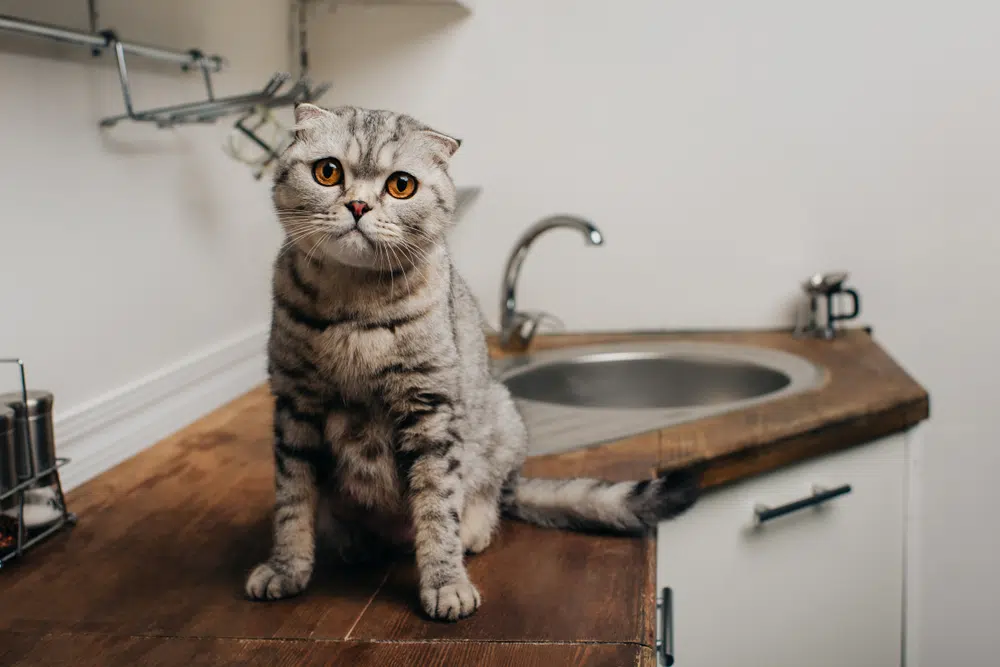
Featured Image Credit: focal point, Shutterstock

Want content like this delivered to you?

Sign Up For Our Newsletter

News, insights, expert advice, and everything cat

* By submitting, you agree to our Terms & Conditions and Privacy & Cookies Policy.


How useful was this post?

Click on a star to rate (you can leave written feedback after clicking submit)

Help us improve Catster for pet parents!

Your feedback really matters.

What did you like about this post? Also how can we improve it?

Join the conversation

Leave a Reply

You’re very welcome to leave a comment or question. Please know that all comments must meet our community guidelines, and your email address will NOT be published. Let’s have a positive and constructive conversation.


Talk With A Vet Online

Peace of mind,
anywhere, anytime

Affordable vet advice

Can Cats Eat Onions? Vet-Reviewed Risks & Dangers

Any cat owner knows that our felines don’t always make the best choices about what they put in their mouth. Even the pickiest...

10 Best Cat Foods for Hairballs in 2026 – Reviews & Top Picks

You may have heard a bizarre hacking cough that floats through the house in the middle of the night and is typically followed...

European Shorthair vs. American Shorthair: What’s the Difference? (With Pictures)

Cats and dogs can be bred to have purebred lineages that focus on pulling out certain traits to standardize the breed. Shorthair cats...

Peterbald vs Sphynx: Key Differences (With Pictures)

Peterbald and Sphynx cats look similar, but they are different breeds with unique origins. While they’re practically hairless, the Peterbald’s head is a...

More related

What To Feed A Colony of Feral Cats? 12 Vet Approved Tips & Advice

Scientists can only estimate the number of feral cats in the United States, although data suggest it’s around 30 million animals, with many...

11 Devon Rex Colors (Common & Unique Varieties)

The inquisitive and friendly Devon Rex is a cat with an unlimited supply of love and loyalty to share with the right people....

Can Cats Get Kidney Transplants? Our Vet Discusses Facts & Considerations

Kidney disease is one of the most common causes of illness and death in cats, with almost 80% of cats over 15 years...

Why Does My Cat Pee on Plastic Bags? 6 Vet-Reviewed Reasons & Solutions

If you’ve ever come home to find that your cat has peed on a plastic bag, you’re not alone. This odd behavior is...

Keep reading

Why Do Cats Trill When They Jump? 4 Vet-Reviewed Reasons

In the wild, cats remain fairly silent. Their purrs, hisses, growls, and yowls are mainly for communication, not something they do casually as they go about their day. So, why do our domestic kitties get so vocal when they jump?...

cream-colored-maine-coon-cat-jumping-over-the-couch_Nils-Jacobi_shutterestock

Can Cats Eat Vaseline? Vet-Approved Benefits & Precautions

Vaseline is a staple item in many people’s bathroom cupboards. It’s useful for many things, but have you ever considered using it on your cat? Is it even safe for cats? What exactly could you use it for? Vaseline is...

Can Cats Eat Vaseline

Why Do Cats Drool When They Purr? 8 Possible Reasons

Generally, we all know that a cat’s purring is a sign of happiness. However, what about drooling? Usually, drooling is associated with certain breeds of dogs—not cats. Yet, many cats will and do drool on certain occasions. Drooling can be...

yawning and purring british shorthair kitten_Dmitry Kalinovsky_shutterstock

Can Cats Eat Honey? Vet-Reviewed Facts & FAQ

If you love eating honey yourself, you probably know that it has antibacterial properties and is packed full of antioxidants and vitamins. It’s good for us humans, but does that mean it could be good for our cats too? So...

Can Cats Eat Honey

Why Is My Cat Purring After Giving Birth? 7 Vet-Reviewed Reasons

Cats are interesting creatures. They have a lot of quirks that make them unique. One of the most curious behaviors that cats exhibit is purring after giving birth. This can be puzzling for cat owners, so we’re going to explore...

mother cat with kittens

How Do I Know When My Kitten Needs to Pee or Poop? 5 Vet-Approved Signs to Look For!

One particularity of cats is that felines’ bathroom habits are significantly different from ours. While you may have heard that some cats with great trainers as owners can learn to use an actual human toilet, this does not allow them...

black and white kitten playing

Why Do My Cat’s Farts Smell Like Eggs? Our Vet Explains

Have you ever noticed that your cat’s farts smell like rotten eggs? Is there a way to prevent this unpleasant scent? That rotten egg odor is primarily due to sulfur compounds produced in the digestive process. When cats eat certain...

Cat Stinky

Why Does My Cat Sleep on Me? 6 Vet-Reviewed Reasons & Solutions

Cats have strange and quirky behaviors that help keep their owners both entertained and confused. One common yet endearing habit of felines is choosing to curl up and sleep on their owners. While having your cat snooze on your lap...

cat sleeping on its owner's chest

Love Cats? So Do We! Join the Catster Community

Stay informed with expert pet care insights delivered straight to your inbox! Discover professional guidance on animal behavior, feeding tips, trusted product picks, and much more.


Sign up for the Catster Email Newsletter

Stay informed with expert pet care insights delivered straight to your inbox! Discover professional guidance on animal behavior, feeding tips, trusted product picks, and much more.