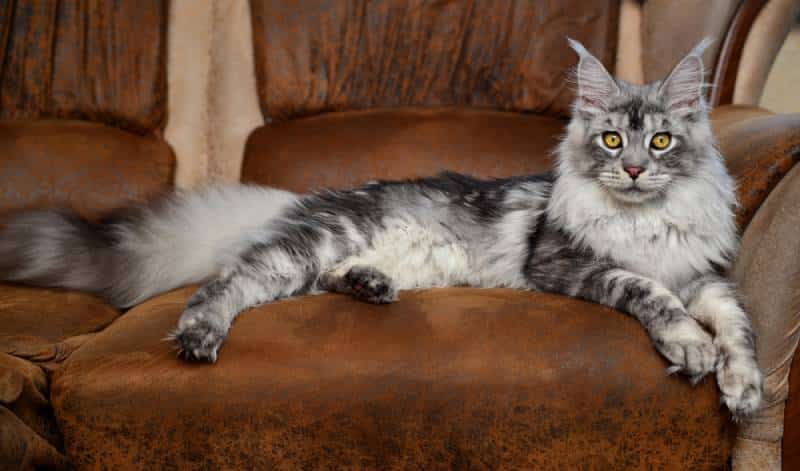
Is It True That All Cats Have Carpal Whiskers on Their Legs? Feline Anatomy Explained


In this article
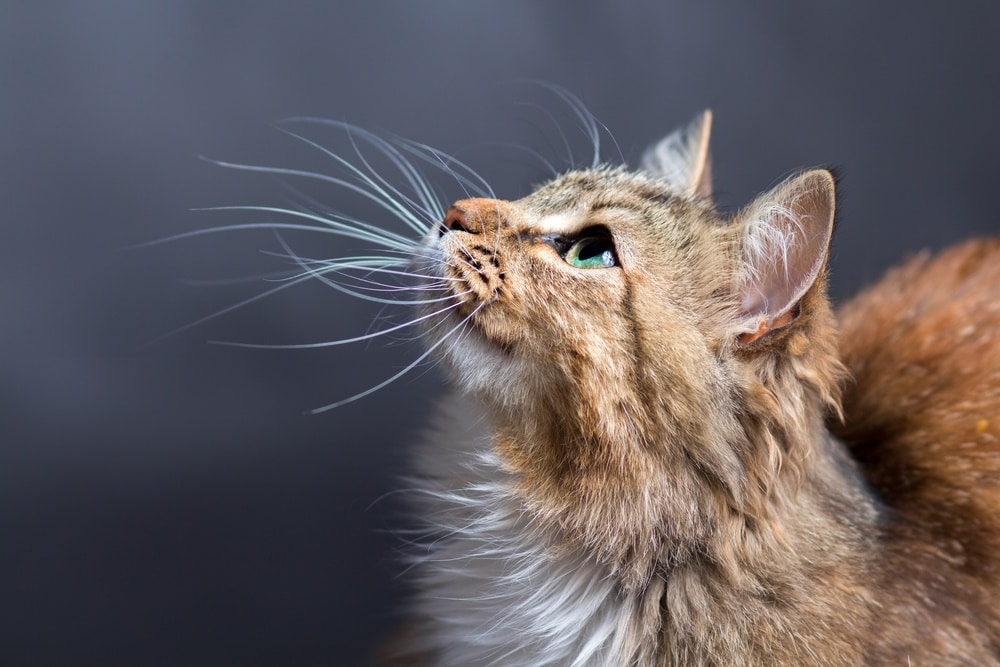
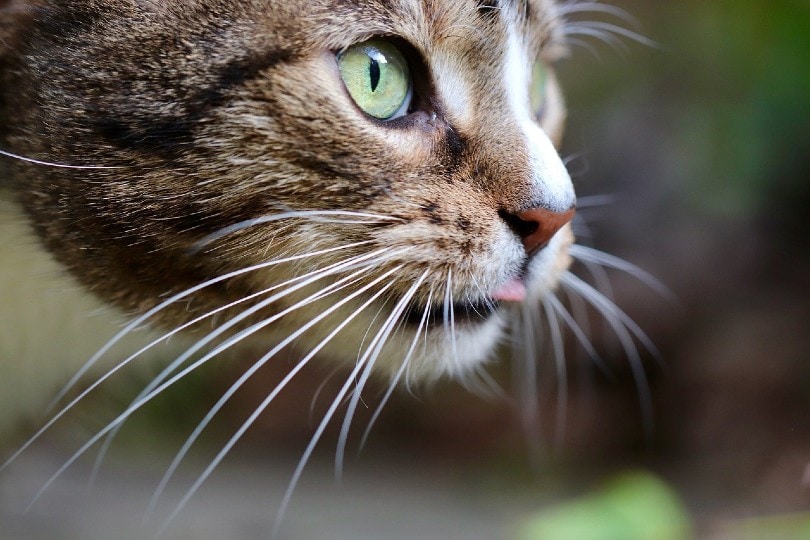
There's no question that cats are unbelievably adorable. Everything from their gorgeous eyes to their tiny little paws is nothing short of cuteness galore. But one often overlooked feature that adds to this cuteness is the whiskers.
Everyone knows that cats have whiskers on their faces, but few know that cats also have whiskers on their legs. These are known as carpal whiskers. Although they may look like hairs, these whiskers are specialized sensory organs. These whiskers help cats see and navigate in the dark, as well as sense changes in air pressure and temperature.

Do Cats Have Whiskers on Their Legs?
If you have not seen them on your cat, it means you haven't looked hard enough. To answer the question of whether all cats have carpal whiskers, yes, they do. Keep reading to learn more about cats and their interesting leg whiskers.
What Are Carpal Whiskers?
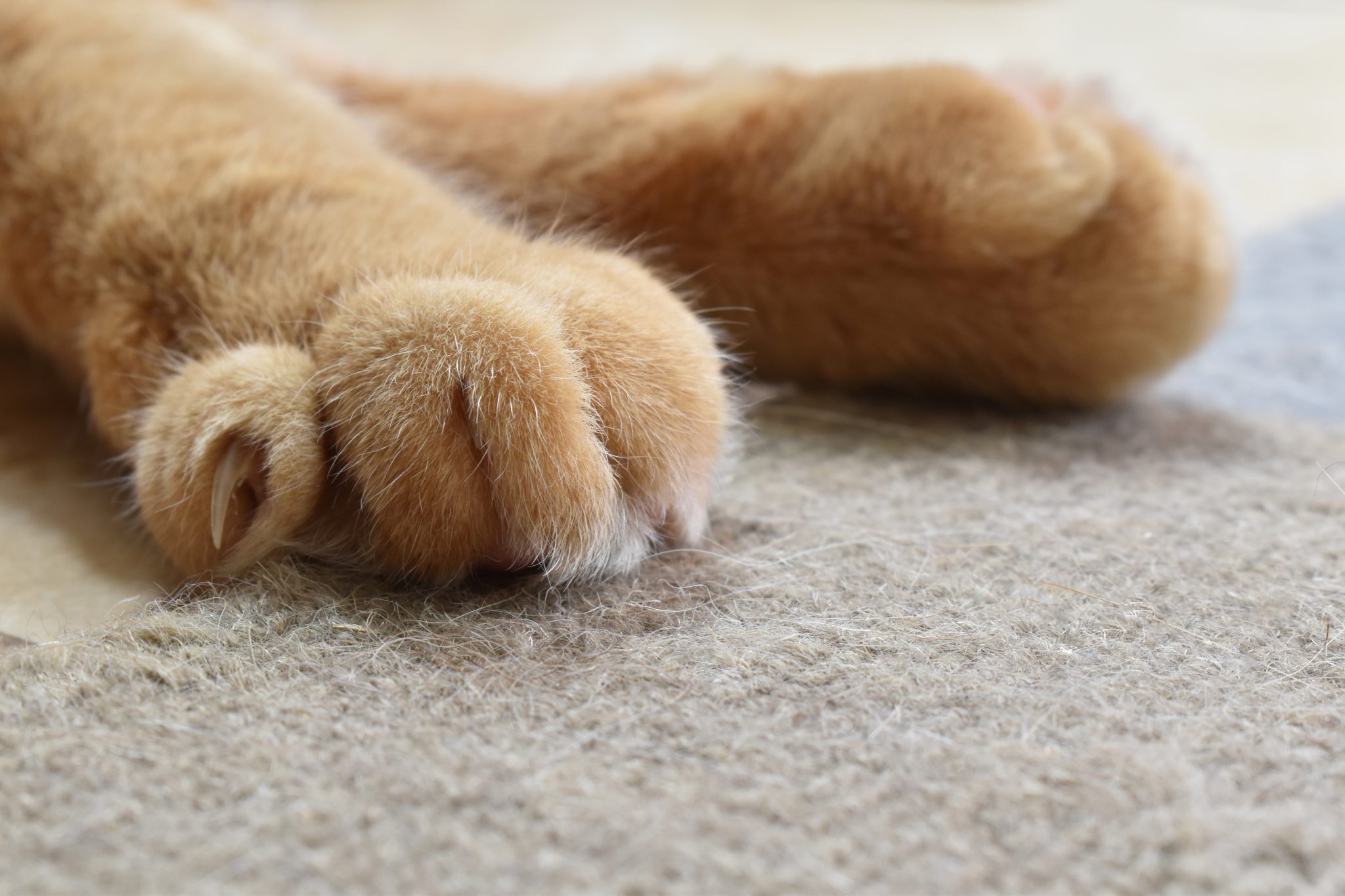
Carpal whiskers, also known as carpal vibrissae, are the specialized whiskers that cats have on their front paws. These leg whiskers are usually longer and thicker than the ones above their eyebrows or on their faces.
Though they may seem like an odd feature to have, carpal whiskers help a cat get a better sense of the ground they are walking on. They can detect minute changes in air pressure and temperature, which helps them identify any potential threats or prey that may be within their vicinity.

Are Whiskers That Important?
While whiskers might look like thicker and larger hairs, they are in fact, considered sensory organs. Whiskers are rooted deeper under the cat’s skin inside a special hair follicle filled with nerves and blood vessels. These nerves are connected to the brain’s sensory areas, making whiskers incredibly sensitive. Through the whiskers, a cat can detect even the slightest air movements or vibrations, allowing cats to pick up detailed information about their surroundings and respond accordingly.
This also makes sense from an evolutionary perspective. Whiskers are a crucial part of your cat's natural hunting and foraging abilities, enabling them to navigate their surroundings and get the most out of their environment.
The 4 Main Functions of Cat Whiskers
1. Help Cats Better Understand Their Surrounding Environment
Cat whiskers are incredibly sensitive and can pick up even the most subtle changes in air pressure. By sensing these changes, cats are better able to navigate their environment and avoid obstacles that they may not otherwise notice.
2. Improve Cats' Night Hunting Abilities
Contrary to popular belief, cats are crepuscular, meaning they're most active in the hours just before the sun goes down. They are not nocturnal, as most people would argue.
However, cats still do a lot of hunting at night, thanks to their ocular anatomy and their whiskers. The whiskers help them better sense their prey and make the necessary adjustments to get a good strike.

3. Help Cats Judge Whether They Can Fit Through Tiny Spaces
Cats can effortlessly fit through small spaces, almost defying the laws of physics, but they have their limits. The whiskers help them avoid situations where they're likely to get stuck. It helps them judge whether a space is too narrow to fit in.
4. Help Avoid Dangers to the Face and Eyes
Twigs, branches, and other objects could easily scratch or damage a cat's eyes and face. Fortunately, the whiskers act as a radar of sorts, warning the cat if they are approaching an obstacle that could cause harm.

Are Whiskers the Same as Fur?
No, whiskers are not the same as fur. They're actually extensions of the cat's skin and should be treated with care. While normal cat hair can easily be trimmed or plucked to keep your cat looking neat and tidy, you should keep your hands off their whiskers.
Clipping your cat's whiskers is not only unnecessary, but it can also heavily compromise their abilities. If your cat loves to roam outside, the absence of whiskers will make them more vulnerable to predatory attacks and make it harder to navigate their environment. Take all necessary steps to protect your cat's whiskers and keep them healthy for a lifetime.

Do Whiskers Grow Back?
Yes, cat whiskers grow back. However, if you accidentally clip your cat's whiskers too short or cause damage to the hair follicles, it can take a long time for them to grow back. While specific scientific studies detailing the exact timeline for whisker regrowth in cats are limited, it is generally observed that whiskers can take several weeks to a few months to fully regrow. This duration can vary based on factors such as the individual cat's age, health, and overall nutrition.
This is way too much time for your cat to stay in "unsafe mode." It's best to avoid clipping your cat's whiskers unless absolutely necessary. Consult with a veterinarian or a professional groomer if you're not sure how to properly care for your cat's whiskers.
Can Whiskers Communicate Your Cat's Mood?
Yes, whiskers can help communicate your cat's mood. For example, if a cat is excited or curious about something, they will often extend their whiskers forward to better sense the situation. This helps other animals know how they are feeling and respond accordingly.
If your cat is tired, anxious, or stressed, the whiskers will be pulled back against the face. This is a sign that your cat might feel scared or anxious and needs time to relax and unwind. Be sure to give them the space or reassurance they might need in these moments.

Conclusion
So yes, every cat does indeed have carpal whiskers, and they play a crucial role in helping the feline navigate their environment. If you want your cat to live an abundant and complete life, be sure to take good care of their whiskers and keep them free from damage or excessive trimming.
Be careful whenever trimming your cat's fur to avoid cutting or damaging their carpal whiskers. Talk to a vet or a professional groomer if you have any questions or concerns about caring for your cat's whiskers. In the meantime, keep doing all you can to support and protect this incredibly important part of your cat's body!
See Also:
Featured Image Credit: Maliflower73, Shutterstock

Expert cat care, straight to your inbox
Vet-reviewed advice, behavior tips, and the best of Catster. Free, and you can unsubscribe anytime.
By signing up, you agree to our Terms & Conditions and Privacy & Cookies Policy.
Christian started writing for a local newspaper as a teenager, and he's been involved in the publishing industry for most of his adult life. Combining his love of writing with a passion for animals, he is currently the Director of Editorial at Pangolia and the Editor-in-Chief at Catster.
Christian lives in the Philippines with his wife, son, and four rescue cats: Trixie, Chloe, Sparky, and Chopper.
Join the conversation
Ask a question, share your story, or send private feedback.