Are There Cats Without Whiskers? Vet Reviewed Facts & FAQ


If you're a cat lover or even a casual observer, you've probably noticed that cats have long, delicate whiskers protruding from their faces. But have you ever wondered if all cats have whiskers? The Sphynx cat and other breeds with the "hairless" gene mutation are the only ones that may not naturally have whiskers. Other breeds may be missing whiskers due to health conditions.
But why do cats have whiskers, and how do they use them? In this article, we'll learn more about why a cat may not have whiskers, as well as explore the fascinating world of cat whiskers and uncover some surprising facts about these mystical sensory organs. So, whether you're a cat owner or just curious about these furry creatures, read on to discover everything you need to know about cat whiskers.

What Exactly Are Whiskers? What Are They Used For?
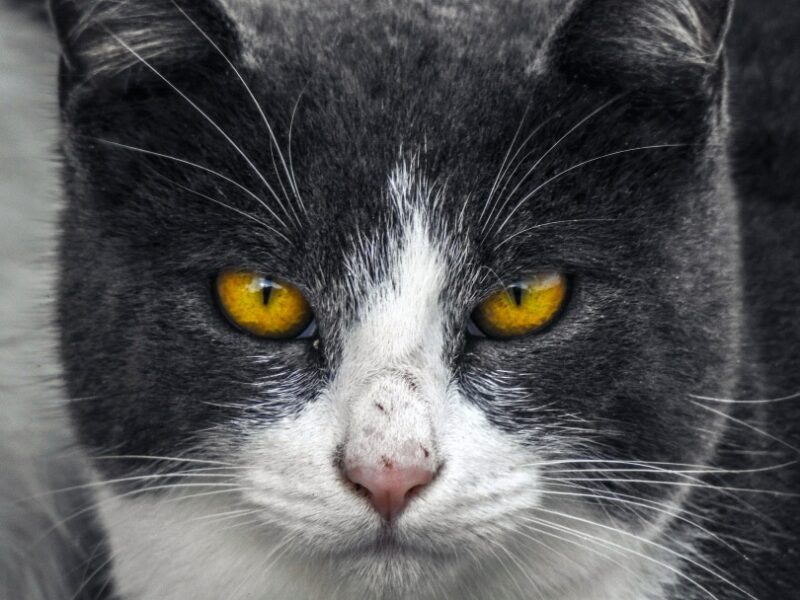
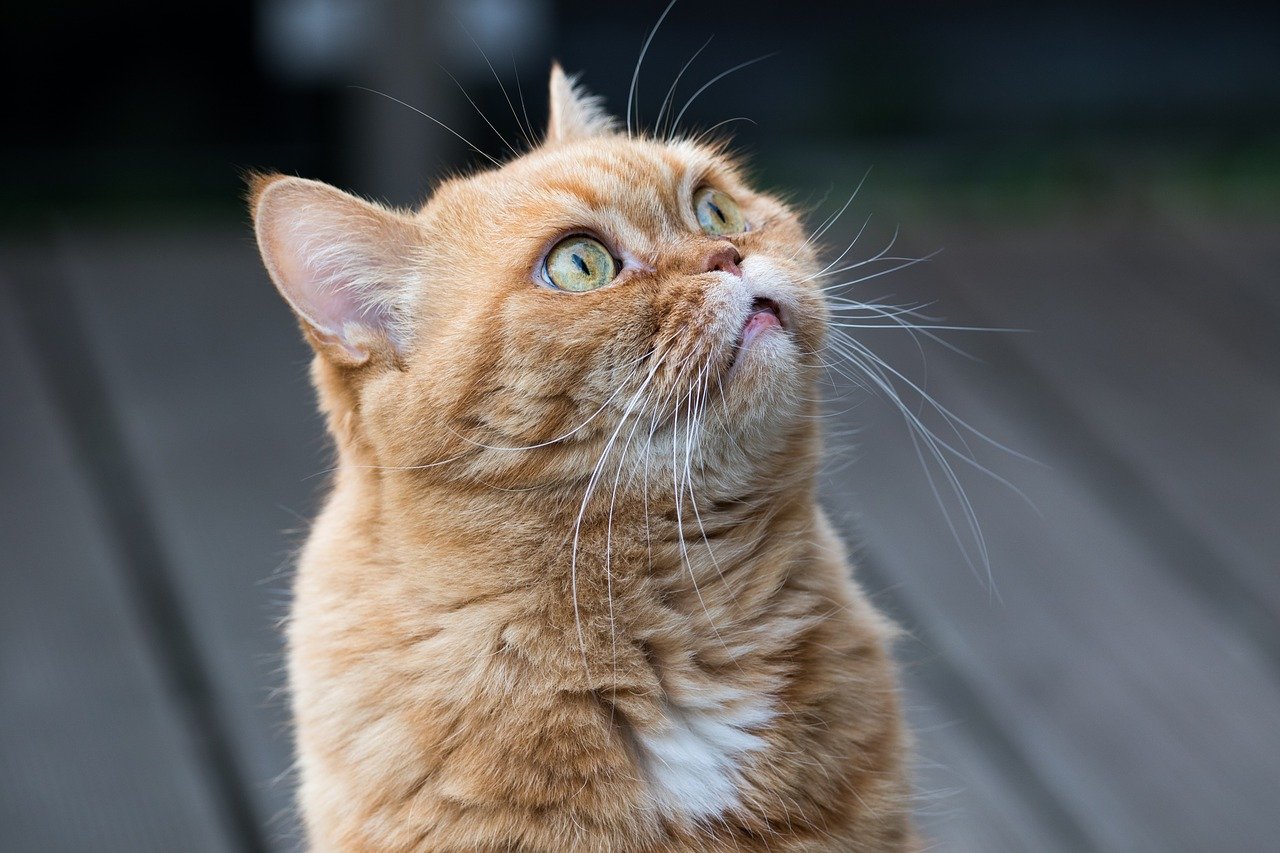
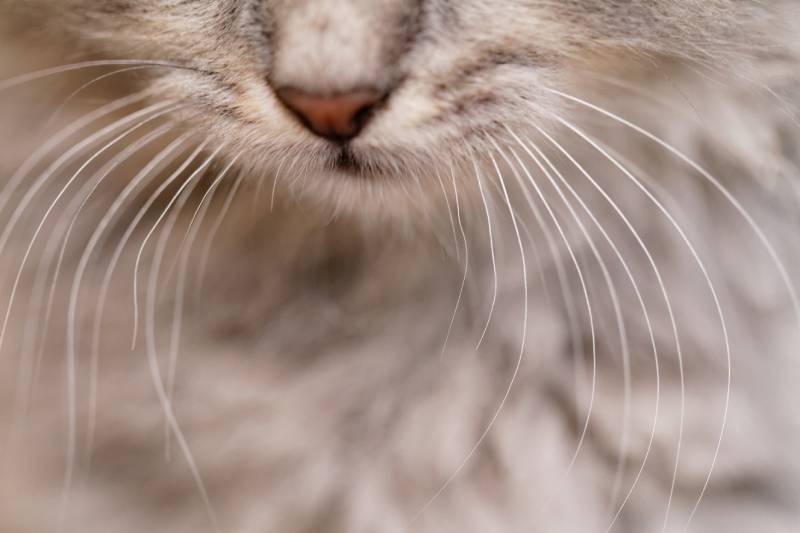
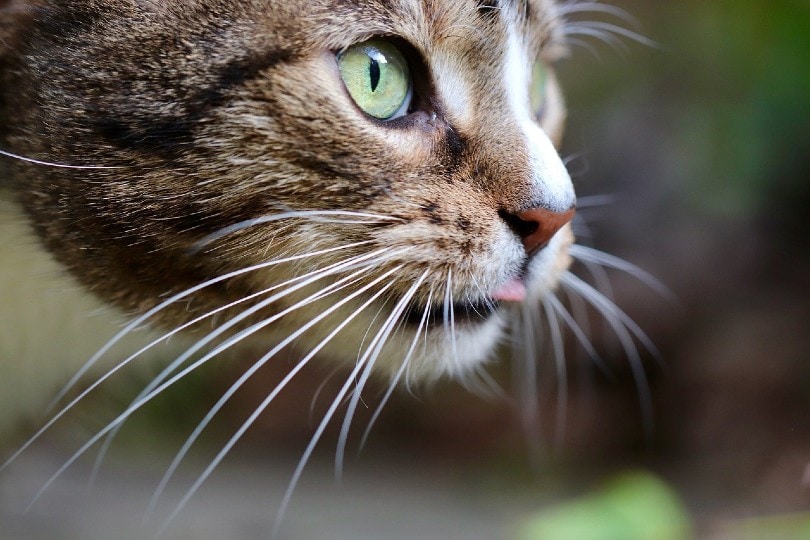
Whiskers, also known as vibrissae, are an essential part of a cat's anatomy. These long, stiff hairs located on a cat's face and above their eyes are not just for aesthetics but serve a vital purpose. Whiskers are sensory organs and help cats navigate their surroundings.1 They're incredibly sensitive and can detect changes in air currents, which helps cats to determine the location, size, and shape of objects in their environment.
Cats also use their whiskers to communicate with other cats. When a cat is feeling threatened or scared, their whiskers will be pulled back close to their face. When they are feeling relaxed and content, their whiskers will be in a normal position.
The importance of whiskers in a cat's life cannot be overstated. They play a crucial role in a cat's perception, and without them, a cat's life could be complicated. Whiskers contribute to a cat's ability to navigate, hunt, and communicate. Did you know that cats also have whiskers on the backs of their wrists?

Which Cats Don’t Have Whiskers?
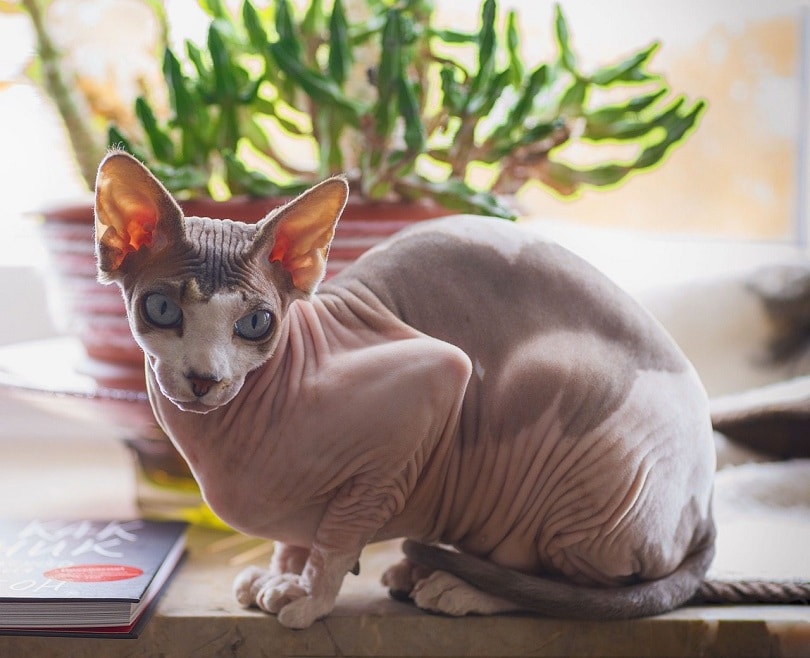
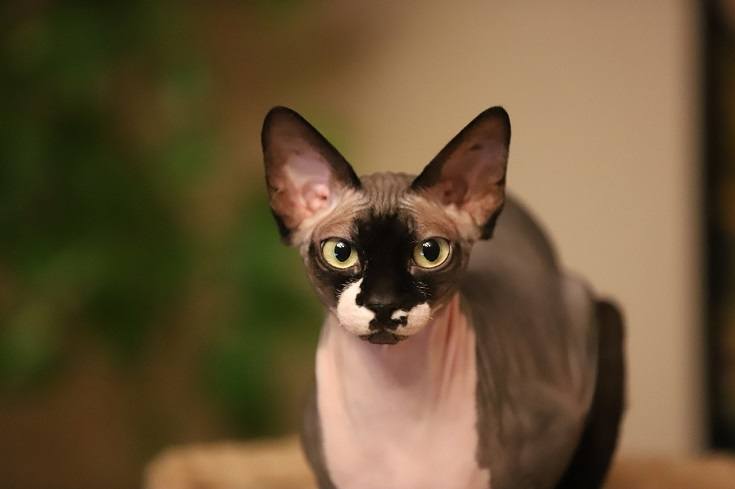
The only known cat breeds that may not naturally have whiskers are those with the hairless mutation, such as the Sphynx cat, Bambino, Dwelf, Donskoy, etc. However, not all hairless cats are whiskerless, as some may have a whole set of whiskers or only a few. Some hairless breeds may also have scattered hairs across their body.
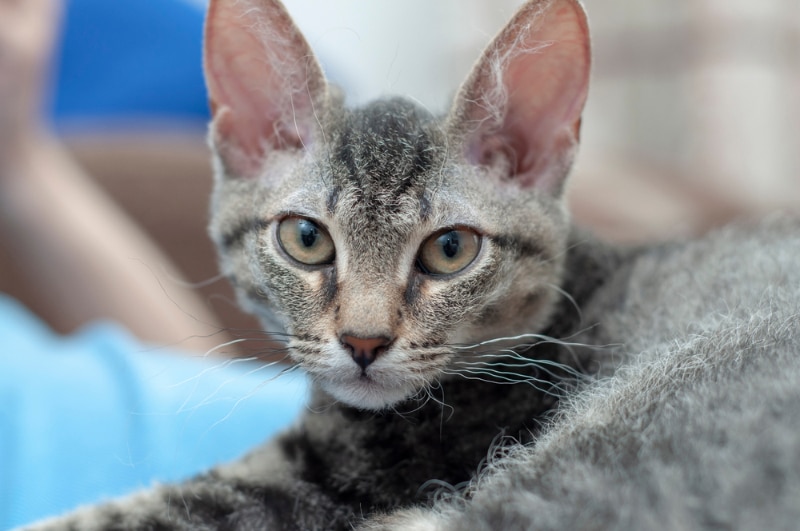
While it's true that some cat breeds may have shorter, finer, or even curlier whiskers than others, it's rare that a breed would be completely devoid of them. The Peterbald is another breed known for having short, curly whiskers or sometimes, no whiskers at all.
Cats without whiskers would be at a severe disadvantage when it comes to hunting, playing, and exploring. However, there are rare cases where other cat breeds may not have whiskers which we will discuss in a bit.

About Hairless Cat Breeds
Hairless cat breeds are characterized by their lack of fur. While many people may find this physical trait strange or even unappealing, hairless cats like the Sphynx, Bambino, and Elf are highly sought-after pets. They are naturally hairless because a mutation causes a defect in the hair bulb, making it easy to dislodge. This means they only have a small amount of scattered fur covering their bodies.
Despite their reputation as being hypoallergenic due to their lack of fur, hairless cats are actually not truly hypoallergenic (no cat is), as they still produce the dander that is typically associated with cat allergies.

The Peterbald Cat Breed
The Peterbald cat breed is a unique feline that's also known for its hairless appearance. Unlike other breeds that have a thick coat of fur, the Peterbald has little to no hair on their body. Some of these cats have a thin, fuzzy, peach-like coat, others have scattered hairs, and still others have no hair; this is also due to a genetic mutation.
The Peterbald breed was first developed in Russia in the 1990s by breeding a Don Sphynx with an Oriental Shorthair. The result was a litter of kittens that were born with the trait. These were the foundation of the Peterbald breed

Other Reasons Cats May Not Have Any Visible Whiskers
Besides the two mentioned breeds that may have scarce whiskers or none at all, there are other reasons that individual cats may not have whiskers. They may lose whiskers over time or be born without them completely. Let’s look at a few reasons why this may be the case.
Genetic Mutation
One of the reasons why some cats don't have whiskers is due to a genetic mutation. Just like humans have unique physical traits, cats also have specific genetic characteristics that make them distinct from one another. In some cases, cats may inherit a genetic mutation that affects the development or maintenance of their whiskers. This can result in a lack of whiskers or unusual whisker growth patterns.

Injury or Disease
Another reason why some cats may not have whiskers is due to injury or disease. Cats rely on their whiskers for balance and spatial awareness. If a cat experiences trauma to their rostrum, it could damage their whiskers and cause them to fall out or grow back abnormally. Additionally, certain diseases or medical conditions can cause whisker loss in cats, such as bacterial or fungal infections and extreme cases of feline acne.
Despite the importance of whiskers for cats, it's not necessarily a cause for concern if your feline friend is missing some or all of their whiskers. Cats are adaptable creatures and can compensate for the loss of whiskers through other senses, such as their hearing and vision.
However, if you notice that your cat's whiskers have fallen out or are growing back abnormally, it's always a good idea to consult with a vet to rule out any underlying health issues.
The 3 Myths About Cats Without Whiskers
1. Cats Without Whiskers Don't Have Balance
- One of the most common myths about cats without whiskers is that they don't have good balance. This myth has been perpetuated for years, leading many to believe that cats without whiskers are unable to walk on narrow ledges or climb trees. However, this is not entirely true.
Reality: Cats Without Whiskers Can Still Balance

2. Cats Without Whiskers Can't Hunt
- Another common myth surrounding cats without whiskers is that they cannot hunt. It's believed that cats use their whiskers to detect the location of their prey and pounce on them. However, this myth is not entirely accurate.
Reality: Cats Without Whiskers Can Still Hunt
3. Cats Without Whiskers Are Sick or Malnourished
- There is a common misconception that cats without whiskers are sick or malnourished. Some people believe that cats without whiskers are a rare breed or that they have been genetically modified. However, this is not accurate.
Reality: Cats Without Whiskers Can Be Healthy

Wrapping Things Up
So, to sum things up, most cats do have whiskers that operate as sensory organs. However, there are a couple of cat breeds such as the Sphynx and Peterbald that are known for having no whiskers or very little. Cats can also lose their whiskers due to injury or infection, but usually, they grow back. Cats without whiskers can still live healthy and happy lives. Whiskers may play a crucial role in a cat's life, but they're not the only sense that cats rely on to navigate their environment.
Featured Image Credit: Annette Meyer, Pixabay

Expert cat care, straight to your inbox
Vet-reviewed advice, behavior tips, and the best of Catster. Free, and you can unsubscribe anytime.
By signing up, you agree to our Terms & Conditions and Privacy & Cookies Policy.
Christian started writing for a local newspaper as a teenager, and he's been involved in the publishing industry for most of his adult life. Combining his love of writing with a passion for animals, he is currently the Director of Editorial at Pangolia and the Editor-in-Chief at Catster.
Christian lives in the Philippines with his wife, son, and four rescue cats: Trixie, Chloe, Sparky, and Chopper.
Join the conversation
Ask a question, share your story, or send private feedback.