Lap Grooming Explained: 4 Vet-Verified Reasons Cats Do It


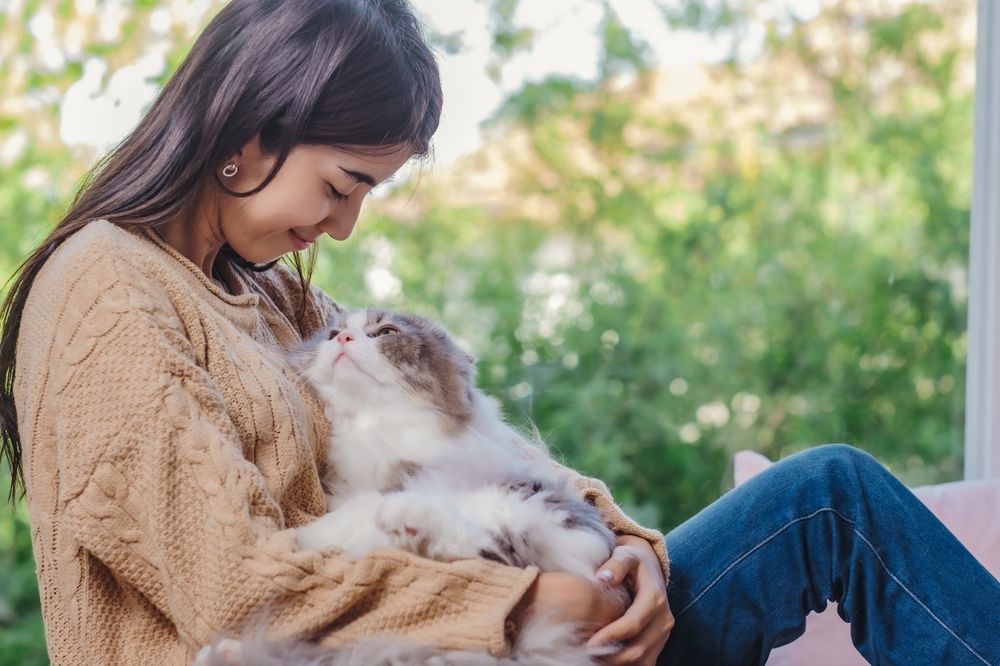
Cats are full of surprises. Just when you think you’ve figured them out, they do something that makes you tilt your head in confusion. Like grooming themselves while curled up in your lap.
At first, you might think your cat is ignoring you, or worse, that something is wrong. The truth? Lap grooming can have several explanations, from comfort and bonding to subtle signs of discomfort. Understanding why your feline friend behaves this way can help you strengthen your bond and ensure she’s happy and healthy.
So, let’s explore the four main reasons your cat might clean herself while sitting on you and when it might be time to take a closer look.

The 4 Main Reasons Your Cat Cleans Themself on You
1. You’re Simply Comfortable
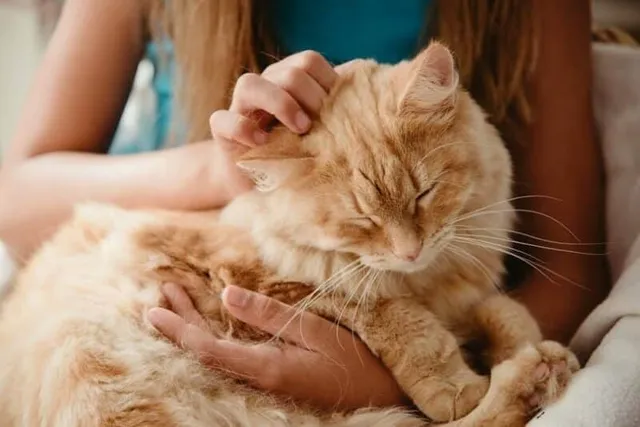
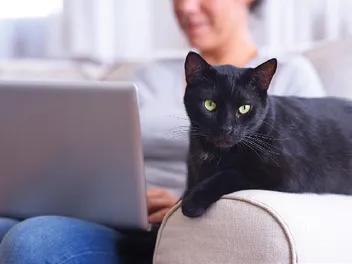
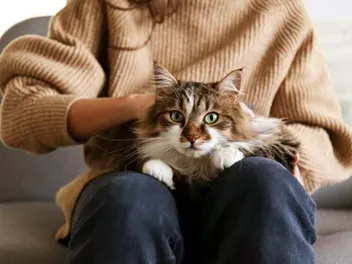
It might sound obvious, but your lap could be your cat’s favorite grooming spot. Cats often groom wherever they feel safe and relaxed, and your lap checks both boxes.
This doesn’t mean your cat is ignoring you. Grooming is a self-soothing activity that most felines enjoy, and sometimes they combine it with cuddles. Many cats don’t plan to groom right away. They start with snuggles, get comfortable, and gradually move on to cleaning themselves.
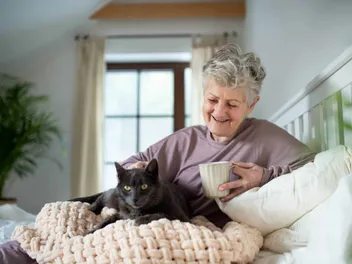
Think of it like this: you might grab a blanket and scroll through your phone, and then sip a cup of tea because you’re cozy. Cats are doing the same thing, just with a little more licking.

2. Grooming Feels Good
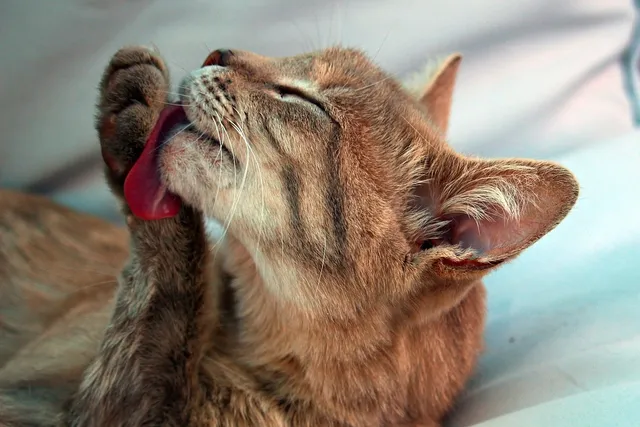
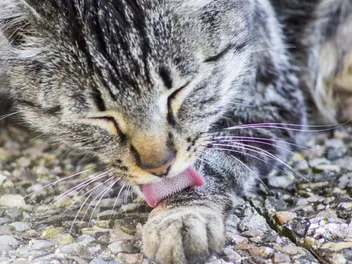
Grooming isn’t just about hygiene — it feels great! When your cat grooms, their brain releases endorphins, the natural “feel-good” chemicals that boost their mood. Grooming in your lap can enhance this effect, especially if she’s already relaxed from petting or cuddling.
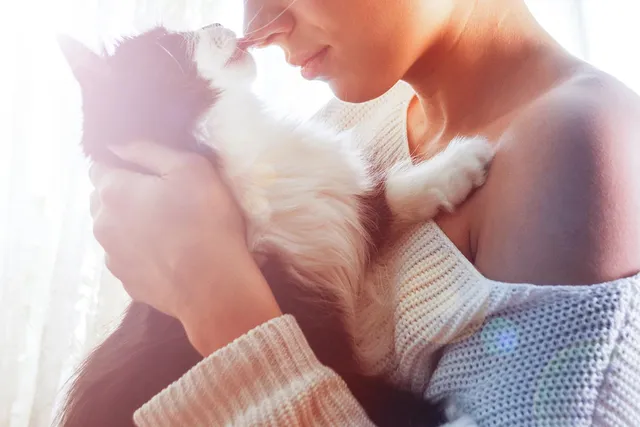
Some experts note that oxytocin, the “bonding hormone,” is also released during these sessions. This may encourage her to keep licking. In short: grooming in your lap can be her way of saying, “I’m comfy, I’m happy, and I like being with you.”
It’s like a mini spa session for your cat - right on your lap. And really, who wouldn’t enjoy a little personal pampering while spending time with someone they trust?
3. It’s a Bonding Behavior
In the wild, cats groom each other to create a shared scent and strengthen social bonds. This behavior, called allogrooming, is deeply ingrained in feline instincts.
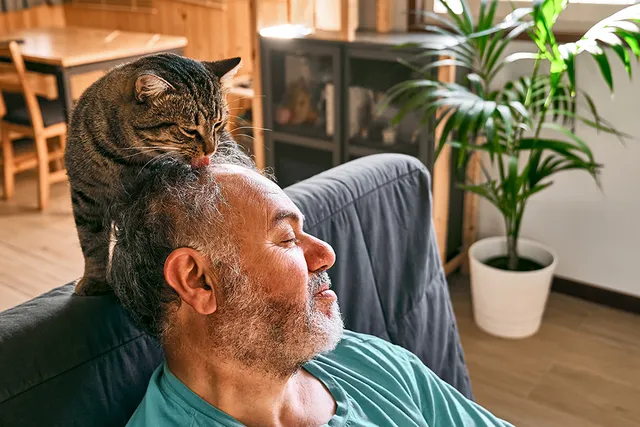
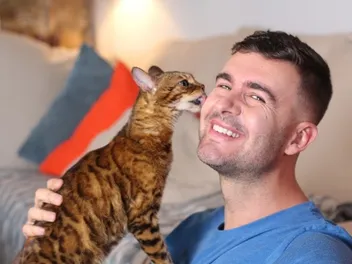
While your cat can’t groom you the same way she would another cat, the instinct remains. Sometimes she might try a few licks on your hand or arm, realize humans aren’t furry enough, and continue grooming herself instead. Even if it looks like she’s just cleaning, she’s still sharing a bonding moment with you.
You might even notice a subtle “ritual” developing: she settles onto your lap, gives you a few gentle licks, and then focuses on grooming. That’s her way of including you in her personal time, even if humans aren’t exactly built for self-grooming exchanges.

4. They Could Be in Pain
While most lap grooming is harmless, it’s important to remember that grooming also serves as a natural stress and pain reliever. Grooming releases endorphins that help soothe discomfort, so cats often lick themselves more when they’re anxious or in pain.
Cats are masters at hiding discomfort, so even if your cat appears perfectly healthy, sudden or excessive grooming might be her way of managing hidden pain or anxiety.
Keep an eye out for warning signs like sudden changes in grooming habits, bald spots, or small sores. If any of these appear, a vet visit is a smart precaution. Addressing problems early can help prevent unnecessary suffering and ensure your furry friend stays comfortable.
When to Worry About Lap Grooming
Most lap-grooming behavior is perfectly normal, but there are situations where you should pay attention:
- Overgrooming: If your cat pulls out fur, leaves sores, or excessively licks one spot, this can indicate stress, allergies, or an underlying health issue.
- Sudden Changes: A new grooming habit in unusual spots can be an early warning sign that something is wrong.
If you notice either of these signs, or if you’re simply unsure, schedule a vet visit. Early detection can prevent problems from escalating and keep your cat healthy and happy.

How to Manage or Prevent Lap Grooming
Often, there’s no need to stop this behavior. Lap grooming is normal and usually a sign that your cat enjoys your company.
If you’d like to limit it, try these gentle strategies:
- Distract them: Introduce a toy or play session to redirect attention.
- End the cuddle session: Consistently remove her from your lap when she starts grooming. Over time, she’ll learn the new boundaries.
Consistency is key, but remember, some cats are creatures of comfort. If your lap is cozy, she might always sneak in a grooming session!
Conclusion
Cats groom on your lap for many reasons: comfort, happiness, bonding, and sometimes even to soothe discomfort. Most of the time, it’s perfectly normal and shows she trusts you completely.
Still, sudden changes or excessive grooming can indicate underlying issues. By observing your cat closely and staying aware of her habits, you can ensure every cuddle session is safe, cozy, and stress-free for both of you.
Embrace the lap-grooming moments. They’re a sign your cat feels at home with you. And if you ever notice unusual changes, remember: a quick vet visit can make all the difference.
Feature Image Credit: Wanwajee Weeraphukdee, Shutterstock
Did You Know?
- Our brand-new posts are rounded up and included in our weekly emails. Don't miss out on the latest - sign up for our newsletter below!
Expert cat care, straight to your inbox
News, insights, and useful advice, delivered to you.

No spam — unsubscribe anytime.
By signing up, you agree to our Terms & Conditions and Privacy & Cookies Policy.
How useful was this post?
Click a star to rate. You can leave written feedback afterwards. (We read all feedback.)
Dan has been working in the pet world for over 4 years covering cats, dogs, and all other pets in between. He loves helping pet parents keep their companions happy, healthy, and of course, totally spoiled! Originally from London, Dan now travels and works remotely, which unfortunately means no pets at home, but it gives him plenty of opportunities to fuss over other people's furry friends.