Is Cat Pee Toxic or Can It Make You Sick? Vet Verified Health Facts & FAQ


In this article
Before bringing a cat into your home, there are several factors to consider. Not only should you be confident that you can care for a cat, but you should also be assured that a cat is the right fit for you. If you have allergies, a cat may not be right for you.
With this in mind, there are other health concerns to consider. For instance, can cat pee make you sick? Is cat pee toxic? While cat urine may make a person sick, it isn’t likely. Cat urine contains ammonia, and in large quantities, a person may become unwell when exposed to it. It can also contain bacteria and allergens, which can be harmful to people.
So, how do you know if you’re being affected by your cat’s urine? How can you prevent that from happening? Below, we’ll discuss ammonia exposure from cat urine, as well as allergies and infection risks.

What Is Ammonia?
Ammonia is a colorless gas, it is a corrosive nitrogen and hydrogen compound with a sharp odor. If enough ammonia comes into contact with your eyes, throat, or lungs, you can experience serious issues.

How Can You Be Exposed to Ammonia?
While there is ammonia in cat urine, there typically isn’t enough to bother a healthy person. Humans and other animals also release ammonia in their urine, so it isn’t a feature unique to cats. People who live on or near farms or sewage treatment plants may see higher ammonia levels in their environment due to the greater amount of animal or human urine in their area.
Ammonia is used in many products, including household cleaners, fertilizers, fuels, and refrigeration units. Basically, there are plenty of ways to be exposed to ammonia, and few of them involve your cat.
However, it's not impossible. If your cat’s litter box is not cleaned well and their urine accumulates, ammonia gas can increase.
Avoiding Exposure to Ammonia
Possible ammonia exposures exist all around you. How do you avoid them?
First, you should never mix household cleaners. A mixture of household cleaners can rapidly release dangerous amounts of ammonia gas. If household cleaners are accidentally mixed, do not try to clean them or dispose of them. Instead, leave the room, shut the door, evacuate all humans and pets from the home, and call emergency services.
Another way to avoid dangerous levels of ammonia is to keep all ammonia-based products away from children or pets. If the items are insecurely stored, they can be easily spilled and may create hazardous amounts of gas.
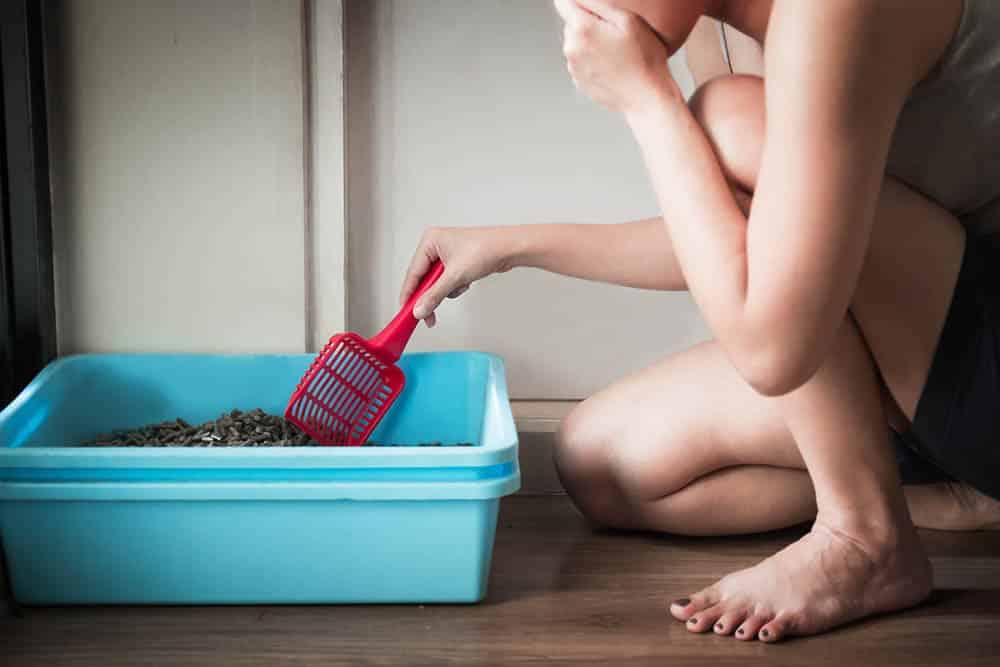
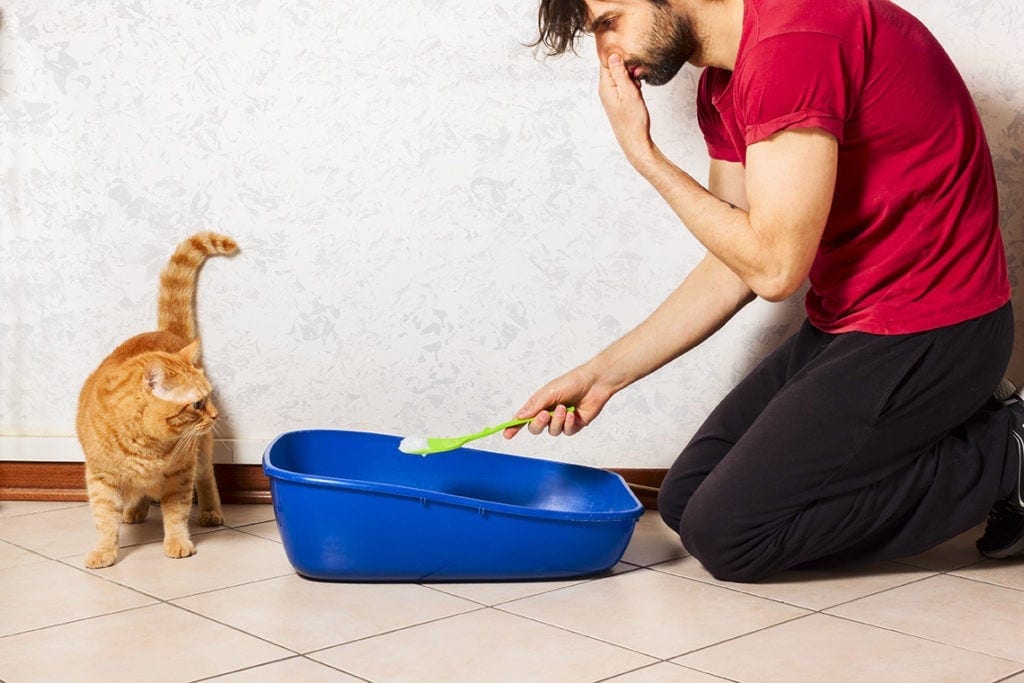
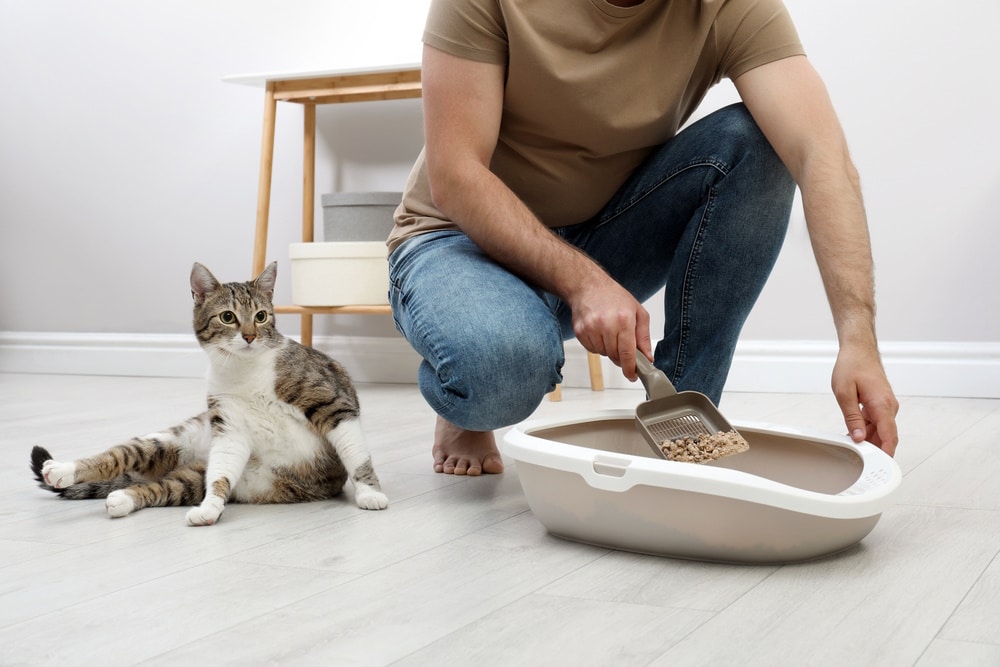
To avoid ammonia exposure from your cat, clean the litter box daily. Thoroughly clean it to ensure that all clumps of urine are removed. You should also dump and replace your cat’s litter and clean the litter box regularly.
What Are the Side Effects of Breathing Cat Urine Ammonia?
The normal amounts of ammonia in your cat’s urine typically won’t bother a healthy person. The Centers for Disease Control and Prevention (CDC) states that no health effects have been found in humans exposed to typical environmental concentrations of ammonia. People with asthma or other respiratory conditions may be more sensitive. If you are prone to breathing issues and your cat’s urine bothers you, consult with your doctor.
Exposure to high levels of ammonia can be irritating to the eyes, throat, lungs and skin. In severe cases, a person can suffer from lung damage and even death, but it usually only happens after prolonged exposure to extremely high levels of ammonia. Your cat cannot produce that much ammonia, even if the litter box is not well-maintained.

Allergies
For people with cat allergies, the protein Fel d 1 protein is the main allergen that causes the allergic reaction. Fel d 1 is mostly found in the saliva and skin (sebaceous glands) of cats. It is spread throughout their hair and skin during grooming, and then dispersed on dander and shed hair around the home. Fel d 1 can also be present in cat urine. So although it is not usually a significant concern, it is a potential source of allergens for people with cat allergies.
Infection risk
Cat feces generally pose more of an infection risk to humans than urine, but cat pee may be contaminated by feces in the litter box and may itself contain harmful bacteria. For example the bacteria Escherichia coli can be a cause of feline urinary tract infections, humans can also suffer from infections from this bacteria.
Leptospirosis is also a zoonotic disease, meaning that it can also be transmitted to humans. The bacteria that cause it are spread in the urine of infected animals. Research on leptospirosis in cats is limited and, although rare, it has been demonstrated that cats can be susceptible to infection.
How to Prevent Your Cat’s Urine from Affecting Your Health
Your cat’s urine shouldn’t affect your health as long as their litter box is cleaned and changed regularly. Without a significant accumulation of urine, there isn’t a chance for high ammonia levels to develop.
How often you need to change the litter and thoroughly clean the litter box will depend on how many cats you have, the type of litter and number of litter boxes, but you should scoop the litter box once or twice a day. Wear gloves when cleaning the litter box, especially if pregnant or immunocompromised (or ideally get someone else to do the job). Thoroughly wash your hands afterwards.
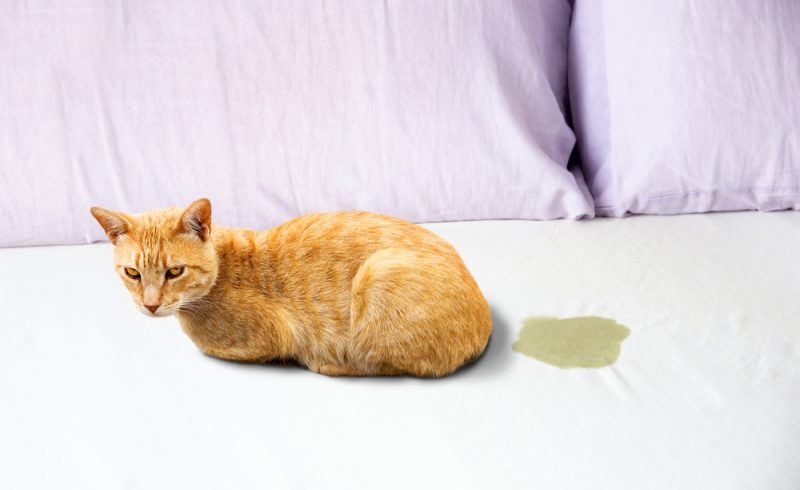
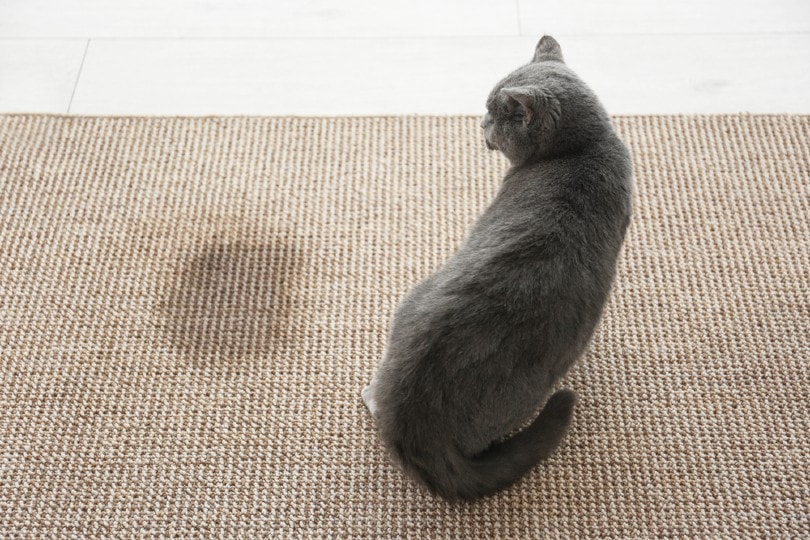
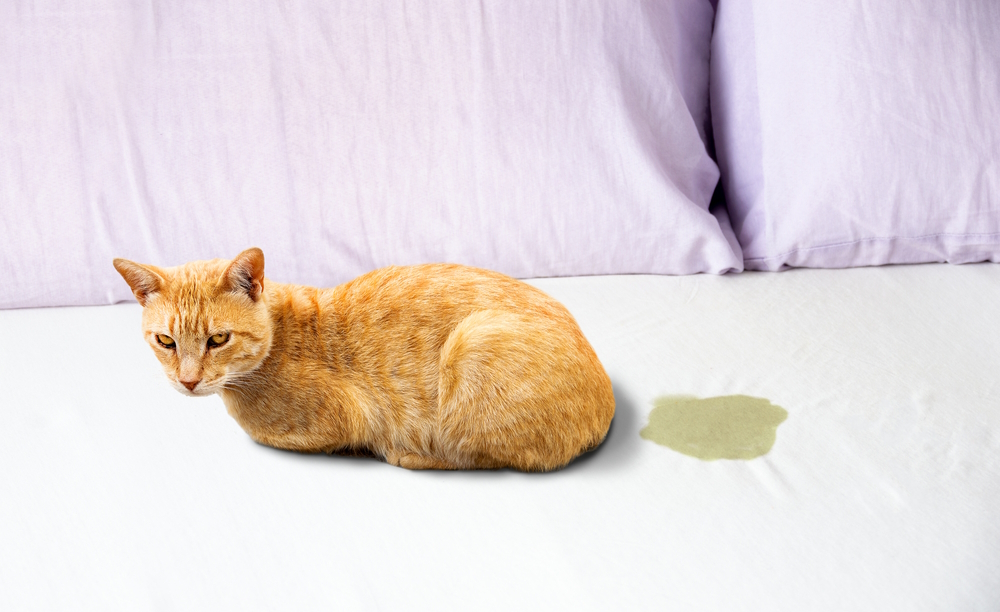
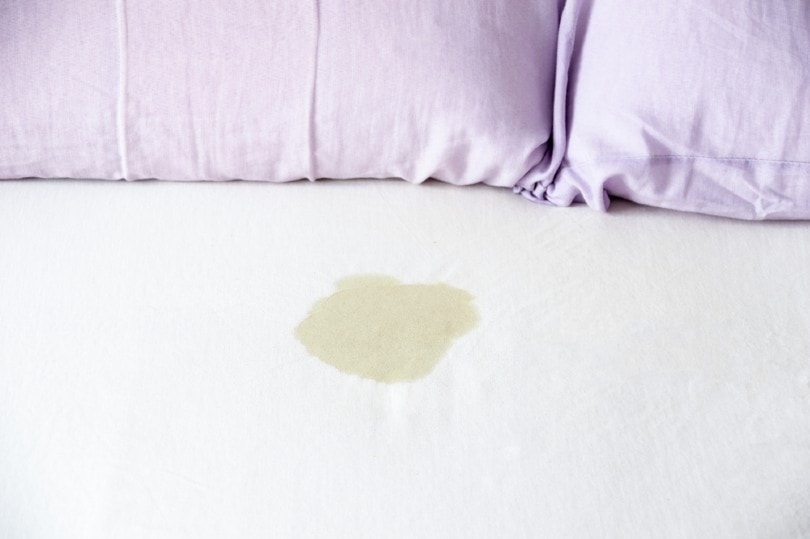
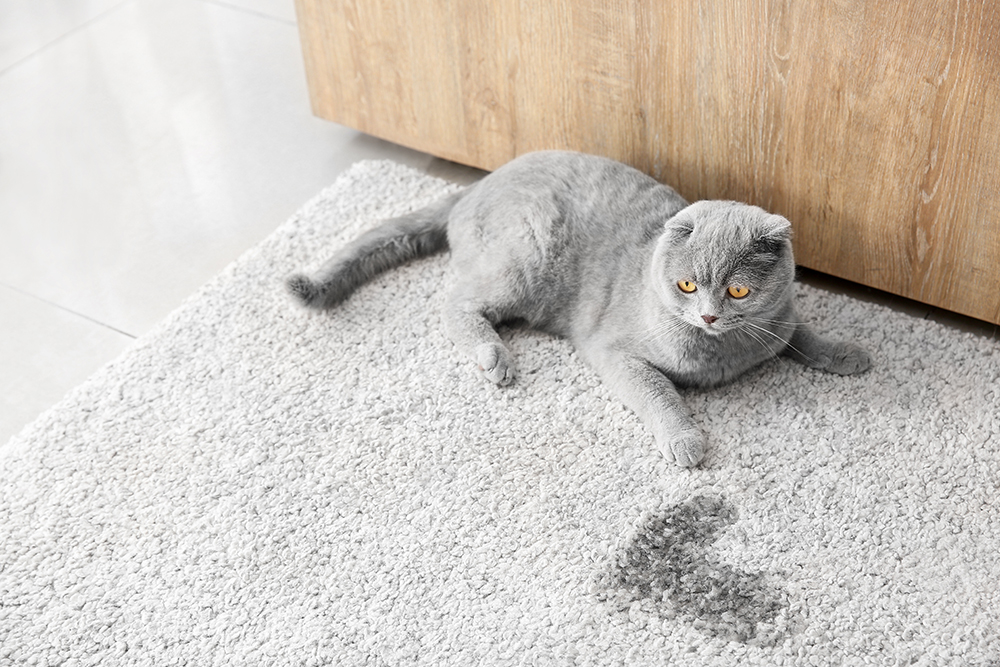
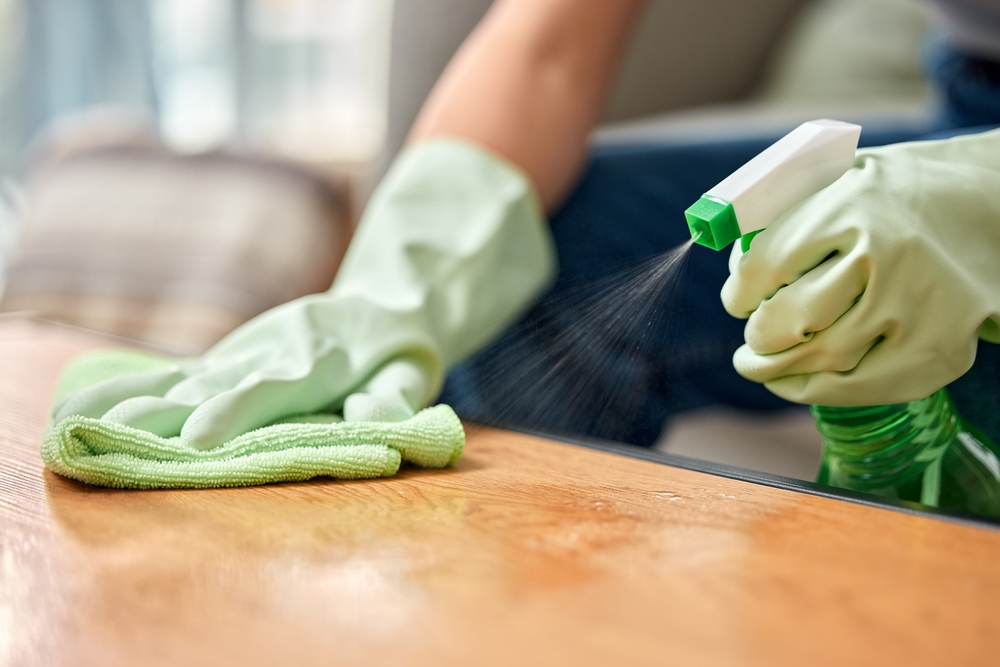
If your cat has an accident outside of their litter box, clean it promptly and properly. Cleaning the spot with an enzyme-based cleaner can effectively break down the odor. If the area isn’t cleaned well, your cat may return to it later and pee again, adding to the urine buildup. When cleaning up an accident, avoid using ammonia-based cleaners. The cleaners can encourage your cat to return and urinate there again.
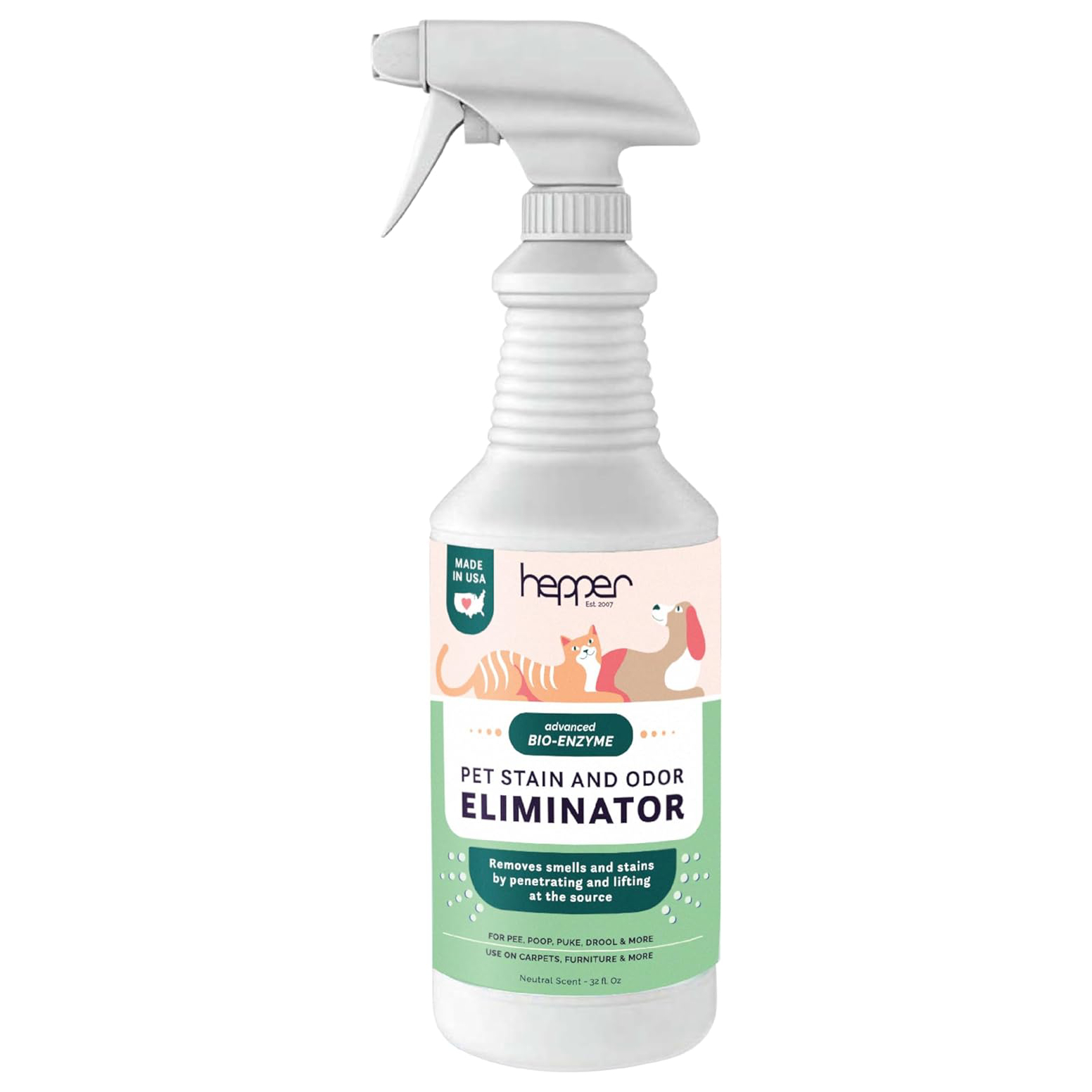
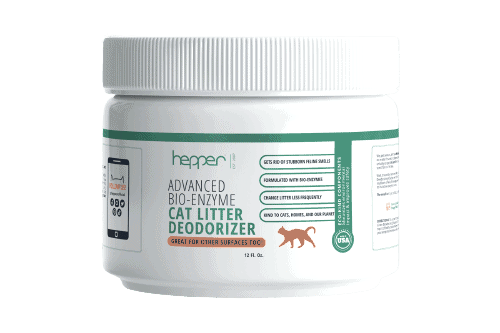
Cleaning up after our pets is not the most enjoyable part of owning them. Despite keeping a clean litterbox, cat odors and stains may still exist around the house. Sometimes, even the best litter box setup needs extra help. If you're tired of dealing with bad smells from litter boxes, Hepper Advanced Bio-Enzyme Pet Stain & Odor Eliminator Spray can help with the worst pet stains and smells. Additionally, the Advanced Bio-Enzyme Cat Litter Deodorizer neutralizes odors upon contact.
Our Favorite Products
| Image | Product | Details | |
|---|---|---|---|
|
Hepper Advanced Bio-Enzyme Pet Stain & Odor Eliminator Spray |
|
Check Price |
|
Advanced Bio-Enzyme Cat Litter Deodorizer |
|
Check Price |
At Catster, we’ve admired Hepper for many years and decided to take a controlling ownership interest so that we could benefit from the outstanding designs of this cool cat company!
If you feel that your health is still being affected despite good litter box cleaning habits, talk to your doctor and your vet. It could be a sign that you or your cat are experiencing a medical issue.
Final Thoughts
Is cat urine toxic? Cat urine can irritate your eyes and respiratory system if high levels of ammonia have built up, but it usually isn’t an issue for households with well-maintained litter boxes. Cat owners with allergies or other health issues may be more sensitive to cat urine and should minimize their exposure by asking someone else to clean the litter box. If your cat’s urine suddenly produces a stronger odor, make an appointment with your vet to determine whether they’re suffering from a health condition.
Featured Image Credit: New Africa, Shutterstock

Expert cat care, straight to your inbox
Vet-reviewed advice, behavior tips, and the best of Catster. Free, and you can unsubscribe anytime.
By signing up, you agree to our Terms & Conditions and Privacy & Cookies Policy.
Cats are Jordyn’s passion. Whenever she has the opportunity she loves to learn about animals and share her knowledge with everyone. She is devoted to her sassy tabby cat named Jack and works hard to buy him his favorite treats and toys. Discovering new ways to better care for her cat is always on her to-do list, and she is eager to help pet parents everywhere. In Jordyn's spare time, she loves to write, read, and take long walks. She has a creative spirit, which often helps her to come up with funny cat names.
Join the conversation
Ask a question, share your story, or send private feedback.