How to Tell If My Cat has a Fever: 10 Vet-Reviewed Signs


In this article
For us, it’s easy to tell if we have a fever by feeling our foreheads or using a thermometer. Unfortunately, it’s not as simple as a pet parent when you think your cat is sick and might have a fever. It’s also important to note that the average temperature in cats isn’t the same as the normal temperature in humans. A cat’s normal temperature runs between 100.4 to 102.5 degrees Fahrenheit.
So, how can you tell when a cat has a fever? There are a few likely signs to watch for. In the guide below, we’ll discuss them and what you can do to reduce the fever.

When to Seek Vet Advice
If you suspect your cat is suffering from a fever or any sickness for a prolonged period, are concerned for their wellbeing, or simply want to discuss their health, you should contact a vet directly for an assessment. They can provide you with more information, advice, and a care plan.
How to Tell If Your Cat Has A Fever
1. Lack of Interest in Playing/Normal Behavior
One of the most common signs that your cat is sick and has a fever is a lack of interest in playing or participating in everyday activities. If your cat’s behavior changes drastically, they could be sick, have a fever, and need to be seen by a vet.
While there are many reasons a cat might not be acting normal, this is one of the signs to be on the lookout for if you’re concerned that your cat might have a fever.
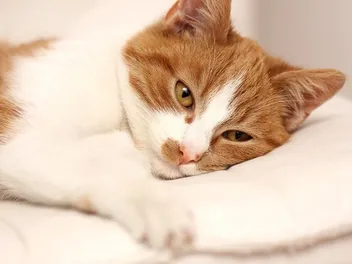
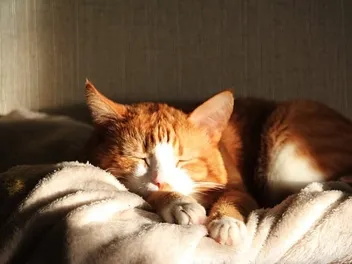
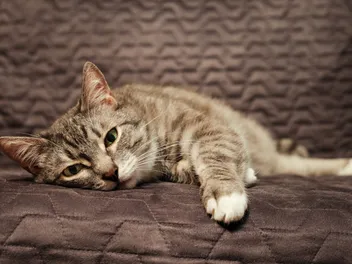
2. Lethargy
As with humans, a fever is your cat’s body's way of fighting off an infection. Whether the infection is viral or bacterial, the body fights it by raising the cat’s internal body temperature by activating their immune system.
Having no energy and being lethargic are very common side effects of having a fever and are among the main signs that your cat has one and might need to see a vet as soon as possible.

3. Lack of Appetite
While a lack of appetite is a sign of several conditions, it is a common sign of a fever. If you find that your cat is refusing food, it’s best to make an appointment with your vet for a diagnosis and to get to the root of the problem.
Cats sometimes have days where they don’t eat as much as on other days. However, if they refuse the food they usually love, it could be a cause concern.
4. Hiding or Staying Away from Others
As a pet parent, you already know that cats are, by nature, programmed to survive. So when they get sick, they go off on their own or hide from others so as not to be vulnerable to attack.
In the wild, cats are vulnerable to attack from larger predators when they are sick. If your cat is feeling bad, they may hide away from others until they're feeling well again.

5. Grooming Decreases
Cats are very meticulous and clean animals, and if your cat stops grooming, something is wrong. Healthy cats can be seen grooming themselves quite often.
If you notice your cat isn’t grooming, make an appointment with your vet to diagnose a possible underlying condition. Cats don’t stop grooming themselves for no reason, and a fever will make them feel bad enough that they don’t feel like it.
6. Breathing Rapidly
A cat that is breathing rapidly is a cause for concern, and you need to contact your vet for an appointment right away. The same goes for panting. If your cat is panting or breathing rapidly, they could have a fever or an underlying condition requiring quick medical attention.
If you can’t get in touch with your vet right away, it’s best to take your cat to the emergency vet clinic instead, especially if your cat is mouth-breathing.

7. Shivering & Chills
Like humans, a cat that is shivering or has chills likely has a fever. It is a telltale sign that your cat is sick, and you need to take them to the veterinary clinic.
8. Rapid Heart Rate
A rapid heart rate and rapid breathing go hand in hand with a cat having a fever. A cat’s resting heart rate isn’t the same as a human's; their heart rate should be between 120 to 160 beats a minute.
A fever can cause their heart rate to increase. If your cat’s resting heart rate gets to 240 beats a minute, it’s time to get them to an emergency vet immediately.

9. Drinking Less Often
Drinking water is as essential to a cat’s health as it is to a human. A fever can cause your cat to not only lose their appetite but to drink less often as well. Dehydration can easily and quickly set in, which can be dangerous for your pet.
Keep a close eye on your feline, and if they seem to be drinking fewer fluids, it’s time to contact a vet.
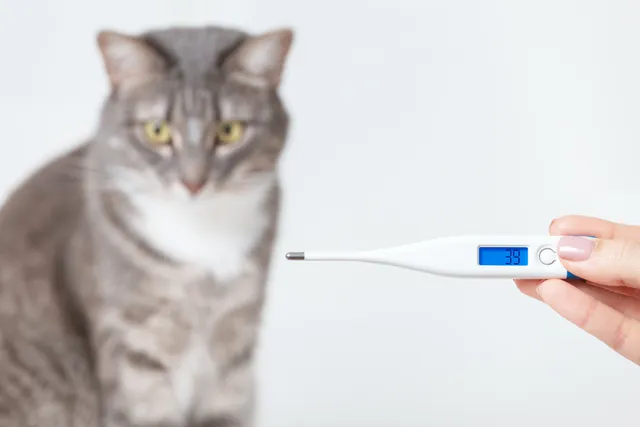
10. Temperature is 102.5 Degrees or Higher

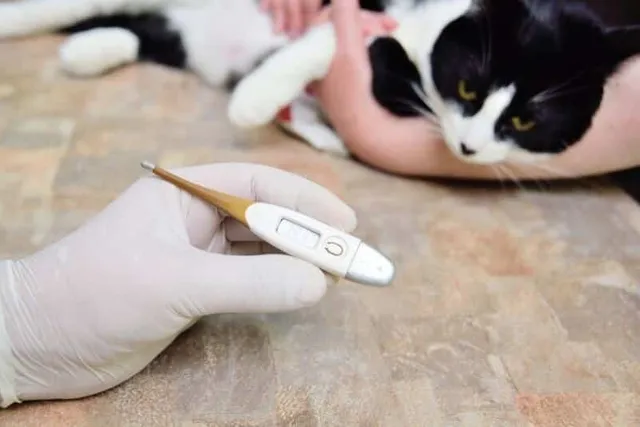
One sign that your cat is sick with a fever is if the thermometer reads 102.5 degrees or higher when you check their temperature. A pediatric thermometer is the easiest way to check your cat’s temperature. The temperature should be taken in the rectum. If the cat’s temperature reaches over 106 degrees Fahrenheit, you must seek help immediately, as your cat’s organs can start shutting down at this high temperature.
These are just a few of the signs you’ll likely see if your cat has a temperature. In our guide below, we’ll give you a few causes of fevers in cats and a little bit on how to care for your feline friend as they recover.
Causes of Fever in Cats
There are a few different reasons your cat might be suffering from a fever.
We’ll list a few of them for you below:
- Viral infections
- Bacterial infections
- Toxins or poisoning
- Cancers or tumors
- Injuries
- A metabolic disorder
- Fungal infections
- Parasites
- Environmental causes
- Autoimmune disorders
These are the main causes of cat fevers. If you suspect your cat is suffering from a fever, you should contact your vet directly for an assessment. They can provide you with more information and a care plan.
How to Care for a Cat with a Fever
You should never give your cat medication for a fever. Cats don’t need to take human medicine since it can make them even sicker. In fact, you should never give medication to your pet without getting your vet’s approval.
If you discover or suspect that your cat has a fever, your vet will help you devise a treatment plan, including making sure that your cat doesn’t become dehydrated while it’s sick.
After the vet visit, the best thing you can do for your furry friend is to pamper them, let them sleep, and patiently wait for them to get better. Love also helps, so don’t forget to give your cat plenty as they recover!
Conclusion
This concludes our guide on how to tell if your cat has a fever. Remember, if your cat does have a fever, there could be several causes for the underlying illness they might have. It’s best to contact your vet to determine what the problem is and to get a treatment plan that works and will have your little feline friend feeling better in no time at all.
Related Reads:
Featured Image Credit: Suthin Saenontad, Shutterstock
Expert cat care, straight to your inbox
News, insights, and useful advice, delivered to you.

No spam — unsubscribe anytime.
By signing up, you agree to our Terms & Conditions and Privacy & Cookies Policy.
How useful was this post?
Click a star to rate. You can leave written feedback afterwards. (We read all feedback.)
Patricia is a pet writer and lifelong animal lover. She has two cats (Binx and Link) and one dog (Mystery). Binx was found as a kitten under her house and has been part of the family ever since! Patricia is also a published author under the pen name Skylar McKinzie. When she isn’t writing, Patricia enjoys volunteering at her local animal rescue.