How to Keep My Cat from Using the Dog Door: 10 Vet-Verified Tips & Tricks


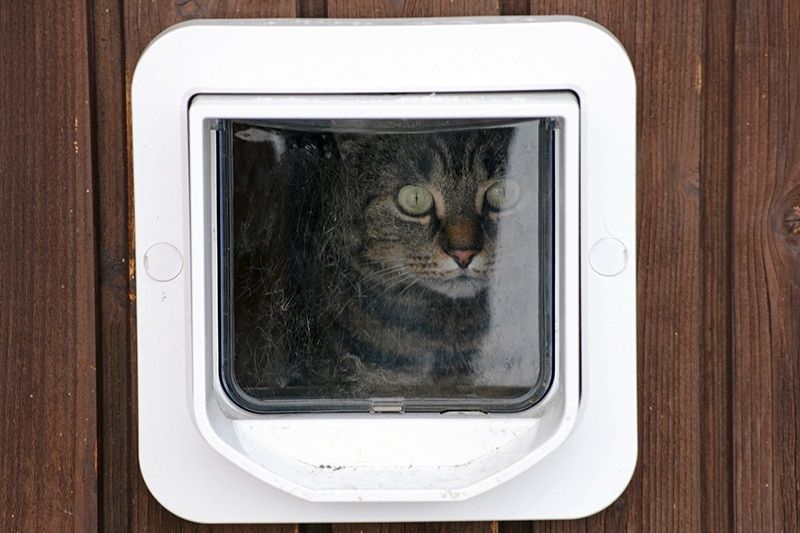
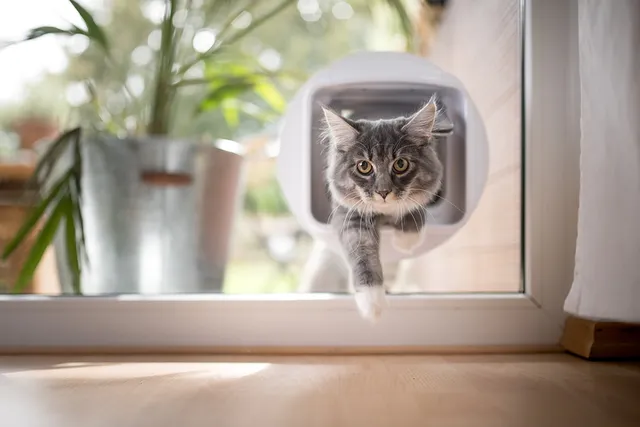
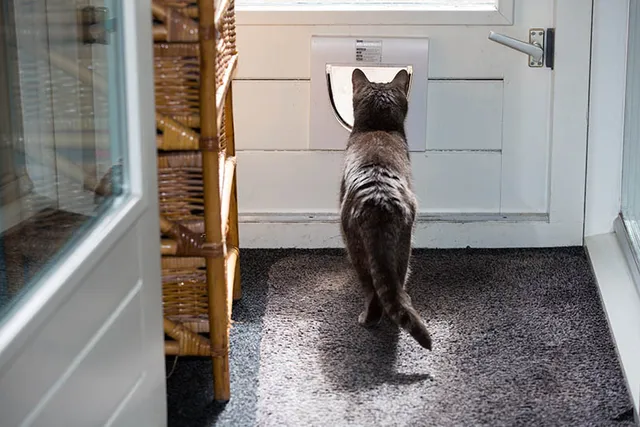
Cats are curious creatures, and they can become attracted to using the dog door for various reasons, such as exploring new areas, following their canine siblings, or seeking an escape route. However, allowing your cat to use the dog door can be dangerous since it exposes them to hazards like traffic, predators, and getting lost.
To prevent your feline friend from using the dog door, we've compiled this comprehensive guide with 10 effective tips and tricks. Keep reading to learn how to protect your cat while ensuring they have a fulfilling indoor life.

How to Keep My Cat from Using the Dog Door
1. Understand Your Cat's Motivation
Before you can effectively address the issue, it's essential to understand why your cat is using the dog door in the first place. Are they bored, curious, or seeking companionship with their canine sibling? Observing their behavior and considering their daily routine can provide valuable insights. Once you understand their motivation, you can tailor your approach to address the root cause of their behavior.

2. Adjust the Size of the Dog Door
If possible, you can adjust the size of the dog door to make it less appealing or harder for your cat to use. While most cats are smaller than dogs, you can experiment with adding barriers or extensions around the door that still allow your dog to pass comfortably but make access trickier for your cat. For instance, adding a flap or using a door with a higher placement might make it harder for your cat to navigate through. Monitor your pets to ensure the adjustment doesn’t cause frustration for your dog while deterring your cat effectively.
3. Use Microchip or Magnetic Pet Doors
A more high-tech solution is to use a microchip or magnetic pet door that only opens for pets with a specific microchip ID number. This prevents your cat from using the dog door while still allowing your dog access. These advanced pet doors can provide an added layer of security, ensuring that only your authorized pets can enter and exit.
4. Use Deterring Materials
Using deterrents like double-sided tape or aluminum foil on the dog door's surface can discourage your cat from attempting to use it. Cats typically dislike the feeling of the materials on their paws, making them less likely to approach the dog door. You can regularly check and replace the deterrents as needed to maintain their effectiveness.
5. Use a Baby Gate
A simple yet effective solution is to place a baby gate in front of the dog door, preventing your cat from accessing it. This method allows you to maintain separate access points for your pets without altering the dog door, but you have to remove the baby gate when your dog needs to go out since it will block their access too.

6. Increase Indoor Enrichment
To keep your cat entertained indoors, you can provide various toys, puzzle feeders, and climbing structures. It will help prevent boredom and reduce their desire to explore outside using the dog door. Periodically rotating toys and introducing new enrichment items can keep your cat engaged and interested in their indoor environment.

7. Spend Quality Time with Your Cat
Spending time playing, grooming, and cuddling with your cat is vital to strengthen your bond and keep them content indoors. It can also alleviate boredom that may be causing them to seek adventure outside. The time and attention you give your cat can significantly impact their well-being and happiness.
8. Monitor Your Dog's Behavior
Ensure your dog isn't encouraging the behavior. Watch for any signs that your dog may be inviting your cat to play or follow them outside through the dog door. Discourage this behavior and redirect your dog to play or explore indoors. Fostering healthy interactions between your pets can prevent unwanted behaviors from developing.

9. Provide a Safe Outdoor Space
Create a secure outdoor enclosure. If your cat is determined to enjoy the outdoors, consider building a secure outdoor enclosure (catio) so they can safely explore outside without using the dog door. A catio can provide your cat with the stimulation and enrichment they crave while protecting them from outdoor hazards.
10. Consult a Professional
If your cat continues to use the dog door despite your efforts, consider seeking advice from a professional animal behaviorist or trainer. They can provide tailored solutions and guidance based on your cat's needs and behaviors. An expert's perspective can be invaluable in addressing complex behavioral issues.
Conclusion
By understanding your cat's motivation for using the dog door, providing alternative solutions, and reinforcing positive behavior, you can effectively prevent your cat from using the dog door. Remember, consistency and patience are essential when implementing these tips and tricks. With time and effort, you can teach your cat not to use the dog door or at least distract them when your dog uses it, ensuring their safety and your peace of mind.
Featured Image Credit: Astrid Gast, Shutterstock
Expert cat care, straight to your inbox
News, insights, and useful advice, delivered to you.

No spam — unsubscribe anytime.
By signing up, you agree to our Terms & Conditions and Privacy & Cookies Policy.
How useful was this post?
Click a star to rate. You can leave written feedback afterwards. (We read all feedback.)
Christian started writing for a local newspaper as a teenager, and he's been involved in the publishing industry for most of his adult life. Combining his love of writing with a passion for animals, he is currently the Director of Editorial at Pangolia and the Editor-in-Chief at Catster.
Christian lives in the Philippines with his wife, son, and four rescue cats: Trixie, Chloe, Sparky, and Chopper.