How to Keep Kittens Warm: Vet-Approved Techniques & Safety Tips


In this article
Kittens are cute, cuddly, and a joy to watch as they grow and mature. However, it’s vital to keep them warm for the first few weeks of their life. The younger the kitten, the more important it is for you to keep them warm and cozy.
How do you keep kittens warm, and why is it so critical besides the obvious need for warmth? If your cat just had kittens, you found an abandoned litter, or you found a single kitten left on its own, read on. The information below will empower you to warm it up correctly, keep it warm, and might help you save its little furry life.

Why Do Kittens Need an External Heat Source?
When it gets cold, an adult cat can generally stay warm by controlling its body temperature, a process called thermoregulation. Adult cats will seek out warmer areas and can shiver to help increase their body temperature.
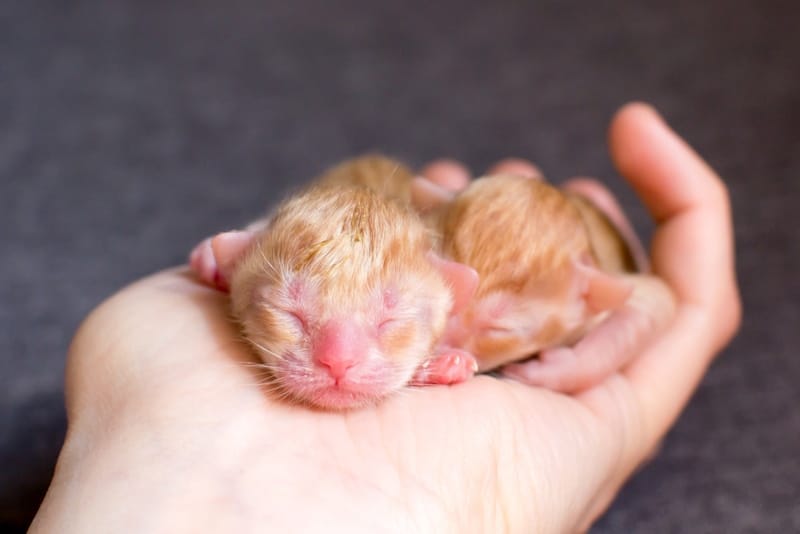
Kittens, however, can’t shiver for the first 7 to 10 days of their life and thus can’t generate heat to stay warm. This inability to control their body temperature leaves a kitten vulnerable to cold and could lead to the animal’s death in a cold enough environment.
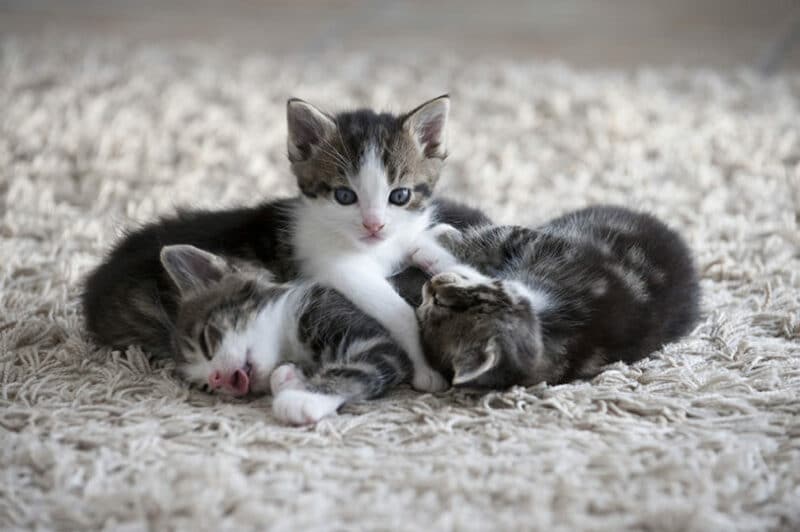
In most cases, this isn’t a problem because the kitten will have its mother and littermates to help them stay warm and cozy. If a kitten doesn’t have its mother around (or its siblings), keeping it warm falls entirely to you as its pet parent. You must provide some external heat source until your kitten is old enough to regulate their body temperature.

How to Keep a Kitten Warm
There are several methods you can use to keep a kitten warm until they’re able to regulate their body temperature. There are also several ways to warm up a cold kitten if you find one abandoned. Keeping a kitten warm isn’t difficult but requires a few basic items.
Some of the devices you might already have, but they’re easy to find online or at a big-box department store.
1. A Heating Pad and Cardboard Box
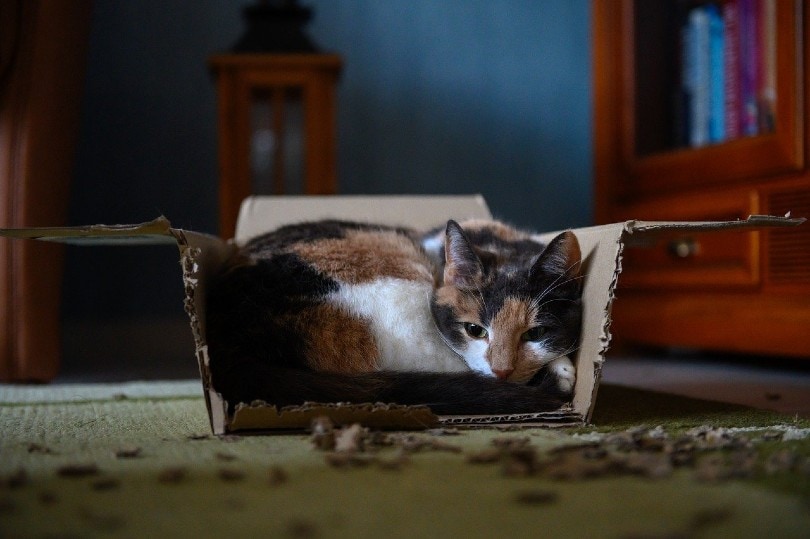
A small electric heating pad and cardboard box are perfect for heating a kitten or two. You can place a used towel on the floor and the heating pad on top of it. Next, place the box on top of half of the heating pad, with half of the box only on the towel. That way, if the kitten gets too hot, it can move onto the cooler half of the box.
Set the heating pad’s temperature to about 98 degrees Fahrenheit, place your kitten or kittens inside, and they will stay toasty warm all day.

2. A Sock Filled with Uncooked, Dry Rice
A thick, long, used sock filled with dry, uncooked rice is a fantastic DIY heating pad for kittens. First, fill the sock with rice and securely close the open end. Next, heat the rice-filled sock in the microwave for approximately 1 minute, but you don’t want it to be blazing hot.
Place the heated sock inside the box where you’re keeping your kittens wrapped in a towel, and it will keep them warm for 2 to 3 hours. Then, repeat the process to keep your kitten warm all day.
3. A Hot Water Bottle
You can fill a hot water bottle with hot (but not scalding) water and place it wrapped in a blanket in the box or cat crate you’re using, and you’re all set. Be sure that the kitten has room to move away from the bottle if they get too warm.

4. A Plastic Bottle
If you don’t have a hot water bottle, a regular plastic water bottle (or any plastic bottle, for that matter) can be filled with warm-to-hot water and used as a kitten-warming device. Again, wrap this in a towel or blanket and make sure it is not too hot.
5. A Heat Lamp
Heat lamps will work, but one caveat is that you should not leave a heat lamp on if you’re not going to be close by and monitoring. If the lamp falls over or is knocked over, it could cause a fire or burn risk. Lamps require the kitten box to be open for their use, which many kittens are not so keen on and they may overheat the kittens.

Should the Kitten’s Box or Crate Be Covered?
For the smallest kittens, you should cover the box or crate you’re using to eliminate the possibility of a draft. Also, place their box or crate away from drafty areas, like hallways or near doors. Kittens can get cold easily, so keeping them away from drafty areas is necessary.
What Is the Best Temperature to Keep a Kitten Warm?
The temperature of the room where you’re keeping your kittens should be adequate to keep them warm and cozy at all times. You should note, however, that as your kitten grows and gains body temperature control, the temperature in the room and kitten box will need to be lowered. After 5 weeks the kittens can usually regulate their own body temperatures and will be more tolerant to the ambient room temperature.
Below is an easy chart you can use to ensure the temperature of the kitten box is always optimal for your baby feline friends. Remember the box should always be large enough for the kittens to move away from the heat if they become too hot.
| Age of Kitten | Optimal Temperature of Kitten Box |
| 1 to 7 days | 85 to 90℉ |
| 8 to 30 days | 80 to 85℉ |
| 1 month | 75℉ |
| 1.5 months and older | 70℉ |
Which Should You Do First, Feed or Warm a Kitten?
If you happen upon a cold kitten or a litter of them, your first instinct might be to feed them. This, however, isn’t a good idea because kittens need to be warm to digest their food correctly. In other words, warm the kitten first; when they’re wriggling around and comfortable, you can feed them.
How to Warm Up a Cold Kitten
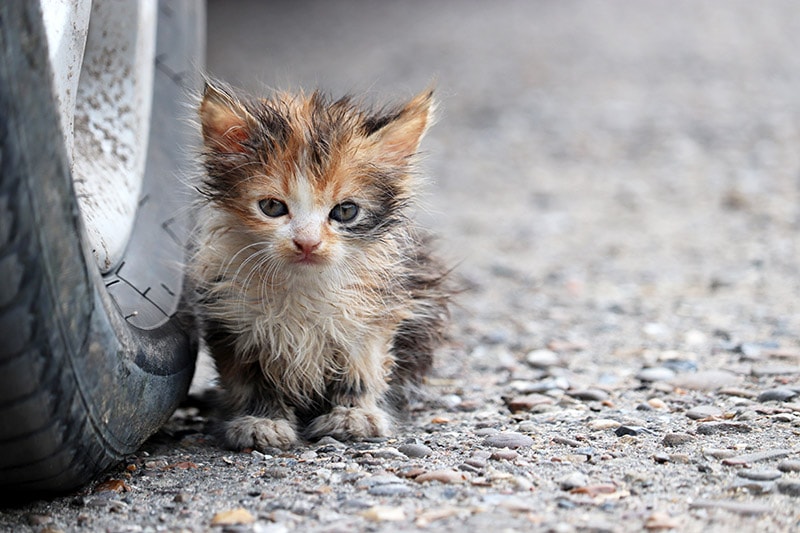
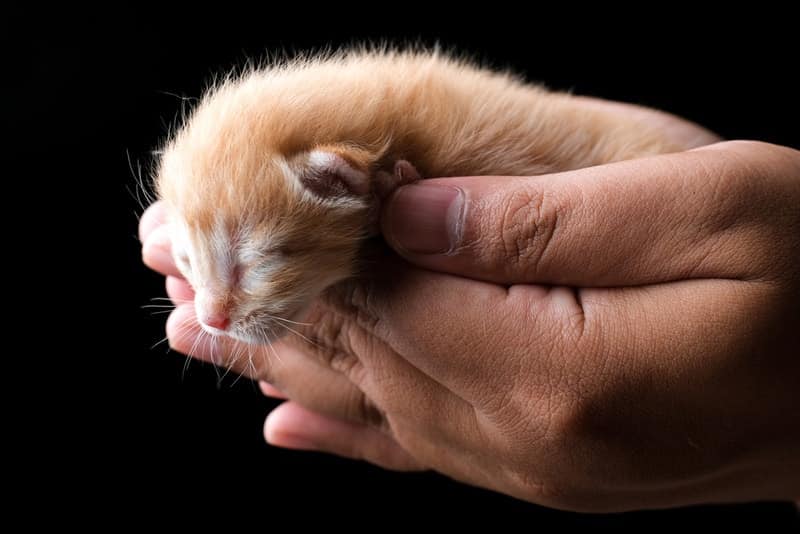
If you find an abandoned kitten (or several of them), the best way to warm them up safely is to make sure they are dry and then hold them directly against your bare skin. For example, sit in a comfortable chair and place the kitten on your lower belly with your hands cupping it.
If the kitten is scratching you with its sharp little claws, you can put a light T-shirt around it. Once the kitten is warmed up and starts wriggling around and moving more, you can wrap it in something heavier, like a towel or heavy T-shirt (but not too tightly).
Final Thoughts
Keeping them warm is essential because kittens can’t control their own body temperature so they rely on the external environment to keep them warm. This is especially true if the mother cat isn’t in the picture or when you only have one kitten and not a litter of them. Without their mom or siblings around, a kitten can die from the cold in a surprisingly short time.
The good news is that it’s relatively easy to warm up a kitten and keep them warm. We hope the information and advice provided today empower you to help a kitten or a litter stay warm and grow into healthy and happy adult cats.
Sources
http://www.kalamazooanimalrescue.org/public_docs/How_to_Care_for_Orphaned_Kittens.pdf
https://www.parkroadvet.com/raising-orphaned-kittens-part-1-warming-feeding/
https://www.aspcapetinsurance.com/resources/cat-winter-care/
https://www.cumberlandanimalclinic.com/site/blog/2022/06/30/take-care-newborn-kitten
Featured Image Credit: Rembolle, Shutterstock

Expert cat care, straight to your inbox
Vet-reviewed advice, behavior tips, and the best of Catster. Free, and you can unsubscribe anytime.
By signing up, you agree to our Terms & Conditions and Privacy & Cookies Policy.
Jeff is a pet parent who loves writing. He is a data privacy tech professional with 20 years of experience leading teams at various Fortune 100 startups. Jeff's hobby is photography.
Join the conversation
Ask a question, share your story, or send private feedback.