How to Harness Train a Cat: 10 Vet-Verified Tips & Tricks


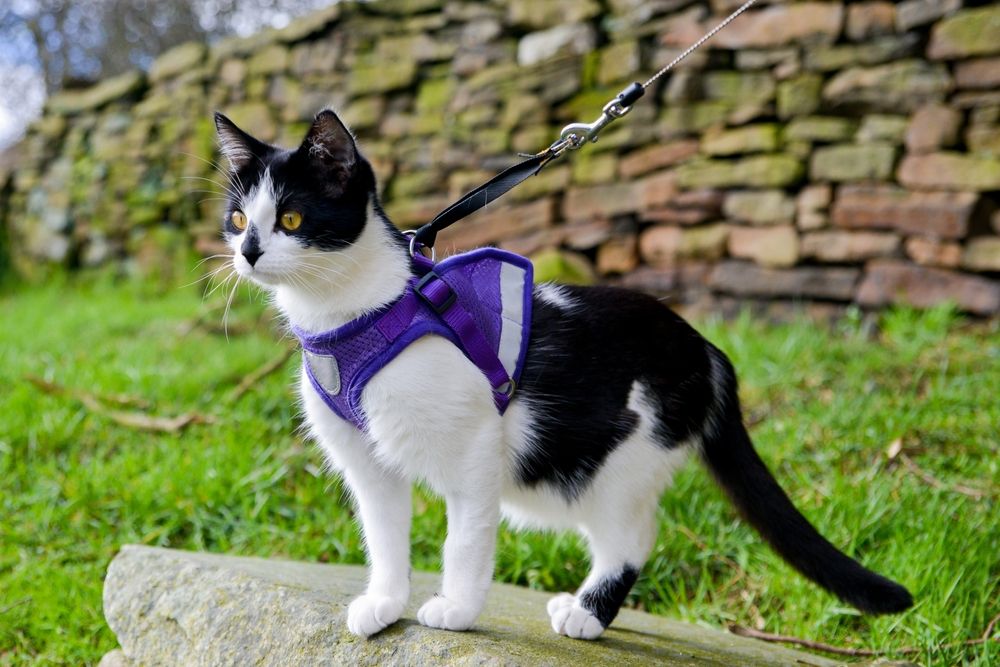
Most cats enjoy being outside as it gives them fresh air and allows them to practice the hunting sequence they were born to do. But as a responsible owner, you know that inside is the safest place for them.
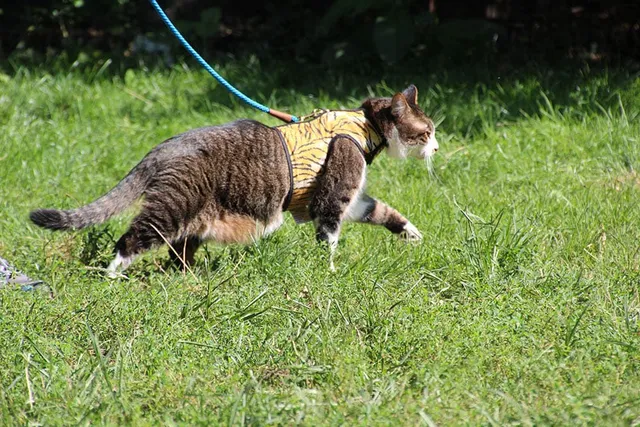
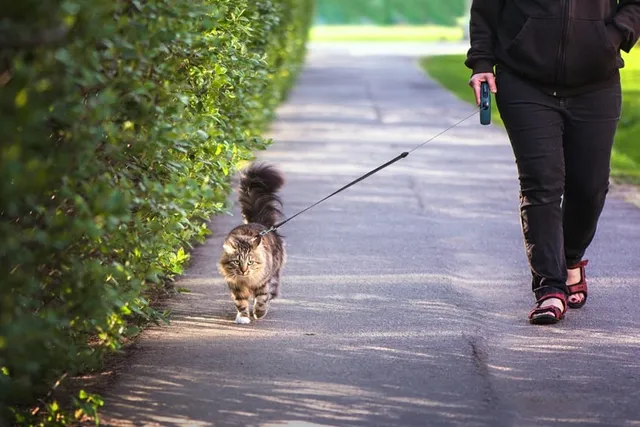
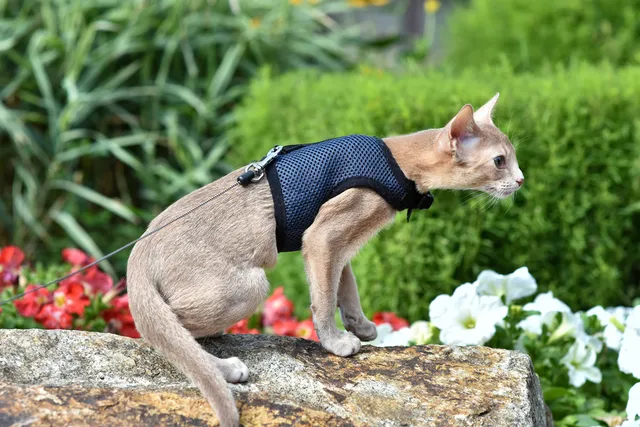
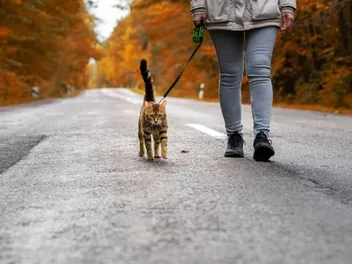
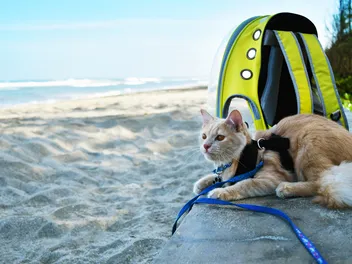
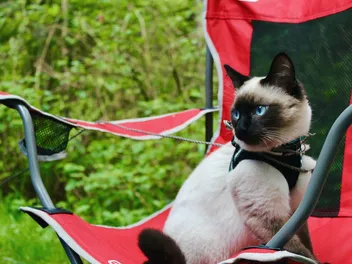
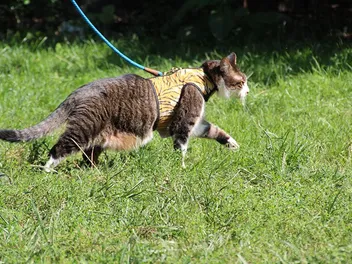
If you’re interested in introducing the great outdoors to your indoor cat, you should know that it is possible to train a cat to walk on a leash with a harness. When harness and leash training is done correctly, your cat will have the opportunity to explore the outdoors in a safe and controlled environment. This isn’t something that necessarily comes naturally for our feline companions, but that doesn’t mean that they can’t be taught.
Read on to find out 10 simple steps for harness training your kitty so you’ll be one step closer to giving them the taste of the outdoors they desire.

The 10 Steps on How to Harness Train a Cat
1. Choose the Right Harness
Before you can begin training, you need to buy the correct harness for your cat’s size. Not all harnesses are created equal, nor are they the same size, so you’ll actually need to take some measurements to ensure a perfect fit.
Not all manufacturers use the same sizing system, so read the measurement instructions provided by your harness manufacturer very closely. You’ll need a soft measuring tape. Most harness sizing charts require your cat’s neck diameter and thoracic girth size, but the exact measurements may vary.
Hold the tape nice and close to the skin to ensure you get the right fit. The harness should be nice and snug but not so tight that it’ll hurt them.
Cats can easily escape from loose harnesses, so make sure yours fits properly before taking your cat out for the first time.
Are you looking for the perfect cat harness? We suggest Hepper's Cat Harness & Leash Set, which includes a nicely designed, machine-washable harness made from soft, sturdy velvet and mesh.
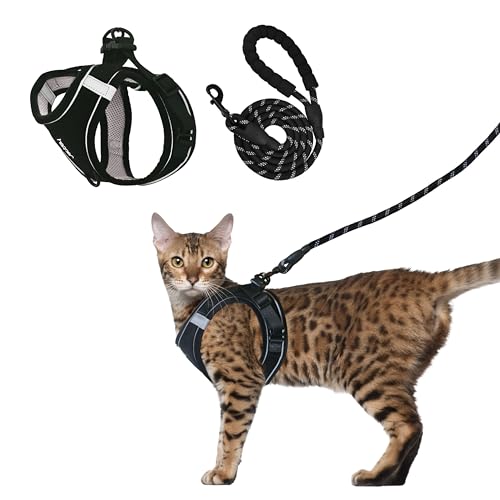
- Escape Proof - Cat leashes and harnesses for walking aren't all equally secure. Our double aluminium D-rings ensure strength when outside, as does the reinforced stitching on this step in vest.
- Superior Comfort - Our cat harnesses are lightweight, made with premium velvet fabric, breathable mesh, with soft edging and resilient cushioning. Also, it is machine washable. Looks and feels great!
- Free Extra Strength Leash - You don't need to worry about your cat escaping this harness. This cat leash is made of thick nylon climbing rope with rotating clamp to keep the strongest kitties at bay.
This harness is easy to put on and take off and features reinforced stitching, reflective stripes, and quick-release buckles. This set also includes a great leash made from durable nylon climbing rope.
At Catster, we’ve admired Hepper for many years and decided to take a controlling ownership interest so that we could benefit from the outstanding designs of this cool cat company!
2. Set Realistic Goals
In a perfect world, every kitty will take to their harness quickly and easily. However, as a cat owner, you know that cats do what they want, when they want, on their own time! Some kitties warm up to the idea of their harness and leash right away, while others may take quite some time to become comfortable with them. You know your pet best, so make sure you’re always watching their body language for signs of anxiety or discomfort.

3. Get Your Rewards System in Place
Cats are often very food-motivated, which means having the right treats on hand can make all the difference when training them. Pick a high-value reward that your cat will only receive during harness training to help them form positive (and yummy) associations with the training at hand.

4. Let Them Explore the Harness
As excited as you may be at the prospect of adventuring with your kitty, you must first acclimate them to the idea of the harness before you even try putting it on them.
Lay the harness on the floor and allow your cat to inspect it on their own time. Whenever they approach it, give them a treat to help them form a positive association with it. If they turn their cute little nose up at the harness, try laying some treats on top of it to entice them to explore it further.
Let them sniff and paw at the harness. This will allow them to become familiar with its scent and feel.
This process can be drawn out and tempting to skip, but it’s an integral part of harness training your kitty. You’ll have a much more difficult time training them if you immediately try putting the harness on them without giving them time to explore it first. Forcing them into their harness can be terrifying for your pet and may make them less likely to want to wear it ever again.
5. Familiarize Yourself With the Harness
You, too, need to become familiar with your cat’s harness, especially before you even think about putting it on them the first time. The last thing you want to do is to try to force your kitty into their harness when you don’t even know it works in the first place.
Familiarize yourself with how it goes on and what and where all the bells and whistles are. Try adjusting the buckles or clips a few times so you know how they’re supposed to work. This ensures you will be able to make the proper adjustments confidently when it’s on your cat.
Because there are several different styles of harnesses, you’ll need to read the manufacturer’s instructions to fit it just right for your kitty.

6. Put It on Inside Your House
Once you feel that you’re comfortable with the ins and outs of the harness and that your cat is used to the smell and feel of it, it’s time to try it on.
The first few times you put it on, don’t buckle it shut. The snug feeling of the harness can be pretty scary for your cat at first, so let them get used to how it feels when it’s loose on their body first.
After giving them some time to get used to their harness unbuckled, try fastening it and adjusting the straps so it fits properly on their body. Offer lots of positive reinforcement and a healthy distraction while doing so.
Remember, we want a snug fit, but nothing so tight that it digs into your kitty’s skin. Allowing enough space to place one or two fingers between the harness and your cat’s skin should be about right.
7. Keep Sessions Short
The first few times you put the harness on your cat, leave it on for just a minute or two at a time. As you progress with your training, they can begin wearing it for extended periods. Offer plenty of those aforementioned high-value treats at this stage to reinforce the process.

8. Put the Harness on at Meal or Play Time
Another great way to encourage your kitty to form positive associations with their harness is to put it on them for a few minutes at meal or playtime. Incorporating the harness into everyday activities will help them become accustomed to it quicker, and they may even come to enjoy it.
You may need to sit on the stage for some time, allowing them to wear the harness around the house and go about their day. Do not rush to introduce the leash. The more time you allow your kitty to get used to the harness, the easier it’ll be to propose the idea of exploring the great outdoors.
9. Introduce the Leash
Once you know your kitty is comfortable in their harness, you can begin leash training them. Start off with walking them leashed around your home. Avoid introducing the leash outside.

10. Pull Back at Signs of Stress
Keep a close eye on your cat during the harness training process so you can quickly pick up on signs of them being overwhelmed or stressed. Overstimulating your cat can make them terrified of the harness—and even you!
Signs of being overwhelmed or stressed include:
Final Thoughts
Harness training your cat sounds like a complicated and drawn-out process, but it doesn’t have to be. The steps we’ve shared above should provide you with the framework necessary to get your kitty accustomed to wearing a harness. Once they’re used to the feel of a harness, you can introduce a leash and take the next steps to ensure your cat is safe while you explore the outdoors together.
Featured Image Credit: Abis Photos, Shutterstock
Expert cat care, straight to your inbox
News, insights, and useful advice, delivered to you.

No spam — unsubscribe anytime.
By signing up, you agree to our Terms & Conditions and Privacy & Cookies Policy.
How useful was this post?
Click a star to rate. You can leave written feedback afterwards. (We read all feedback.)
For Chantelle, writing and animals are the two driving forces in her life. Growing up on the Canadian prairies surrounded by pets, she now shares her home with five cats, two guinea pigs, and a bearded dragon. Chantelle, her husband, and their child pride themselves on being dedicated pet parent, even spending a fortune on wall-mounted cat shelves to provide their cats with an indoor jungle gym. When she's not snuggling with her cats or photographing their humorous moments, Chantelle is exploring the Rocky Mountains, rewatching her favorite Netflix series, and reading up on various random subjects.