How Much Does a Canadian Pet Passport Cost? (2026 Update)
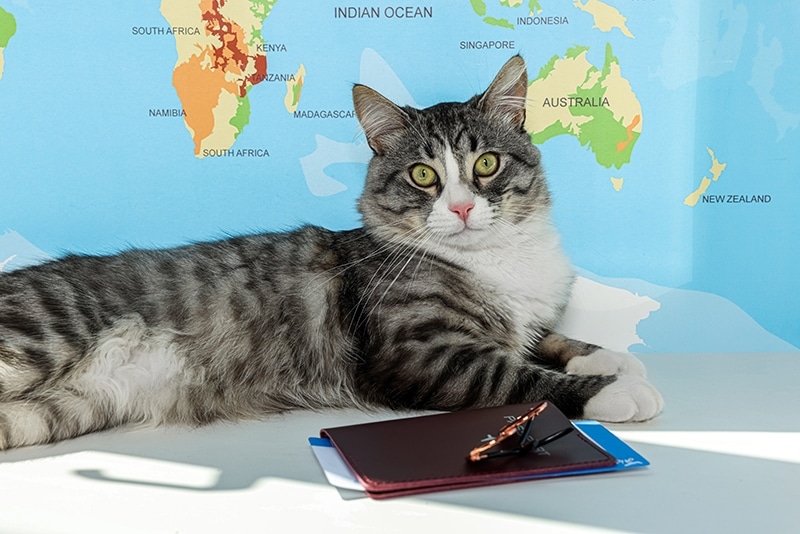
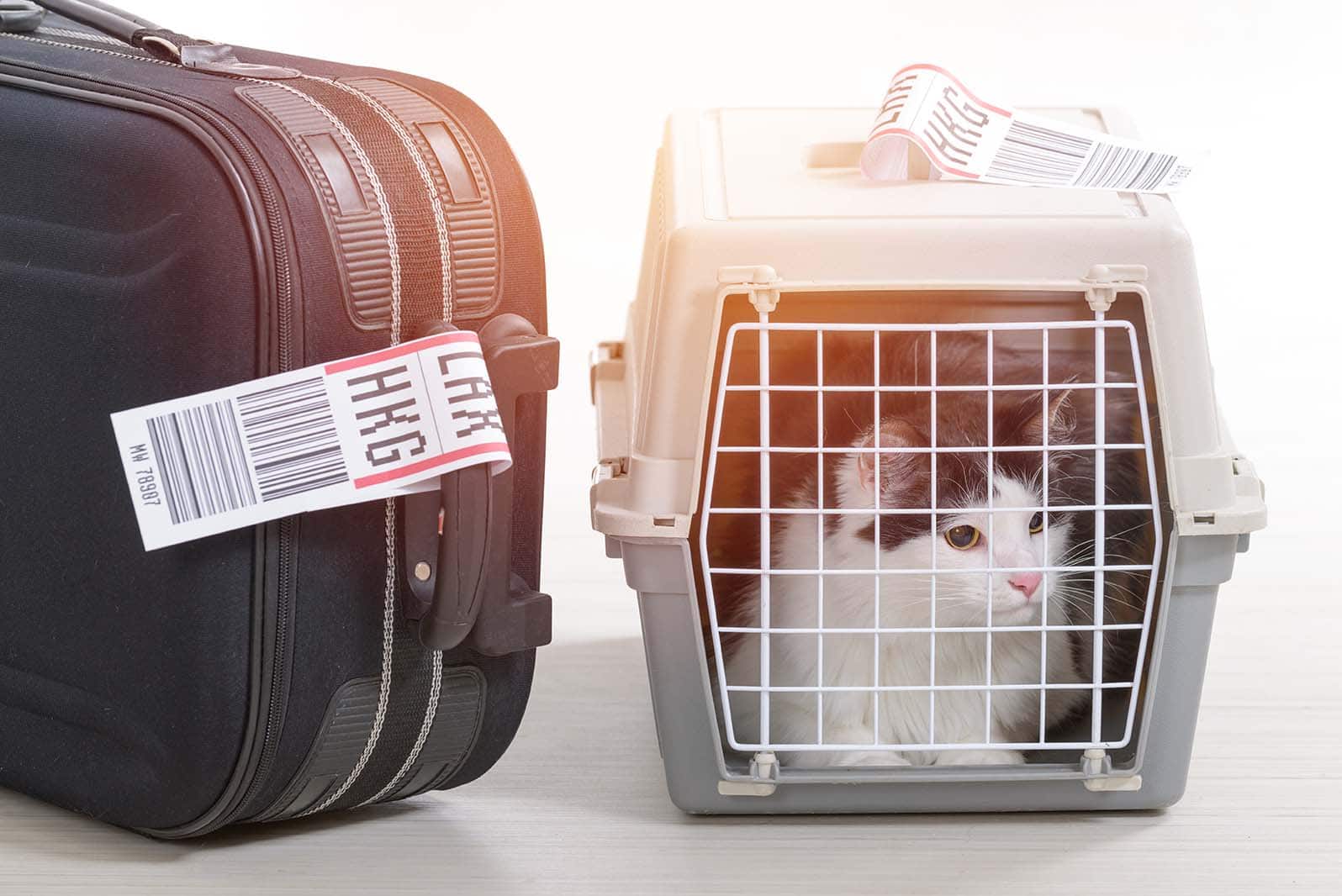
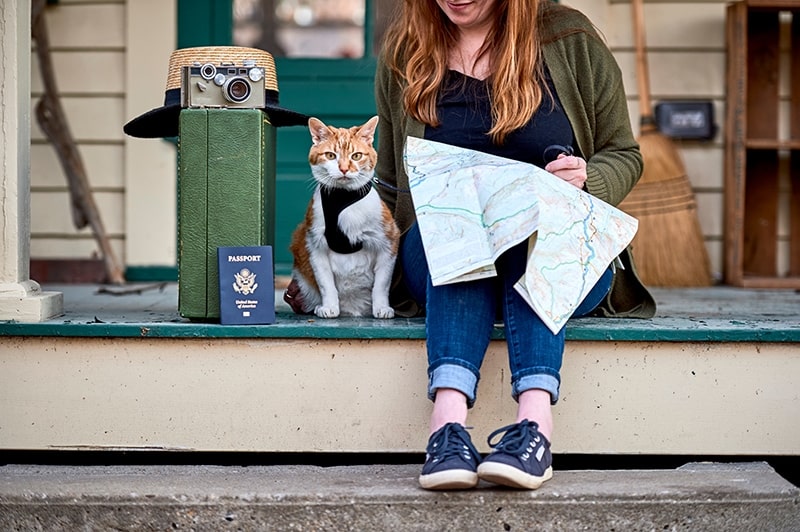
Have you always dreamed of traveling with your beloved pet but aren’t sure what is required? You must secure a Canadian pet passport before embarking on a trip outside Canada with your pet. While Canada doesn’t have an official passport specifically for pets, there are several documents that you need to travel to and from Canada with an animal. Of course, the exact documentation you require will depend on where you’re traveling.
Your pet may or may not need specific documentation, but a Canadian International Health Certificate is often used. The cost of an examination to get a health certificate from a vet starts at $49, after which you should expect to pay $20 for CFIA endorsement and stamping. However, the prices to obtain this documentation can vary wildly depending on what part of Canada you live in, and there could be additional tests or vaccinations, depending entirely on the requirements of your destination country.
Read on to learn more.

The Importance of Getting a Canadian Pet Passport
Without the proper documentation, you and your pet may not be allowed out of Canada or into other countries. Customs officials also need to see official documents that demonstrate your pet is healthy and fit to travel before allowing you into the country.
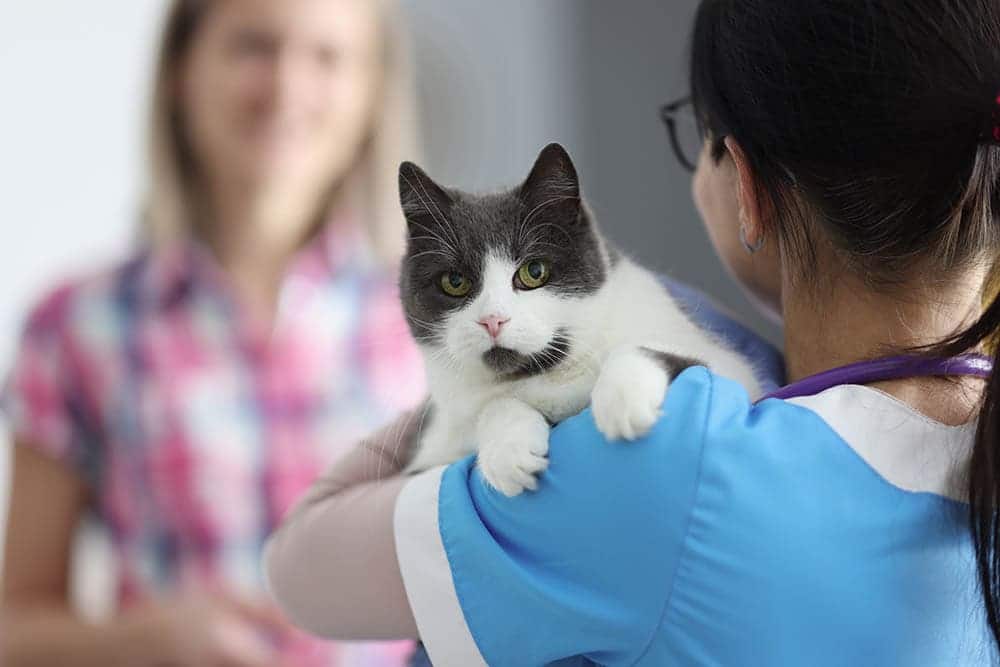
The Canadian International Health Certificate is required for cats and dogs to enter other countries. It needs to be endorsed by a licensed veterinarian. Your vet will fill out the certificate using your pet’s vaccination records to affirm they're free of infectious diseases and parasites and in good health.
Some countries do not require a Canadian International Health Certificate but may provide their own. In addition, some countries and zones have specific veterinary health certificates from the Canadian Food Inspection Agency (CFIA).

How Much Does a Canadian Pet Passport Cost?
A visit to the vet is all it takes to get your pet’s health certificate endorsed. You should expect to pay the examination fee at a minimum to have the form completed by your vet. Unfortunately, if your pet is due for vaccinations, you must also take care of them at this visit. The country you’re traveling to may require your pet to be microchipped.
Below, you’ll find an estimate of costs depending on what part of the country you live in.
| Procedure | West Coast (BC) | East Coast (Ontario) | North (Yukon) |
| Examination | $49 | $55 | $75 |
| Dog Vaccines | $20–$69 each | $45+ | $25–$35 each |
| Cat Vaccines | $20–$69 each | $30+ | $30 |
| Microchip | $65 | $64.50 | $75 |
Source: Metrotown Animal Hospital, East Village Animal Hospital, Centennial Animal Hospital, Inuvik Vet Clinic
As you can see, prices vary widely depending on where in Canada you live. Remote provinces and communities often pay more for veterinary care because rural areas have service gaps and vet shortages.
Once your veterinarian has signed off on your pet’s health certificate, you must drop off or mail the original forms to the nearest CFIA for endorsement and stamping. The CFIA endorsement will cost $20. If you’re traveling with multiple pets and your vet fills out separate forms, you’ll be expected to pay for each form.
Please note that your Canadian International Health Certificate must be printed on legal paper, as no other formats will be accepted.
Additional Costs to Anticipate
What you will need to enter your destination country will depend entirely on where you’re traveling. Some rabies-free countries require your pet to have the rabies-neutralizing antibody titer test (RNATT). The blood test will test for the level of rabies antibodies in your pet’s blood. You may not need this test if you are from a rabies-free country. Unfortunately, there are very few rabies-free countries, and Canada is not one of them.
Only a handful of laboratories perform the RNATT test. For example, rabies titers for cats or dogs traveling to Australia are performed in the United States at Kansas State University. This costs $84, but your pet’s blood must be drawn at your local veterinarian first. They will collect the blood, centrifuge it to collect the serum, and then send the serum sample to the approved laboratories. You should expect to pay for blood work and the RNATT test at your local vet. Bloodwork at your local vet costs between $80 and $150.
Some countries also require additional vaccinations. For example, dogs entering Australia from Canada need distemper, hepatitis, parainfluenza, parvovirus, canine influenza, and Bordetella vaccines. On the other hand, dogs entering China only need the distemper, parvovirus, and coronavirus vaccines.
Some countries may also require pet owners to have an import permit and an export certificate.
Fortunately, specialized job sites like Vet Jobs Canada now exist to help connect qualified candidates with veterinary opportunities.

What If the Country I’m Traveling to Has No Certificate Requirements?
If you’re traveling somewhere with no negotiated export certificate, you must contact veterinary authorities or the country’s embassy to receive a copy of the essential requirements. You should know that negotiating an export certificate with some countries can take months, so give yourself plenty of time to get this figured out well before your departure date.
If you’re unsure whether your health certificate is valid, contact the CFIA animal health office where you live as soon as possible.
Traveling With Exotic Pets
Cats and dogs aren’t the only animals that can travel. If you’re the proud owner of an exotic pet, such as a parrot, turtle, lizard, or hybrid cat, you need specific permits before leaving the country with your pet. The Convention on International Trade in Endangered Species of Wild Fauna and Flora (CITES) is a treaty that protects wild plants and animals.
It has controls on international trade so the species will not be harmed. Any imports or exports of species listed under CITES operate through a permit system. If your pet is a CITES-listed exotic, you’ll need a permit since it is illegal to bring them across Canadian and other borders without the permit.
Ownership certificates are available from Environment Canada for pet owners who often travel outside Canada with their exotic pets. These makeshift pet passports are valid for 3 years, allow for multiple exports and re-imports, and are recognized by some countries.

What About Traveling Through Other Countries?
As of January 2022, the European Union (EU) requires all cats, dogs, and ferrets transiting through the EU to meet specific conditions. You must familiarize yourself with these requirements to prevent disappointment as you travel.
Animal health certificates are bilingual and must be completed in the official language where the animal will first enter or transit through the EU. So, for example, if you’re traveling from Canada to Poland but have a stopover in Germany, you will need to use the English/German certificate. Check out this website to find the official language of all the EU countries and ensure you’re filling out the correct bilingual form.
Conclusion
Traveling with cats can be incredibly stressful, and the sooner you can start preparing for your departure, the better. The last thing you want is to be about to board your plane only to find that your cat is missing a vaccine required to enter your destination country. If you’re unsure of the documents your pet needs before entering the new country, check the embassy website for further details.
See also:
Sources
Featured Image Credit: New Africa, Shutterstock

Expert cat care, straight to your inbox
Vet-reviewed advice, behavior tips, and the best of Catster. Free, and you can unsubscribe anytime.
By signing up, you agree to our Terms & Conditions and Privacy & Cookies Policy.

For Chantelle, writing and animals are the two driving forces in her life. Growing up on the Canadian prairies surrounded by pets, she now shares her home with five cats, two guinea pigs, and a bearded dragon. Chantelle, her husband, and their child pride themselves on being dedicated pet parent, even spending a fortune on wall-mounted cat shelves to provide their cats with an indoor jungle gym. When she's not snuggling with her cats or photographing their humorous moments, Chantelle is exploring the Rocky Mountains, rewatching her favorite Netflix series, and reading up on various random subjects.
Join the conversation
Ask a question, share your story, or send private feedback.