How Much Does a US Pet Passport Cost? (2026 Update)

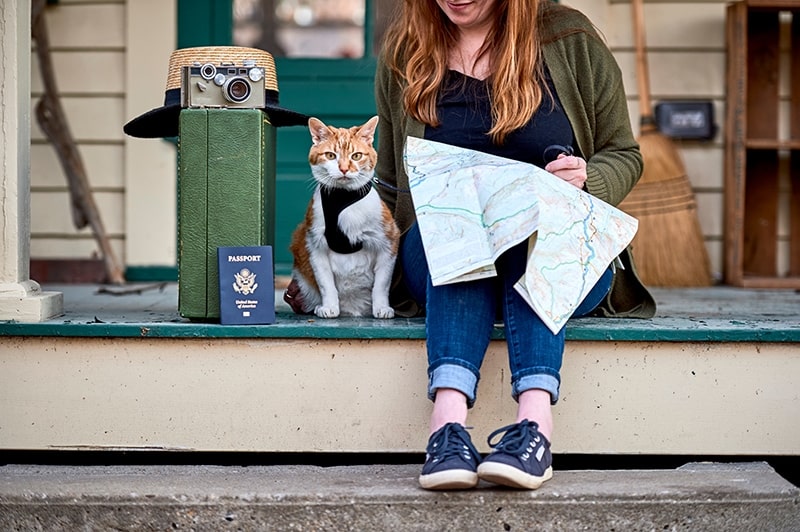
Many pet owners view their pets as family members, and more pets accompany their families on their travels than ever before. Obtaining a US pet passport can help make travel less stressful by ensuring your pet is prepared to travel internationally. Pet passports refer to all the proper documentation you need for your pet to enter another country.
It usually involves time and preparation to ensure your pet is ready for international travel. The basic documents that you need to enter countries are vaccine records, health records, and a USDA endorsement. The fee for a USDA travel endorsement certificate is $38. However, if your pet requires specific lab tests in order to enter a country, the fee can run up to $173, not including the cost of any tests or vaccinations that might be necessary.
Here’s everything you need to know about obtaining a US pet passport successfully and the costs related to securing it.

The Importance of US Pet Passports
Different countries have varying requirements for pets to enter. Some countries have very strict laws that prevent pets from visiting outside the country. So, before you book your pet's tickets, check the country’s government travel site to see if pets can enter.
Some countries may only allow some pets, like dogs, to enter. This is because some animals may be invasive species to the country and can be a safety risk to natural habitats. Cats and rabbits are typical examples of animals that have large wild or feral populations in many countries.
Securing a US pet passport will greatly reduce the stress and uncertainty surrounding your pet's ability to enter a foreign country. It ensures that your pet is allowed in another country.

How Much Does a US Pet Passport Cost?
The current fee for USDA travel endorsements is $38 per endorsement certificate.1 This applies to any number of pets. If your pet requires a specific lab test to enter a country, the fee is $121 for one or two tests. The fee is $150 if your pet requires three to six kinds of tests. It gets raised again to $173 if your pet requires seven or more lab tests.
Keep in mind that these fees don't apply to service dogs. So, if a dog belongs to an individual with disabilities as defined by the Americans with Disabilities Act (ADA), they aren't charged a fee for USDA endorsements.
| Number of Lab Tests | Fee |
| 0 | $38 |
| 1–2 | $121 |
| 3–6 | $150 |
| 7 or more | $173 |
Additional Costs to Anticipate
US pet passports essentially document and verify your pet's health records. So, you have to ensure that all of your pet’s vaccinations are current and that a veterinarian has cleared their health. With that in mind, be prepared to pay for vaccinations and tests that must be completed to enter a country.
The average cost for a 1-year rabies vaccine is between $15 to $20. A routine checkup is $50 to $250. The cost depends on your veterinary practice and the types of services used in the checkup.

How to Obtain a US Pet Passport
An updated vaccine record, health records, and a USDA endorsement are essential documents for entering other countries. Your veterinarian can help you run all the tests and administer vaccinations your pet needs to travel internationally. Once you have all your paperwork and documentation prepared, you'll send them to the USDA along with any associated fees. Once the USDA approves your documents, it will send you an endorsement certificate for your pet.
You can also work with a USDA-accredited veterinarian. They can help expedite the process by assisting you with administering all the vaccines and tests your pet needs to travel. They can also help you submit all the proper documents you need to receive a USDA endorsement for your pet.
Does Pet Insurance Cover US Pet Passports?
Pet insurance companies don't typically cover the costs and fees for gathering and submitting the documentation and paperwork. So, it won't help pay for application fees or postage. However, some pet insurance companies have wellness plans that cover routine care costs, including annual health exams, vaccinations, and preventative diagnostic testing. Some wellness plans also cover preventative medication like flea and tick pills.
If you're interested in enrolling your pet in a pet insurance plan to help pay for routine care costs, make sure to select a wellness plan. A typical accident and illness plan doesn't help pay for routine and preventative care costs. Some pet insurance companies provide a wellness rider that you can add to an accident and illness plan. These riders will help pay for medical bills related to preventative care.

What Other Requirements Are Needed for US Pet Passports?
Different countries have additional requirements for pets to enter their borders. For example, some countries require proof of microchipping and spaying and neutering records. Countries can also require pets to take tests that prove they're free of infectious diseases and parasites. So, you may have to have your pet pass a stool sample test or provide records of tapeworm treatments.
You may have to obtain import licenses, CITES permits, and health records. Since each country has unique requirements, you can check the official travel website of any country you plan on visiting to get the most updated information on pet travel.
It’s also important to check your airline's pet travel requirements. Airlines may also ask for health records and have rules for pets traveling in the cabin or the cargo area.

Conclusion
Obtaining a US pet passport can be a complicated process with several steps. While the endorsement fee is $38 per pet, expect to pay additional fees for lab tests, shipping, and other requirements.
If you want to be extra safe with the application process, don't hesitate to work with an accredited veterinarian. Accredited veterinarians can help you ensure you have everything you need so that your cat is ready to travel with you whenever you’ve secured dates to travel abroad.
Featured Image Credit: Brian Goodman, Shutterstock

Expert cat care, straight to your inbox
Vet-reviewed advice, behavior tips, and the best of Catster. Free, and you can unsubscribe anytime.
By signing up, you agree to our Terms & Conditions and Privacy & Cookies Policy.
Jessica is a freelance writer who spends most of her day researching and writing while her fluffy Cavapoo, Nora, naps beside her. She loves and appreciates pets and animals because there’s so much to learn from them, and they do so much for people. As a dog owner, she understands the special connection that pet owners form with their pets. She loves sharing helpful information that people can use to better understand their pets. When she’s not writing, you can find her walking dogs, tending to her plant babies, or drinking her nth cup of coffee.
Join the conversation
Ask a question, share your story, or send private feedback.