Get

In Your Inbox

Catster is reader-supported. When you buy via links on our site, we may earn an affiliate commission at no cost to you. Learn more.

How Much Do Male Cats Purr? Vet-Verified Facts & FAQ

Share

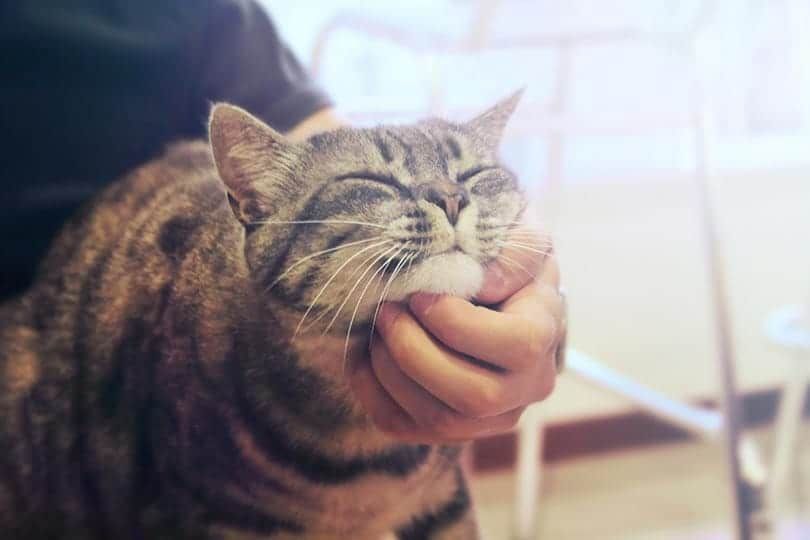
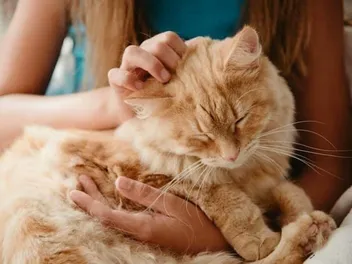
adorable cat get pampered by owner

A cat’s purr is comforting to both humans and cats, but how much a cat purrs varies widely by individual personality. Sex (male vs. female) does not meaningfully influence how often a cat purrs. Generally speaking, male cats purr the same amount as females. However, female cats may purr more at certain times, such as when in heat or while caring for kittens, but this is situational, not a general difference between sexes. Some cats barely purr at all, while others purr frequently and loudly. There is no expected “normal quota” of purring for either sex.

Here, we discuss how and why cats purr and why they may be purring more or less than usual.

divider 3 paws

How Do Cats Purr?

Although the exact mechanics of how a cat purrs aren’t certain, scientists have found that the most likely explanation is that the muscles in a cat’s larynx are responsible for producing the purring sound1.

The movement of these muscles causes the glottis to dilate and tighten, which in turn causes air to vibrate as the cat inhales and exhales. This is what produces the purr. The purring frequency is between 25 and 150 Hertz.

cat resting with owner on sofa at home
Image Credit: U__Photo, Shuterstock

Why Do Cats Purr?

Cats purr for a wide range of reasons. Sex does not affect how much a cat purrs, though there are some instances when female cats may purr more. If a female cat goes into heat, she may vocalize and purr a lot more than usual.

When a mother cat gives birth, she may use purring as a way to bond with her kittens. Likewise, kittens purr as a way to communicate with their mother—some even start purring within a few days of being born. Female cats also purr during labor as a way of soothing themselves.

Although it’s commonly believed that cats only purr when they’re happy or enjoying a good scratch behind the ears, it’s actually also a soothing mechanism for when they’re feeling stressed, afraid, or in pain. According to investigations, it’s very likely that purring promotes healing and supports bone density, which is why cats may purr when they’re feeling unwell.

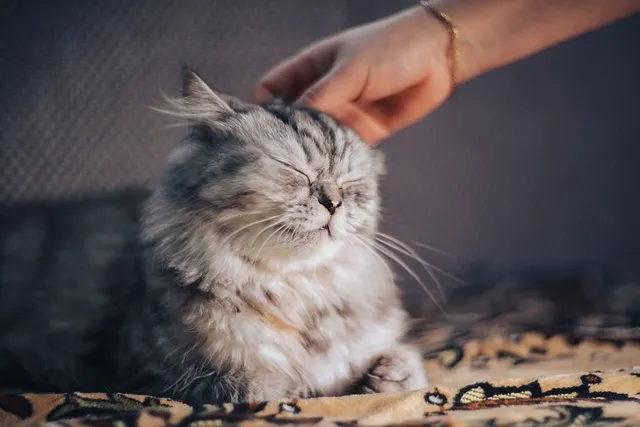
Of course, cats also purr as a way of expressing contentment. This is why you’ll often hear your cat purring when you stroke them or when they’re resting after a long, hard day of being adored. They may also do it as a way of communicating with you, like when they’re ready for dinner and want to make sure you know it.

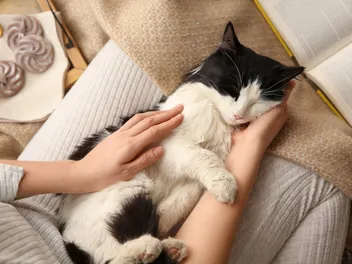
cat sleeping on owners lap
Image Credit: Karpova, Shutterstock

How Much Purring Is Normal?

Every cat is unique and will have different purring habits regardless of sex—some cats purr a lot and others barely or not at all. Some purr so quietly that it’s hard to hear them, and some will use alternative communication methods instead of purring. If your cat has never been big on purring, it’s likely just their character.

Sometimes, though, cats that used to purr stop doing so, which may be the result of an illness or injury. While a cat stopping purring might be nothing to worry about, it’s best to get them seen by a vet to make sure.

If you have a question about your cat's health or behavior, why not Ask a Vet for Free with Catster. Our veterinary team answers reader questions and provides trusted advice to help you better understand your cat.

askavet on catster

Likewise, as discussed previously, cats sometimes purr more than usual—sometimes when they’re stressed out or in pain. If your formerly moderate or infrequent purrer suddenly starts purring an awful lot, you might want to take them to a vet to make sure they’re not in pain or suffering from anxiety.

On a final note, here among the Catster team, one of our cats rarely used to purr, and around 2 years ago, she started purring! This began when we adopted another cat, so it’s possible that she started purring more as a means of communicating with the new cat. She’s very happy and healthy, so changes to a cat’s purring frequency don’t necessarily mean something’s wrong.

divider 3 paws

Final Thoughts

In short, how much a cat purrs isn’t affected by whether they’re male or female—it depends more on their personality. Cats communicate in a variety of ways aside from purring, including using body language, meowing, touching you with their paws, or rubbing against you.

It’s not unusual for some cats to rarely purr but use other means of communicating with you. On the flip side, some cats seem to never stop purring! If you’re concerned about how much your cat is purring or their lack of purring, it might be worth seeing a vet for peace of mind.


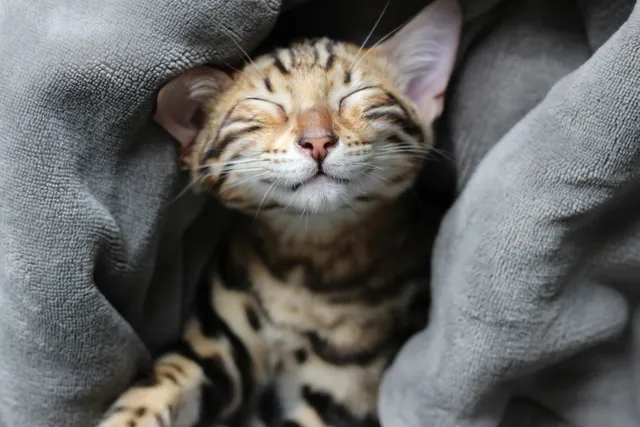
Featured Image Credit: Fabrizio Misson, Shutterstock

Want content like this delivered to you?

Sign Up For Our Newsletter

News, insights, expert advice, and everything cat

* By submitting, you agree to our Terms & Conditions and Privacy & Cookies Policy.


How useful was this post?

Click on a star to rate (you can leave written feedback after clicking submit)

Help us improve Catster for pet parents!

Your feedback really matters.

What did you like about this post? Also how can we improve it?

Join the conversation

Leave a Reply

You’re very welcome to leave a comment or question. Please know that all comments must meet our community guidelines, and your email address will NOT be published. Let’s have a positive and constructive conversation.


Catster's Digital Magazine is Back!

Vet-approved health & behavior advice

Real cat stories & community features

The Original Space Invaders – Why Zero Respect for Personal Boundaries Is a Good Thing

Cats have a reputation for being independent, and in many ways they are. But anyone who has tried to work at a laptop...

How Cats Are Helping to Cure Cancer

When most people think about medical breakthroughs, they picture scientists in laboratories and clinical trials involving human patients. Few would imagine that the...

Ask Dr. Paola – My Cat Loves Eating Grass, But It Makes Her Vomit! (June 29, 2026)

Welcome to our “Ask Dr. Paola” series, where every Monday we bring expert advice straight from Dr. Paola Cuevas (MVZ) to help our...

Learning to Speak Cat with Anthony Smith

Many cat lovers know me through Learn to Speak Cat and Cattitude – Doggonit, cartoons that explore the often mysterious, occasionally mischievous, and...

More related

American Wirehair Cat Breed: Info, Pictures, Temperament & More

The American Wirehair is a relatively modern breed, known for its harsh-textured coat that gives the breed their name. These cats are still...

How to Help a Friend Who’s Grieving Over a Cat: 10 Tips

Some articles are difficult for us to write. This is one of those times. Sadly, most of us understand the devastating pain of...

Why 2026 Is Being Called the “Year of the Cat”

Cats Are Finally Getting the Attention They Deserve Cats are having a major cultural moment, and the numbers help explain why. According to...

Japanese Bobtail Longhair: Info, Pictures, Care, & Traits

Japanese Bobtail Longhairs are a gorgeous longhaired version of the traditional Japanese Bobtail. These kitties have easy-to-maintain long, silky coats and the trademark...

Keep reading

16 Common Household Items Cats Like to Play With

Are you tired of spending money on toys your cat doesn’t like? Maybe your cat likes it for a few days but loses interest after a while. What if you stopped buying cat toys and instead started using items you...

cute ginger cat sitting in a paper bag and looking curious sideways

Do Cats Pee & Poop at the Same Time? Vet-Reviewed Feline Anatomy & Behavior Explained

You know you’re a real cat owner when you start to fuss over your pet’s grossest habits, like their bathroom use. But knowing what’s normal for felines can actually help you understand your cat’s behavior, including the way that they...

Tabby cat sitting in a litter box

What Is Cat Imprinting? Everything You Need to Know

Cat imprinting is a complex psychological and social bond between a cat and their human. It is challenging to describe the process but easy to see the signs. Essentially, a cat imprinted on you has accepted you as a member...

bengal cat gives a high five paw to the owner

How Much Cat Litter Per Month Should You Use? Vet-Verified Facts & FAQ

There are many pleasant aspects of cat ownership, but litterbox duty isn’t among them. Still, it is essential to care for your cat, so ensuring that you provide the cleanest litter box possible for your pet is paramount. While litter...

cat sniffing litter in the box

Can Cats Eat Roses? Vet-Reviewed Safety Facts & Information

Have you ever walked into your rose garden and caught your cat nibbling on rose petals? Or perhaps you’ve found them snacking on your beautiful bouquet in your kitchen, and you’re worried about whether or not roses are safe for...

Can Cats Eat Roses

How to Make a Hyperthyroid Cat Gain Weight: 4 Vet-Reviewed Ways to Help

Cats with hyperthyroidism can live healthier lives if their condition is managed. Since one major sign of hyperthyroidism is weight loss, cat owners may wonder how to help their cats gain weight. An experienced vet is your best source of...

loss weight or skinny cat

Feline Lower Urinary Tract Disease: Our Vet Explains the Causes, Signs & Treatments

Is your cat urinating frequently? Are they going outside of the litter box? These signs may be vague or quite prominent. Your veterinarian might refer to the cause as feline lower urinary tract disease. Let’s look at some of the...

Ginger cat in blue litter box

Can Cats Eat Water Chestnuts? Vet-Approved Nutrition Facts & FAQ

If you enjoy water chestnuts, then you know that despite their name, they actually aren’t nuts at all. Water chestnuts are a delicious crunchy veggie that some cats enjoy munching on. They are safe to eat for cats, though only...

Can Cats Eat Water Chestnuts

Love Cats? So Do We! Join the Catster Community

Stay informed with expert pet care insights delivered straight to your inbox! Discover professional guidance on animal behavior, feeding tips, trusted product picks, and much more.


Sign up for the Catster Email Newsletter

Stay informed with expert pet care insights delivered straight to your inbox! Discover professional guidance on animal behavior, feeding tips, trusted product picks, and much more.