How Long Does a Scottish Fold Live? Average Lifespan Data & Vet-Reviewed Facts


In this article
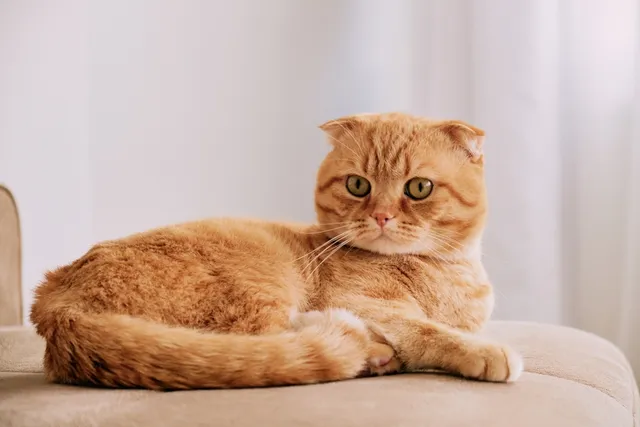
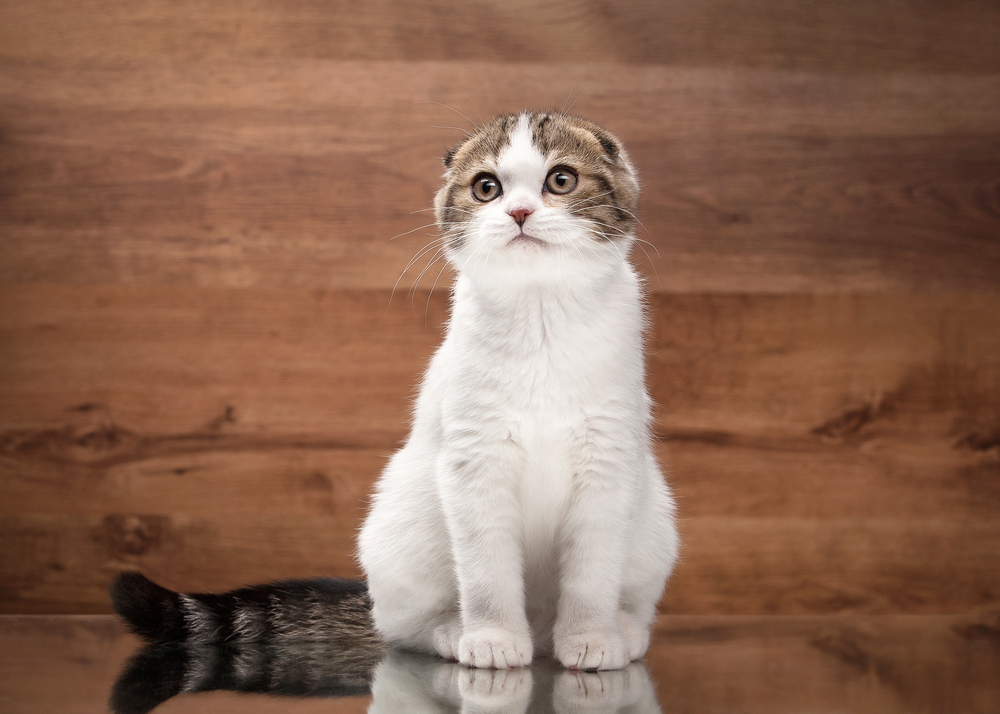
Scottish Folds are renowned for their adorably unique appearance resulting from their flat-folded ears, big eyes, and friendly round faces. They are affectionate, easy-going cats that form a loving bond with their owners. However, this breed is not without its fair share of controversy and ethical concerns with regard to how they’re bred. In fact, many countries have banned these cats and prohibited breeding them (including their country of origin, Scotland).
It could help to prepare for that inevitable day by having an idea of how long you can expect to share your life with that special feline. In this article, we’ll take a look at the average lifespan of a Scottish Fold, and the various factors that could determine this.

What’s the Average Lifespan of a Scottish Fold?
You can expect a healthy Scottish Fold cat to have a lifespan of around 13-16 years. However, a higher number of this breed are euthanized at a young age due to poor health, which brings the average lifespan of the Scottish Fold to around 10 years.
The genetic mutation that gives these cats their characteristic folded ears affects cartilage formation, which often results in abnormalities in the joints. For some cats, this will predispose them to developing osteoarthritis as they get older, but more severely affected cats may be born with painful, deformed limbs.
Scottish “Straights”, which lack the trademark folds of the breed, are generally healthier and tend to enjoy a higher quality of life compared to their “folded” counterparts, and are far more likely to reach the upper end of the expected lifespan.

Why Do Some Scottish Folds Live Longer Than Others?
1. Genes (Scottish Fold Osteochondrodysplasia)
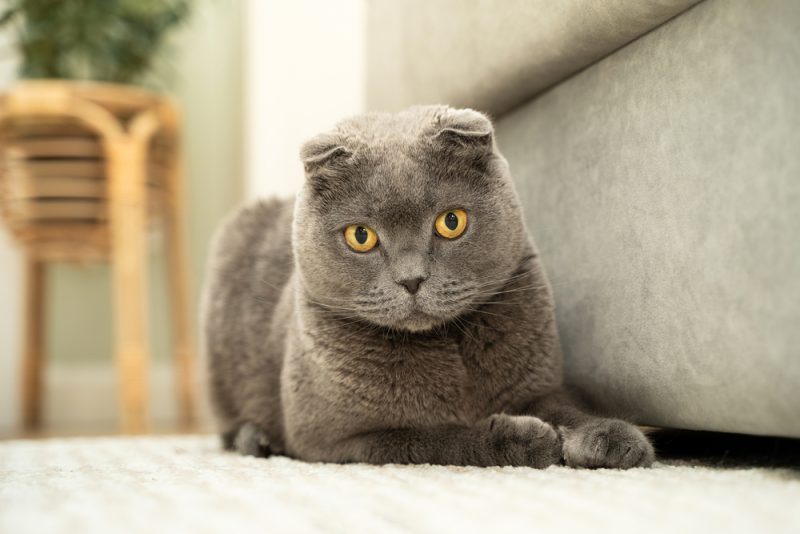
Their genetic makeup is possibly the single most important factor that will determine a Scottish Fold’s life expectancy. All Scottish Folds carry a gene that leads to a condition known as osteochondrodysplasia.1 This condition affects the cartilage in the cat’s body and is what gives them their cute, folded-over ears. Unfortunately, this condition also affects the cartilage all over the body, which leads to progressive pain, discomfort, mobility issues, and a lower quality of life.
This condition has no cure and progressively gets worse over time. The best your veterinarian can do is offer supportive care for your pet to ease their discomfort. Scottish Folds can be diagnosed with this condition when they are as young as 6 months old. The earlier a cat is diagnosed by a veterinarian, the more likely they are to experience severe discomfort and pain associated with the disease and its progression. In many cases, the cats have to be humanely euthanized when they’re very young.2
The fact that this disease has no cure and will progressively get worse in every Scottish Fold is part of the reason why these cats are banned in many countries and by many cat registries (including where they originated). They do, however, remain popular in countries such as the USA and Japan.
As mentioned earlier, Scottish Folds with straight ears, termed “Scottish Straights” lack the trademark folds of the ears, but are considered healthier than their “folded” counterparts. An example of a “Scottish Straight” is the popular internet cat Maru, known for his fondness of boxes.
Osteochondrodysplasia is the biggest concern with these cats, but not the only one. Scottish Folds are also prone to polycystic kidney disease (PKD) and cardiomyopathy, diseases that could further significantly shorten life expectancy.
2. Breeding History
The breeding history of the Scottish Fold is just as controversial as the breed itself (if not more). The gene responsible for causing their ears to fold only exerts partial dominance, which means that kittens that inherit a single copy of the gene will definitely display folding, to a degree that cannot be predicted by genetics alone.
In short, if a Scottish “Straight” mates with a Scottish “Fold”, it doesn’t guarantee a healthy, fold-free litter.
The kittens in such a scenario will be as follows:
The ethical dilemma of breeding these cats has led to the introduction of many stringent breeding policies and guidelines. However, there isn’t a consensus on the breeding guidelines on a global scale, in part because many consider breeding these cats unethical in the first place.
The breeding of Scottish Folds, under any conditions, is banned in the UK, France, and many other regions because of the gene mutation that can cause debilitating deformities. The most recent ban was introduced in 2023 (in Norway). Many countries have also made it illegal to own a Scottish Fold (including Scottish Straights).
3. Healthcare
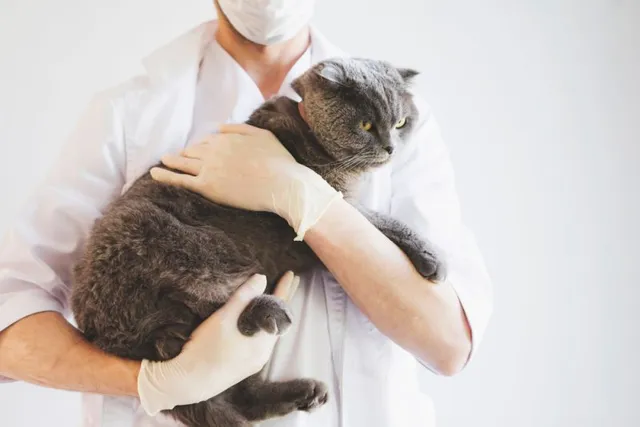
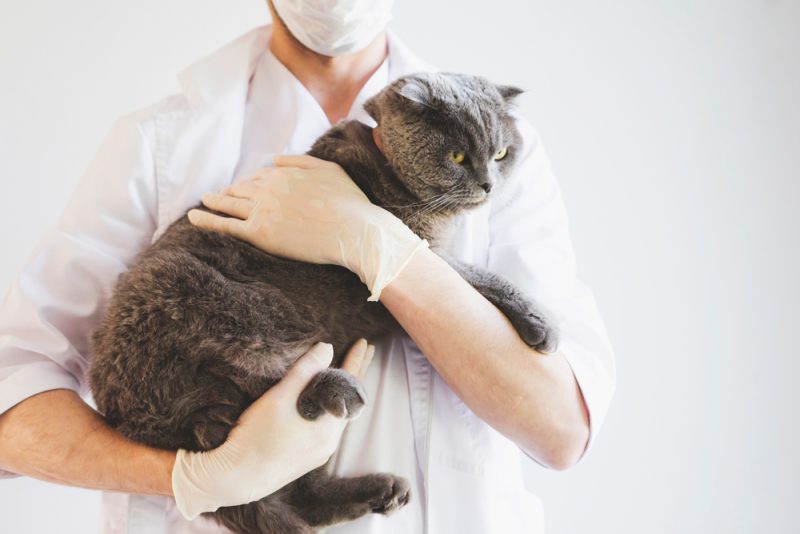
Considering the several genetic conditions to which Scottish Folds are predisposed, they must receive regular check-ups and veterinary care when it is required. If not, they may suffer unnecessarily and their life expectancy may be compromised.
4. Nutrition
Scottish Folds are true carnivores and require a diet rich in age-appropriate meat-derived protein and very little carbohydrates. Overlooking this fact may have negative effects on how long a Scottish Fold will live.
They are not a very active breed since they are often in arthritic discomfort, and are therefore prone to being overweight. If this is not adequately addressed through correct nutrition and feeding schedules, it may result in obesity, further health complications, and a shortened life.
5. Environment and Conditions
The environment in which they live can impact their health, happiness and the Scottish Fold’s lifespan. Unhappy cats do not thrive, and will sometimes even begin to suffer physiologically, which may lead to shortened life expectancy.
Due to their inherent pain levels and subsequent lack of general activity and athleticism, Scottish Folds might find an environment where such is required of them, quite stressful and physically challenging. They would not fare very well as outdoor cats, nor can they be expected to live very long under these conditions.
Scottish Folds afflicted with advanced symptoms of osteochondrodysplasia would need to be provided with a very specific environment to accommodate their needs, in order to ensure optimal longevity of life.

The Four Life Stages of a Scottish Fold
1. Kitten
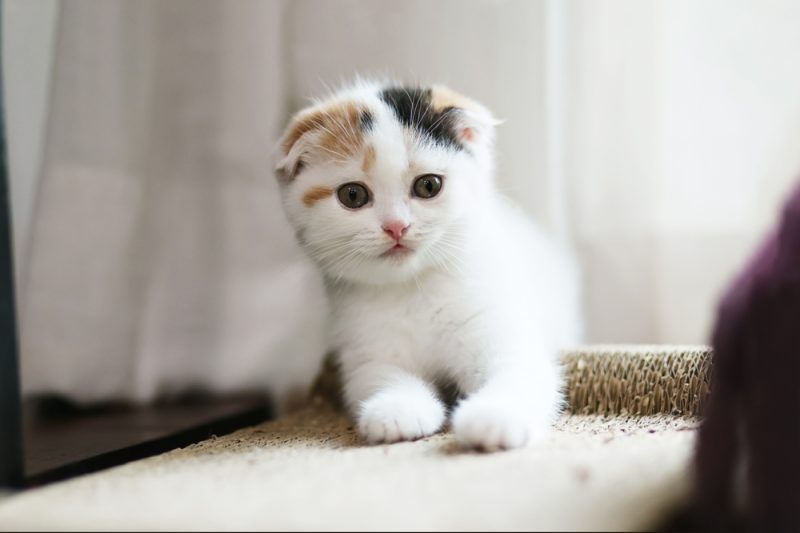
Scottish Folds are kittens up until they are around 3 months old. All Scottish Fold cats are born with flat ears. These open and stand up (for Scottish Straights) by the time they are around 3 weeks old. “Folded” cats wouldn’t display erect ears by this age.
2. Juvenile
A Scottish Fold is considered to be a juvenile when they are between the ages of 3–12 months. Many Scottish Folds are diagnosed with osteochondrodysplasia sometime during this age. Despite being called a “juvenile”, they are often capable of breeding well before they are a year old.
3. Mature Adult
A Scottish Fold is considered an adult from the ages of around 1–6 years.
4. Senior
For most Scottish Folds, their lower-than-normal life expectancy means that their seniority is also somewhat earlier than other cat breeds in the context of onset. However, they are more likely to suffer from complications of their osteochondrodysplasia over the common health issues involving senior cats.
How to Tell Your Scottish Fold’s Age
The best way to determine a Scottish Fold’s age is by looking at their breeding records. Given how there are so many legal restrictions with regard to breeding these cats, it’s highly unlikely for there to not be a breeding record that states an individual’s date of birth.
Hypothetically, in the event that such a document is missing, a veterinarian would be able to estimate a cat’s age based on their teeth.

Conclusion
Scottish Folds are adorable cats that make the most loving, devoted companions. But as we have seen, they are prone to several debilitating health conditions. There is a good chance that these will play a role in shortening a Scottish Fold’s life expectancy and, sadly, potentially also affect their quality of life.
As animal lovers, we want our beloved fur babies to live long, healthy, happy lives. Therefore, the continuation of this breed bears some weighty ethical considerations.
Sources
Featured Image Credit: dien, Shutterstock

Expert cat care, straight to your inbox
Vet-reviewed advice, behavior tips, and the best of Catster. Free, and you can unsubscribe anytime.
By signing up, you agree to our Terms & Conditions and Privacy & Cookies Policy.
Eleanor is a freelance writer, science, and math high school teacher. She lives in South Africa's picturesque KwaZulu Natal Midlands with her six-year-old son, cat, horse, and three chickens. She is happy to be able to convert her enthusiasm for animals, science, and life-long learning into valuable and interesting writings. Eleanor and her son enjoy exploring their wonderful nation in their spare time. Road trips to exotic camping places are a cherished pastime. They particularly like unwinding near the sea, in the mountains, or among African animals.
Join the conversation
Ask a question, share your story, or send private feedback.