5 Egyptian Mau Health Problems to Watch Out For


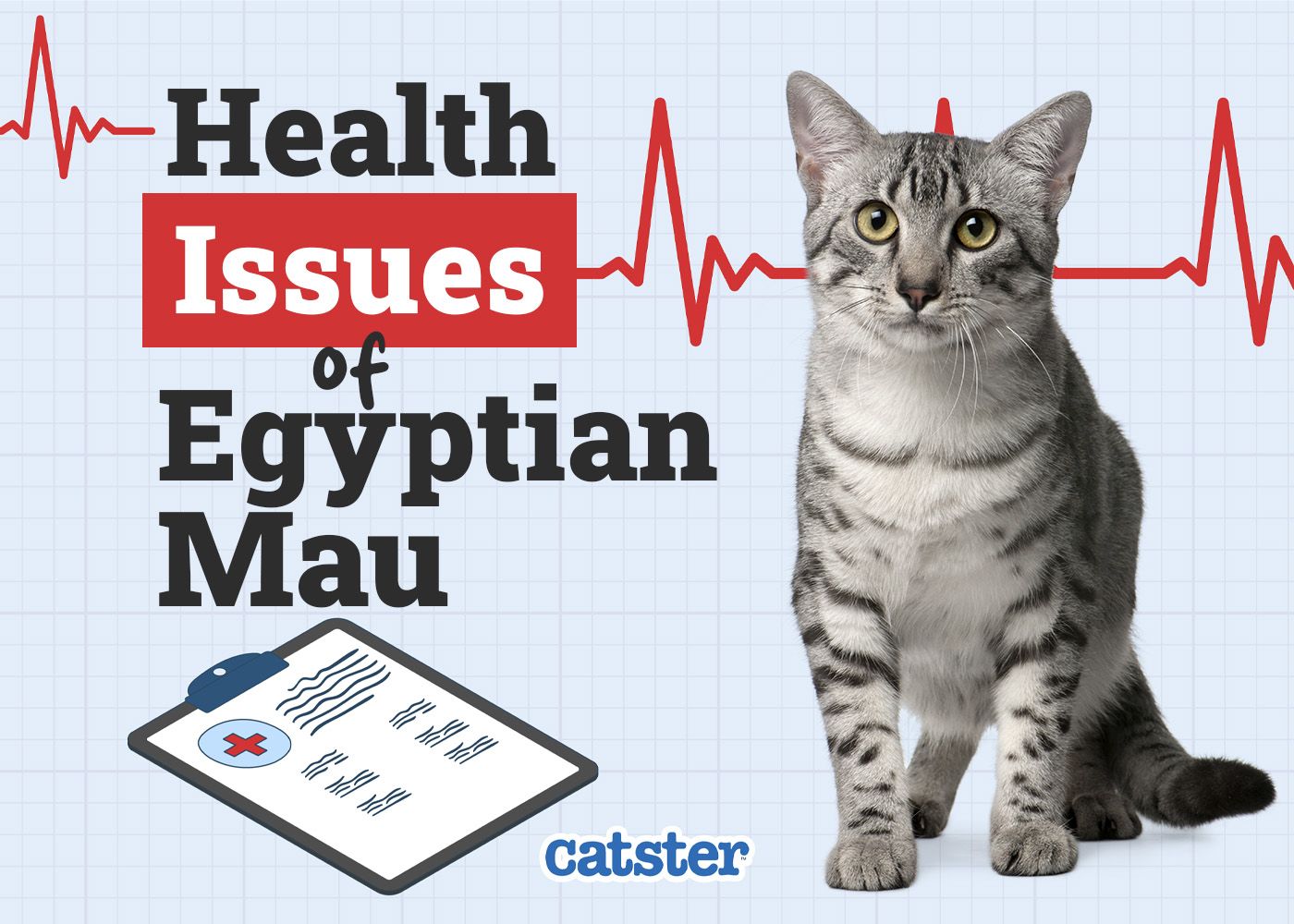
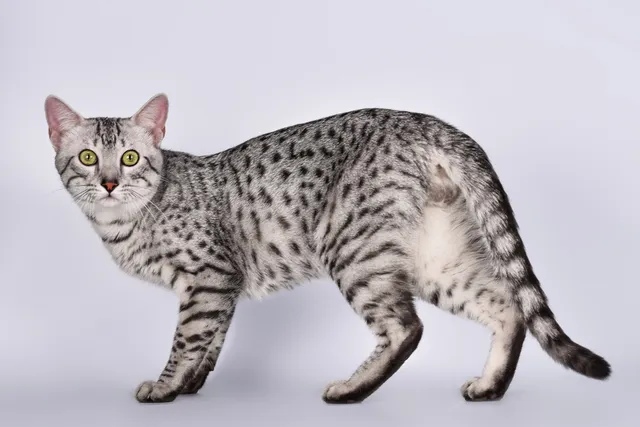
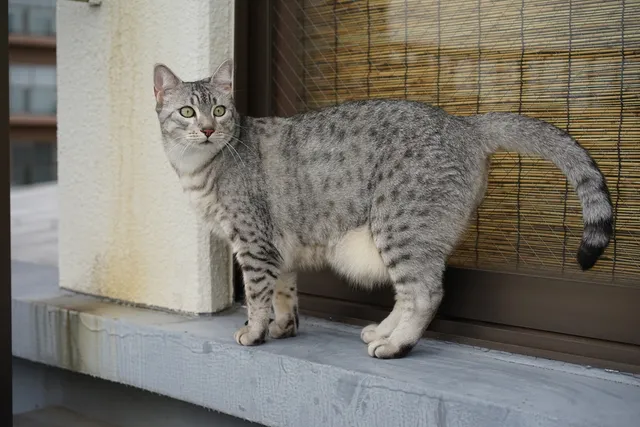
Egyptian Maus share a long history with humans, as their name would suggest, but their connection to ancient Egyptian cats has not been entirely confirmed. They’re known for being shy and cautious around strangers but outgoing, playful, and fearless when around people they’re comfortable with.
Maus are rare, so you might not know much about them or the health problems they are prone to. They live for an average of 12 to 15 years, which with great care can expand to 16-18 years. So, on the whole, they are considered healthy and robust. However, they are still prone to some health conditions you should know if you’re considering getting one.

The 6 Egyptian Mau Health Problems
1. Hypertrophic Cardiomyopathy (HCM)
Hypertrophic Cardiomyopathy (HCM) is one of the most common heart diseases, with around one in seven cats developing it at some point, but some cats don’t show signs of having the disease. HCM is a condition that causes the heart muscles to become abnormally thick, which then weakens the heart.
If your cat does show signs of having developed HCM, they can be varied and include the following:
Unfortunately, there is no cure for HCM, but if you are concerned about your cat, speak to your veterinarian. They can assist with developing a nutrition and wellness plan to ensure your cat enjoys the longest life possible.
2. Pyruvate Kinase Deficiency
Egyptian Maus are among the breeds known to carry Pyruvate Kinase (PK) Deficiency, a rare inherited blood disorder that affects red blood cells. The pyruvate kinase enzyme generally found in red blood cells is lacking, and the cells die faster. With fewer red blood cells in circulation, anemia develops, and as signs of anemia can be quite mild, it can be easy to miss.
Signs to be on the lookout for include:
This condition is preventable with genetic testing of parental lines. Some diagnosed cats may live long, fairly normal lives with monitoring. Severe cases may necessitate supportive care such as transfusions or steroids. Bone marrow transplantation is a possible, though life-threatening and expensive, treatment option.
3. Cystitis
Cystitis refers to inflammation in a cat’s urinary bladder. It can be tricky to determine between various diseases that affect the urinary opening, urethra, and bladder. Hence, diseases of the lower urinary tract (urethra and bladder) are grouped together and are known as feline lower urinary tract diseases (FLUTD). When all common causes of a disease have been eliminated, it’s called Pandora syndrome or feline idiopathic cystitis (FIC).
Cystitis isn’t officially linked to genetics in Egyptian Maus, but their sensitive and high-energy temperament may make them more susceptible to stress-related urinary problems. Cats suffering from cystitis make frequent, painful attempts to urinate. Additionally, blood can be found in the urine. There are different treatments available since each case will need to be investigated to identify the cause, but cats with cystitis typically require access to fresh water, pain relief, a change in their diets, and sometimes help with reducing stress.
4. Mouth and Gum Disease

Like many breeds, the Egyptian Mau can suffer from dental and gum disease. Inflammation in the gums can occur because food, minerals, and bacteria accumulate along the gum line. It leads to a build-up of tartar and can result in gingivitis.
Eventually, this results in inflammation and spaces forming between the teeth and gums, allowing space for bacteria to grow and resulting in periodontal disease. The bacteria can spread from the infected gums around the whole body and damage the heart, kidneys, and liver. To prevent this, you should get into a routine of brushing your cat’s teeth and feeding them dry food.
Treatment for this condition depends on how advanced it is. The cat’s teeth might need to be removed, and more advanced stages might require bone-replacement procedures.
5. Feline Asthma

Although this condition isn’t highly prevalent in the breed, like other cats, Egyptian Maus can have asthma. Problems with the lower respiratory tract (lungs and trachea) occur when irritants and allergies cause the lungs and lower airways to become sensitive and inflamed.
The most common signs of asthma include:
While it isn’t curable, asthma can be managed with medication like injections, tablets, and inhalers.
Conclusion
Overall, Egyptian Maus are incredibly healthy cats. Genetical testing of parental lines is a must to prevent HCM and PK. However, for some other conditions like cystitis or asthma there are no guarantees, but being as informed and aware as possible is always a good idea. Some conditions, like mouth and gum disease, can be prevented with proper dental care. It’s important to keep up with scheduled vet visits; preventative care is always easier than treatment.
If you are ever worried about your cat, contact your vet as soon as possible.
See also:
Sources
Featured Image Credit: JumpStory
Expert cat care, straight to your inbox
News, insights, and useful advice, delivered to you.

No spam — unsubscribe anytime.
By signing up, you agree to our Terms & Conditions and Privacy & Cookies Policy.
How useful was this post?
Click a star to rate. You can leave written feedback afterwards. (We read all feedback.)
Kerry-Ann lives in Scotland and would love to have a bigger garden so she could have her very own Highland cow. But her dogs probably wouldn’t like that idea very much. She has a La Chon called Harry who was sick with a liver shunt when he was a puppy. It wasn't likely he would make it into adulthood, which was difficult to comprehend, but he beat the odds and is a healthy old man now. She also has a Pug called Maddie who is a big foodie. She’s small, sassy, and every day she finds a new way to wind her brother up.
When she isn’t writing you can find Kerry-Ann going for long walks when it isn't raining, reading, or watching cartoons. She would one day like to be a tourist in her own country and travel through the Highlands with her family.