Does My Indoor Cat Need a Rabies Shot? Vet-Reviewed Facts & FAQ



In this article
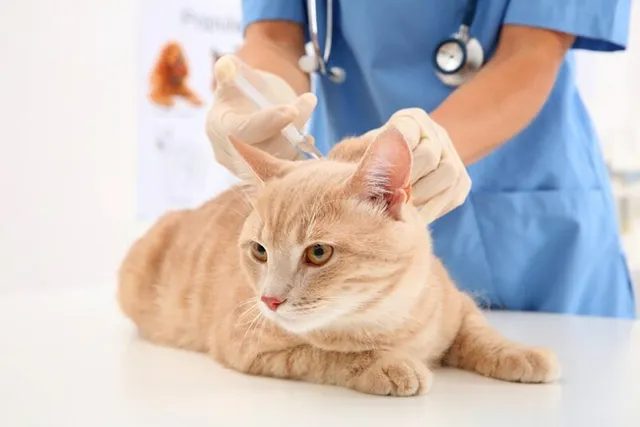
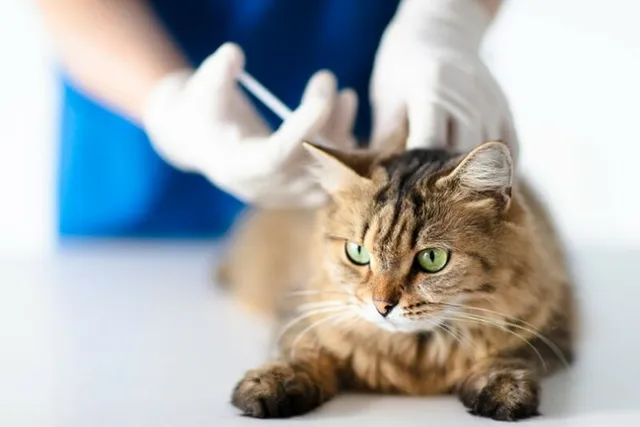
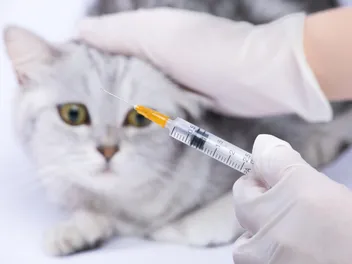
Like humans, cats are susceptible to several diseases that can be deadly. There’s good news, however, as there are vaccinations for most of the worst cat diseases. When vaccinated, your cat’s immune system will be prepared to handle all of them like a champ, which is why getting your cat vaccinated is so important.
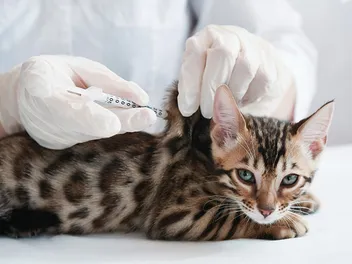
Unfortunately, one misconception about vaccinations in the cat community could put your cat’s health at risk. Many cat fanciers believe that because indoor cats stay in the house 24/7, they don't need a rabies vaccination. This misunderstanding couldn’t be further from the truth. Not only is a rabies vaccination vital for an indoor cat, but in the United States, they are required by law in most states.
In other words, when you don’t get your kitty vaccinated, you put their and your health at risk and put yourself in legal jeopardy. To discover more about the importance of the rabies vaccine for your feline, read on.

Why Does My Indoor Cat Need To be Vaccinated?
You may be asking yourself why your indoor cat needs to be vaccinated. That's understandable since they’re not exposed to other cats and animals outside. The problem is that cats can escape outside, increasing their risk of encountering another animal. Rabies is a highly contagious disease that affects all mammals, not just cats. Your cat could get the disease from encountering a dog, raccoon, coyote, squirrel, possum, or bat.
If your cat is exposed to rabies, contracts the disease, and then comes back home, they could pass the disease to you and your family, which would be a truly nightmarish situation. The treatment for rabies in humans is painful and not something you would wish on anyone. Worst of all, once clinical signs and symptoms of rabies can be seen in your cat, the chance they will survive is close to zero percent.
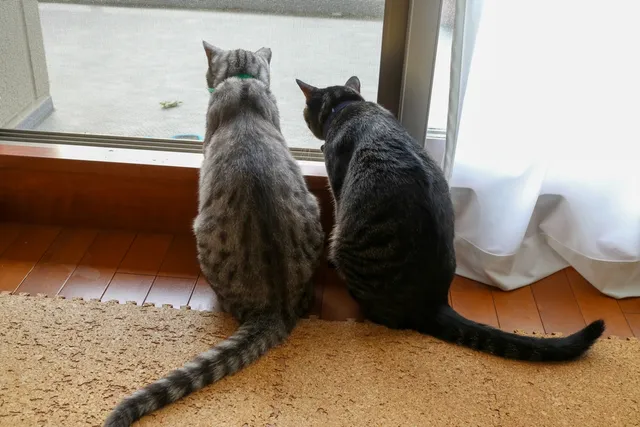
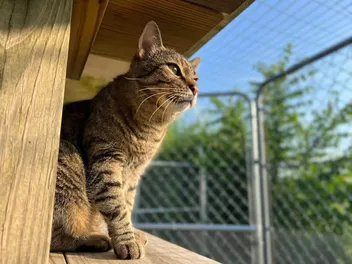
Even if your cat never ventures outside, other animals can enter the house. No house or apartment is rodent-proof, and open windows allow a bat or raccoon, for example, to come in. The risk is lower than for outdoor pets, but there is still a risk.

What Happens if I Don’t Vaccinate My Indoor Cat?
If you decide not to vaccinate your cat for whatever reason, the biggest problem is that you increase their risk of getting a nasty and potentially fatal disease. One of the worst after rabies is feline leukemia, which is the number one cause of death in felines. Feline leukemia has a fatality rate of 85% within 3 years. A vaccinated cat has almost a 100% chance of not succumbing to the disease.
Bordetella is another disease that can spread quickly and cause severe health problems. The Bordetella bacteria can stay on shared surfaces for weeks at a time and is highly resistant to most of today's antibiotics. As you might have guessed, a cat vaccinated for Bordetella has an almost 0% chance of contracting this respiratory bacterial infection. The same goes for all cat diseases.
In Texas, not having proof of your cat’s vaccinations is a Class C misdemeanor. In other States, it’s worse and could cost you serious money in fines and possible attorney fees. When you consider vaccinations are affordable, they work incredibly well, and they’re legally required, we think you’ll agree that the best choice is to have your cat vaccinated.

What Are the Vaccines for Cats?
Two categories of vaccines are given to cats. The core vaccines are considered the bare minimum for all cats, and the non-core vaccines include shots for feline leukemia and Bordetella, which are more lifestyle-dependent.
The core vaccines include:
The non-core vaccines include:
How Often Do Indoor Cats Need Rabies Shots?
Veterinarians recommend vaccinating your kitten for rabies starting at 4 months but within the first 12 months of their life. Once they’ve had their initial vaccination series, the frequency will vary between 1 and 3 years depending on the license that the vaccine has in your area or is preferred by a veterinarian. A veterinarian may recommend one or the other, depending on your cat's situation.
Can an Indoor Cat Get Rabies?
As mentioned earlier, it is certainly possible for an indoor cat to get rabies. The only way you can prevent it is if your cat never leaves the house and is never exposed to any other animal.
If your cat escaped your home, even briefly, they could come into contact with another animal and be exposed to the rabies virus almost instantly. While the risk for an indoor cat is lower than for an outdoor cat, veterinarians highly recommend having your indoor cat vaccinated for rabies.

Are Cats with Overdue Rabies Vaccinations Considered Vaccinated?
If your cat has been vaccinated for rabies, but their latest booster is overdue, most states consider your cat to be unvaccinated. Legally speaking, that could cause a risk for you. For your cat, the risk depends on how long overdue they are.
For example, if it’s been a few weeks or months, their immunity level will likely remain strong. If it’s been a year or longer, their immunity to rabies could be very low or possibly gone. Yes, some cats will still be okay, but some won’t, which is why, if they’re overdue, you should get your cat their rabies booster immediately.
Final Thoughts
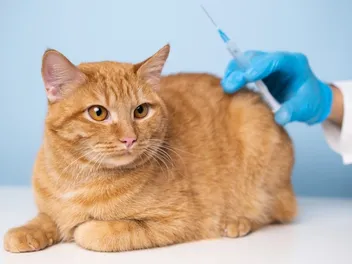
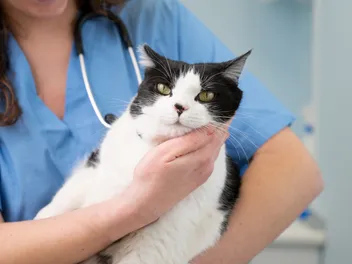
Vaccinating your indoor cat for rabies is essential, even if they always stay inside your home or apartment. It will protect them and you from the fatal viral infection. Your cat should also receive core vaccines as recommended by a veterinarian.
Veterinarians recommend vaccinating cats when they’re still kittens. The risk of contracting diseases increases substantially if you wait until your cat is an adult to get them vaccinated. We hope the information we’ve given you today has been genuinely helpful and provided the insight you need about vaccinating your indoor cat for rabies. Veterinarians agree that the rabies vaccine is vital for your feline family member’s health and welfare.
You might also like:
“Sources”
Featured Image Credit: New Africa, Shutterstock
Expert cat care, straight to your inbox
News, insights, and useful advice, delivered to you.

No spam — unsubscribe anytime.
By signing up, you agree to our Terms & Conditions and Privacy & Cookies Policy.
How useful was this post?
Click a star to rate. You can leave written feedback afterwards. (We read all feedback.)
Gregory Iacono former chiropractor and self-taught writer. Greg has experience in a wide variety of subjects including video script. As a man of clinical experience, Greg has the ability to digest a complex subject and make it accessible to the reader. Greg enjoys traveling and spending time with his two daughters and son.