How to Stop Your Cat from Over-Grooming: Vet Answer & Advice

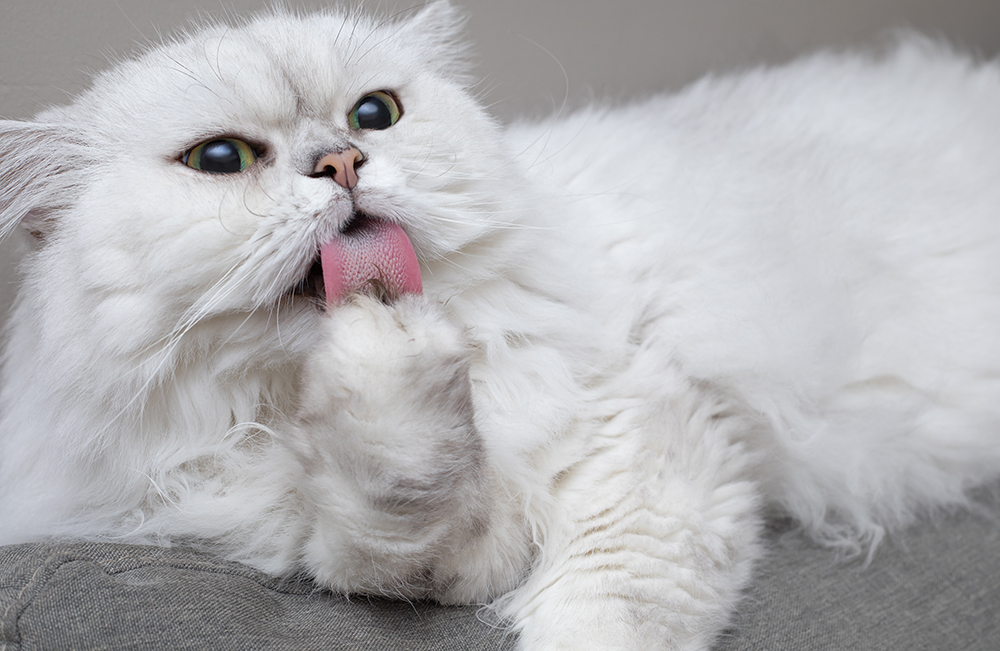
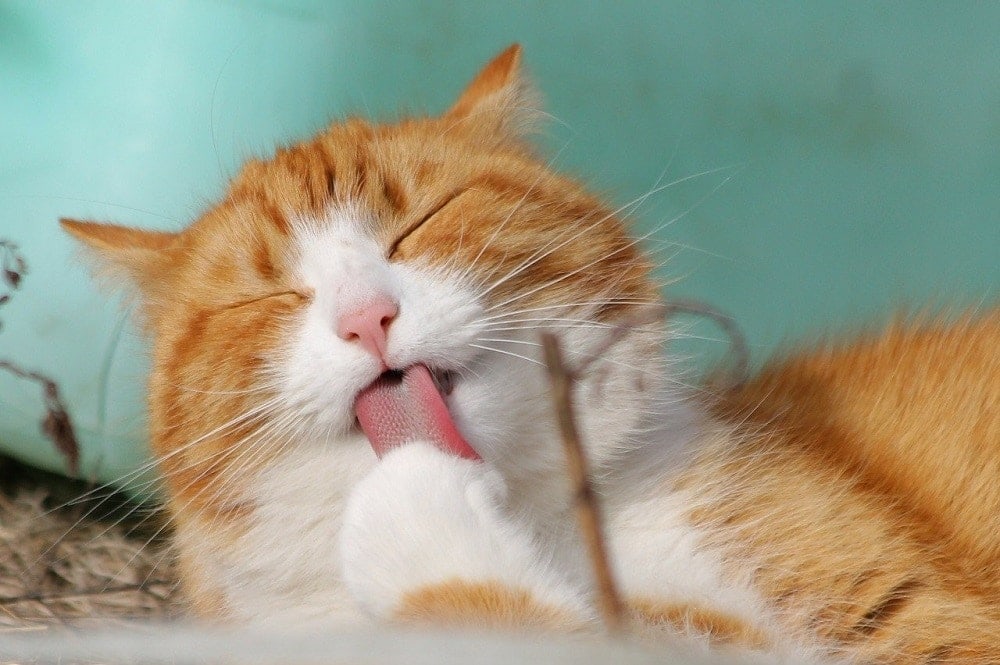
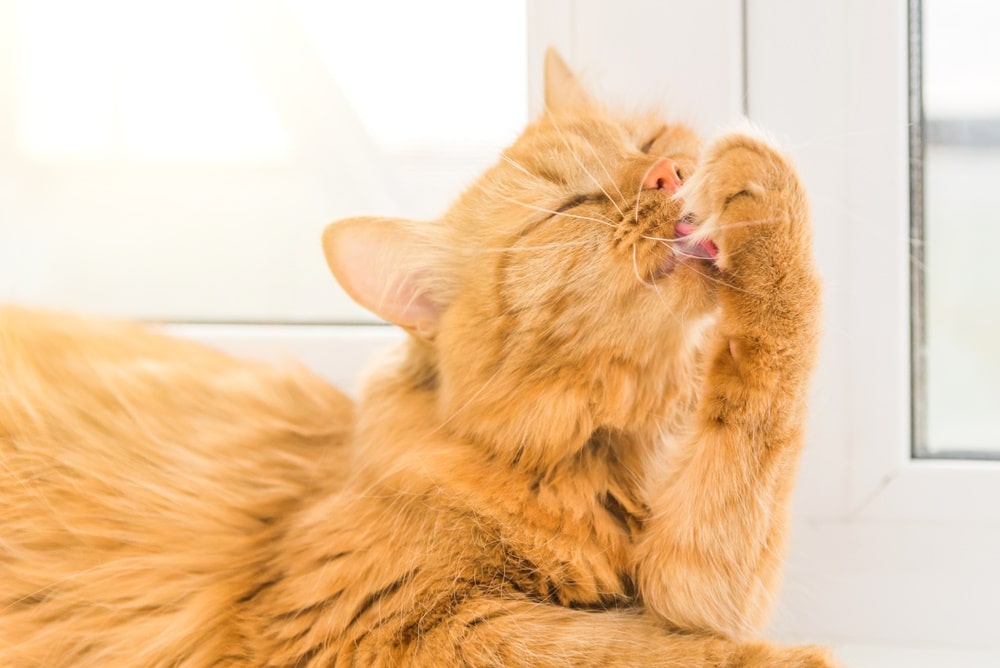
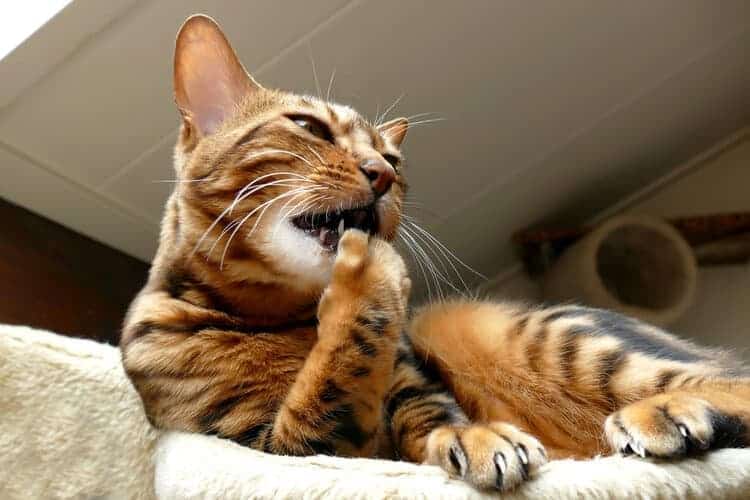
Cats are fastidious self-groomers, which is their trademark trait that begins from an early age. Your cat will tend to clean their fur by licking themselves for a large part of their waking hours. This makes it challenging to observe early signs of excessive grooming, as they may resemble usual grooming habits. Any skin irritation and pain alongside underlying medical causes and stress are just some of the reasons why cats may groom too much.
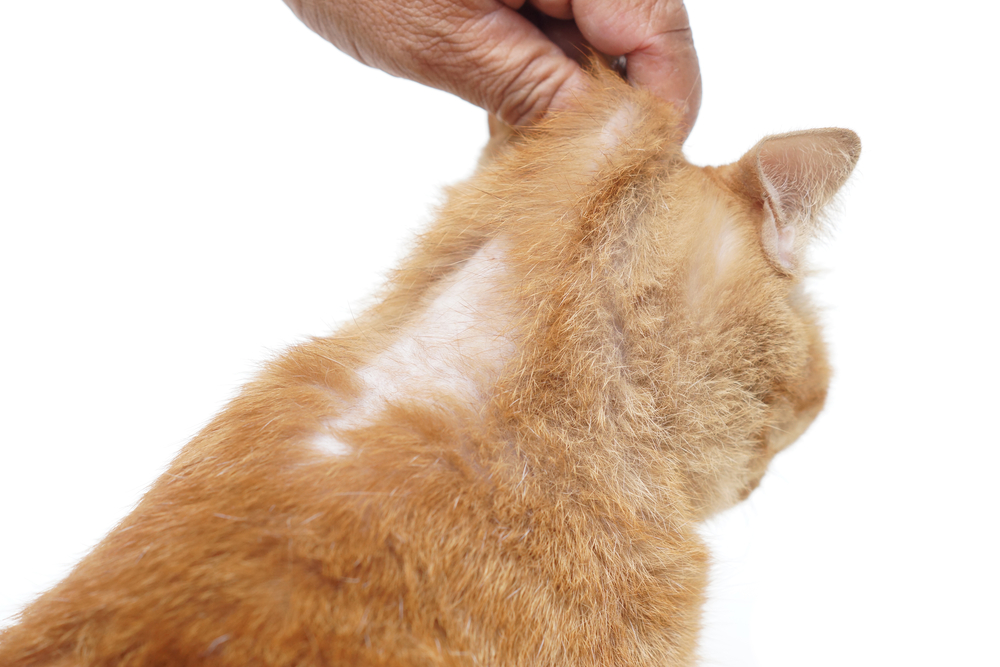
While it’s typical for cats to groom, over-grooming isn’t, and it’s important to find a vet as soon as possible, as it can rapidly reach the point of skin lesions, bald patches, and hairballs, and it may indicate a more serious health issue. This way, the vet can help your feline friend to stop the constant licking and biting and prevent pain and further skin irritation while getting down to the root cause of the issue.
Check out why over-grooming happens and what you can do to help your cat.

What Is Over-Grooming?
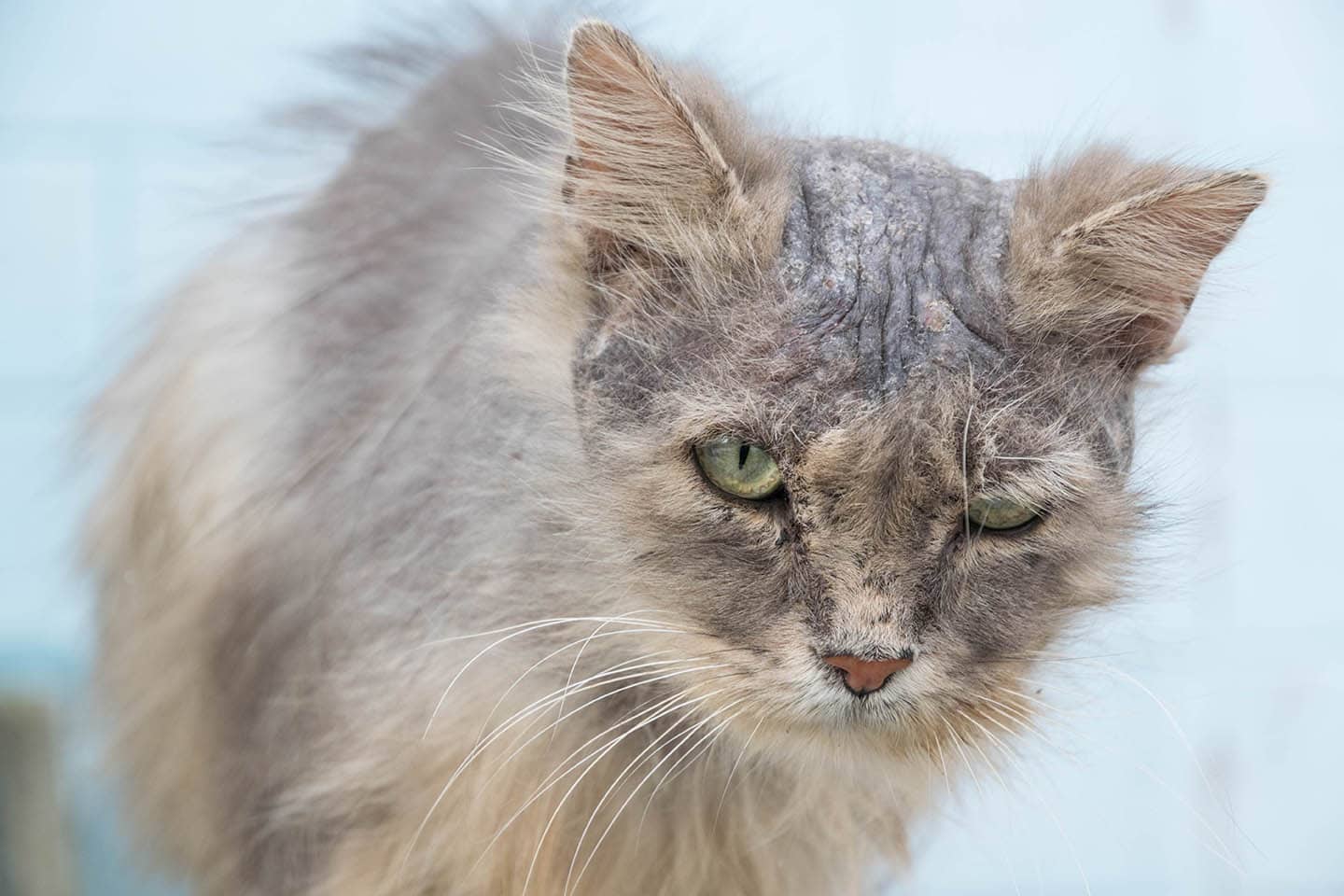
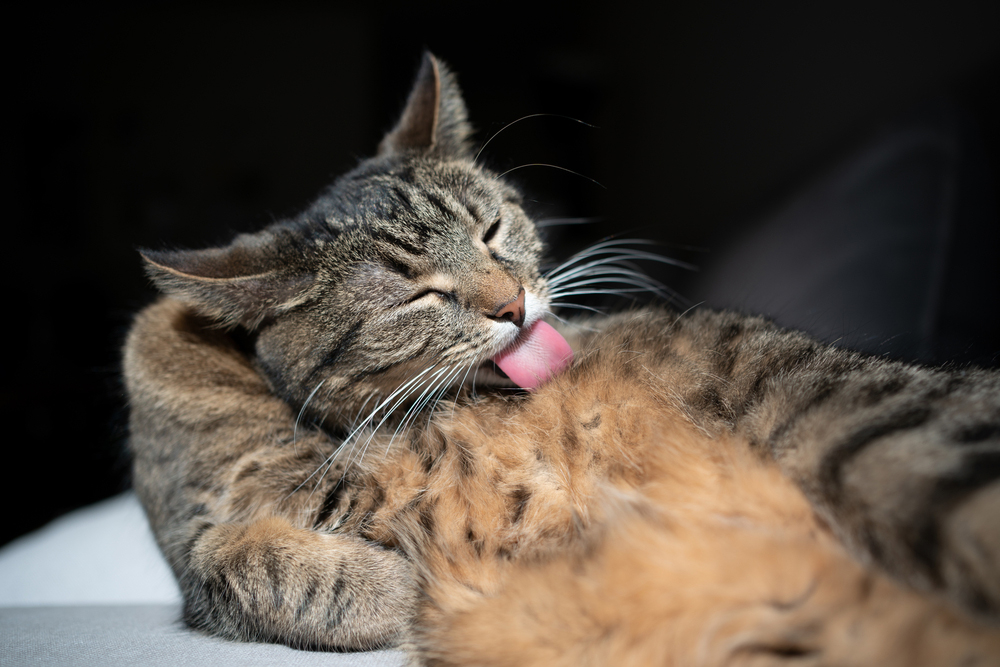
Most felines spend between 30 and 50 percent of their waking hours grooming themselves.1 However, your pet may be over-grooming if they start spending unusually long hours licking and nibbling compulsively, particularly in one area, so much that it develops skin sores, inflammations, or hair loss.
Regular grooming allows them to look good and “feel good,” but compulsive grooming could result from stress and discomfort. You may witness the incessant grooming sometimes, but there are signs to show as well.

Signs of Over-Grooming

Why Do Cats Over-Groom?
The two leading causes of compulsive grooming are medical and behavioral.
Medical Causes of Over-Grooming
Anything that causes your cat to feel itchy can change their grooming schedule, so it warrants medical attention. However, there are also a few non-itchy or less itchy skin conditions that may cause hair loss and skin changes. Some of the underlying causes of overgrooming may include:
Parasite Infestation and Ringworm
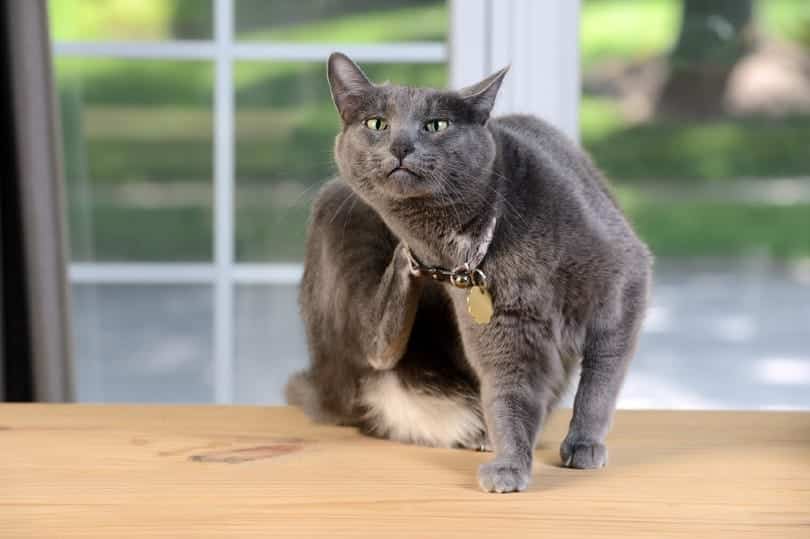
Lice, fleas, and mites are nearly invisible or tiny creatures that may irritate the skin and cause itching, which triggers over-grooming. If irritation occurs at the tail’s base, it could be flea infestations, while hair loss and scabbing at the ears could indicate ear mites.
The good thing is that you can stop compulsive grooming if your cat gets checked out by the vet, who can quickly identify and treat the parasites.
Contagious pathogens like fungus and mites can also cause skin lesions such as scaling, thickening, redness, scabs, and crusts, alongside hair loss. Mite infestation tends to be quite itchy, while ringworm usually isn’t itchy in the beginning unless there is a secondary bacterial infection. Your family vet can help rule this cause out by performing skin scraping and fungal cultures.
Skin Infections
Bacterial and fungal skin infections can also lead to hair loss, and, due to itchiness and discomfort, will often cause excessive grooming. These areas on the skin can be red and inflamed with swelling and discharge, often smelling unpleasantly or even forming an abscess. Sometimes a wound from a cat fight or trauma will cause the infection in the first place, or the excessive licking due to another underlying cause may lead to self-inflicted skin damage that gets infected. All skin infections need veterinary attention.

Allergies
An over-grooming feline could be portraying an allergic response or irritation to food, flea saliva, or other environmental elements such as pollen and dust. Your feline may chew their skin or scratch and lick excessively. Some cats suffering from allergies may also have digestive or even upper respiratory signs.
Allergic skin disease is suspected after other causes have been ruled out, such as parasites and infections, and is often a diagnosis of exclusion. Some cats may be referred to a veterinary dermatologist for allergy testing. The treatment will depend on the root causes of allergy and may include immunosuppressants, immunotherapy, antihistamines, antibiotics, flea preventives, and other medications.
Pain
If your cat repeatedly grooms a specific area, they could be in pain or uncomfortable. The licking could be easing the pain. If the cat is licking their genital area, they may have a urinary issue, particularly if there are signs of frequent urination, straining to pee or blood in urine.
Urinary issues are especially urgent in male cats, as they may lead to a life-threatening urinary blockage, which always needs emergency veterinary care. Middle-aged and older cats may suffer from arthritis, which causes joint pain and could lead to licking of certain areas on their legs or back.
Medical Conditions
Some endocrine disorders, such as hyperthyroidism, and systemic disease, like cancer and autoimmune disease, may lead to skin signs and hair loss. It’s important to speak to a vet if your cat is showing signs of over grooming, hair loss, or skin changes, as it usually indicates an underlying health issue and stress.
Skin Irritation
If your cat has come in contact with any irritants, such as floor cleaners, they may be licking their paws excessively. Major concerns are harmful and even toxic ingredients in such products that may cause skin irritation, mouth sores, ulcers, drooling, and damage to the esophagus if swallowed during grooming.
Always make sure not to use any harmful products and keep your cat out of the area that has been cleaned. Speak to a vet immediately if you believe your cat has come in contact with any dangerous chemicals.
Some topical feline only treatments, such as medicated shampoos, flea products, or even topical medications, may cause hair loss and skin irritation that leads to overgrooming.

Behavioral Over-Grooming
Behavioral self-inflicted over-grooming is a form of pervasive stress-relief mechanism that also causes psychogenic alopecia in cats. This form of alopecia is not as common as once believed, as many of the underlying skin and medical conditions often go undiagnosed. It can only be suspected in cats that do not have itchy skin disease and after all other potential causes have been ruled out by your vet, such as skin parasites, bacterial and fungal infections, allergic skin disease, endocrine disease, autoimmune conditions, skin cancer, paraneoplastic syndrome, pain, etc.
Psychogenic alopecia often causes felines to focus on grooming or plucking out hair from their bellies, inner thighs, or foreleg. It may appear as a line or stripe along the front legs, although they can also groom other places.
This condition can be chronic and is often prompted by several stressors, including permanent routine and environmental disruptions. It could be the absence of a particular family member, the inclusion of a stranger in the home, a perceived threat, building work, noise, or sudden conflict. It could be other cats too.
Many cats may not cope well in a multi-cat household or in the presence of other felines in the neighborhood. It may not manifest as aggression towards other cats, and the feline may even seemingly happily snuggle or play, but your kitty friend could battle with stress and resort to compulsive grooming to feel calm.
Although the behavior may stop once you remove the threat, it can be difficult for your cat to have control over it and may continue long after you remove the threat. While psychogenic alopecia isn’t life-threatening, it still causes discomfort to your cat alongside other health issues provoked by chronic stress and is a diagnosis of exclusions only after your vet rules out all the potential underlying medical causes.
Other behavioral causes include:

Ways to Stop Your Cat From Over-Grooming
1. Take Your Cat to the Vet
You’ll require a vet to rule out underlying medical causes. Some of the medical concerns include flea or mite infestation, ringworm, bacteria infections, fungal infections, metabolic conditions, allergic skin disease, pain, or even cancer.
The vet will need to evaluate the cat’s general health and medical history one by one in order to rule out the possible causes before confirming the exact underlying issue. Physical examination, skin scrapes, biopsies, microscopy, skin cultures, and lab work can help the practitioner make a precise diagnosis.
And, the vet will evaluate the underlying body part for possible discomforts, such as a urinary issue or arthritis in a joint, if the cat tends to over groom a specific body part.

2. Seek Help From a Behaviorist
Once a vet has ruled out medical concerns, you can now consider the over-grooming a behavioral issue. Grooming releases endorphins (feel-good hormones that make the cat happy) and may make them partake in this pleasurable and relaxing ritual to calm themself.
For this reason, it may make it hard for the cat to stop over-grooming even when they’re no longer stressed. A cat behaviorist or vet can advise you on how you can influence your kitty to modify the behavior.
The following steps for managing overgrooming only apply if the cause is stress and after your cat has had the all clear bill of health from a vet. Please do not assume stress is the culprit before getting your cat checked, as most often, an underlying illness is the actual cause. In a study conducted in 2006, only two out of 21 cats referred to a dermatologist had psychogenic alopecia without any medical causes, which makes this condition overdiagnosed.
However, if your cat has been diagnosed with a stress-related over-grooming by a veterinarian, consult with the behaviorist and identify the cause of stress so it can be eliminated or reduced.
3. Manage Stress
Some tips to manage stress in cats include:
Try to Eliminate the Sources of Stress
You may need to put in some considerable thought for this step because the sources may not be obvious to you. Try to have the cat’s perspective and reflect on any issue that occurred before the compulsive grooming. Cats don’t love change, so events like relocating, furniture rearrangement, new pets or family members, loss of a family member, boredom, and noise can trigger stress. If you’ve moved to a new home, keep your feline in one room for some time before you gradually introduce them to the rest of the house.
Develop a Routine
Observe your kitty’s daily routine as much as possible, with key events such as playtime, feeding, and exercise happening around at the same time every day.
Felines thrive in routine and consistency because it provides the stability they need. If you intend to disrupt their routine, ensure you gradually accustom the pet to the changes to limit the stress and help them feel settled naturally.
Play Therapy
The next most important step is to offer plenty of environmental stimulation. The enrichments could be in the form of interactive playtime, new play centers, perching areas, outdoor time, and brain games. It would also be best to vary the activities to keep the feline more interested. Play therapy helps stimulate a cat and offers them an outlet for their natural behaviors, like hunting.
Patience
While the medical causes for compulsive grooming can be treated or managed, behavioral over-grooming can be more challenging to manage in some cats and requires more time and patience. Any changes may flare up your cat’s tendency to over-groom when stressed, and their baldness and lesions can come and go over an extended period. Working closely with your vet and a feline behaviorist will help in finding the best treatment options for your cat.
Provide Hiding Spaces, Climbing & Scratching Spots
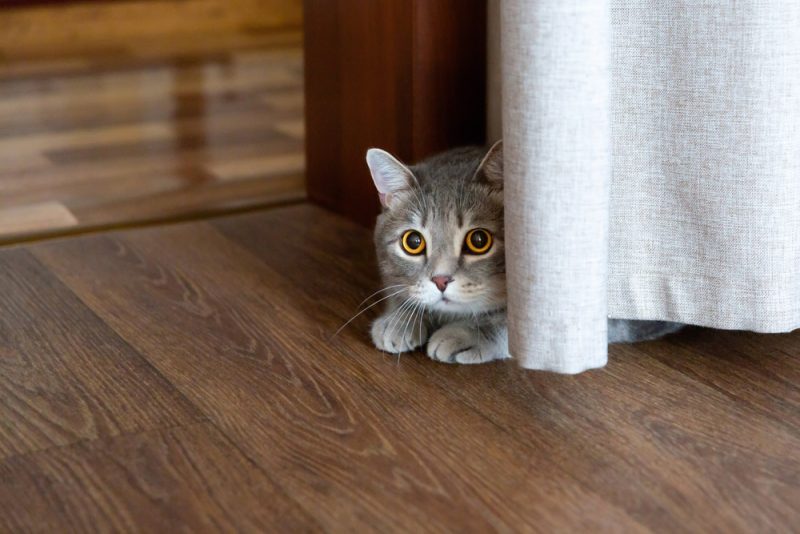
Give your cat a serene place to hide, rest, and feel secure. A safe spot can act as the cat’s retirement or break room, where they can go for a personal time out to help them deal with the stressful situation. It’s important to keep the noise and other pets or children out of this area.
It’s equally vital to offer climbing perches and scratching spots to keep the cat distracted. You can also offer them an elevated position for hiding spots to allow them to safely watch over the house.
The Hepper Hi-Lo Modern Cat Scratcher is a functional and stylish design that makes it the ultimate scratching spot for your cat – and a superhero in the battle against furniture destruction. Unlike most cat toys that end up being ignored, this one's a crowd-pleaser for both cats and their hoomans.

- Premium Materials - Hepper's cardboard scratcher is made with dense, B-flute cardboard, and a metal core. Encased in a 1/2" plywood frame with gloss coating. Stable and beautiful, use after use
- High, Low and Lower - A single cat scratch pad won't keep your cat engaged. 3 unique positions keeps them coming back, and back, and back again. Finally, something to get them away from the couch!
- Activates Muscles - The Hi Lo isn't just a cat nail file to stop the chief cat couch scratcher. The deep cat scratcher wave encourages maximum musculoskeletal activation for a healthier workout
With its 3 configurations, thick textured cardboard, and solid birch plywood frame, it encourages your cat's natural scratching instincts, so they stay away from your precious furniture, rugs, and curtains, among all other things they shouldn't scratch. The Hi-Lo is like your home's mini guardian, keeping it safe while looking super sleek and trendy.
At Catster, we’ve admired Hepper for many years, and decided to take a controlling ownership interest, so that we could benefit from the outstanding designs of this cool cat company!
Consider Synthetic Pheromones to Calm the Cat
A spray or a plug-in diffusing pheromone can help calm your cat, as well as reassure them and relieve stress. Feliway and other pheromone products mimic the scents that cats naturally produce when marking certain objects and areas as safe. You can spray it on objects to help the cat feel secure in their environment.

Drug Therapy
In some severe behavioral grooming cases, like psychogenic alopecia where there are signs of skin damage, a behaviorist and a veterinarian can offer additional medication recommendations and specific methods you can conduct in your home.
Your practitioner may recommend antidepressants and anti-anxiety medications you can trial, alongside the behavioral modification techniques. The ultimate goal would be to eventually wean the cat off the treatment plan once they feel balanced and safe in their home life again.
Hair Loss Without Over-Grooming
Over-grooming may cause bald patches on a cat’s skin, but it may not be the only reason why the fur isn’t healthy. Other possible causes for baldness may be spontaneous, without overgrooming or itching, and can include early ringworm or fungal infection, some types of mite infestation, or be cancer-related. In these cases, the cat is not seen overgrooming, but there is hair follicle damage and loss. However, these are less common and will often become itchy as the disease progresses and secondary bacterial or fungal infection occurs. Check with a vet for a proper diagnosis and a recommendation of ways to treat it.
Summary
It’s not uncommon to have an over-grooming kitty, but it can be particularly frustrating because there’s no quick or easy solution to the problem. So, be patient, and consult a vet as soon as you notice the issue so they can help with the situation, as most causes for over-grooming are due to underlying medical conditions that cause the skin to be itchy or uncomfortable. Less commonly it’s a behavioral issue related to stress and the skin itself is not the problem.
The bottom line is that compulsive grooming in cats is preventable as long as the root cause is promptly identified and adequately managed.
Sources
Featured Image Credit: catinsyrup, Shutterstock

Expert cat care, straight to your inbox
Vet-reviewed advice, behavior tips, and the best of Catster. Free, and you can unsubscribe anytime.
By signing up, you agree to our Terms & Conditions and Privacy & Cookies Policy.
Christian started writing for a local newspaper as a teenager, and he's been involved in the publishing industry for most of his adult life. Combining his love of writing with a passion for animals, he is currently the Director of Editorial at Pangolia and the Editor-in-Chief at Catster.
Christian lives in the Philippines with his wife, son, and four rescue cats: Trixie, Chloe, Sparky, and Chopper.
Join the conversation
Ask a question, share your story, or send private feedback.