Cat Breeds With Very Short Legs: The Ugly Truth Behind The Munchkin Craze

In this article
One notable advantage that cats have held over their canine brethren is that, generally speaking, their form and physiology haven’t been significantly altered through selective breeding. Sure, there are the increasingly squishy-faced breeds like Persians and Exotic Shorthairs we need to watch out for, and the cartilage-contorting mutation behind the trademark ears of the Scottish Fold, but for the most part, a cat still looks like a cat. Recently, however, there has been a worrying increase in the popularity of cats that are, by their very nature, born unhealthy, and one trait working its way into multiple cross-breeding creations is very short legs.
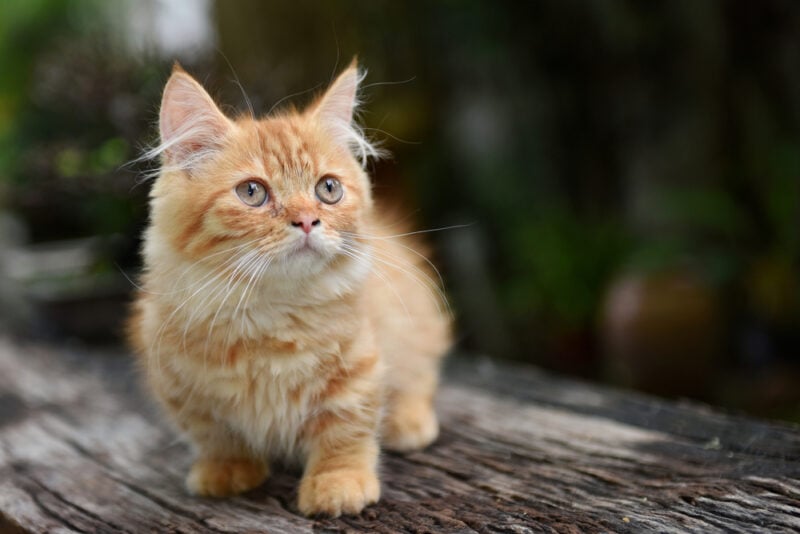
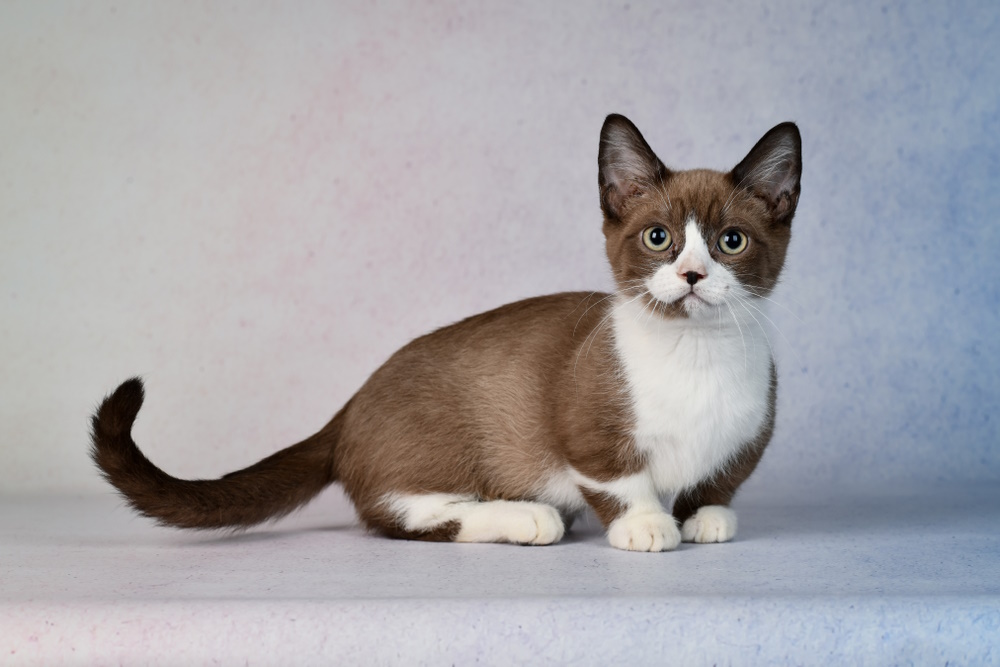
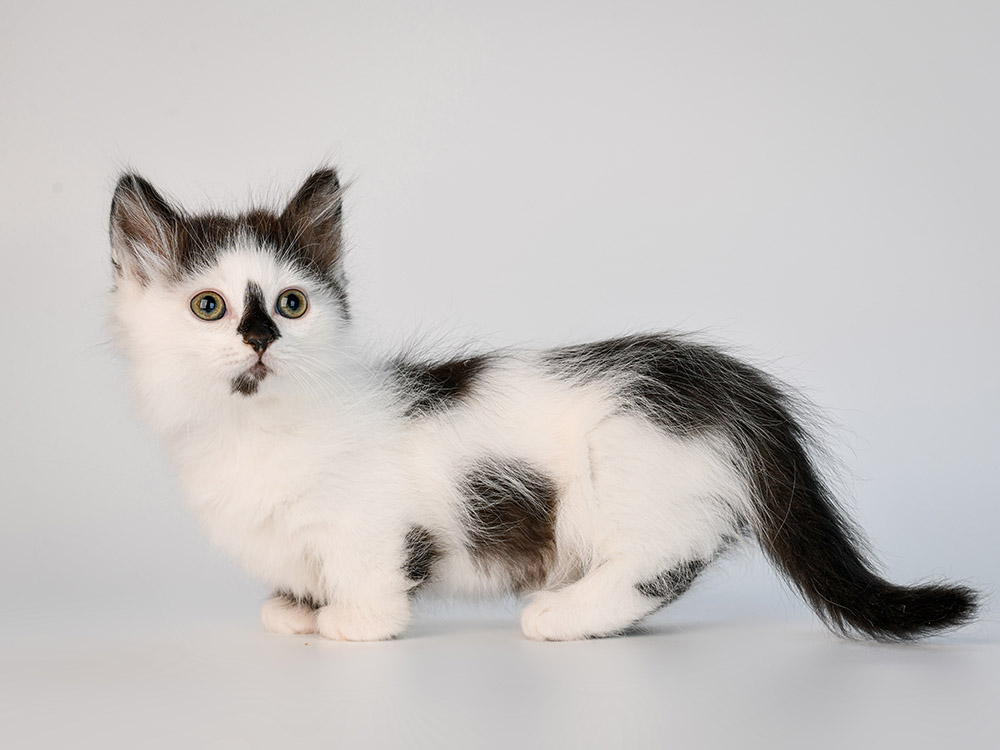
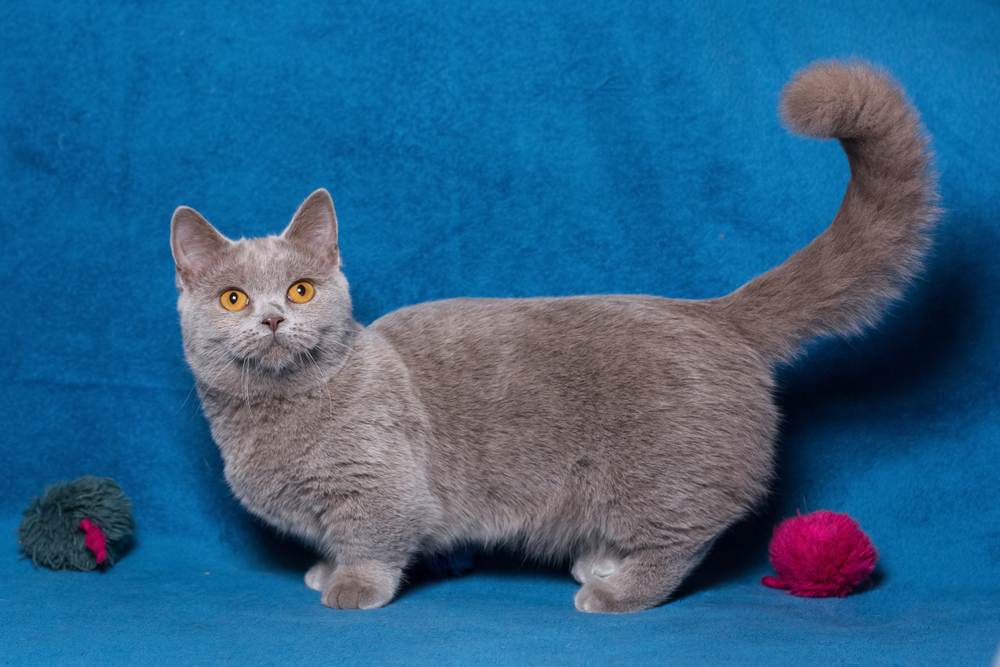
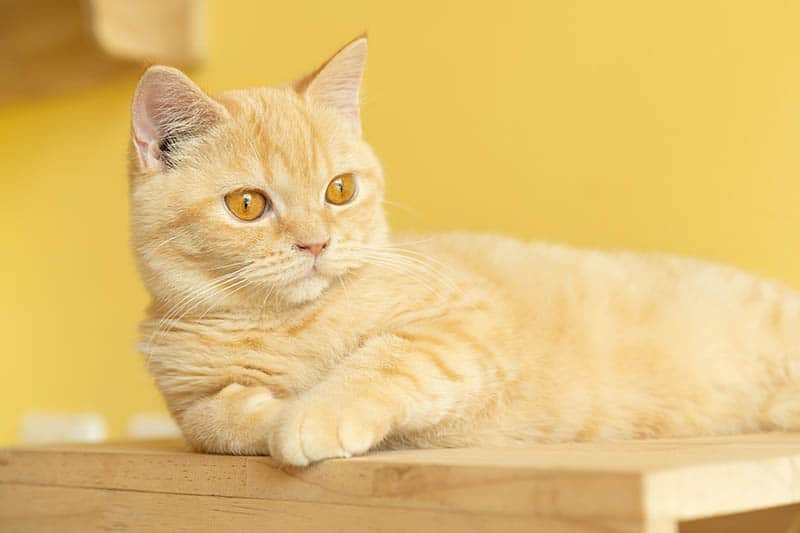
The Munchkin cat, a relative newcomer to the feline world, is undeniably adorable. However, there is no escaping the fact that their long back and short, stubby legs are the product of a pretty serious genetic mutation. And though we certainly wouldn’t want a cat with a physical deformity to be shunned or rejected, deliberately and intentionally breeding animals with harmful conditions just because they look cute is hugely concerning.
You might be thinking that breeding and buying short-legged cats is no different from breeding and buying dogs like Dachshunds and Corgis, and to a certain extent, you’d be right. However, when we look more closely at the genetics behind dwarfism in cats, it stops being a matter of opinion and becomes a matter of welfare and ethics.
Let’s dig a little deeper into Munchkin cats and see how their short-legged genes are creating new, short-legged breeds.

The Trouble With Munchkins
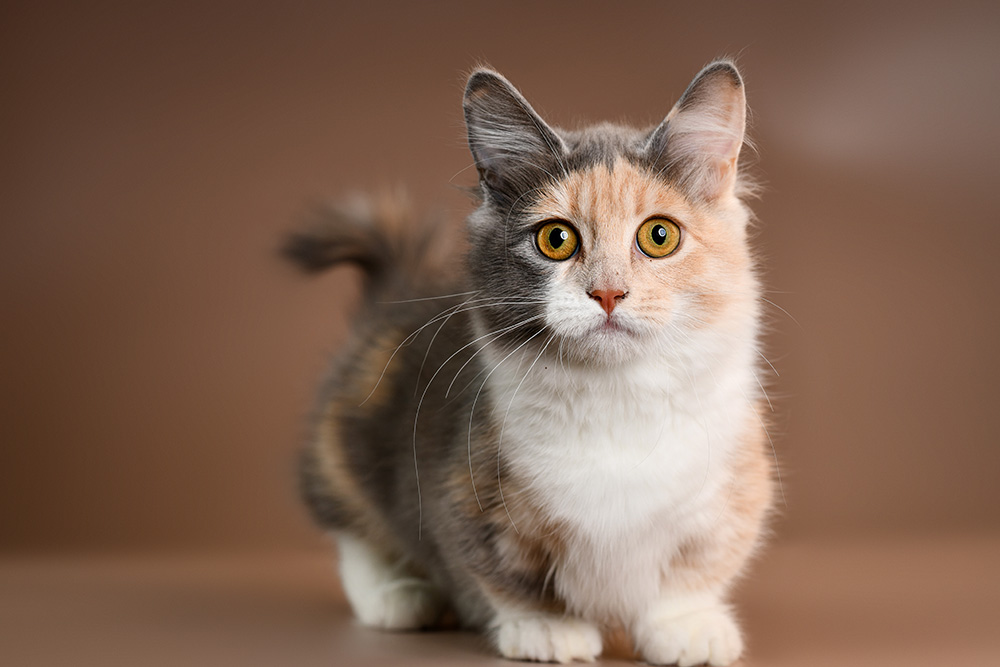
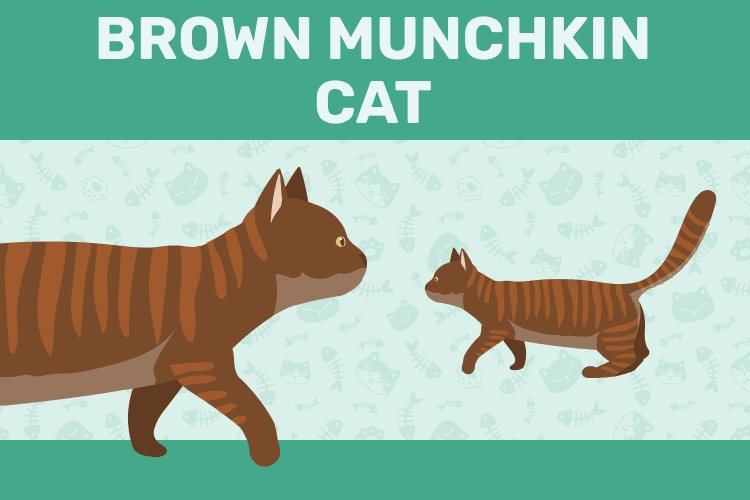
Munchkin cats, also known as Midget, Dwarf, or Sausage cats, are a relatively new breed. The International Cat Association (TICA) controversially recognized the Munchkin in 1997, and remains the only international cat registry to have done so. Their short stature and miniaturized features result from a deleterious genetic mutation, osteochondrodysplasia, that prevents the long bones from growing normally, resulting in short, thickened limbs prone to mobility problems and early-onset arthritis. Unlike the similar mutation that causes similar features in certain dog breeds, the Munchkin mutation is dominant, so only one copy of the mutated gene is needed to produce dwarfism. Inheriting two copies of the dwarf gene is fatal, and these kittens do not survive to birth. A responsible cat breeder would ordinarily screen for this sort of mutation to avoid introducing harmful genes into the population. Instead, it is being deliberately used to create kittens that are very cute, but fundamentally unhealthy.
Although dogs like Dachshunds and Corgis often have significant health issues associated with their disproportionate anatomy, they do not carry the same type of lethal mutation as the Munchkin cat. Additionally, given that these dwarf breeds are relatively new in the cat world, we have a much greater chance of stopping the spread of their genetics than in a long-established dog breed.
Veterinary professionals, animal welfare advocates, and cat lovers around the world have expressed concern over the rising popularity of dwarfism in cats, while fans of the breed insist that the cats enjoy normal, happy lives. Several countries, including Australia, Belgium, and the Netherlands, have laws restricting or banning the breeding of these cats.
This lethal, double-dose risk means that mating two Munchkin cats will result in small litters and a high rate of embryonic death, and is considered extremely unethical. As a result, breeders must pair a Munchkin cat with a standard, domestic cat, meaning that a completely purebred Munchkin cat doesn’t actually exist!
A standard Munchkin is usually created using either a healthy domestic short- or long-haired cat. However, there have been some increasingly creative hybrids appearing, many of which are cause for serious concern.
8 Cat Breeds with Very Short Legs
Here is a list of some of the emerging Munchkin-hybrids:
1. Minuet

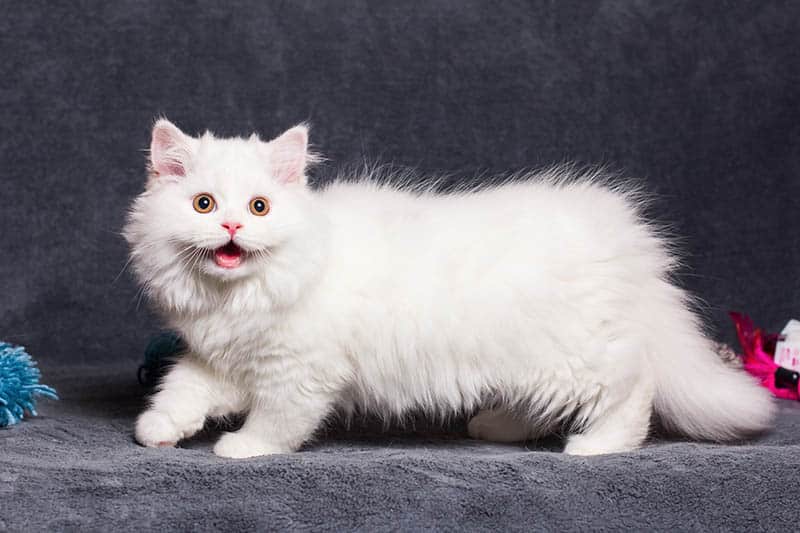
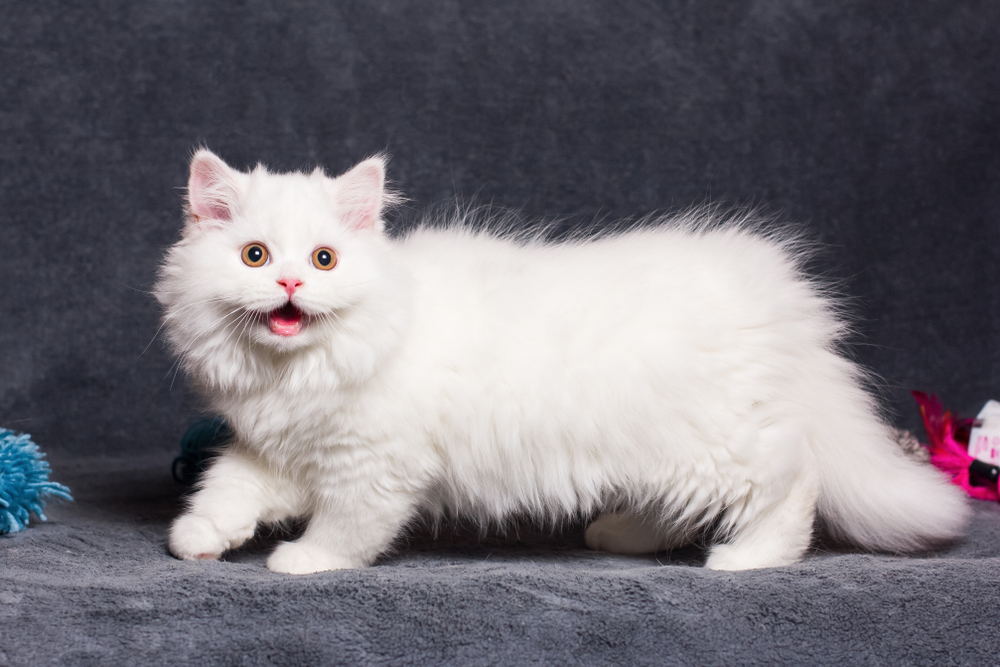
Formerly known as the Napoleon cat, after the infamous French leader Napoleon Bonaparte, the Minuet was developed by crossbreeding the Munchkin cat with a traditional, or doll-face Persian. They retain many Persian features, including a round face, round eyes, long hair, and a broad nose, but do not suffer from the brachycephalic issues in the more familiar, flat-faced Persian breed. The length of the Minuet’s coat depends on whether the Munchkin was of a short- or long-haired variety.
2. Skookum

Skookum cats are another Dwarf hybrid, but this time, they’re crossed with the Curly LaPerm cat. The Skookum coat is quite variable in both color and length. However, there are a couple of traits they normally share. However, most have a long tail that is plumed at the tip, and whether long or short, their fur is crimped and curly.
3. Lambkin

Like the Skookum, the cute furry Lambkin is still considered an experimental breed and not recognized by any major cat organizations. They're produced from a Munchkin and a Selkirk Rex, and despite their genetic issues, they reportedly have an explosive personality.
4. Kinkalow

Out of all of the Munchkin hybrids, the Kinkalow is among the rarest. It’s a cross between an American Curl cat and a Dwarf Munchkin. They have the short legs of a Munchkin cat, the upturned curled ears of the American Curl, and a long straight tail.
5. Bambino

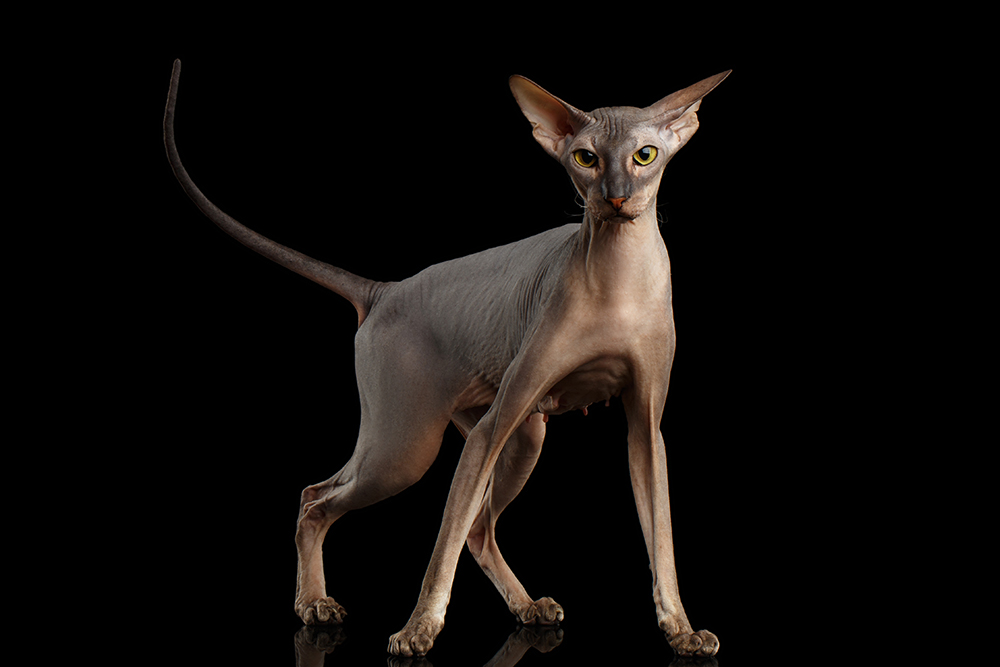
The Bambino truly is one of a kind. It’s a hairless, short-legged breed deriving from Sphynx and Munchkin cat lineage that is nothing if not unique.
6. Dwelf cat

If the Bambino had you raising your eyebrows, the Dwelf cat will send them through the roof! A questionable genetic cocktail that combines the skin mutation of the Sphynx with the American Curl and Munchkin. The result is a dwarf, elf-like creature, which is where it gets its name.
7. Minskin
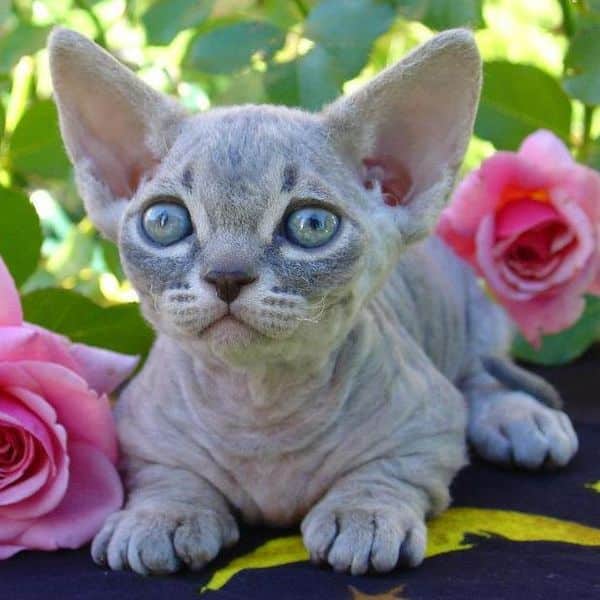
If you’re after a compact, hairless, miniature creature that bears a passing resemblance to a cat, look no further than the Minskin. A mix of Sphynx, Devon Rex, Burmese, and Munchkin, this little kitty may be covered in soft peach fuzz, have a velvety coat, or be completely hairless.
8. Scottish Kilt

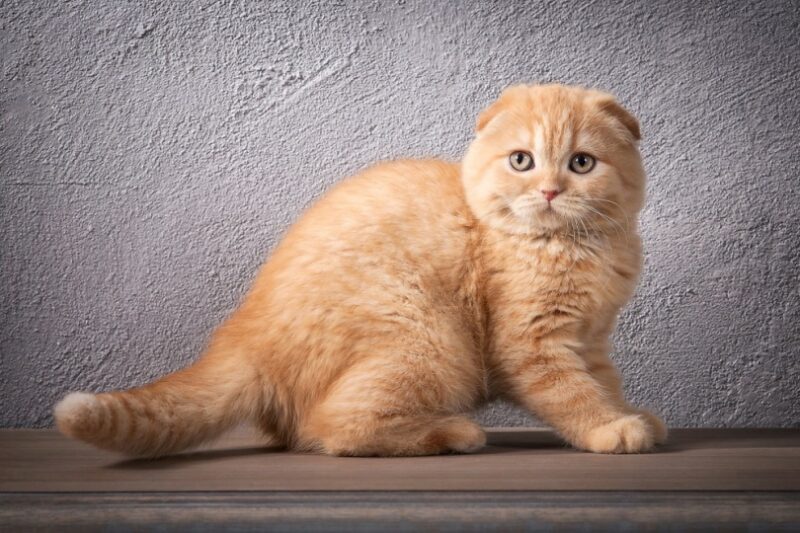
This disastrous cross between the Munchkin and Scottish Fold is nothing short of a genetic car crash. Unlike the American Curl, whose upturned ears do not appear to come with any other significant effects, the mutation that gives rise to the trademark Scottish Fold ears is similar to that of Munchkins. Not only does it affect the ear cartilage, but the mutation also results in malformation and incomplete cartilage development throughout the body, making these cats prone to mobility issues, arthritis, and chronic pain. Like in the Munchkin, the chondrodysplasia mutation in Scottish Folds is dominant, but rather than causing embryonic death, cats that inherit two copies of this gene simply suffer more severe side effects, with many affected cats euthanized at a young age on humane grounds. The Scottish Fold has also been the subject of great controversy, with the breed now banned in several countries.
About Short-Legged Breeds
As you’ve no doubt worked out, these short-legged cat breeds are considered very controversial in the world of cats, and their breeding is actively discouraged by many veterinarians, animal welfare organizations, and cat registries. Due to the genetic mutation behind its appearance, the Munchkin breed is inherently unhealthy. Mixing it with cats that have other problematic mutations is irresponsible and unethical.
Many countries have banned the breeding of Munchkin cats and their hybrids, and when you consider the potential suffering of cats created from the blending of such catastrophic mutations, it’s hard to imagine why anyone would think it’s a good idea.
On its own, the Munchkin cat commonly suffers from numerous health problems, including joint disease, arthritis, lordosis (swayback), and pectus excavatum, a cartilage deformity of the sternum and ribs. When mixed with a robust and healthy breed, these problems may be somewhat diminished. When combined with cats that have similarly worrying genetic mutations, like the case of the Munchkin-Scottish Fold, the result is nothing short of disastrous.
These adorable dwarves might seem like a good idea, but are perhaps best left to our imagination.
Please note that in the list that follows, only the 1st breed is recognized by a single cat registry (TICA). The other breeds are all experimental, therefore, we currently lack sufficient information about the full extent of the possible health issues they would face as pets. It also means that no international cat registry would recognize them; if you intend to have your cat compete in cat shows, opting for an experimental breed may result in disqualification.


Conclusion
It’s easy to be distracted by the cute, quirky, and undeniably sweet appearance of many of these dwarf kitties, but it’s important to remember that these unusual cats often suffer from serious health issues, with genetic mutations so severe that two copies are fatal. If you’re still keen to bring one of these cats into your life, we recommend contacting animal shelters or looking for breed-specific cat rescues for dwarf cats in need of a loving home.
Featured Image Credit: Linn Currie, Shutterstock

Expert cat care, straight to your inbox
Vet-reviewed advice, behavior tips, and the best of Catster. Free, and you can unsubscribe anytime.
By signing up, you agree to our Terms & Conditions and Privacy & Cookies Policy.
Christian started writing for a local newspaper as a teenager, and he's been involved in the publishing industry for most of his adult life. Combining his love of writing with a passion for animals, he is currently the Director of Editorial at Pangolia and the Editor-in-Chief at Catster.
Christian lives in the Philippines with his wife, son, and four rescue cats: Trixie, Chloe, Sparky, and Chopper.
Join the conversation
Ask a question, share your story, or send private feedback.