Caring for Pets While Serving in the Military: 10 Vet-Approved Tips



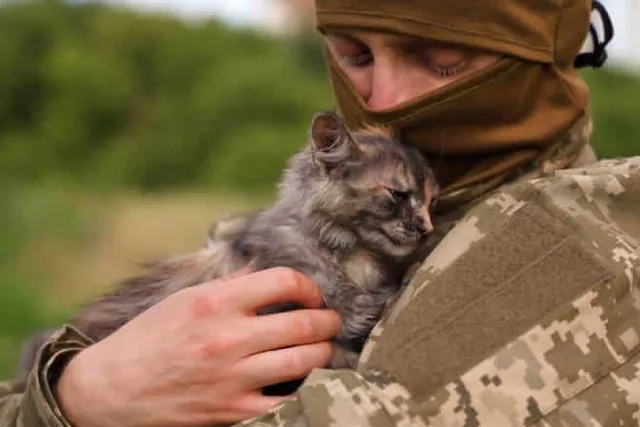
The pet owners among the 2.13 million active military personnel all face the same problem when they serve: how to care for their animal companions1. These individuals are heroes worthy of our thanks and praise, and we understand how gut-wrenching it must feel to leave pets behind while protecting the country. Fortunately, many options exist for our military to rest assured that all is well on the home front.
The situation is stressful all around because our cats and dogs truly love us. Many pets have a difficult time being away from their owners, with some developing unwanted behaviors like separation anxiety. The critical thing is to have a plan to make the upheaval as easy as possible for you and your pet.

The 10 Tips to Care for Your Pet While Serving in the Military
1. Figure Out the Answers to the Tough Questions Before You Leave
While it may be hard to do, you should consider the tough questions before you leave. Whoever takes care of your pet will appreciate your foresight. It’s also essential if contacting you might be difficult, particularly if you’re stationed overseas. That includes matters like emergency care and euthanasia. You’ll do yourself a favor too. It’s undoubtedly easier to make these decisions when not in an emotional situation.

2. Set Up Financing for Pet Expenses Before You Deploy
Owning a pet is a financial responsibility, with food typically making up over 40% of the animal’s daily care alone.2 Setting aside roughly $2,500 a year will leave enough to cover most routine expenses such as food and medical costs.3 It’s important to note that annual expenses vary by species, breed, age, and health situation. You can also get a credit card or separate bank account just to handle these costs.
3. Sign Up for Pet Insurance
Pet insurance is a brilliant backup option to cover the unexpected. It can take care of expenses such as emergency surgery. You can also opt for a wellness plan for routine items like vaccinations. Your premium payments are minimal compared to the costs of major medical events. Many insurers also provide discounts for military personnel.

4. Take Care of Any Routine Needs
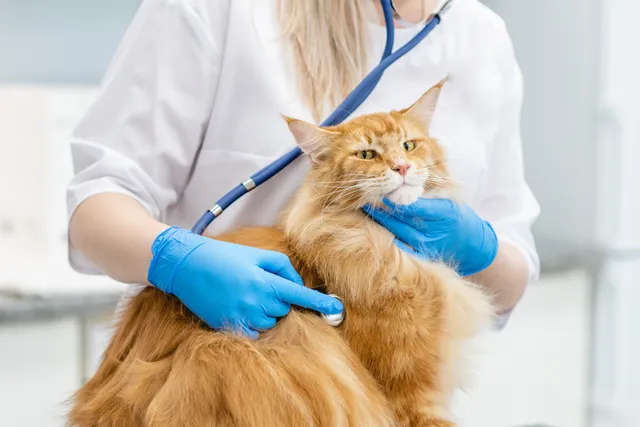
We recommend taking care of any routine needs before you leave home. That includes things like ordering heartworm medication, getting vaccinations done, and microchipping your pet if you haven’t done it already. If you have a puppy or kitten, ask your vet about spaying or neutering your animal companion.
5. Ask Your Friends and Family to Help
The chances are your pet knows someone well among your family and friends. Having them temporarily take care of your animal companion is an excellent option for minimizing the stress of you going into service. Familiar people will be comforting and provide an emotional anchor when everything else is in disarray. However, don’t be hurt if they decline. After all, pet ownership is a significant responsibility.

6. Find a Foster Home for Your Pet
Many organizations will help military personnel by finding foster homes for their pets. Several are run by individuals who have first-hand experience with your situation. They go the extra mile to ensure a good fit for a home and a pet. Some require application processing time, so early planning is essential.
Ones that you can check out include the following:
They can provide additional support for other questions and concerns you may have about being in the military with a pet.
7. Tap Into the Services of Sittercity.com
Sittercity.com is an option if you don’t anticipate being gone long. They can match you with a pet sitter to meet your needs with its free membership for military personnel. That includes individuals in the National Guard. The great thing about this service is the organization vets the sitters for you to give you the peace of mind you need before you leave home.

8. Make a Written Agreement
While it may sound impersonal and cold, we strongly urge you to write down everything, even the answers to those tough questions. It’ll ensure your wishes are carried out, even if you’re not there to make them in person. It also benefits your pet’s caregiver. They’ll know what to do if they can’t contact you.
9. Investigate SPCA International If You Get a Permanent Change-of-Station (PCS)
If you get a PCS, the military will foot your expenses to move. That’s not the case with your pet. However, SPCA International can provide financial assistance to military personnel in this situation. The organization’s mission is to ensure you can take your pet with you and not be forced to surrender them if you can’t afford the expenses.

10. Check Into On-Post Military Veterinary Facilities
We suggest checking into on-post military veterinary facilities if you’re fortunate to have your pet with you. After all, dogs and other animals are vital members of the military. They need care while in service. You may get significant savings by taking your pet to these places for care instead of going to another vet clinic. If they’re not available, ask your local vet hospital about military discounts.
Conclusion
Many of us find it hard to leave our pets when we go on vacation, even if it’s just for a few days. It’s a different story altogether when you’re talking about an extended leave. Luckily, you have many options, with organizations more than willing to help military personnel who find themselves in these situations. Planning will also make things easier for you and the person you entrust with the care of your pet.
See also: AI & Pet Care According to Vets
Sources
Featured Image Credit: Konstantin Aksenov, Shutterstock
Expert cat care, straight to your inbox
News, insights, and useful advice, delivered to you.

No spam — unsubscribe anytime.
By signing up, you agree to our Terms & Conditions and Privacy & Cookies Policy.
How useful was this post?
Click a star to rate. You can leave written feedback afterwards. (We read all feedback.)
Chris has been a science-focused pet writer since 2009, specializing in health and the environment. She lives with her husband Norm and three amazing cats in the land of 10,000 lakes. When she's not writing about cats, Chris also enjoys boating and sampling wine. She has her WSET 1 and 2 certifications and is currently pursuing her Certified Wine Specialist Award (CSW).