Can You Shave a Cat With Human Clippers? Vet-Verified Facts to Consider & Tips


In this article
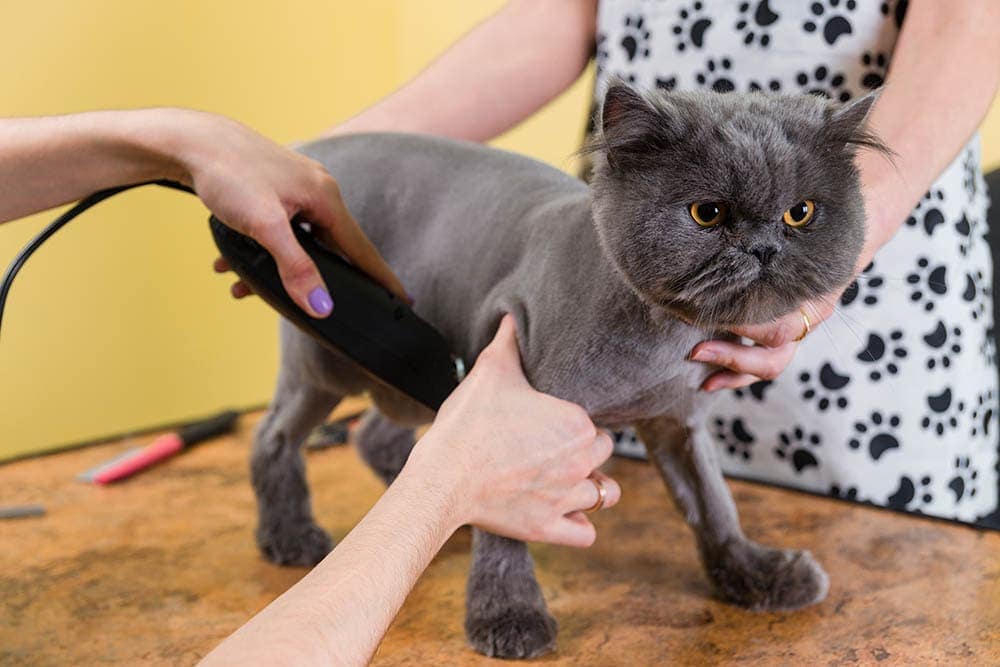
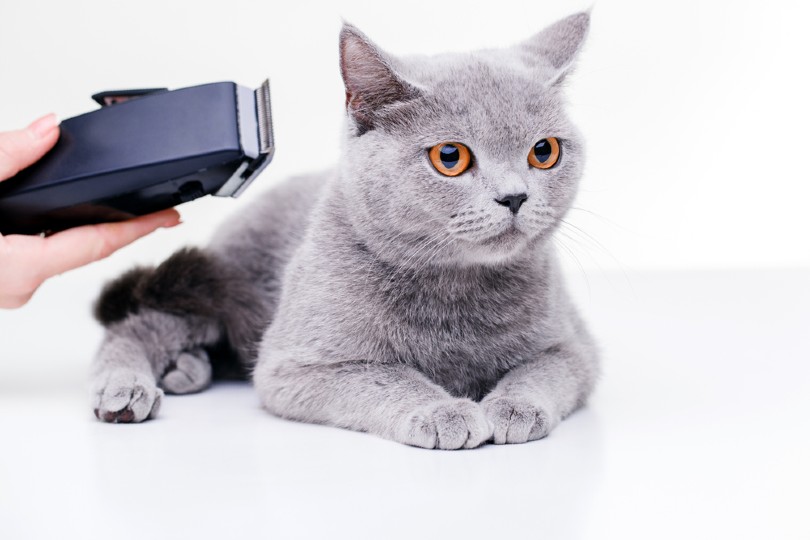
In certain circumstances, a cat might need shaving. While this is pretty rare, you might find yourself needing to clip your cat’s coat for a few different reasons. But can you use human clippers? The answer is that it depends, and sometimes they can be used, but they are not always the best option.
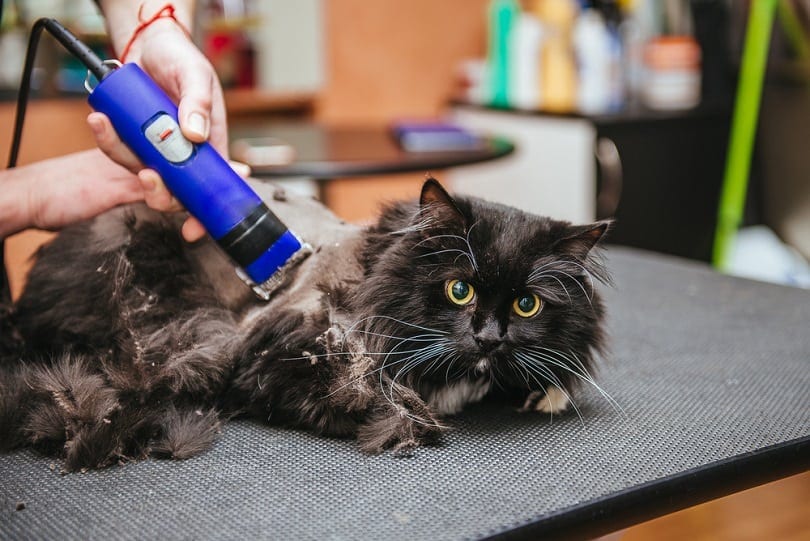
While you could use human clippers to shave your cat, it would be preferable to use clippers designed for animal use instead.

Can You Shave a Cat With Human Clippers & Why Are Pet Clippers Better?
Human clippers are designed specifically to trim human hair, and the same is true for pet clippers! Your cat’s soft and shorter hair may end up getting jammed in human clippers. This can create painful tugs on your cat’s skin and even end up nicking them.
This will probably not make your cat happy, meaning clipping time is going to be stressful for you both.
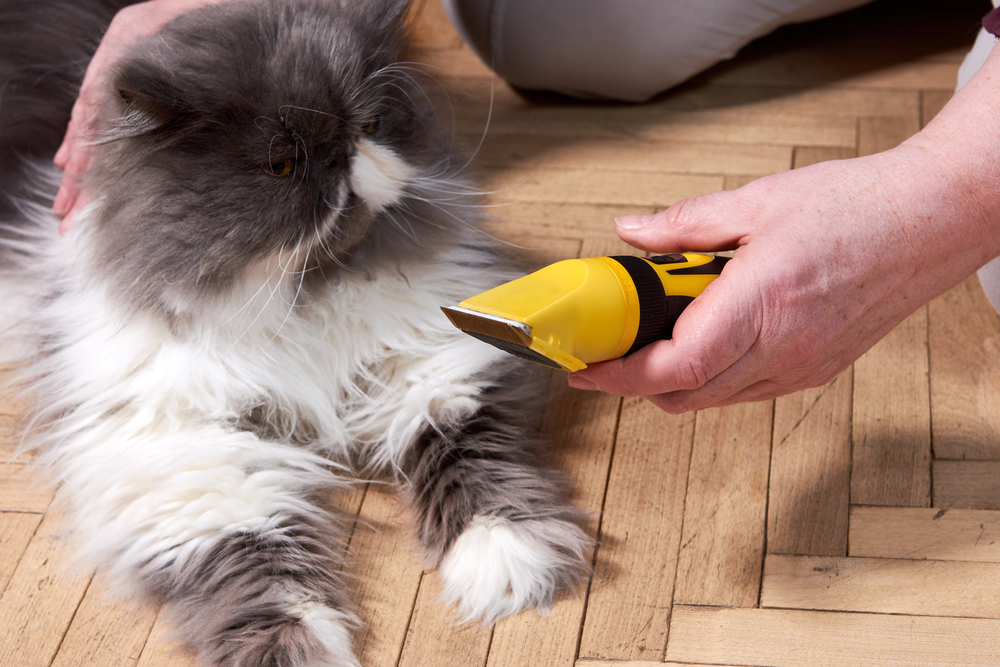
Pet clippers are much quieter and are designed to work longer without overheating, and have specific blades designed for pet hair. Whenever possible, it’s always preferable to use pet clippers over human clippers.

Reasons for Shaving Your Cat
Before you go ahead and shave your cat, make sure you are doing it for the right reasons, and check with your vet.
Valid reasons include:
Areas to Shave
Very rarely do cats need a full-body clip, and in fact, most vets advise against these for comfort reasons. A cat’s fur helps keep them cool in the summer and warm in the winter, so there’s rarely a reason to remove all of your cat’s fur.
There are a few different shaving patterns that might be recommended for welfare issues.
A belly shave can help prevent shedding and matting on your cat’s stomach. This style of shave is only necessary for long-haired cats who get excessive matting or hairballs. You won’t be able to see the belly shave when your cat is walking around normally.
A sanitary cut shaves away the fur around your cat’s anus. This is useful for longhaired or overweight cats that have trouble cleaning this area. Shaving the fur helps them stay cleaner. You may decide it’s easier and safer to ask your vet or a professional groomer to carry out this shave for you.
A comb cut strips away some of your cat’s fur but doesn’t shave it all. This is best carried out by a professional groomer, as they’ll know how to strip away the fur and how much to trim. Their professional experience means you’ll hardly notice your cat has had a haircut, but they’ll still feel the benefit.
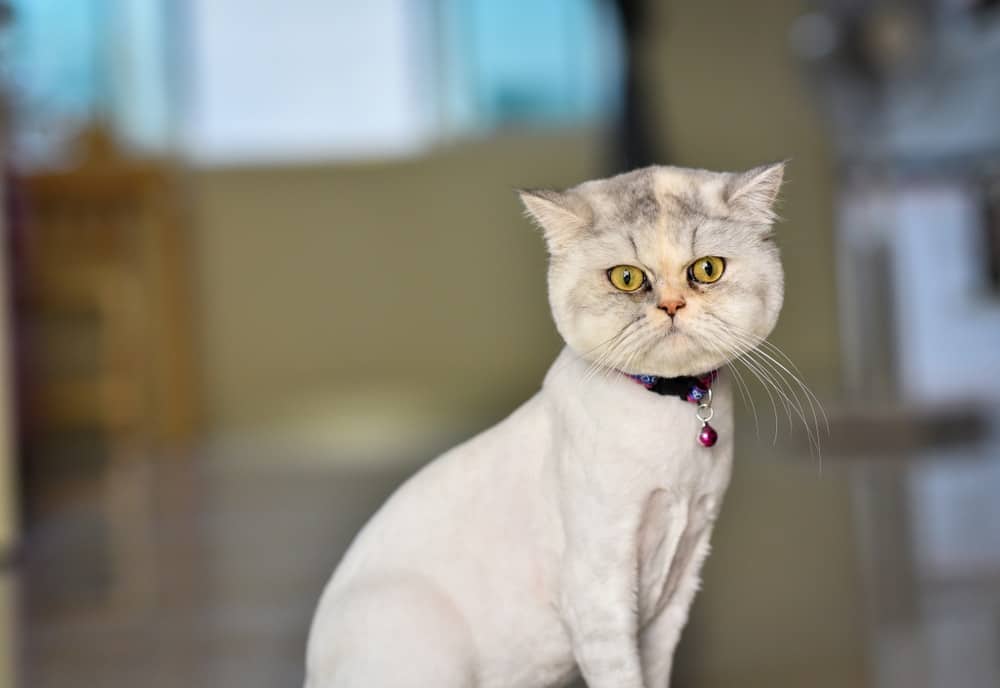
There’s also a shaving pattern called the “Lion Cut”. This removes all your cat’s fur on their body while leaving their head, paws, and tail covered. While it does look cute, there’s no benefit for your cat from this cut, and in fact, it can leave them unable to correctly regulate their body temperature. They’ll also be at higher risk of getting sunburn.
Consider Taking Your Cat to a Groomer
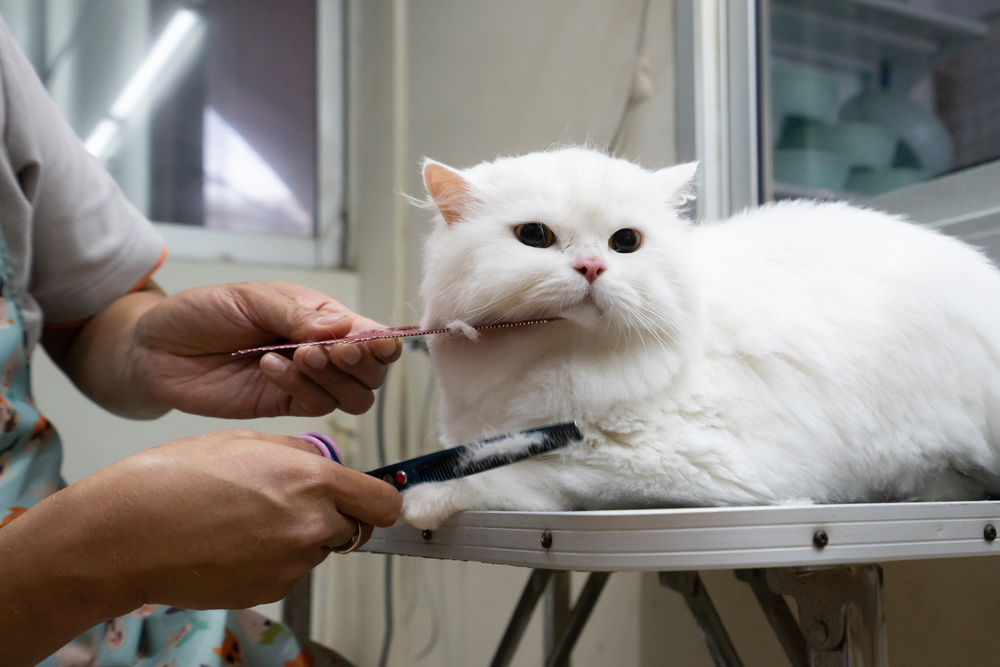
Shaving your cat can be a stressful experience for both of you! Before you go ahead, consider booking your cat in for an appointment with a professional groomer instead. They will have the right equipment and may even be able to thin your cat’s coat out without having to shave it instead.

How to Shave Your Cat (Step-by-Step Guide)
If you do need to shave your cat yourself because of any of the reasons mentioned above, here are a few tips!
1. Collect Your Equipment
When you shave your cat, you’ll need:
It’s going to be much easier to shave your cat if you have another pair of hands, so it’s best to wait until there are two of you to attempt this!

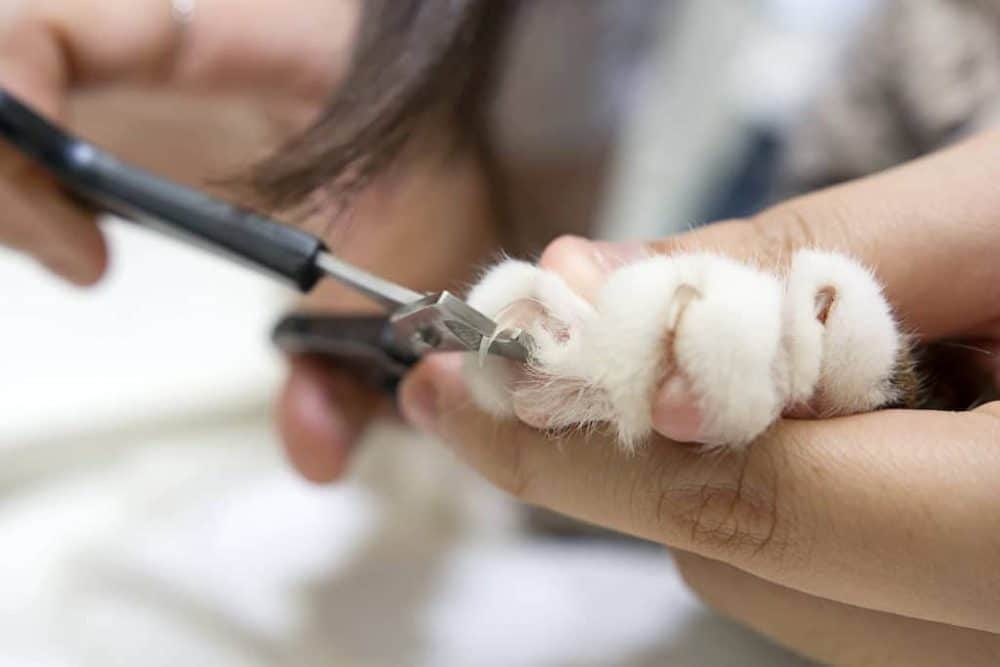
2. Trim Your Cat’s Nails First
Even if you’re wearing gloves and your cat is placid, they might use their nails as a warning if you hurt them during shaving. To minimize the potential damage, trim your cat’s nails first so they’re not too sharp.
3. Acclimatize Your Cat to the Clippers
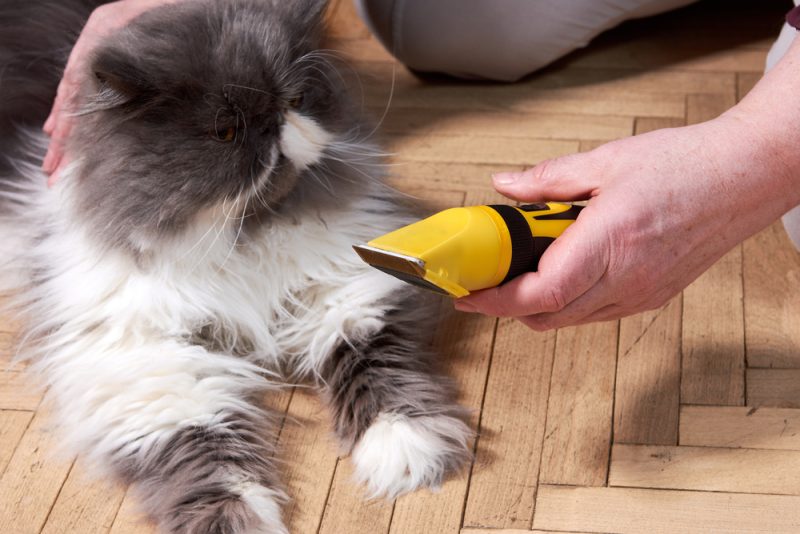
If you have time, before you start the actual shaving, schedule a few sessions to get your cat used to the sound and vibration of the clippers. Set your cat on the table or area that you’re going to shave them, and turn the clippers on. Place the clippers near your cat, but don’t actually start clipping them. Reward your cat with treats and praise if they stay still. You can also place the clippers on your cat’s body, so they can feel the vibrations.
After a few sessions like this, you should be able to judge if your cat is relaxed enough for you to start clipping them.
4. Clean Your Cat’s Fur
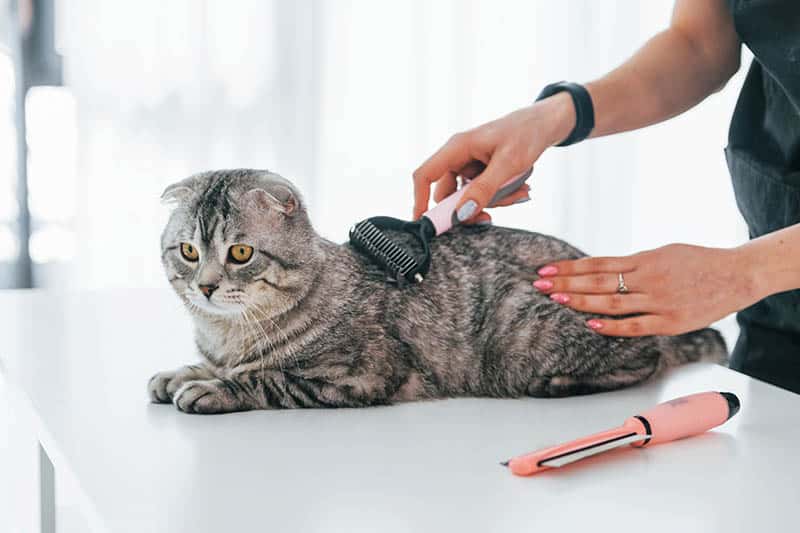
Clean hair is far easier to shave than dirty fur. While cats do a great job of keeping themselves clean most of the time, it’ll help to run a brush through their fur to untangle any knots and remove shedding hair.
5. Start Shaving Your Cat
Cat’s skin is quite loose, so make sure you stretch it taut to stop the clipper blades from catching and nicking it. You can start by moving the clippers in the same direction as your cat’s fur and then moving them in the opposite direction to tidy everything up if you’re going for a shorter cut.
Don’t cut your cat’s fur too short, as this can lead to uncomfortable ingrown hairs or clipper rash. If you’re shaving your cat for medical reasons, ask your vet what length they recommend leaving the remaining hair.
6. Regularly Check the Clipper Temperature
Clippers can get hot, which feels uncomfortable against your cat’s sensitive skin, and can even end up burning them. Every few minutes, check the temperature of the clippers against the back of your hand. If they’re too hot, take a break to let them cool down. Regularly lubricating the blades with clipper oil will also keep them operating at their best and stop them from overheating too often.
7. Do Not Shave Your Cat’s Paws or Face
Leave your cat’s face and paws unshaved. These delicate areas can easily be cut if the clippers slip or your cat moves.
8. Bathe Your Cat
Bathing your cat after they’ve been shaved may help remove loose hairs that could irritate the skin. This should only be considered for cats that tolerate bathing, as stress and handling can outweigh any potential benefit.

Wrapping It Up
Have you ever had to shave your cat with human clippers? Did it work? We’d love to find out more!
Related Reads:
Featured Image Credit By: KDdesignphoto, Shutterstock

Expert cat care, straight to your inbox
Vet-reviewed advice, behavior tips, and the best of Catster. Free, and you can unsubscribe anytime.
By signing up, you agree to our Terms & Conditions and Privacy & Cookies Policy.
Emma is a freelance writer, specializing in writing about pets, outdoor pursuits, and the environment. Originally from the UK, she has lived in Costa Rica and New Zealand before moving to a smallholding in Spain with her husband, their 4-year-old daughter, and their dogs, cats, horses, and poultry. When she's not writing, Emma can be found taking her dogs for walks in the rolling fields around their home...and usually, at least some of the cats come along, too! Emma is passionate about rescuing animals and providing them with a new life after being abandoned or abused. As well as their own four rescue dogs, she also fosters dogs for re-homing, providing them with love and training while searching for their forever homes.
Join the conversation
Ask a question, share your story, or send private feedback.