Get

In Your Inbox

Catster is reader-supported. When you buy via links on our site, we may earn an affiliate commission at no cost to you. Learn more.

Can Cats Get Lice? Vet-Approved Facts & Treatment Tips

Share

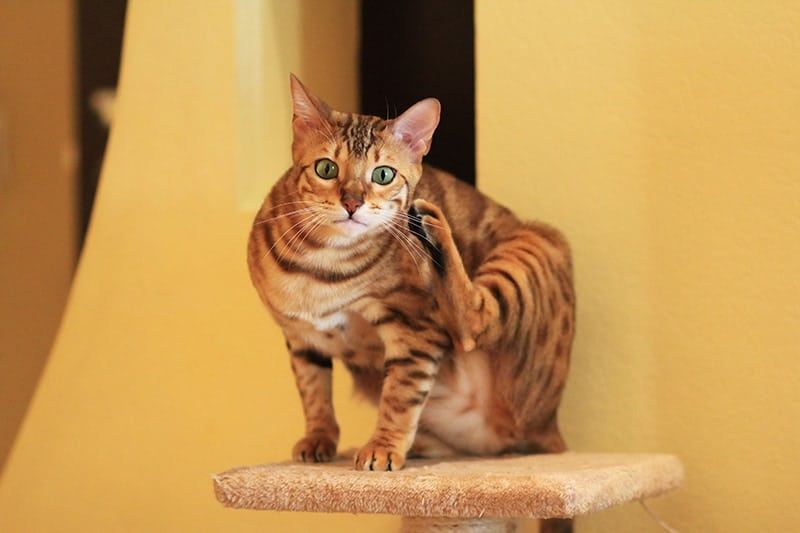
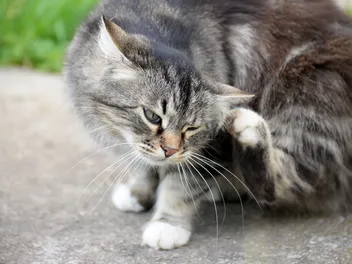
cat scratching itself

Lice are a common problem for most pet owners, especially if your pet enjoys the outdoors. They can cause skin disease and itchiness, affect your pet’s coat, and even cause a variety of health complications. Many cats, especially those who enjoy the outdoors, can get lice—giving cat owners a reason to worry about their fur babies catching these terrible parasites.

Cats can indeed get lice, but not in the way that you’d think they would. Here, we discuss lice in cats, how they can catch them, signs to look out for, and what to do!

divider cat faces 2 oct 2024

What Are Lice?

Lice are tiny insects that feed on blood. These parasites can spread from person to person through close contact. They attach themselves to any haired part of the body of their host to feed on blood and lay eggs. If left untreated, lice can cause discomfort, damage to the skin, hair loss, and even infection. Unsanitary environments are at higher risk of having lice than cleaner environments.

Lice are species-specific, meaning they do not move from one species to another. This means dogs, cats, and even humans cannot catch lice from one another, only within the same species; for example, from cat to cat.

cat lice and egg seen on microscope
Image Credit: wimala namket, Shutterstock

Lice in Cats

Lice may not be as common for cats as fleas, but they can still cause them discomfort and other health complications. Cats can only get infected by one specific species of lice, called the Felicola subrostratus. This particular species of lice can be passed on from one cat to another but cannot be passed on to other pets, such as dogs.

How Can Cats Get Lice?

As mentioned, cats can only get infected by a specific species of lice. Indoor cats are at less risk of catching lice compared to outdoor cats, but certain risk factors can still cause transmission.

The following are possible causes of lice transmission:
  • Unsanitary living conditions for cats
  • Inability for a cat to groom themselves
  • Poor hygiene among cats
  • Close contact with cats already infected with lice
  • Close contact with tools and objects used by cats infected with lice

When a cat is in contact with lice, the lice will attach their eggs to the base of the cat’s hair. These eggs can hatch and either live on that cat or transfer to another cat through close contact or through shared objects with other cats. These parasites will then proceed to feet on the cat’s blood by biting through their skin.

stray cats resting on the ground
Image Credit: dimitrisvetsikas1969, Pixabay

How Can I Prevent My Cats From Catching Lice?

The easiest way to prevent lice is not to allow cats to contact lice-infected cats.

Can Cats Get Lice From Humans?

The good news is that cats cannot get lice from humans, the same way humans cannot get lice from cats. Transmission of lice may be species-specific, but proper prevention practice is still recommended, such as maintaining a sanitary environment, proper hygiene, and infection control among infected individuals.

divider cat paws 2 oct 2024

How to Tell if Your Cat Has Lice? Signs and Symptoms

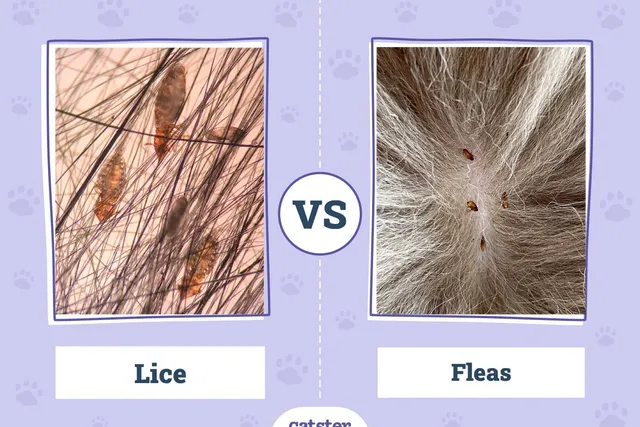
Lice are big enough to be seen by the naked eye. Adult lice and their nits (eggs) can be observed anywhere on the haircoat of your cat and often look like dander stuck throughout the fur. Of course, this may be difficult to detect in light-coated cats.

Certain signs and symptoms to watch out for include the following:
  • Itchiness and irritation around the skin
  • Dry looking coat
  • Excessive chewing, licking, and scratching
  • Hair loss

If you observe any of these signs on your cat, it is always best to consult with your veterinarian for proper diagnosis and treatment.

Diagnosis of Cat Lice

Upon consultation with your veterinarian, an extensive interview regarding your cat’s history, signs observed, and behavior will be performed followed by a physical examination. Your cat’s skin and fur coat will be inspected to confirm the presence of lice, whether immature or adult, as well as their eggs. Before diagnosing the presence of lice, other skin conditions and parasites will first be ruled out.

Your veterinarian may also obtain samples for examination under a microscope to determine the type of lice affecting your cat.

When a proper diagnosis is met, different treatment approaches and options will then be discussed. Like all medical complications, early diagnosis and intervention lead to better and quicker results during treatment.

cat lice as seen on microscope
Image Credit: wimala namket, Shutterstock

divider cat faces 2 oct 2024

What to Do if Your Cat Has Lice? 3 Tips for Treatment and Recovery

Once the diagnosis and counseling process is done, treatment options will be recommended by your veterinarian. Treatment recommendations depend on factors such as severity, set-up at home, multi-pet households, and even the activity of your cat.

1. Isolation and Infection Control

Once identified to have lice, the first thing that will be recommended is to isolate your cat, especially if you live in a multi-cat household. Isolation can help stop the transmission of lice to other cats and will also minimize the amount of required cleaning. This also allows you to clean the other rooms and areas of the house without being disturbed.

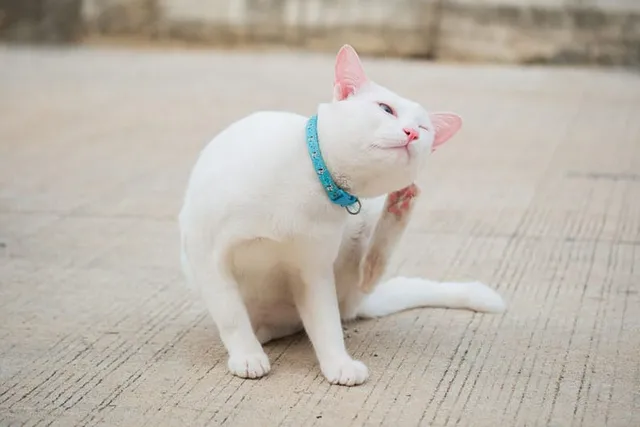
Cat wearing collar scratching and itching
Image Credit: AlexanderDubrovsk, Shutterstock

2. Medication

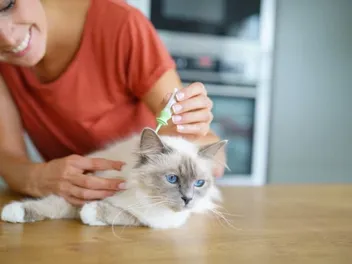
Medication can also be prescribed to your cat. Depending on your cat, your veterinarian may prescribe a variety of shampoos, sprays, or topical medications to eliminate the lice on your cat. The duration and frequency of medication will depend on the type of medication selected.

In some cases, you may need to shave your cat’s coat to get to the deeper portions of their skin, especially if the fur is badly matted.


3. Environment and Home Treatment

Eliminating the lice found on your cat is generally the primary method of treating the environment, as well, since lice do not live long off the host or in the environment.

divider cat paw scratch oct 2024

Conclusion

Even though cats cannot catch lice from other humans or animals, proper prevention practices must be recommended to save your cat from the discomfort of lice infections. Lice are not nearly as common as fleas, but they can still be a nuisance and greatly affect your cat’s quality of life. Keeping your cat and their environment clean can also help keep them both happy and healthy!


Featured Image Credit By: Jumpstory

Want content like this delivered to you?

Sign Up For Our Newsletter

News, insights, expert advice, and everything cat

* By submitting, you agree to our Terms & Conditions and Privacy & Cookies Policy.


How useful was this post?

Click on a star to rate (you can leave written feedback after clicking submit)

Help us improve Catster for pet parents!

Your feedback really matters.

What did you like about this post? Also how can we improve it?

Join the conversation

6 Responses

  1. I let my cat outside all the time when he have to do his personal business he does not use the litter at all he rather go outside so I been checking him all the time for lice I hope he never catches lice so he will stay gone for hours or do my e 1day I check him when he comes back from where ever he been at I check him for ticks and lice so far none on him that a good thing for now he been going outside for 5 or 6yrs. now what can I get for my cat so he will never get lice

    1. Hi Jt. Allergies, parasites, and stress can all cause a cat to overgroom to the point of losing hair, but no, it is not normal or due to them being double coated. There is something behind it. If you wish to investigate the possible causes with a vet, a quick call with www.pangovet.com can help. You can also learn more about it here:
      https://www.catster.com/cat-behavior/why-is-my-cat-pulling-their-hair-out/
      https://www.catster.com/cat-health-care/bald-spots-on-cats/
      https://www.catster.com/cat-health-care/why-cats-lose-hair-causes-treatments/
      Thanks for reading us.

  2. There is a stray cat that had been hanging around my house and I think he has lice. He has bald spots on his head behind/under his ears and a red bumpy rash looking spot in front of 1 ear. I havent noticed him scratching much but hes not inside so I dont see him much. I noticed yesterday that one of my cats has some bumps and is bleeding on her chin. She is scratching alot. Could she have caught lice/mites from the stray cat? And how can I treat them at home? Will ear mite medication kill them? I have ear mite meds from a previous ear mite infection.

    1. Hi Mary what you describe might also be feline acne, you can learn more about it here: https://www.catster.com/cat-health-care/cat-acne/
      https://www.catster.com/ask-the-vet/cat-chin-mites-vs-chin-acne/
      We hope this helps. To properly diagnose and treat your cat an in-person veterinary visit is a must.

  3. my cats are scratching and licking obsession and licking,I have shaved and sprayed themlive treat ment my cats are my life I do every thing for themm with

    1. Hi franchie, sorry to hear about this. Your cats may be suffering from allergies, but that is only one of several possibilities. At this point, you will need a veterinarian to help you narrow down the possible causes. Please don't hesitate to book a consultation at www.pangovet.com to help you get to the bottom of this. Best luck!

Leave a Reply

You’re very welcome to leave a comment or question. Please know that all comments must meet our community guidelines, and your email address will NOT be published. Let’s have a positive and constructive conversation.


Catster's Digital Magazine is Back!

Vet-approved health & behavior advice

Real cat stories & community features

Weird Cat Behaviors That Actually Make Perfect Sense

We have been sharing our lives with cats for thousands of years, yet we still find ourselves genuinely stumped by what they get...

The Dream of Talking to Cats Just Got Closer to Becoming a Reality

If you’ve ever wished your cat could simply tell you what they wanted, you’re not alone. From the meow that wakes you before...

Kizzy: The Feline Princess With a Purpose

We were first introduced to Miss Kizzy after she won a licky-treat challenge hosted by Professor Fluffovich, our resident feline research specialist. While...

Chatting With Sally About Mission Meow & Helping Cat Rescue Organizations Collaborate | Chatty Cattys, Episode 24

In this episode of Catster’s podcast, Chatty Cattys, Nicole and Dr. Karyn sit down with Sally Williams, the founder of Mission Meow, for...

More related

My Cat Ate Chocolate! Our Vet Explains Toxicity & What to Do

Cats are naturally curious, and some might even be adventurous with new foods they see lying around the kitchen. While cats cannot taste...

8 Cat Breeds That Get Stolen Most Often (With Info & Pictures)

Cats are becoming increasingly popular pets. While there are many great things about the rise in the popularity of cats, an unfortunate side...

How to Make Cat Hair Grow Back Faster: 9 Vet-Verified Ways

There are many reasons why a cat may lose their hair. For instance, surgeries often require that some of the fur is shaved....

Is Your Cat Not Using the Litter Box? 6 Vet-Approved Causes

Is your cat not using the litter box? Use this checklist to see what problems are at play, as you need to take...

Keep reading

10 Halloween Safety Tips for Your Cat: Vet-Approved Advice

While there’s a strong association between cats and Halloween, many cats can feel spooked or stressed out during this holiday. New Halloween decorations, trick-or-treaters visiting your door, and other changes in routine can cause cats to feel uneasy. Therefore, it’s...

black cat surrounded with halloween pumpkins

How to Make a Hyperthyroid Cat Gain Weight: 4 Vet-Reviewed Ways to Help

Cats with hyperthyroidism can live healthier lives if their condition is managed. Since one major sign of hyperthyroidism is weight loss, cat owners may wonder how to help their cats gain weight. An experienced vet is your best source of...

loss weight or skinny cat

My Cat Makes Weird Noises When Drinking: 6 Vet-Verified Explanations

Are you worried that your cat has an odd way of drinking water? You’re not alone in this thought process. It’s a common question for cat owners, and usually, it’s nothing you need to worry about. Still, you’re probably just...

cat drinking water from bowl in carpet

Will Barn Cats Kill Chickens? The Interesting Answer (Vet-Approved)

A barn cat isn’t a specific cat breed but a term used to describe a cat that usually lives outdoors, either as a pet or a feral animal, on agricultural properties, usually sheltering in buildings. They’re also known as farm...

chicken looking at the camera in the yard

Chonks: The Internet Craze That Promotes Unhealthy Cats (Vet-Reviewed Analysis)

If you were to open your Instagram account and mindlessly scroll through the media buffet, you would undoubtedly see pictures and videos of “chonky” cats. What is meant by “chonky”? Pudgy, cuddly, fat cats. Photos as far as the eye...

veterinarian weighs an overweight pet on a scale

The 6 Best Freeze-Dried Cat Foods of 2026 – Vet-Verified Reviews & Top Picks

Freeze-dried cat food is the easiest way to feed your pet a natural raw diet that reflects what a cat would eat in the wild. Commercial wet or dry foods often contain extra carbohydrate-based fillers that provide bulk and calories...

cat eating food

How to Brush a Cat That Doesn’t Want to Be Brushed: Vet-Reviewed Step-by-Step Guide

A lot of cat owners don’t think about brushing their cats (after all, cats are pretty excellent at grooming themselves), but it’s a good idea to do this. Not only does it help kitty stay tangle- and mat-free, but it...

cat brushing a home

My Cat Has a Lump on Their Back Near The Spine, Is It Dangerous? Vet Approved Advice

Every pet parent is familiar with the alarm of discovering a sudden change in their pet. It can be very scary to find a growth in their body, and our brains immediately jump to cancer since that’s a fairly common...

veterinarians examining a Maine Coon cat at a veterinary clinic

Love Cats? So Do We! Join the Catster Community

Stay informed with expert pet care insights delivered straight to your inbox! Discover professional guidance on animal behavior, feeding tips, trusted product picks, and much more.


Sign up for the Catster Email Newsletter

Stay informed with expert pet care insights delivered straight to your inbox! Discover professional guidance on animal behavior, feeding tips, trusted product picks, and much more.