Can Cats Eat Salami? Vet-Reviewed Risks & Healthy Alternatives


In this article
Since cats are carnivores, it may seem like they can enjoy eating different kinds of meat humans consume, such as cured meat. However, whether cats can eat cured meat is a question that isn’t very cut and dry. Although some cats can enjoy salami as a tasty snack, it’s not a healthy option.
Most cats can technically eat small portions of salami without feeling sick, but it’s definitely not a food that’s healthy for them. Some cats will develop stomach upset. There are much better options that are equally tasty for cats but don’t have as many health risks as salami.

Reasons to Skip the Salami
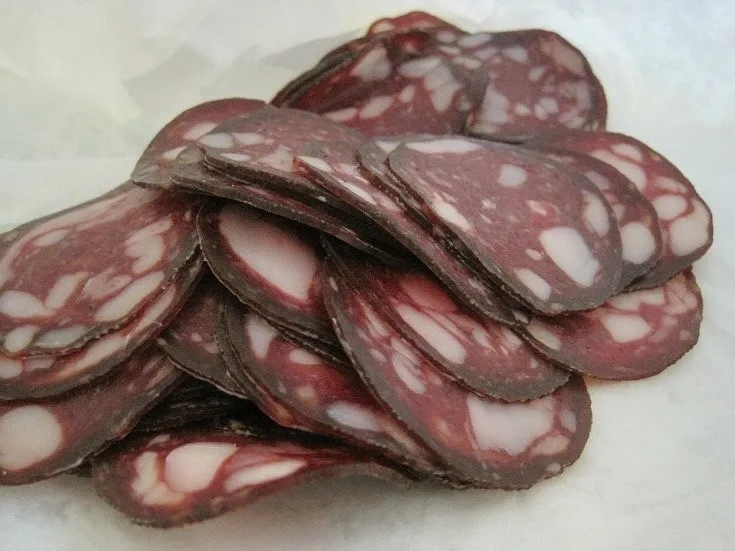
Although salami is an animal meat product, it contains additives and ingredients that can harm cats.
Too Much Sodium
To begin with, salami has a very high salt content. An average slice of salami can contain about 200 milligrams (mg) of sodium. The daily recommended amount of salt for an average adult 4 kg cat (8.8 lbs) starts from around 40 mg.
Cats may be able to handle a little bit of extra salt in their diet, but excessive salt can potentially lead to sodium poisoning. However, cats will rarely eat something so salty in a significant amount. So, if your cat snuck in and ate a slice of salami while you weren’t looking, they are unlikely to experience sodium poisoning.
However, if they frequently eat salty human treats and get sodium poisoning, they can experience vomiting, diarrhea, lethargy, tremors, seizures, shortness of breath, and disorientation. Most signs occur within 3 hours of consuming too much salt. If you suspect your cat ate too much salami, make sure to contact your veterinarian right away.
Your veterinarian may ask for the following:
Always make sure to leave out plenty of water for your cat to drink. Sometimes, you may have to take your cat to the veterinarian or emergency animal hospital, so always consult your vet.
Preservatives
Along with too much salt, most salami gets preserved with nitrates or nitrites, and both can be harmful to cats if ingested in significant amounts. However, it’s very unlikely that cats will experience nitrate or nitrite poisoning due to ingestion of salami.
More commonly, toxicity occurs from ingesting plants containing excess nitrate or accidental ingestion of fertilizer or other chemicals, and ruminants are more easily affected.
An animal with nitrite poisoning may exhibit the following signs:
Other Unhealthy Ingredients
Depending on the brand, salami can contain other ingredients that aren’t good for cats. For example, some types of salami contain spicy peppers, which can cause an upset stomach.
Other varieties can contain garlic powder or onion powder. Garlic, onions, and other plants in the Allium family are considered toxic to cats, causing vomiting, diarrhea, abdominal pain, lethargy, and anemia.
Too Much Fat Content
Salami contains a lot of fat, and it can exceed a cat’s recommended daily fat intake. Cats only need a moderate amount of fat in their diet, and it’s best if they get the fat from healthy sources. For example, salmon is an excellent source of healthy omega-3 fatty acids that promote healthy skin and coat.
Healthier and Safer Alternatives to Salami
Because of the risks associated with salami, it’s best to avoid this food and provide safer alternatives for your cat. Your cat can still enjoy plenty of meat-based treats.
Treats for Cats
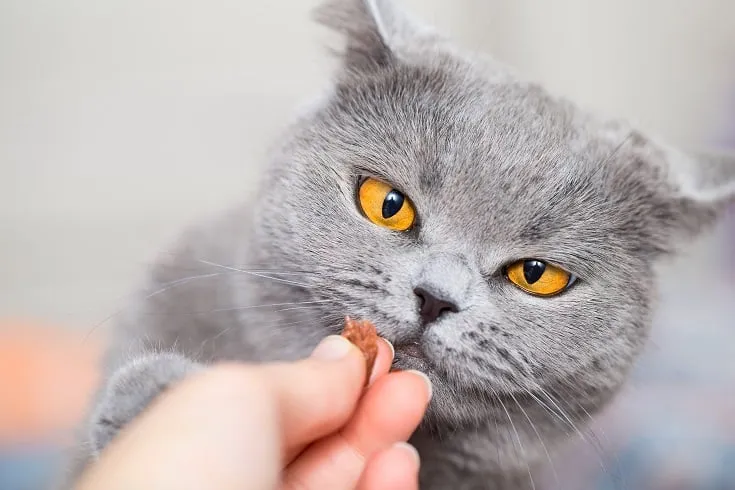
Commercial cat treats or homemade ones without spices or additives, such as boiled chicken or fish without bones, are much healthier and safer options. Treats made primarily of meat are one of the better choices, but cats may occasionally have a small portion of safe fruits and vegetables in moderation, such as blueberries, raspberries, and pumpkin flesh.
Fruits high in sugar should be avoided since cats do not have a dietary requirement for carbohydrates and thrive best on high-quality proteins and fat sources.
Freeze-Dried Treats
These treats are becoming more common, and you can easily find most freeze-dried treats in most pet stores. When a treat gets freeze-dried, it undergoes a preservation process where it gets dehydrated in low temperatures. It often puffs up, so the freeze-dried form looks bigger and airier than the original.
Freeze-dried treats commonly come in two forms. They can either be mixed with other ingredients, or they can be dehydrated pieces of whole meat. They have a light and crunchy texture, and many cats love eating them as meal toppers.
However, freeze-dried treats are raw, as they have not been processed with heat, and there are precautions to take for both the cat and the people in the household regarding raw feeding. Speak to your vet about the most appropriate treats for your cat and the pros and cons of freeze-dried treats.
Salami & Cats
It’s best to avoid salami because it can contain many unhealthy and unsafe ingredients for cats. Although it can be difficult to refuse a curious cat, it’s vital to remember that you are ultimately responsible for your cat’s health and well-being. Luckily, cats are not as fascinated with human food as dogs are.
Several safer alternatives provide essential nutrients. So, make sure to stock up on other tasty cat treats so your cat has something they can enjoy eating with you as you eat salami.
See also:
Expert cat care, straight to your inbox
News, insights, and useful advice, delivered to you.

No spam — unsubscribe anytime.
By signing up, you agree to our Terms & Conditions and Privacy & Cookies Policy.
How useful was this post?
Click a star to rate. You can leave written feedback afterwards. (We read all feedback.)
Jessica is a freelance writer who spends most of her day researching and writing while her fluffy Cavapoo, Nora, naps beside her. She loves and appreciates pets and animals because there’s so much to learn from them, and they do so much for people. As a dog owner, she understands the special connection that pet owners form with their pets. She loves sharing helpful information that people can use to better understand their pets. When she’s not writing, you can find her walking dogs, tending to her plant babies, or drinking her nth cup of coffee.