Can Cats Eat Chorizo? Vet-Reviewed Facts & FAQ


In this article
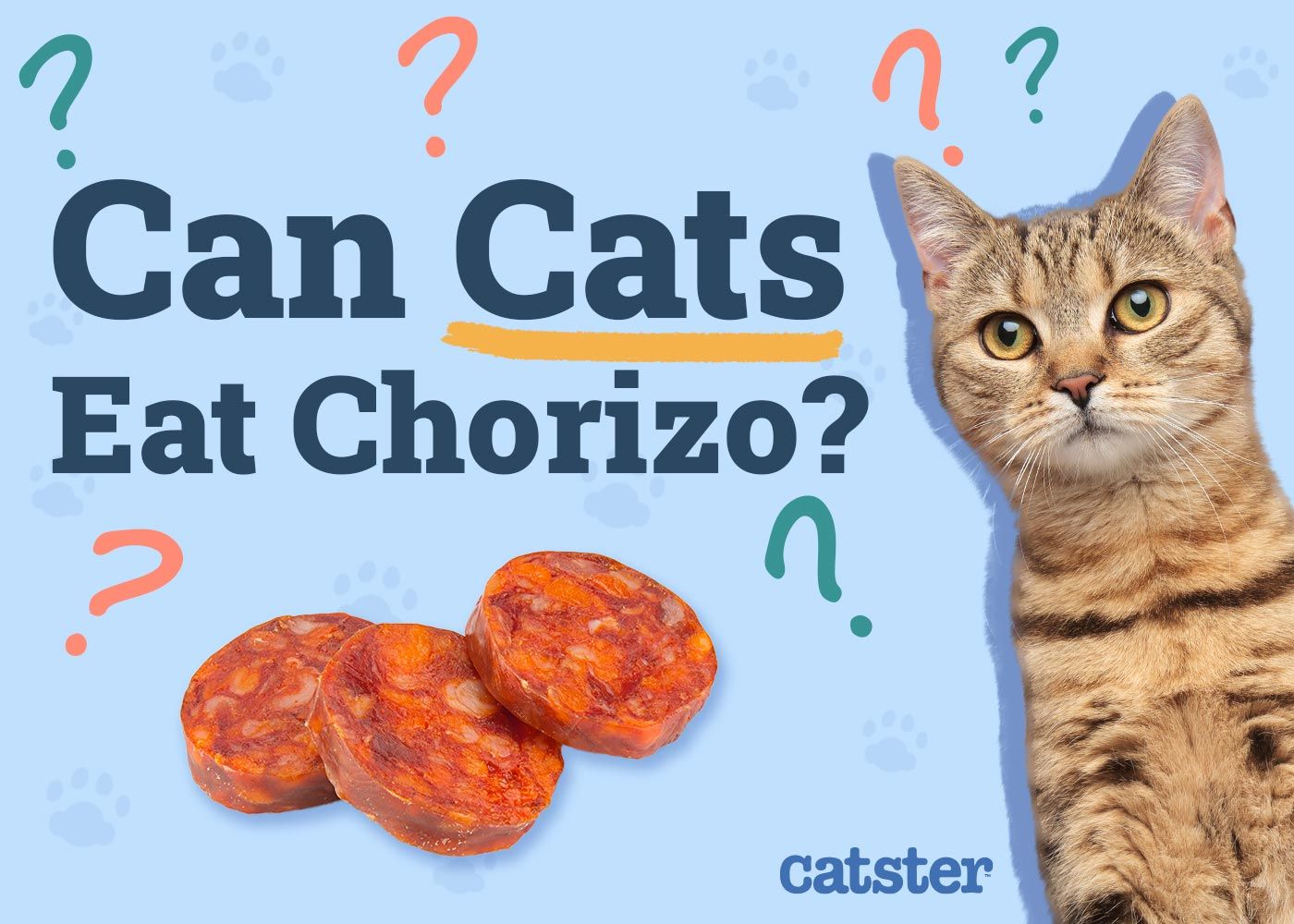
If you enjoy sausages and salami, chances are that you enjoy chorizo. If you’ve been adding chorizo to your meals on occasion and your cat has been eyeing it with interest, you might wonder if it would be okay to give your cat a piece. It is meat, after all. Is chorizo safe for cats to eat? No, chorizo is not healthy for cats and can make them sick. Chorizo is a cured meat made with salt and spices that aren’t good for cats, so it’s in your cat’s and your own best interests to avoid giving them any. Here, we take a deeper look at chorizo, what exactly makes it bad for cats, and what happens if a cat eats too much of it.

A Little About Chorizo
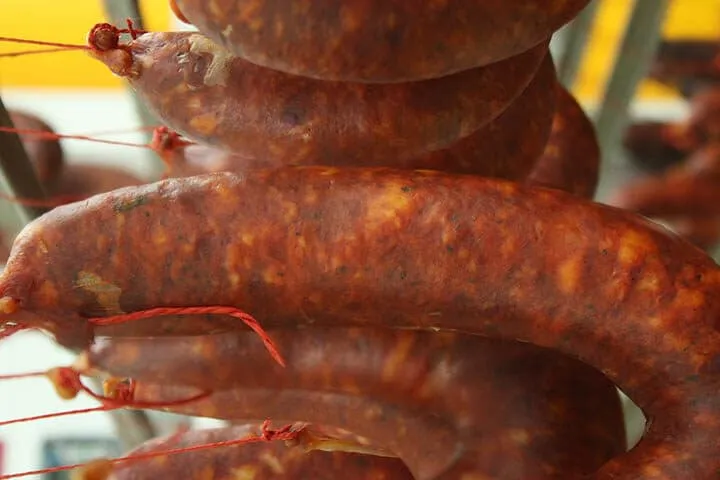
The chorizo is a sausage that originated in Spain and Portugal. In Spain, chorizo is a smoked and dried pork sausage. It’s also well known in Mexico, where it’s raw pork but with similar seasonings.
The ingredients and seasonings vary depending on who made the sausage and what region it’s from. Generally speaking, Mexican chorizo tends to be spicy, and it needs to be cooked so it isn’t cured and dried like Spanish chorizo.
So, what exactly is harmful about these ingredients for cats?

Cats and the Chorizo
Let’s look at the ingredients in chorizo that are bad for cats.
Salt
The Pet Poison Helpline has listed salt as toxic for cats. While a small amount of salt is fine, too much can lead to salt poisoning. The symptoms of salt poisoning are:
Too much salt can be incredibly serious. In general, cats don’t need that much salt in their diets, much less than humans, so it’s best to avoid human food that contains extra salt.
Garlic
Garlic is exceptionally poisonous to cats. The ASPCA lists garlic as toxic because if a cat eats it, it can lead to oxidative damage to the red blood cells, which causes anemia.
Additionally, if the chorizo contains or is cooked with onions, it is quite toxic for cats. If your cat eats anything with garlic or onions, don’t hesitate to take your cat to the vet or emergency clinic. It can take a few days for symptoms to show up, so you need to act before this occurs.

Spices
Too much spice can lead to stomach upset in cats, including vomiting, diarrhea, nausea, and irritation to the gastrointestinal tract. Chorizo is quite spicy, with paprika, chile, and peppercorns, all of which can make your cat sick.
Fat
Chorizos, particularly the Mexican type, have fat and oils and are usually cooked in oil. If a cat has too much fat in their diet, they can potentially develop diabetes, pancreatitis, and obesity.
All cats require a certain amount of fat in their diets, but it should be derived from an animal source. The vegetable oils that we typically use in cooking have less benefit for your cat.
Another consideration is that since the Mexican chorizo is uncooked if your cat ingests any, there is the possibility of contracting E. coli, salmonella, or listeria. While cooked chorizo is definitely a better option, these sausages are still bad for cats overall.
A Cat’s Diet
Before you think about adding human food as a treat to your cat’s diet, you should have a better understanding of it. Cats are obligate carnivores, which essentially means they must ingest animal-based nutrition or risk severe health problems. They require a minimum of 70% meat for their entire diet.
This means cats have a reduced ability to digest plant and vegetable matter and derive less nutrition from it.
This is why it’s important to provide your cat with commercially prepared food, as high-quality cat food provides a balanced and nutritional diet with the right amount of protein, fats, vitamins, and minerals. The corn in cat food has been processed so that it is digestible by cats.
Hopefully, this brief look at a cat’s diet has helped you understand why choosing the right kind of treats can be essential. Small treats that don’t fit into a cat’s typical diet are okay occasionally.
Conclusion
Chorizo for cats is definitely a no-no. If your cat grabs a piece off your plate and scarfs it down before you have a chance to react, they should be fine unless it was really garlic or onion heavy. If that’s the case, don’t take any chances with your cat’s health. Take them to your vet.
On the other hand, if the chorizo doesn’t have garlic or onion, you don’t have to worry as much. Regardless, anytime your cat eats something not meant for them, it’s a good idea to keep an eye on them for 24 hours, as stomach upset is always a possibility.
Always speak to your vet if you’re unsure about your cat’s diet, as they will be able to advise you on the best food and treats for your kitty. Some cats are picky enough that they might not even want to chomp on a chorizo, but it’s still safest to keep them out of your cat’s reach.
Expert cat care, straight to your inbox
News, insights, and useful advice, delivered to you.

No spam — unsubscribe anytime.
By signing up, you agree to our Terms & Conditions and Privacy & Cookies Policy.
How useful was this post?
Click a star to rate. You can leave written feedback afterwards. (We read all feedback.)
Kathryn was a librarian in a previous lifetime and is currently a pet writer. When she was a child, she hoped to work in ZOOs or with wildlife in some way, thanks to her all-consuming love for animals. Sadly, she's not strong in the sciences, so she fills her days with researching and writing about all kinds of animals and spends time playing with her adorable but very naughty tabby cat, Bella. Kathryn is hoping to add to her family in the near future – maybe another cat and a dog.