Can Cats Eat Prunes? Risks & Safe Alternatives


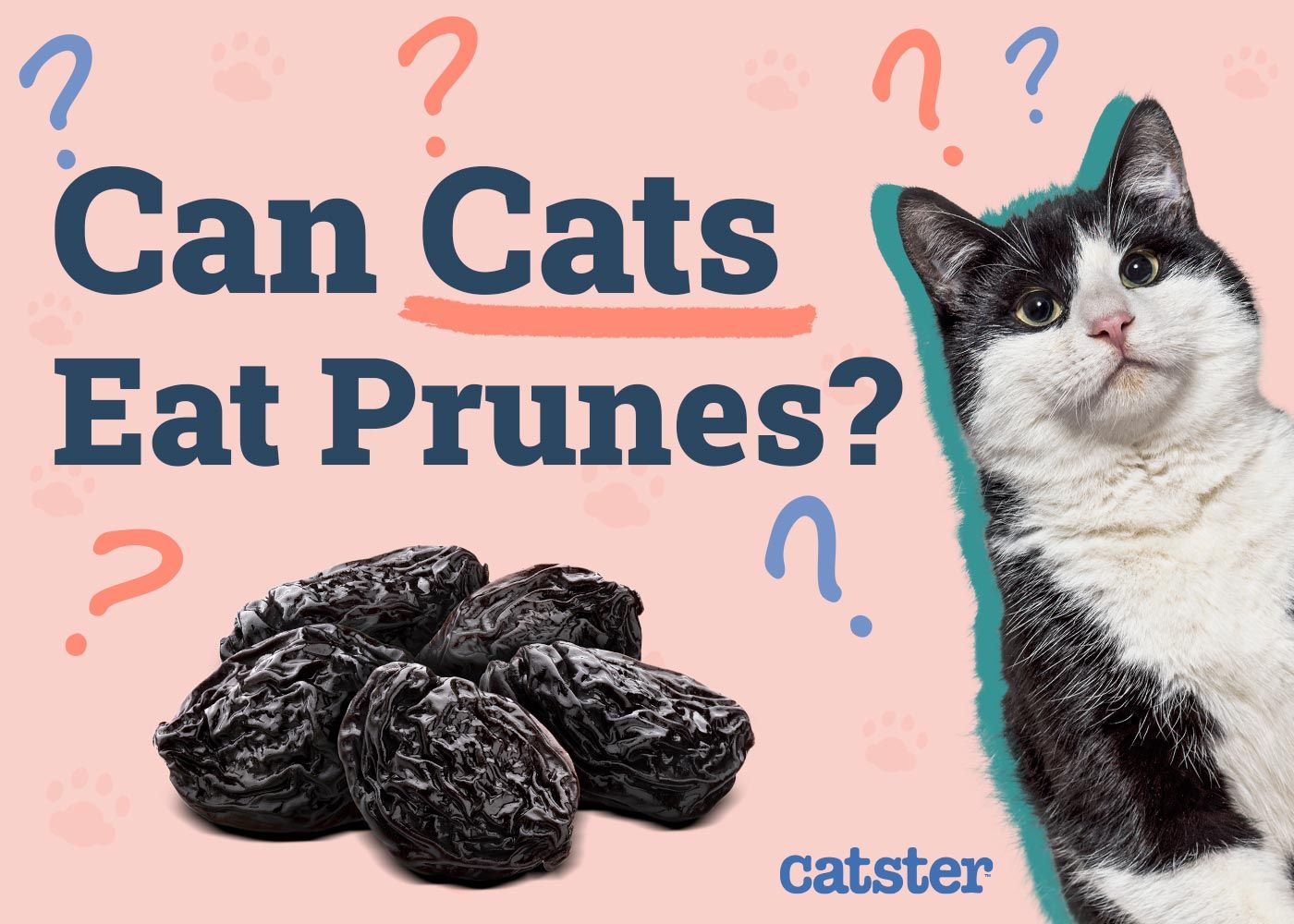
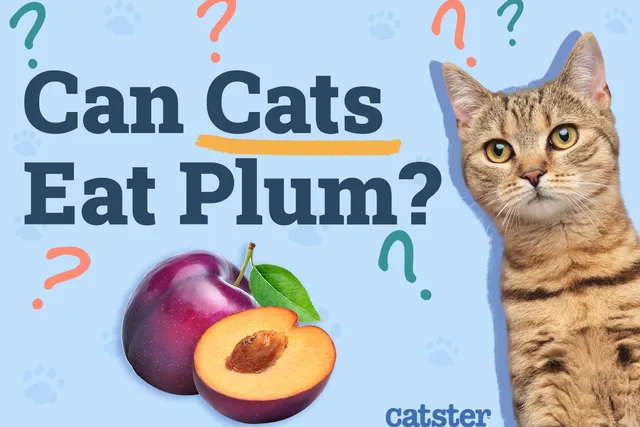
For humans, the health benefits of antioxidant-packed dried plums can’t be understated. They’re commonly eaten to ease constipation and nausea. Therefore, you may be wondering if you can give prunes to your cat. Unlike humans, cats shouldn’t eat plums or prunes—as stems, leaves, and seeds contain varying amounts of cyanide, which can lead to severe poisoning.
For that reason, you should keep prunes and plums away from your cats at all costs. There are plenty of other safer snacks you can offer instead.

Why Prunes and Cats Shouldn’t Mix?
The stems, leaves, and seeds of plums contain cyanide. Cyanide is poisonous to cats and other animals, including dogs and horses. If consumed, your cat may experience breathing difficulties, panting, dilated pupils, vomiting, and red mucous membranes. They could also go into shock. What’s more, prunes and plums can present a serious choking hazard if your cat attempts to swallow the seeds. If somehow swallowed, the seed may cause an obstruction of the gastrointestinal tract that will require endoscopy or surgery.

Plum Poisoning: Diagnosis and Treatment
If you think your cat has eaten plums or prunes, especially toxic parts of the plant or the seed, immediately take them to your vet. The quicker you do it, the better your cat’s chance of a full recovery. Your vet will take a detailed history to establish what the cat has eaten, as well as take steps to diagnose and treat the toxic effects. If your cat has vomited, collect a sample if you can.
Your vet may induce vomiting using certain drugs or may recommend stomach emptying and lavage if the cat has eaten the toxic parts of the plum plant. In the case of seeds, this may require an endoscopy. Take into account that all of this is done under general anaesthetic. The treatment your cat will then receive is symptomatic, with intravenous fluids and oral charcoal administration, depending on their signs.
Following initial treatment, vets may monitor your cat for 24 hours or more, depending on the severity of signs, and they may need to keep your cat in for a few days in some cases to monitor their recovery properly.
Do Cats Like The Taste of Prunes?
Cats can’t taste sweet things and don’t have sweet taste receptors on their tongues. Because of that, many cats won’t show any interest in fruit at all. It’s still possible for especially curious or adventurous cats to give pieces of fruit a try, so it’s best to be vigilant.
Which Fruits Are Toxic to Cats?
Along with plums and prunes, there are other fruits you shouldn’t let your cat near for various reasons.
- Green tomatoes - They contain the alkaloid solanine, which can cause cats to get sick.
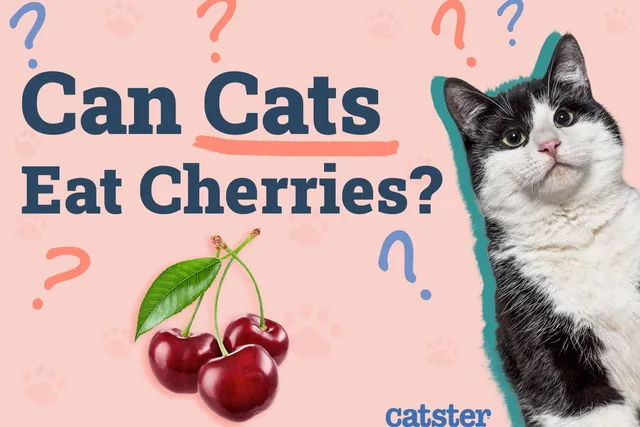
- Cherries - Like plums and prunes, cherry pits contain cyanide.
- Citrus fruits (lemons, limes, grapefruit) - They can cause gastrointestinal issues like vomiting and diarrhea.
- Grapes and raisins - Consuming them can cause gastrointestinal issues and kidney failure in some cases.
Which Fruits Can Cats Eat?
Cats are obligate carnivores and need to consume a meat-based diet. They shouldn’t eat large amounts of plant matter because they can’t digest it properly, though small amounts of the right fruits are okay as an occasional treat. Though many cats are disinterested in fruit, here are some safe fruits that cats can eat in small quantities now and then if yours has taken a fancy to them.
For cats, these fruits are best served cut into small, bite-sized pieces.

What Can I Give My Cat for Constipation?
If you were considering giving prunes to your cat to ease constipation, there are safer alternatives. If constipation is a consistent issue for your cat, the first step is getting a vet to check out what’s happening, as there could be an underlying health issue, and your cat will require treatment and ongoing management. It's important to provide plenty of water for your cat to drink to help keep things moving, as well as keeping them hydrated.
You may also want to consider changing to a wet diet instead of dry food or changing the protein source (lamb, chicken, etc.) of your cat’s diet if your vet agrees it’s a good idea. Some cat parents add fiber or probiotics to their cat’s food, like wheat bran or Psyllium husks, whereas some opt for over-the-counter laxatives, but these should not be administered without veterinary guidance.
Always check with your vet before giving your cat any over-the-counter medications to ensure they're safe. It’s also really important to keep your cat’s litter box clean and fresh since it encourages them to use it. Cats can’t stand a dirty, smelly litter box and will avoid using one, which can worsen constipation and stress.
Final Thoughts
Prunes and plums should not be given to your cat for any reason. They don’t benefit your cat in any way and can cause severe health issues if they're allowed to consume certain parts of them that are considered toxic. If your cat has taken a liking to fruit, stick with small amounts of safe fruits like apples, seedless watermelon, and bananas.
If your cat has stomach issues or constipation, speak to your vet to ensure there’s nothing sinister going on.
Expert cat care, straight to your inbox
News, insights, and useful advice, delivered to you.

No spam — unsubscribe anytime.
By signing up, you agree to our Terms & Conditions and Privacy & Cookies Policy.
How useful was this post?
Click a star to rate. You can leave written feedback afterwards. (We read all feedback.)
Kit Copson is a freelance writer and lifelong animal lover with a strong interest in animal welfare. She has parented various furry beings over the years and is currently a proud cat mom of two—one very chilled (unless hungry) Siamese and a skittish but adorable Domestic Shorthair—and dog mom of one—an adopted Bichon Poodle cross. When not writing about or spending time with animals, Kit can be found doodling in her sketchpad, reading, or more often than not, drinking tea.