Can Cats Eat Dragon Fruit? Vet-Reviewed Facts & FAQ


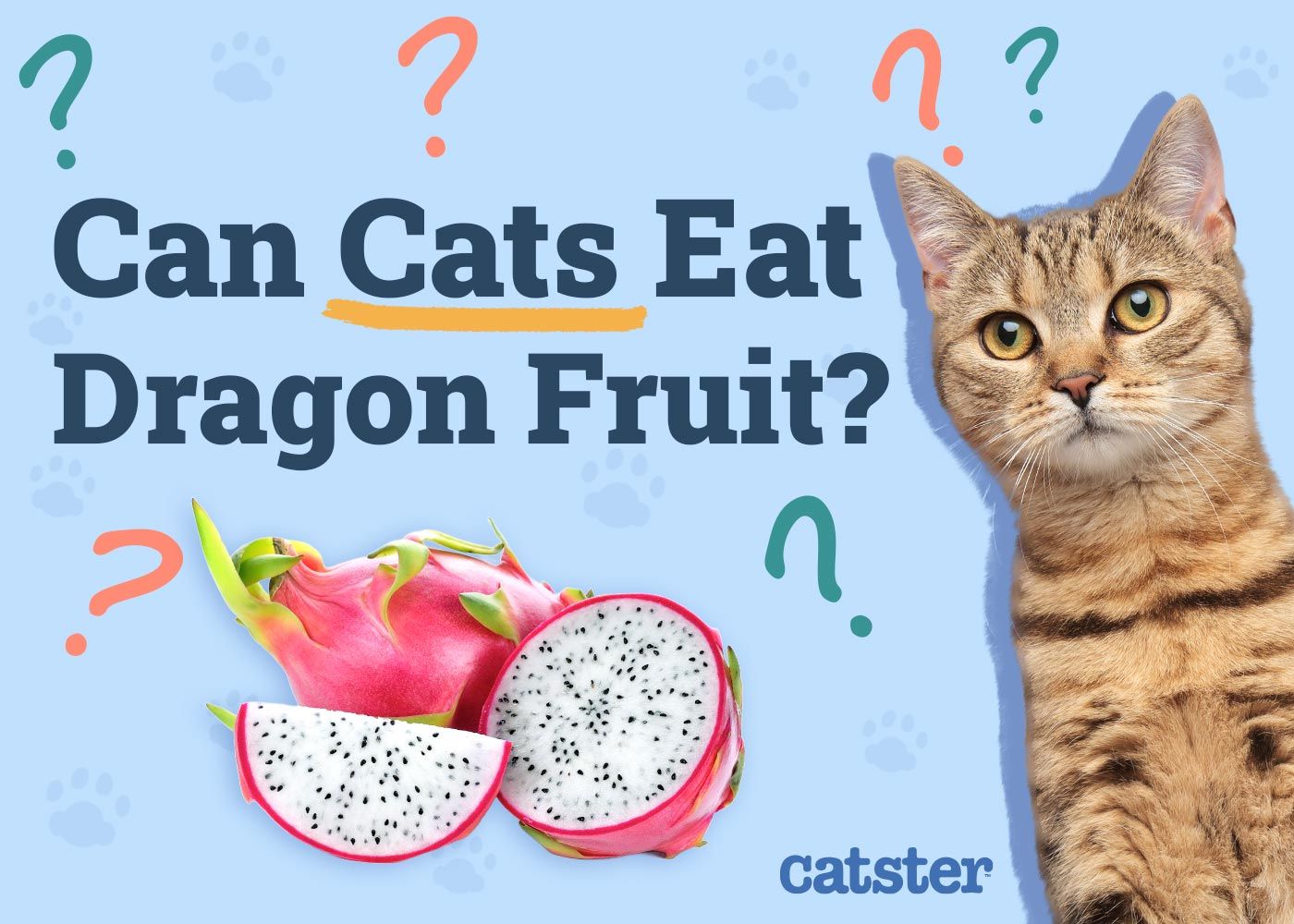
Also known as the pitaya or the strawberry pear, dragon fruit is a delicious fruit that grows on the Hylocereus cactus. While most popular in Southeast Asia, this fruit has been growing in popularity worldwide in recent years. You’ve probably noticed dragon fruit-flavored or -infused drinks cropping up all over in the summer months. You may even frequently come across them at farmers' markets and grocery stores during the summertime.
As a cat owner, you need to know what types of human foods could be dangerous to your beloved pet, so where does dragon fruit stand in terms of safety? The good news is that dragon fruit is not toxic to cats, but is it healthy for them? For obligate carnivores like cats, no, not so much. Read on as we go into more detail!

What Is Dragon Fruit?
Dragon fruit is a tropical delicacy that is native to southern Mexico and Central America. The fruit grows on the Hylocereus cactus, a climbing cactus found throughout the tropics. This fruit is unique looking. It is rich pink and oval-shaped with green scales, and when you cut into it, you’ll see the white flesh filled with small black seeds.
The dragon fruit itself also goes by the names pitaya, pitahaya, and strawberry pear. The name is derived from the green scales and bright pinkish-red skin that resembles that of a dragon. This fruit is mild tasting and is now grown all over the world. It has become a go-to for many refreshing summer drinks or a nice, slightly sweet fruit snack.
Health Benefits of Dragon Fruit

Dragon fruit has a full list of health-related benefits for humans, but of course, what is healthy for us, isn’t always healthy for our cats.
Health Benefits for Humans
Cats and Dragon Fruit
Dragon fruit is not toxic to cats and won’t cause any harm if they were to eat it. Fruits can be a bit overwhelming on a cat’s digestive system, though, so if large amounts of dragon fruit were to be ingested, it wouldn’t be unusual for some gastrointestinal upset, diarrhea, or even vomiting to occur.
Dragon fruit may be nutrient-rich and come packed with health benefits, but as obligate carnivores, cats are not able to properly digest plant material and absorb the nutrients the way that a human can. Cats get all their needed nutrients directly from meat sources, so there is no need to supplement their diet with dragon fruit.
Can Cats Eat Other Fruits?

Some fruits and other human foods are perfectly safe if consumed by cats, while others are not. While you certainly want to avoid any toxic foods, even safe, non-toxic fruits can still cause some gastrointestinal upset, as fruit tends to be high in sugar and is not a normal part of a cat’s diet.
As a rule of thumb, you shouldn’t add fresh fruit to your cat’s diet, since there is no nutritional need to do so. You do need to be aware of what fruits can potentially hurt your cat if they were to be consumed.
Fruits That Are Safe If Consumed by Cats
Remember that non-toxic fruits can still cause your cat to suffer from some digestive upset if consumed in large amounts. This includes signs like diarrhea, vomiting, and nausea. The following fruits are considered safe if eaten in small amounts:
- Apples (no seeds or stems)
- Apricots (no pits, seeds, or stems)
- Bananas
- Blackberries
- Blueberries
- Cantaloupe
- Cucumbers
- Cranberries
- Honeydew
- Mangoes
- Nectarines
- Pears (no pits, seeds, or stems)
- Pineapples
- Raspberries
- Strawberries
- Watermelon (no seeds)
Fruits That Are Unsafe for Cats
Now onto the toxic fruits. If your cat were to consume any of the following fruits on this list, you need to reach out to your veterinarian immediately for further guidance. It is also important to be aware of the signs of toxicity so you can easily recognize a potential poisoning even if you didn’t see what was consumed.
- Grapes
- Lemons
- Limes
- Oranges
- Raisins
- Most seeds, stems, pits, rinds, and roots
Keeping Your Cat’s Diet Well Balanced

Ensuring your cat is fed a high-quality, well-balanced diet involves feeding them food that is suitable for their age, size, activity level, and any unique dietary needs. While commercial cat foods on the market are designed to meet all the nutritional requirements your cat needs, not all foods are of the same quality.
It’s important to learn how to read the label and check the list of ingredients before deciding on a particular food. In the wild, cats get most of their hydration through their prey, so they thrive on high-moisture diets. It’s important to ensure that they always have access to fresh, clean water at all times. If you ever have questions about your cat’s diet, you should speak to your veterinarian.
Cat Food Varieties
There’s no shortage of cat food recipe options on the market today. In truth, it can be a bit overwhelming to choose from the long list of brands, food types, and recipes. Here are some of the most common types of food for cats:
- Dry kibble
- Wet cat food (canned)
- Fresh food
- Freeze-dried cat food
- Semi-moist cat food
Healthy Snacks for Your Cat
There’s certainly nothing wrong with offering your cat the occasional treat. You will just need to do so in moderation to prevent obesity. Here’s a list of some of the healthiest snack options for your kitty:
- Cooked, unsalted lean meats (small amounts)
- Dried liver (small amounts)
- Pieces of kibble
- Bits of wet food
- High-quality commercial treats
Conclusion
Cats can eat dragon fruit without the risk of toxicity, but it could cause some digestive upset if it were to be consumed in large amounts. Dragon fruit and any other fruits have no place being added to your cat’s diet, as they are obligate carnivores that get their nutritional needs directly from meat.
Make sure to speak to your veterinarian before making any changes to your cat’s diet or supplement regimen, and reach out to them if your cat exhibits any unusual signs or if you know they have eaten a toxic food. The best way to prevent any issues is to always keep all human food inaccessible to cats.

Expert cat care, straight to your inbox
Vet-reviewed advice, behavior tips, and the best of Catster. Free, and you can unsubscribe anytime.
By signing up, you agree to our Terms & Conditions and Privacy & Cookies Policy.
Lindsey and her husband enjoy traveling the US with their kids and photographing wildlife. Her passion is to educate others on the importance of proper animal care, with an emphasis on reptiles and exotics since their care requirements can be much more complex. She is also a huge advocate for bully breeds. She feels most at home in the forest either on horseback or in hiking boots.
Join the conversation
Ask a question, share your story, or send private feedback.