Can Cats Eat Biscuits? Nutritional Risks & Advice


There is no question that cats enjoy human food. In fact, many cats will beg for human food—even if it's just a nibble. Cats are obligate carnivores and as a result, they have evolved to selectively eat certain types of foods. While all cats are technically capable of consuming some processed foods, such as refined carbs, it doesn't mean they should! So you can just be a responsible owner and feed them moderately. There are certain types of food that are specifically compatible with their metabolism and digestive systems, such as meat, fish, and some vegetables.
This article explores the topic of feeding your cat biscuits, the impact of flour and sugar on cats, as well as the various foods that are best suited for specific feline needs.

What’s in a Biscuit?
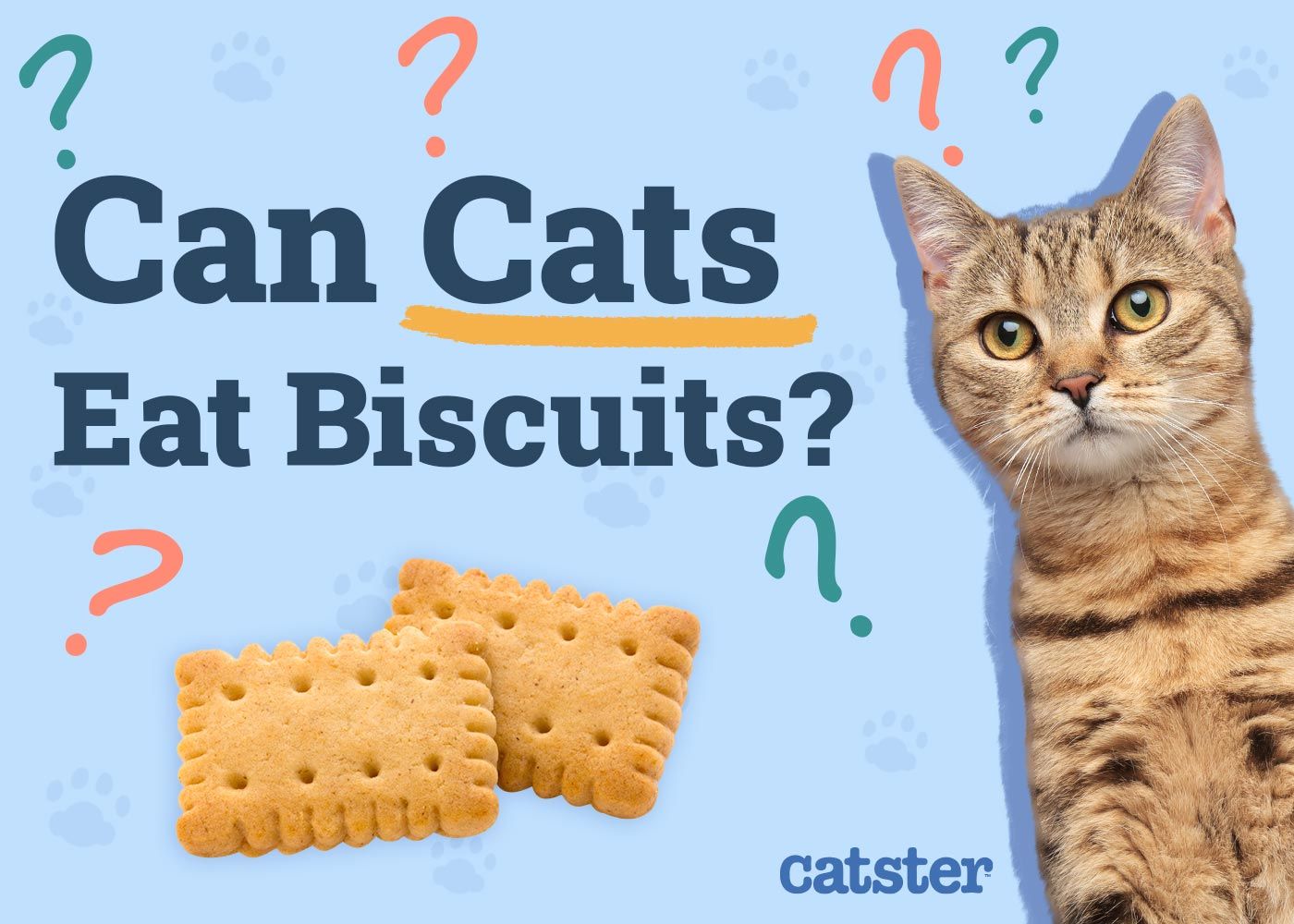
A biscuit is a type of quick bread that is typically made from flour, baking powder, salt, butter, and milk. Biscuits can be served warm or cold. In the United Kingdom, a biscuit is similar to a scone. Biscuits are often triangular but can also be round or square in shape and have a soft and fluffy texture. Biscuits and scones are typically served with jam, honey, lemon curd, or clotted cream and can also be eaten with savory toppings such as eggs, bacon, sausage, fried chicken, or gravy.
Quick breads like biscuits don't use yeast as a leavening agent. This makes them relatively fast and easy bread to make, especially compared to traditional yeast-based bread. Biscuits can have flavors mixed into the dough to make them sweet, for example, by adding raisins or chocolate chips. They can also be made savory by adding cheese, onion, garlic, or mixed herbs.

Are Biscuits Good for Cats?
You can feed your cat biscuits in moderation, but they are not typically recommended as food for cats. While they may not be inherently harmful, biscuits shouldn’t make up a large part of your cat’s diet. Human biscuits are technically okay for cats, but they shouldn't eat them frequently. The problem with biscuits is that they're full of empty calories that'll make your kitty fat. Over time, carbs can make your cat nutritionally deficient. So, don't feed them biscuits regularly.
Are Biscuits Harmful to Cats?
Biscuits are often high in starch and fat, which can lead to digestive issues for cats in the long run. Additionally, most cats lack the enzymes necessary to break down and extract nutrition from complex carbohydrates like those found in biscuits. Biscuits are also often high in sodium or served with salty food, such as gravy. High levels of sodium can be very harmful to cats.
Additionally, biscuits do not provide the same nutritional benefits as other foods that are more appropriate for cats, such as meat or fish. Biscuits can also be made with harmful add-ins or toppings that could get your cat in real trouble.

What Do Excess Carbohydrates Do to Cats?
The consumption of high levels of carbohydrates by cats can lead to obesity and other health problems. When a cat eats too many carbohydrates, the excess glucose is stored in the body as fat. This can lead to weight gain and a number of health problems, including diabetes and heart disease. Feline diabetes occurs when the body cannot process all of the sugar in the bloodstream, leading to an increase in blood sugar levels. High blood sugar levels can lead to nerve damage, malnutrition, and even death.
Signs of feline diabetes include excessive thirst and urination, weight loss, and weakness. Treatment typically includes a change in diet and medication.
What Is an Appropriate Amount of Biscuit to Give My Cat?
If you feed your cat biscuits, you should only feed them very small amounts at any given time. You don't need to worry about your cat eating biscuits now and then, as it will not cause any major problems. It is not a good idea to give your cat a whole biscuit or a large portion on a regular basis. In terms of caloric needs, your cat probably requires about 300 calories per day, so a single biscuit can represent a lot of calories.
In general, it's best to give your cat one or two bite-size pieces of biscuits every now and then. There are way better treats out there for your cat than this, though.

What Types of Sweet Biscuits Are Especially Problematic for Cats?
You should be very careful never to give your cat a biscuit made with chocolate chips or raisins. Both of these add-ins are extremely common in sweet biscuits. Chocolate biscuits contain a compound called theobromine, which is poisonous to felines. Theobromine is found in chocolate and cocoa products and can cause vomiting, diarrhea, seizures, and even death in cats.
Raisins are toxic for cats because they contain a compound called glycoside, which can cause kidney failure in felines. The ingestion of raisins can also lead to symptoms such as vomiting, diarrhea, and lethargy. For this reason, it is important to keep raisins away from cats, as even a small amount can be dangerous.
What Types of Savory Biscuits Are Especially Problematic for Cats?
There are a few types of savory biscuits that are especially problematic for cats. These biscuits tend to contain high levels of salt and other flavorings, which can upset a cat's delicate digestive system. In some cases, these flavorings can even be toxic to cats, so it is important to pay attention to what is in the food you are offering them. Onions and garlic contain harmful toxins that can cause severe health issues in cats. The toxins can damage the cat's red blood cells, leading to anemia, and can also damage the cat's liver.
In severe cases, these toxins can be fatal to cats. Owners should take care to keep onions and garlic away from their cats, and if their cat consumes any of these foods, they should contact a veterinarian immediately. It’s also extremely common to find onions or garlic in gravy, so avoid giving your cat biscuits and gravy altogether unless you know exactly what's in it or you’ve prepared it yourself.
What Are Good Snacks for Cats?
Some good cat snacks include cooked chicken, cooked fish, and small amounts of cooked beef. These snacks are all high in protein and help to keep cats healthy and fit. Additionally, cats love crunchy snacks like freeze-dried chicken or beef treats, as well as small amounts of raw vegetables like broccoli or green beans. It is important to avoid giving your cat too many snacks, as this can lead to weight gain, and instead aim to provide a balanced diet that meets your cat's individual nutritional needs.
Conclusion
In conclusion, cats can eat biscuits occasionally, but they should not have too many because they are high in sugar, fat, and carbohydrates. There are a few other things to keep in mind. Make sure to avoid raisin or chocolate biscuits because both of these mix-ins are toxic to cats. If you give your cat savory biscuits to try, make sure neither the biscuits nor the gravy they come with has onions or garlic in them. The best treats to share with your kitty are simply prepared meats, fish, and vegetables.
Related Read:
Expert cat care, straight to your inbox
News, insights, and useful advice, delivered to you.

No spam — unsubscribe anytime.
By signing up, you agree to our Terms & Conditions and Privacy & Cookies Policy.
How useful was this post?
Click a star to rate. You can leave written feedback afterwards. (We read all feedback.)
Christian started writing for a local newspaper as a teenager, and he's been involved in the publishing industry for most of his adult life. Combining his love of writing with a passion for animals, he is currently the Director of Editorial at Pangolia and the Editor-in-Chief at Catster.
Christian lives in the Philippines with his wife, son, and four rescue cats: Trixie, Chloe, Sparky, and Chopper.