In this article
Cats are known for being curious and getting into things that may not necessarily be great for them. After all, they are animals, right? Not too different from curious pups, rabbits, or even pet guinea pigs.
It’s in their nature to sniff out things and even munch on them if they seem edible, and plants are no exception to this. But unfortunately, some plants can be absolutely toxic to our feline friends. But do petunias fall into this category? Are petunias poisonous to cats? You don’t need to worry because petunias are safe for cats.

Are Petunias Poisonous to Cats?
No. Petunias are actually safe for cats to munch on. Unlike poisonous plants, such as lilies, petunias don’t contain any harmful compounds that may be hazardous to your cat’s digestive or cardiovascular system. However, this doesn’t mean that you should let your cat eat petunias in excess–after all, they’re not cat food.
It just means that if your cat consumes petunia plants, the biggest of your worries may simply be stomach upset and a bout of diarrhea. However, if your cat shows signs of serious discomfort, it may be best to call your veterinarian.
Safe and Non-Toxic Plants
There are, however, non-toxic plants that you can include in your home decor. These plants can be grown in beautiful pots or nice vases or simply planted in an outdoor garden:
- Hibiscus
- Bamboo
- African Violets
- Swedish Ivy
- Boston Fern
- Bromeliads
- Money Tree
- Sunflowers
- True Palms
- Spider Plants

Plants That Are Toxic to Your Cat
Hyacinth and Tulips
Many cat owners grow hyacinths or tulips in their home gardens. However, the bulbs of both these flowering plants are toxic to cats. Both are part of the Liliaceae plant family and include toxins and alkaloids that are concentrated within their bulbs. If ingested, your cat may experience tremors and stomach pain, as well as nausea, vomiting, diarrhea, and even depression.
Daffodils
Daffodils, which belong to the Amaryllidaceae family of plants, are also a no-go. These perennial plants are extremely toxic for cats, unfortunately. The toxin lycorine is found in all parts of the plant (leaves, stem, flowers), especially the bulbs.
Ingestion can cause diarrhea, vomiting, drooling, and abdominal pain. Cats who consume daffodils can also suffer from extremely low blood pressure and cardiac arrhythmias. They may also have breathing difficulties and convulsions.
Lilies
One of the most poisonous plants for cats is lilies. Yes, they’re beautiful. Yes, they can liven up any room. But when it comes to cat poisoning, they rank at the top of the list, along with stargazer and Rubrum lilies. These beautiful flowers are common in home gardens but can be dangerous for cats if they’re ingested by cats. Even the slightest exposure to pollen, leaves, or flowers of the plant can cause acute kidney failure.

Here are some of the most poisonous lily varieties:
- Daylily
- Japanese Show lily
- Rubrum lily
- Stargazer lily
- Wood lily
- Stargazer lily
- Asiatic lily
- Oriental lily
- Easter lily
Sago Palm
Sago palm is an outdoor plant that’s native to many tropical regions. However, some varieties of this plant can be kept indoors as houseplants. Unfortunately for owners, the seeds of the sago tree are really toxic to cats.
It can cause seizures, vomiting, diarrhea, liver failure, and even fatalities. They’re usually found in the western or southern regions (such as California or Florida) but can be easily found in boxes at your local plant nursery.
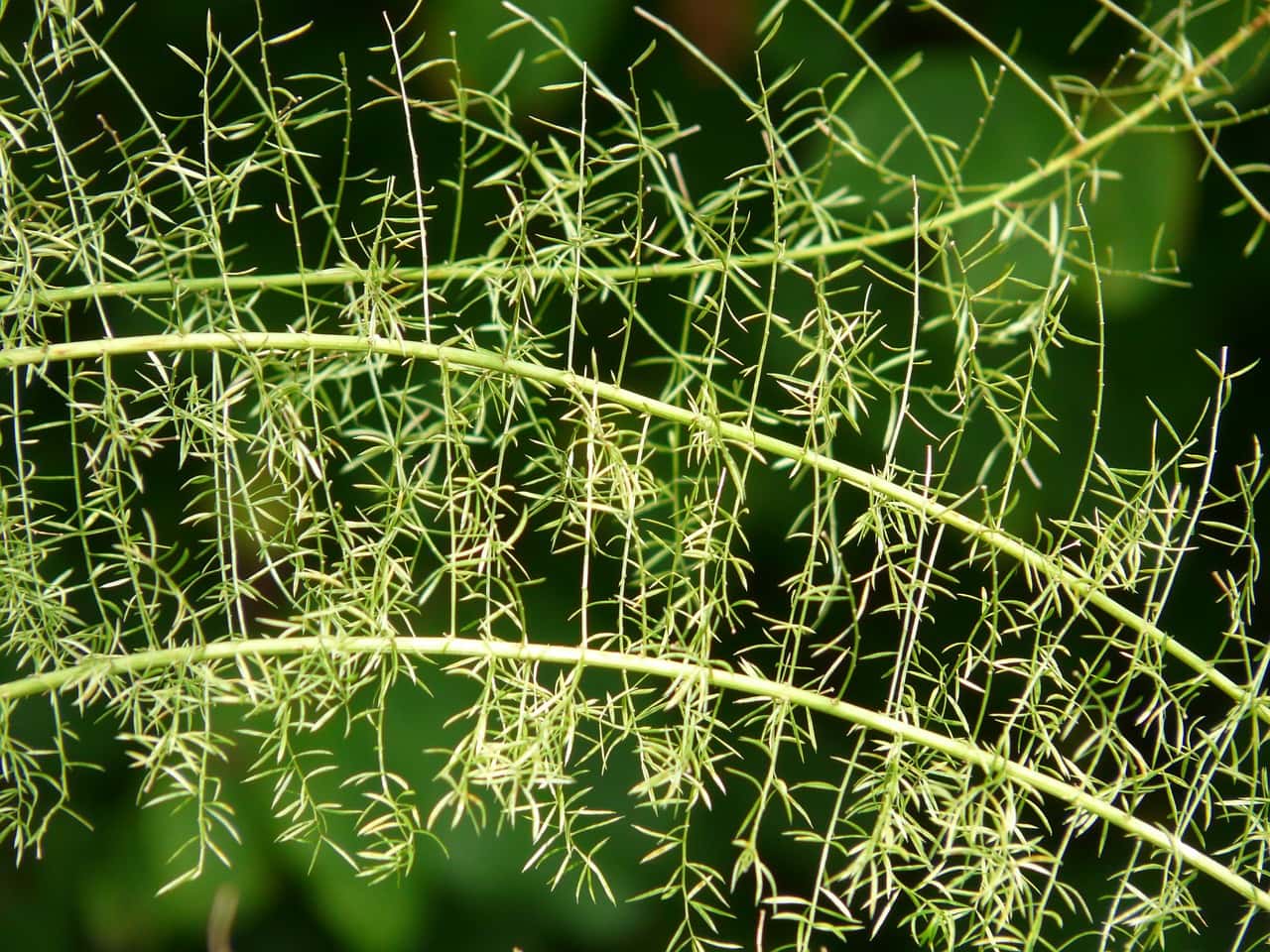
Asparagus Fern
The asparagus fern is another member of the lily family. Many people love ferns because of their long, thin, pine-like leaves. But these plants can cause skin irritation and stomach upset in cats if it is ingested.
Sapogenin is the toxin in this specific plant. Although the level of toxicity is low, and cats don’t usually eat a lot due to the sharp texture of the plant, they should still be avoided.
Autumn Crocus
These plants are another member of the lily family. Also known as “naked lady”, they bloom in the autumn and are poisonous to cats due to their alkaloid colchicine content.
Ingestion of any part of this plant can cause severe gastrointestinal problems such as diarrhea, vomiting, and diarrhea. The plants can also cause liver damage, and signs may not appear until a few days after it’s been ingested. It also takes a long time to clear from the system.
Cyclamen
The cyclamen, also known as “Persian violet”, is a genus that includes more than 20 perennial flowering plants. It is often kept indoors, which can spell disaster for curious kitties. The poisonous component, “saponins”, is found in all parts of the plant (leaves, flowers, stems), especially the roots and tubers. This plant can cause seizures, heart palpitations, and abnormalities, and it can also lead to fatalities in cats.

Philodendrons
House plants of philodendron thrive indoors all year and are mild to moderately toxic for curious cats. The philodendron family also includes the heartleaf and fiddle-leaf plants. The leaves on Philodendrons contain calcium oxalate crystals, which can cause your cat’s digestive system a lot of discomfort. They can also cause cats to vomit and have swelling in the mouth.
Dieffenbachia
These plants belong to the Araceae family, which includes many other beautiful flowering plants. If ingested, Dieffenbachia can cause irritation to your cat’s mouth, stomach, and intestines. This is because this plant also contains calcium oxide crystals, which can sometimes cause breathing issues in cats.
Rhododendron Azalea
Rhododendron leaves and stems can be very toxic to cats. Even as little as three leaves could cause severe symptoms in your feline. This plant should be kept away from your cat at all costs, as it can cause severe neurological, gastrointestinal, and heart problems.

Foods to Avoid
There are also several foods that you should keep away from your cat. How many new cat owners often assume that they can feed their cat human food?
And while cats can consume some human foods, many things can be very hazardous to them and even fatal in some cases. So, while this list isn’t comprehensive, it covers some of the most common foods that you should avoid giving your cat at all times.
Caffeine
Caffeinated beverages are a no-go for cats. This includes coffee, tea, any type of energy drink, and even chocolate (because cacao beans naturally contain caffeine). Cats who consume any caffeine may experience rapid heartbeats, palpitations, and labored breathing.

Garlic and Onions
Be sure to keep your cat away from onions at all costs. In fact, any kind of onion (red, yellow, white) can make your cat anemic. It leads to the breakdown of red blood cells in felines, which can lead to anemia. Your cat may also experience gastrointestinal distress from garlic. Consuming large amounts of garlic or regular consumption can lead to serious health problems.
Bones
Despite what we’ve seen in commercials and cartoons, bones are actually hazardous to cats. Cats, whether they’re young or mature, can easily choke on large and small bones. So unless you’re blending the bones up completely (to where they have the consistency of pâte), it’s best to avoid giving them to your cat.
Raw Eggs
Raw eggs also aren’t great for felines. Feeding your cat raw eggs can place them at risk for Salmonella, E. coli, and other bacterial poisonings. Also, the egg whites contain a protein called avidin. This protein can interfere with your cat’s ability to absorb B vitamins like biotin, cooking egg whites markedly reduces the avidin.

Alcohol
Never give your cat any type of alcoholic beverage. Cats have small bodies that can easily cause them to suffer from alcohol poisoning. Even a few sips of beer or wine can cause your cat to have seizures as well as lead to serious brain damage and liver problems. If you suspect that your kitten has got into your homebrew, it’s best to take it to the nearest vet clinic as soon as possible.
Chocolate
It may be tempting to give your cat a small nibble of your chocolate bar or beverage, but this is never a good idea. All types of chocolate contain theobromine. If your cat ingests it, it can cause heart arrhythmias, seizures, and muscle tremors. And remember that chocolate naturally contains caffeine. And even a small amount can be too much for your cat, leading to heart or breathing issues.
Wrapping Things Up
Cats’ naturally inquisitive behavior will often lead them to sniff and nibble on plants that you have around the house. So, it’s important to know which ones are safe to have around your cat and which ones can be toxic.
If you suspect that your cat has ingested a plant that is known to be poisonous, be sure to monitor its behavior and take it to the nearest vet clinic as soon as possible for treatment. When it comes to cat poisoning, time is of the essence, and even a delay of one or two hours can have serious health consequences.
Featured Image Credit: Piqsels