Are Cats Loyal? What Science Says (Vet Verified)


In this article
Felines get a very bad rap for being independent and somewhat shrewd. But is there any truth to the statement that cats can't be loyal? We might be partial to cats, so we'll let the science speak.
Our cats love us, even if they don't always show interest. It's one of the things we accept about our felines and their ways of interacting with us. But how do they view your relationship from their perspective? We will talk a bit about what scientific research tells us about cats being loyal to their owners, but to give you a sneak peek, yes, cats can be loyal.

What Is Loyalty?
According to good old Mr. Webster, loyalty is giving or showing firm and constant support or allegiance to a person or institution.
While your cat probably doesn't come to mind at first thought, we have to give our kitties some credit. Cats do show loyalty in their own way. It just might be a little unorthodox.
Can Cats Be Loyal?
When we think of loyalty, we might think of someone always at our beck and call. Cats are generally more independent, thinking of you as an equal than an alpha. Cats can be loyal, with an emphasis on if and when it suits them. Like most things, cats dish out loyalty when they receive loyalty in return—consider it a mutually beneficial relationship.
Cat relationships are very much based on consensual partnerships. They need to feel like they're on your level, and you need to have permission to interact with them. Cats enjoy having boundaries set and doing things of their own will. They are fiercely independent creatures that need room to be themselves. These traits shouldn't discredit their loyalty to their owners.
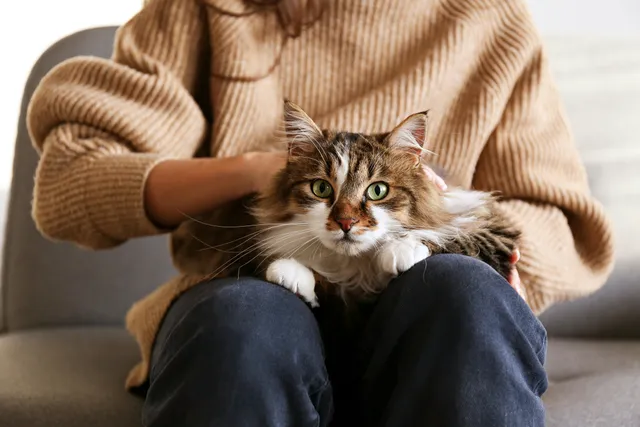
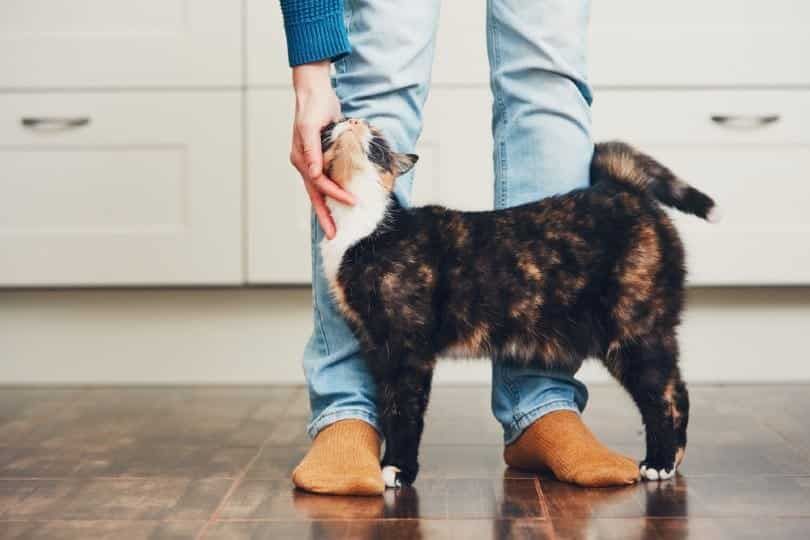
They show you loyalty in many ways, such as picking up on your emotions, rubbing against you, and showing you affection. They know who fills the food bowl and gives the chin rubs—and that's where their loyalty lies.
Also, cats don't often show loyalty in the stereotypical sense. They won't attack a predator that's out to get you. They won't paw at your spouse when you have a spat. However, studies find that cats can be deeply devoted to their owners.

Cats & Cognitive Recognition
It's not that cats mean to be disloyal; it's just that they aren't wired the same way your dog is. Cats don't seem to show a response when someone else is mean to their owners. This isn't a sign of something being wrong—it's just not how a cat's brain is built to respond.
An Animal Behavior and Cognition study shows that cats don't necessarily have the same instincts a dog does. This study compared the interaction between their owners and two actors—one helpful, one not.
When both actors offered a piece of food to the cats, they didn't show a preference for either, taking both offerings.
The study concluded that cats don't have the same basic concepts for social recognition as dogs do. This, of course, is just one study that outlines the differences in how we and our pets view the world. But should that count against cat loyalty?

Do Cats Care About Their Owners?
Cats genuinely do care about their owners. Many people claim that cats only like a hand to feed them. However, research indicates otherwise. Cats are capable of feeling emotions and bonding with their caretakers.
A study covered by NBC News showed that cats are deeply devoted to their caregivers. So, this does stem from being the one who feeds them, but it goes deeper than that. Cats form complex relationships with humans called secure attachments.
Cats feel you are their caretakers. But on the opposite side, they also feel like they take care of you. So, we go back to the mutually beneficial relationship that we learned about earlier.

Can Cats Show Love?
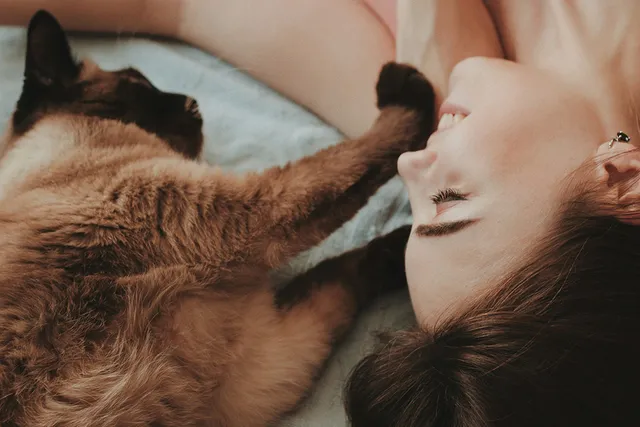
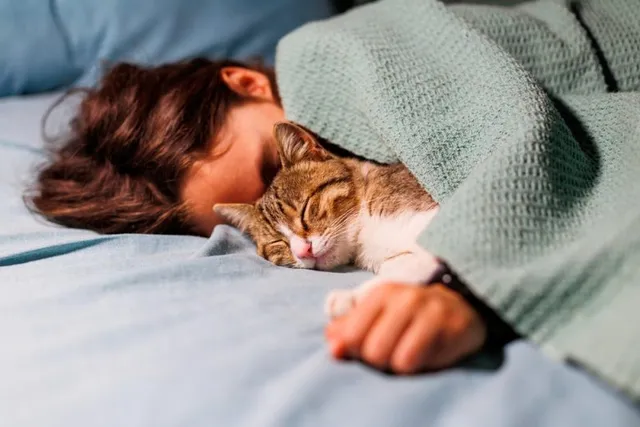
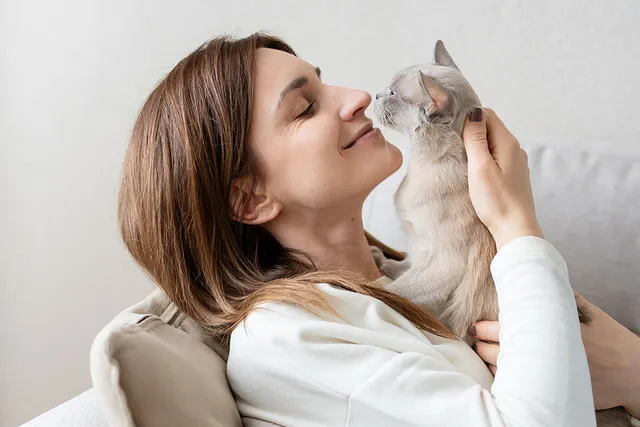
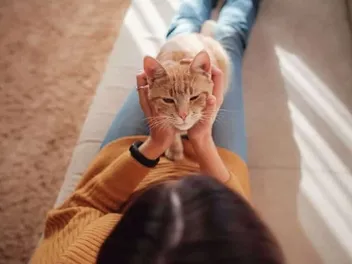
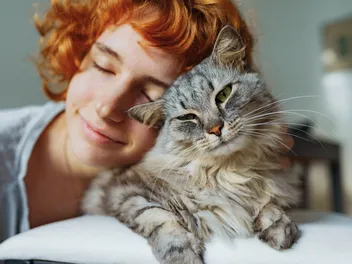
Cats are capable of showing affection through rubbing, purring, and snuggling, and some cats feel more secure and loved when they are with their owners. Cats show love in a variety of ways. Some that might be familiar to you include:
Body language is a big deal for cats. It can tell you all kinds of things about how they feel. If you are your cat's favorite person, you know.

Cat vs. Dog Loyalty
Many people consider cats to be disloyal when you compare them to dogs. We all must understand that cats and dogs operate very differently, as they are entirely separate species. They have their own ways of reacting and responding to other creatures around them.
In this study review that evaluated three decades of research, differences between feline-human and canine-human relationships are explored. Dogs are loyal to their owners by protecting them in situations that might harm them. You might notice if you've ever gotten in an argument around your dog, they're quick to jump to the defense. Even calm-tempered dogs will rise to the occasion if they feel threatened. Cats don't seem to have the same basic response or concept the dogs do. But it's really no fault of their own. Even though they might be internally devoted to you, they aren't going to attack a person at your request.
Another research study showed that the human-dog relationship is comparable to an infant-parent relationship and causes a release of oxytocin in humans. A cat-human relationship is probably more like best friends, as opposed to a parent-child dynamic. This might be attributed to the fact cats are much more independent than dogs.

Every Cat Is Different
Each feline will respond to you in their own way. Some cats tend to be highly affectionate and outgoing, while others are more reserved and off to themselves. It would be best if you never base the opinion of every cat on one particular personality type.
Some cats will be loyal, while others won't show any obvious signs of loyalty whatsoever. That's just a risk you take when you have a cat as a pet.
Final Thoughts
Even though cats cannot show loyalty traditionally like we are used to, cats can be very devoted companions. They might never attack an intruder or save us from the rubble, but they can provide lots of snuggles and entertainment in our daily lives.
It is not fair to assume that cats should behave a certain way to win our affection. We should love them as they are and let them behave how they see fit.
Featured Image Credit: Jaromir Chalabala, Shutterstock
Expert cat care, straight to your inbox
News, insights, and useful advice, delivered to you.

No spam — unsubscribe anytime.
By signing up, you agree to our Terms & Conditions and Privacy & Cookies Policy.
How useful was this post?
Click a star to rate. You can leave written feedback afterwards. (We read all feedback.)
As a freelance dog writer and passionate pet enthusiast, Ashley Bates is pursuing studies in animal therapy. A mother to four human children and 23 animal companions, Ashley is dedicated to volunteering at shelters, advocating for animal rights, and rescuing animals in need. Her goal is to spread awareness, provide education, and offer entertainment about pets to reduce homelessness. Ashley's specialties include dogs and cats.