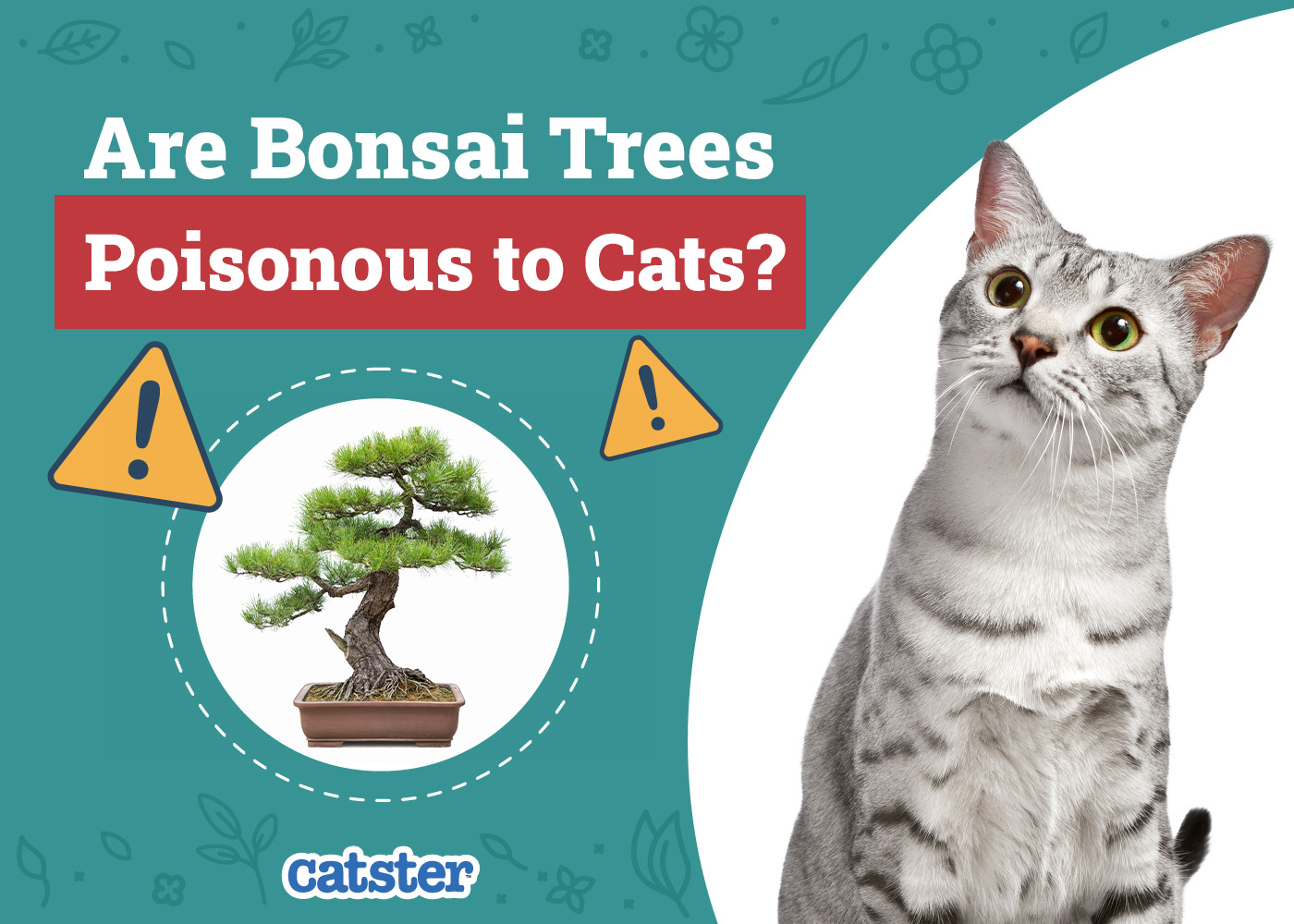
Are Bonsai Trees Poisonous to Cats? Vet-Reviewed Houseplants Examined


The unique and beautiful bonsai tree is grown to give the impression of being a full-sized, mature tree. The question of whether it is poisonous to cats isn’t easy to answer because a bonsai isn’t a species of tree. In fact, many species of trees can be turned into bonsai through various methods.
Many popular trees that are grown as bonsai are indeed toxic to cats. We’ve found examples of these species that are poisonous and which are the safest around our curious feline friends.

What Are Bonsai Trees?
The art of bonsai may have originated in China around 1,000 years ago, but the Japanese perfected it.
In Japanese, bonsai means “tray-planted,” and it’s a method of growing dwarf trees in containers. The trees resemble the shape of full-grown ones. Bonsais are pruned at the roots and branches, and wires are used to shape branches to mimic the growth of larger trees.
Figuring out which species are toxic to cats is challenging because several poisonous plants can be modeled into bonsais. However, we’re here to help so you can keep your cat safe.

The 7 Examples of Poisonous Bonsai Trees
Even if your cat is not usually a nibbler, they may get curious one day and decide to feast on your bonsai. Some plants can irritate the skin or upset the cat’s stomach, like when an innocent cat brushes against a toxic bonsai and later licks sap from its fur. It’s important to identify potential risks in your home to make informed decisions about what is safest for your cat.
1. Ficus

All ficus species, which includes figs, are considered toxic to cats thanks to their irritating sap, and unfortunately, they are popular indoor plants. The sap can irritate a cat’s mouth, skin, or digestive tract if it’s ingested.
2. Sago Palm Bonsai Tree

A sago palm can be an indoor or outdoor plant, and every part of the species is poisonous to cats, but the most toxic part is the seeds. If your cat ingests any part of this plant, they may experience vomiting, drooling, a black-like tar stool, and jaundice.
We advise not having this plant in your home or garden, as it is one of the most toxic plants on our list.
3. Azalea

This beautiful bonsai tree belongs to the Rhododendron family and is toxic to cats and humans. If your cat ingests any part of the foliage, they may show signs of vomiting, excessive drooling, and diarrhea. Further symptoms to follow if these first signs are not picked up on early enough are a lack of appetite, tremors, or even a coma.
4. Baby Jade Plant

The baby jade is a houseplant that’s also called the jade tree, bay jade, or the Chinese rubber plant. If consumed by your cat, the jade plant can cause vomiting, loss of muscle function, and a slowed heart rate. Other symptoms include aggression, sleeping more often, and neglecting to groom. If you suspect this plant has poisoned your cat, immediately take them to a vet.
5. Norfolk Island Pine

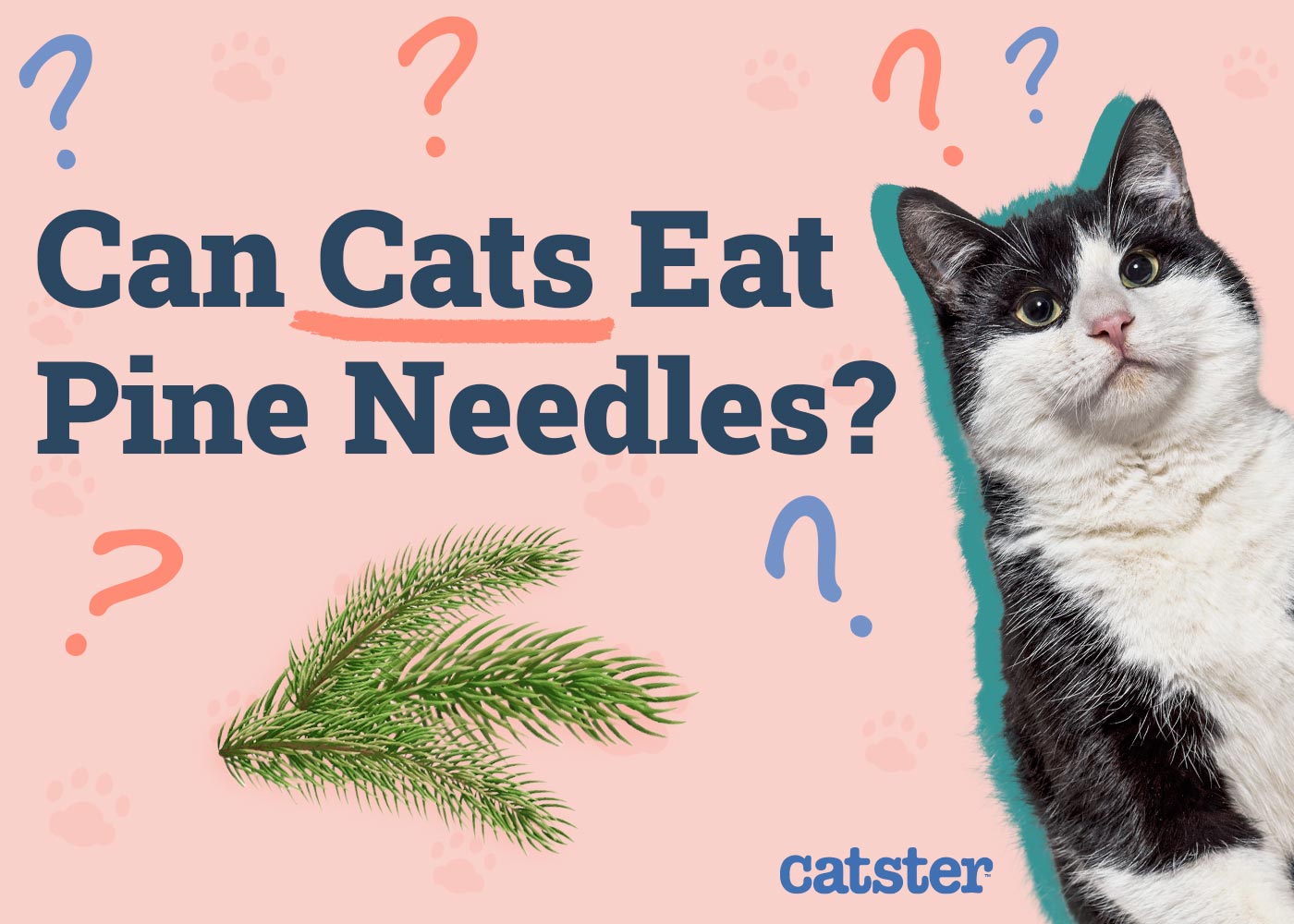
The Norfolk island pine looks like a miniature Christmas tree and belongs to the Araucariaceae family. It goes by the Norfolk pine, house pine, or the Australian pine. Whether your pet ingests a pine needle or drinks from the water the plant is standing in, they may experience gastrointestinal upset, vomiting, diarrhea, anorexia, mouth irritation, and dermatitis.
Pine needles are sharp and could puncture your cat’s mouth, tongue, or stomach.
6. Cherry Trees

The toxic component of a cherry tree is cyanide, and while we can eat the fruit, all other parts of a cherry tree are deadly to felines. Cherry poisoning causes symptoms like bright red gums, difficulty breathing, dilated pupils, and shock that could eventually lead to death.
7. Sweet Plum

Plum poisoning occurs when your cat ingests any part of a plum fruit or plant. The leaves, stems, and seeds all contain cyanide, and while plums are always toxic to cats, they are especially lethal when they wilt. Wilted plants have higher concentrations of the toxin as the fruit’s moisture decreases.
Symptoms of plum poisoning include difficulty breathing, dilated pupils, bright red gums, and shock.
Safe Bonsai Trees for Cats
You may be discouraged because the list of unsafe bonsai trees is so long. However, there are cat-friendly options out there! It’s important to note that even plants considered “non-toxic” can cause tummy upsets if too much is eaten.
Here are some examples of pet-friendly bonsai plants:
Remember, if you’re ever unsure about a new addition to your plant family, ask your vet for advice.
How to Keep Your Cat Safe
When you own a cat, it can feel like you’re sacrificing your green thumb to give up your houseplants, but that doesn’t have to be the case. The ASPCA has lists of toxic and non-toxic plants, so you know what to avoid and what would make an excellent addition to your home.
If you have an indoor cat, you can still keep outdoor varieties. Just ensure the plant is too high for your cat and, ideally, is in a room they cannot enter. But accidents can happen to anyone, no matter how careful you are, and our advice is to avoid toxic plants while you have a cat.
However, eating too much of any plant can make a cat sick because their digestive system isn’t designed to process large quantities of plant material. Cats can also knock containers and pots over, causing injury. They can also hurt themselves on the wire used to shape the branches, and some components of the soil or fertilizers may also be toxic.
It’s vital to keep all of this in mind when you’re next taking a trip to the garden center.
Conclusion
Balancing your cat’s safety and your love of plants can be challenging for cat owners with green thumbs. At least when it comes to the art of bonsai trees, there are safe alternatives to the seven popular toxic trees we listed earlier. So, you can still indulge your artistic side while keeping your curious kitty safe.
Sources
Featured Image Credit By: kian2018, Pixabay
Expert cat care, straight to your inbox
Vet-reviewed advice, behavior tips, and the best of Catster. Free, and you can unsubscribe anytime.
By signing up, you agree to our Terms & Conditions and Privacy & Cookies Policy.
Christian started writing for a local newspaper as a teenager, and he's been involved in the publishing industry for most of his adult life. Combining his love of writing with a passion for animals, he is currently the Director of Editorial at Pangolia and the Editor-in-Chief at Catster.
Christian lives in the Philippines with his wife, son, and four rescue cats: Trixie, Chloe, Sparky, and Chopper.
Join the conversation
Ask a question, share your story, or send private feedback.