Do Outdoor Cats Need a Litter Box? Vet-Reviewed Care Facts


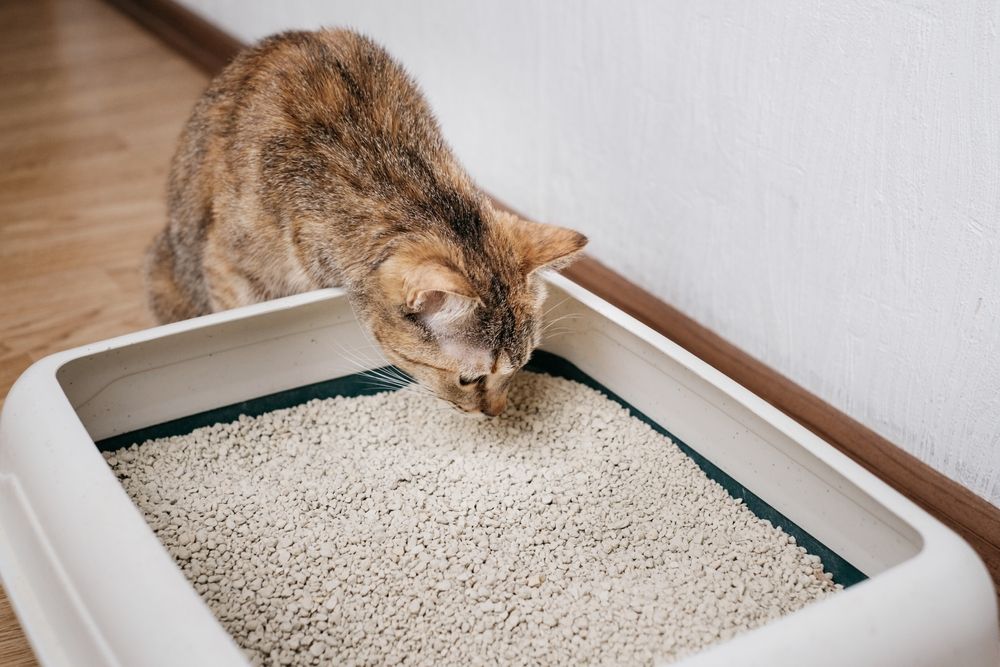
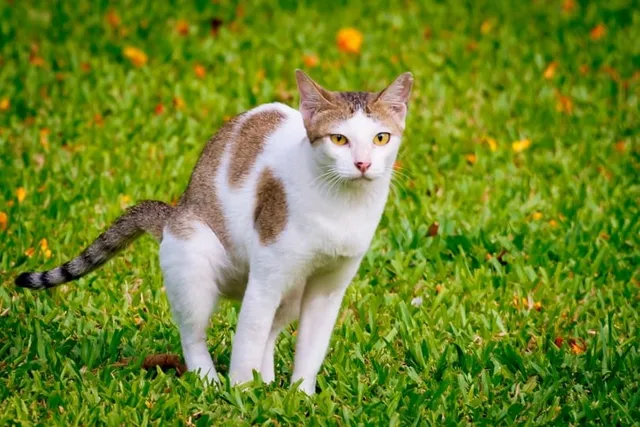
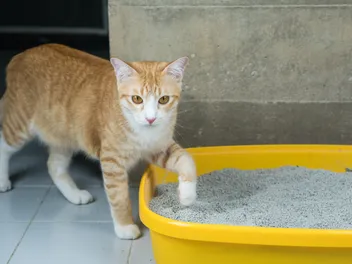
If you have a strictly outdoor or an indoor-outdoor cat, you may wonder if you should provide your pet with a litter box. After all, they likely have many places from which to choose; the world is their toilet! Many cats prefer to return to the same areas, and if that place is your garden, you may opt for a litter box outdoors to make it easier for you to manage. It’s also a good way to encourage your kitty to stay close to home. Plus, if your outdoor kitty ever comes inside, you might want to have one indoors as well.
It can also help you monitor your pet’s health. Outdoor cats are more likely to get internal and external parasites because of the increased exposure to these threats outside. A litter box placed outside can make it easy to collect fecal samples to run tests, or just keep an eye on the health of their poop.

Reasons to Provide A Litter Box For Your Outdoor Cat
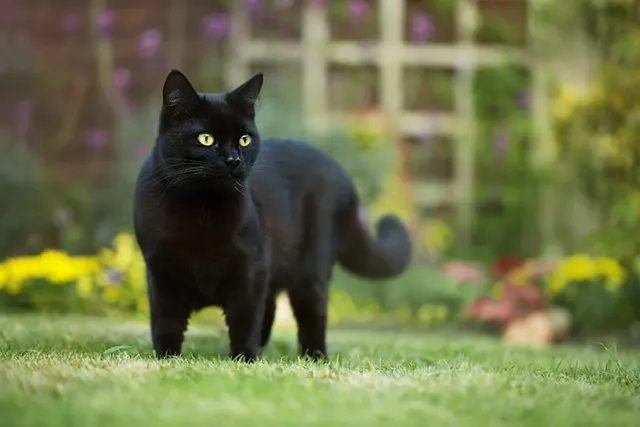
Many cats that spend time outdoors will use their urine and feces to let other cats in the area know about their territory. This is why you often see uncovered cat poop outside - they want other cats to smell it. Other cats, particularly those who don’t rank too highly in the local feline hierarchy, will prefer to keep their comings and goings more quiet.
Providing your cat with a litter box outside can help them feel more at ease about toileting in the great outdoors. Equally, an indoor litter box may be very gratefully received by a nervous kitty.
At one time or another, you will probably have to keep your cat indoors for some reason; weather, illness, injury etc. It is much easier for them to adapt to using a litter box if they have used one before.
Even the friendliest of neighbors can get fed up if your feline keeps fouling their flower beds. Encouraging your cat to use a litter box instead may help put a stop to this habit, and at the very least, convince the folk next door that you are making an effort!

Tips for Setting Up an Outdoor Litter Box
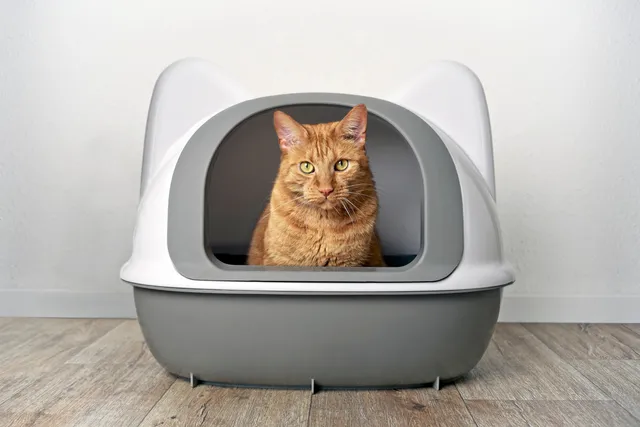
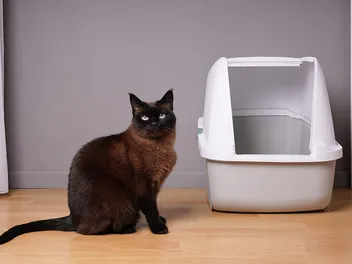
Depending on where you are going to place it, you can opt for a covered or uncovered box, but a covered box will be more weather resistant. Cats feel at their most vulnerable when they are doing their business, so a covered box also offers them protection. Choose one that either has no door, or a clear door, so they can keep an eye out for anyone approaching.
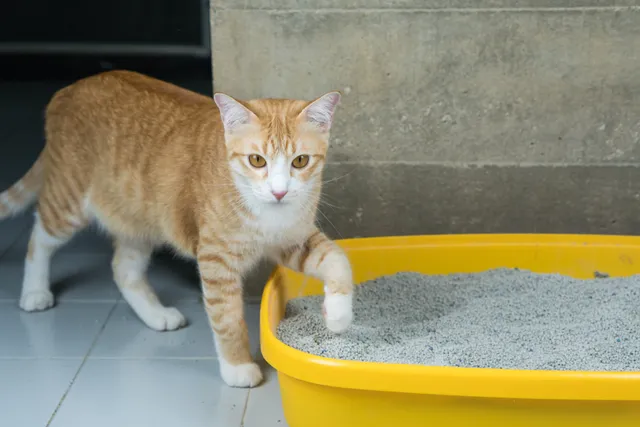
If your cat has used a litter box before, you probably won’t have any issues getting them to use it. Your pet may instinctively use it because of the substrate. It’s essential to keep the box clean, just as you would one in the house, as cats are reluctant to use it once it is soiled. Be aware that other cats in the neighborhood might get wind of this new place to toilet, so you may find that you’re dealing with more than you bargained for! Be extra careful when cleaning, as outdoor kitties are more likely to be carrying internal parasites.
You should place the box somewhere where there’s minimal foot traffic. You can put it behind a bush or build a frame or screen for it to make it less noticeable, and more inviting to your kitty. Placing some of your cat’s feces or soil from your yard can ease the transition by making it seem familiar to your pet.
Obviously, the best way to minimize the risk of providing a latrine for every neighborhood cat to frequent, is to keep a litter box indoors for your cat to use. They may rarely, even never, use it, but you may also find that it is greatly appreciated.

Redirecting Your Cat’s Litter Box Habits
An interesting Japanese study offers further advice for redirecting your cat’s use of an inappropriate place, like your garden or the one next door, to a litter box. Researchers located favorite spots that the communal cat population was using at a local temple and graveyard. They applied a feline repellent to these areas, while at the same time putting out litter boxes for the felines to use.
The process took several weeks, but they were able to get the animals to use the boxes instead of the temple’s grounds. It’s an excellent example of using counterconditioning to modify the cat’s behavior to something more preferred. You can try a similar approach if your pet is using your garden or other unwanted areas as their toilet.
Final Thoughts
Although most cats that spend time outdoors will be perfectly happy doing their business in nature, some cats prefer the safety and privacy of a litter box, and you (or your neighbors) might appreciate finding fewer fecal surprises in the garden. Providing your cat with a specific place to go can help encourage your kitty to stay closer to home, or make it easier for them to stay inside during inclement weather.
Related Read:
Sources
Featured Image Credit: Duet PandG, Shutterstock
Expert cat care, straight to your inbox
News, insights, and useful advice, delivered to you.

No spam — unsubscribe anytime.
By signing up, you agree to our Terms & Conditions and Privacy & Cookies Policy.
How useful was this post?
Click a star to rate. You can leave written feedback afterwards. (We read all feedback.)
Chris has been a science-focused pet writer since 2009, specializing in health and the environment. She lives with her husband Norm and three amazing cats in the land of 10,000 lakes. When she's not writing about cats, Chris also enjoys boating and sampling wine. She has her WSET 1 and 2 certifications and is currently pursuing her Certified Wine Specialist Award (CSW).