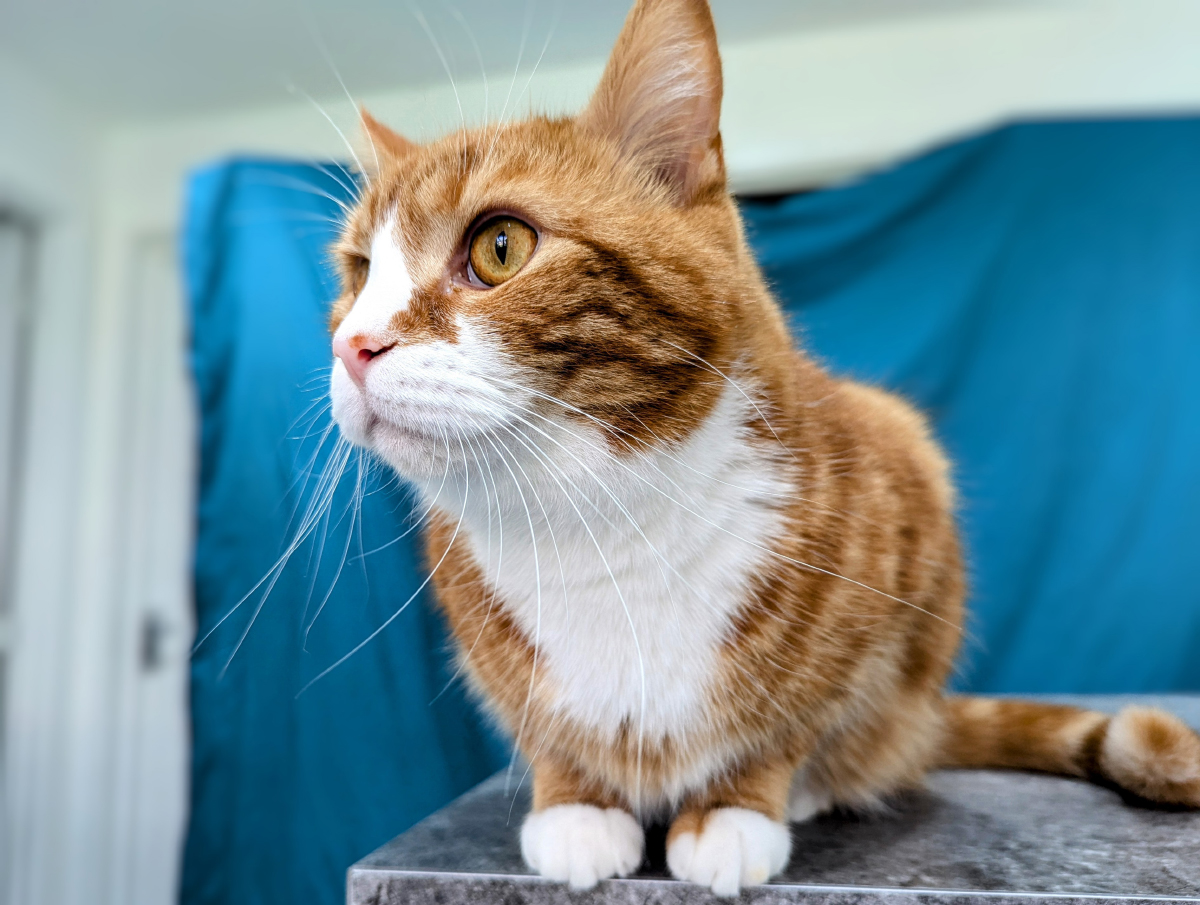
Alex - What Long Whiskers You Have!

Hi, I'm Dr. Karyn! Read my introduction to learn more about me and meet my five hilarious cats: Clutch, Cyril, Alex, Zelda, and Zazzles.
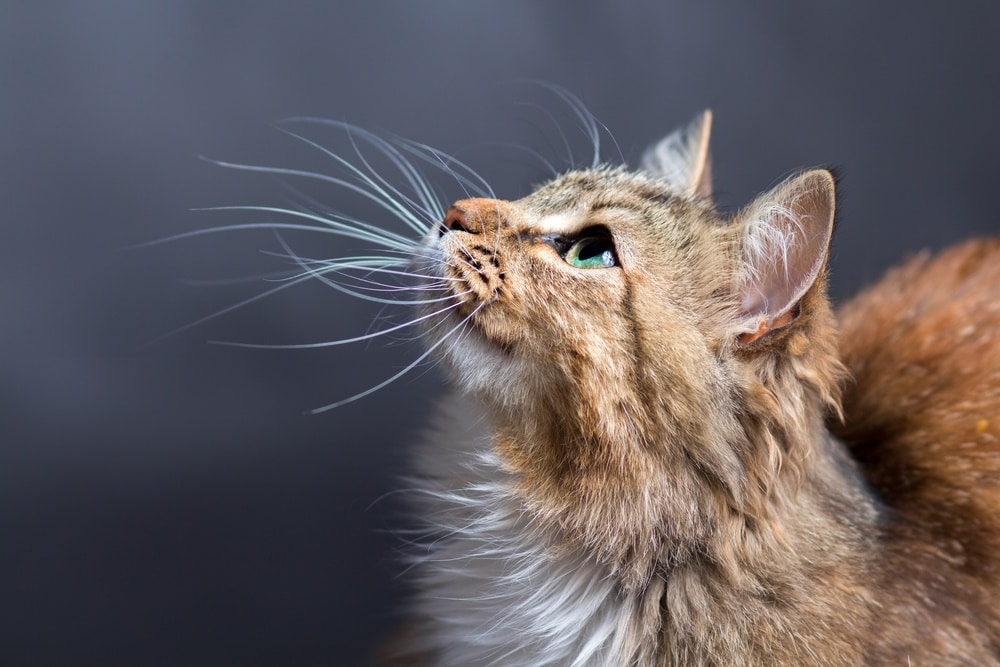
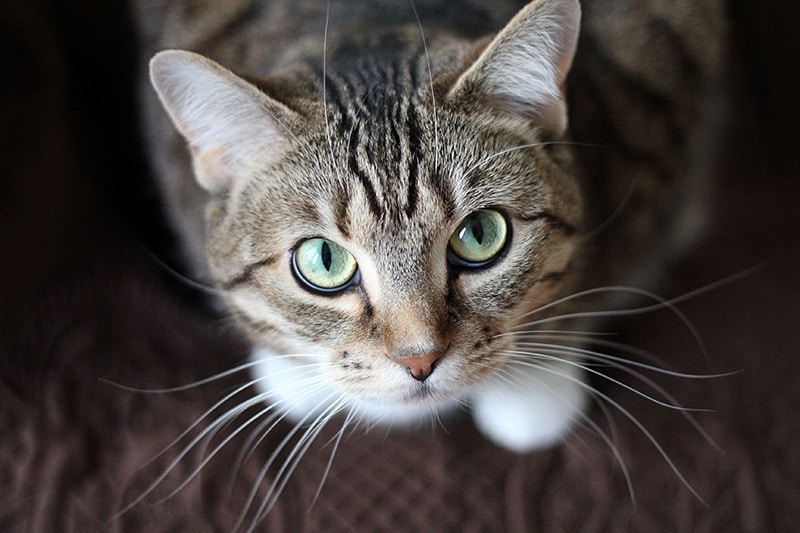
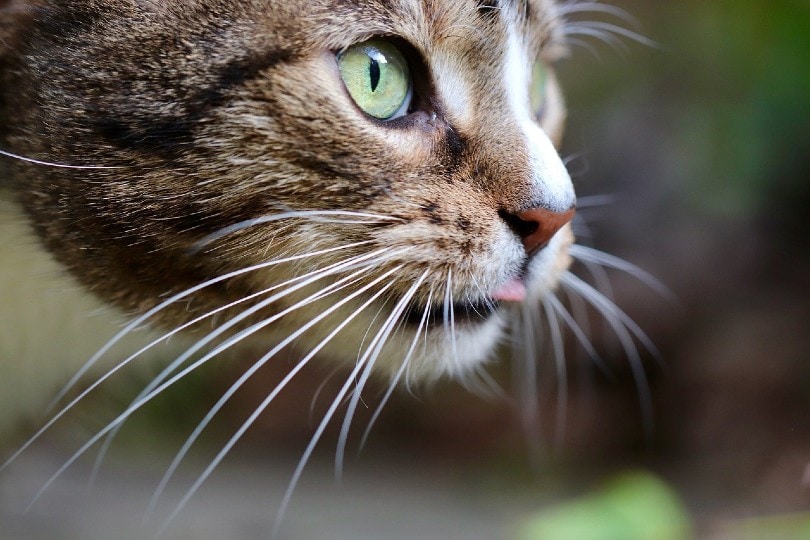
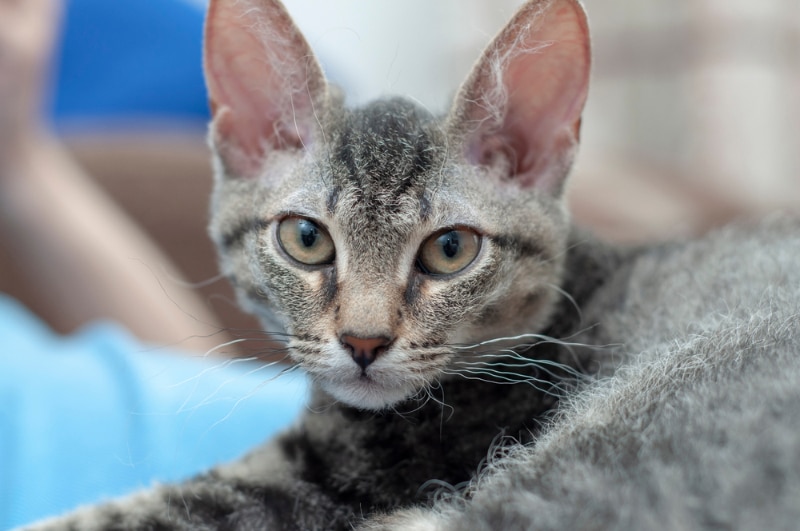
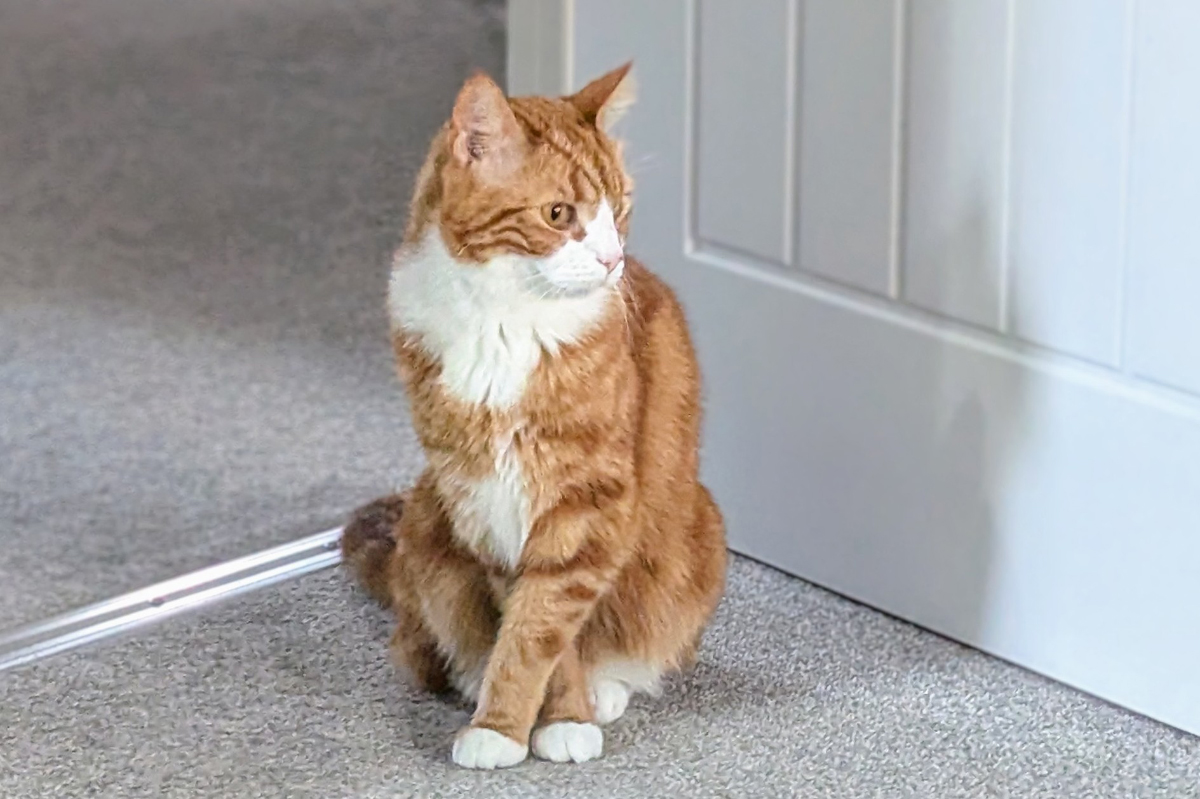
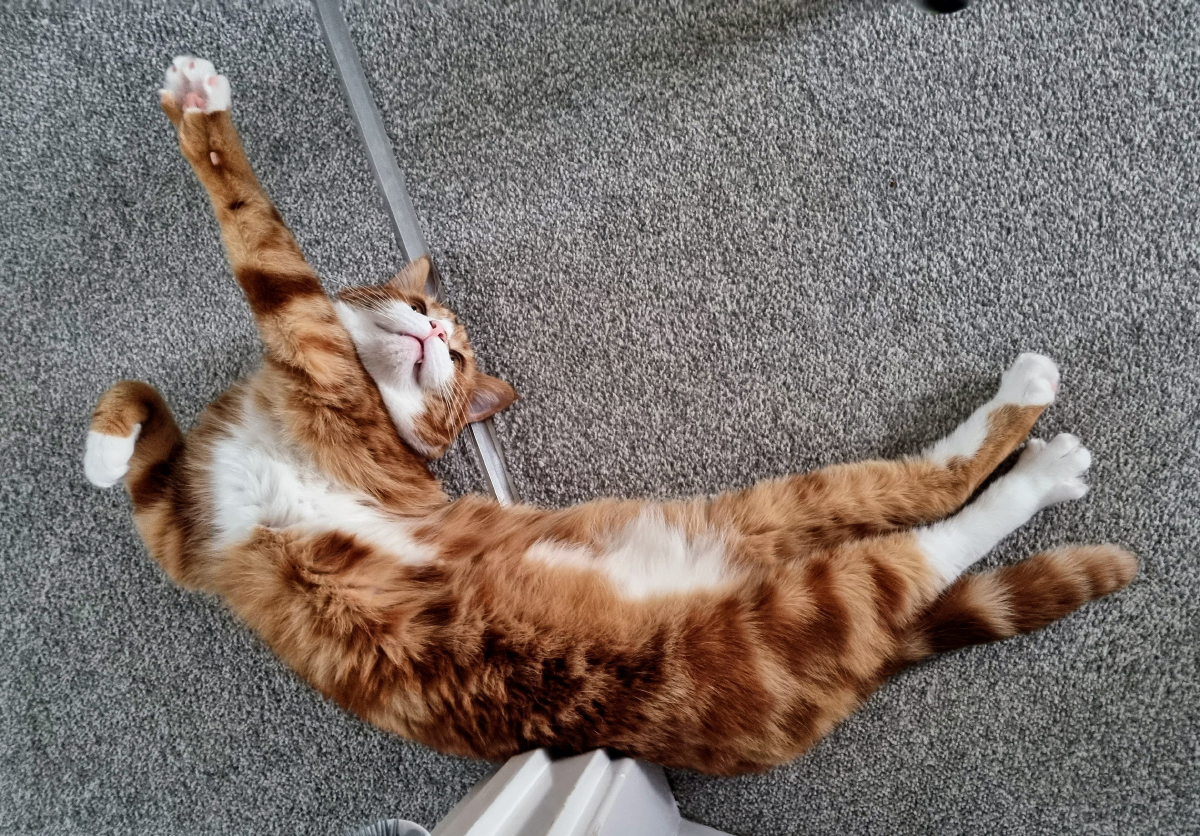
When looking at my ginger cat, Alex, it’s hard not to notice that he has remarkably long whiskers, particularly for a short-haired cat, and it made me wonder about some of the so-called ‘rules’ about whiskers. These are some of the claims made about whiskers, or as they are technically called, vibrissae:
Cats use whiskers to gauge the width of a gap to see if they can fit through it
Fatter cats have longer whiskers
A cat’s whiskers are proportionate to the width of their body
But when I look at the various sizes of my cats compared with their whisker length, these theories don’t quite seem to add up.
Whiskers As A Measuring Tool
Have you ever watched a cat squeeze, jump, or run through a narrow gap? How often do they stop to test the width with their whiskers? And, judging by the contortions they’re capable of to navigate such narrow openings, how much attention are they paying to this ‘whisker feedback’ anyway?

Fatter Cats Have Longer Whiskers
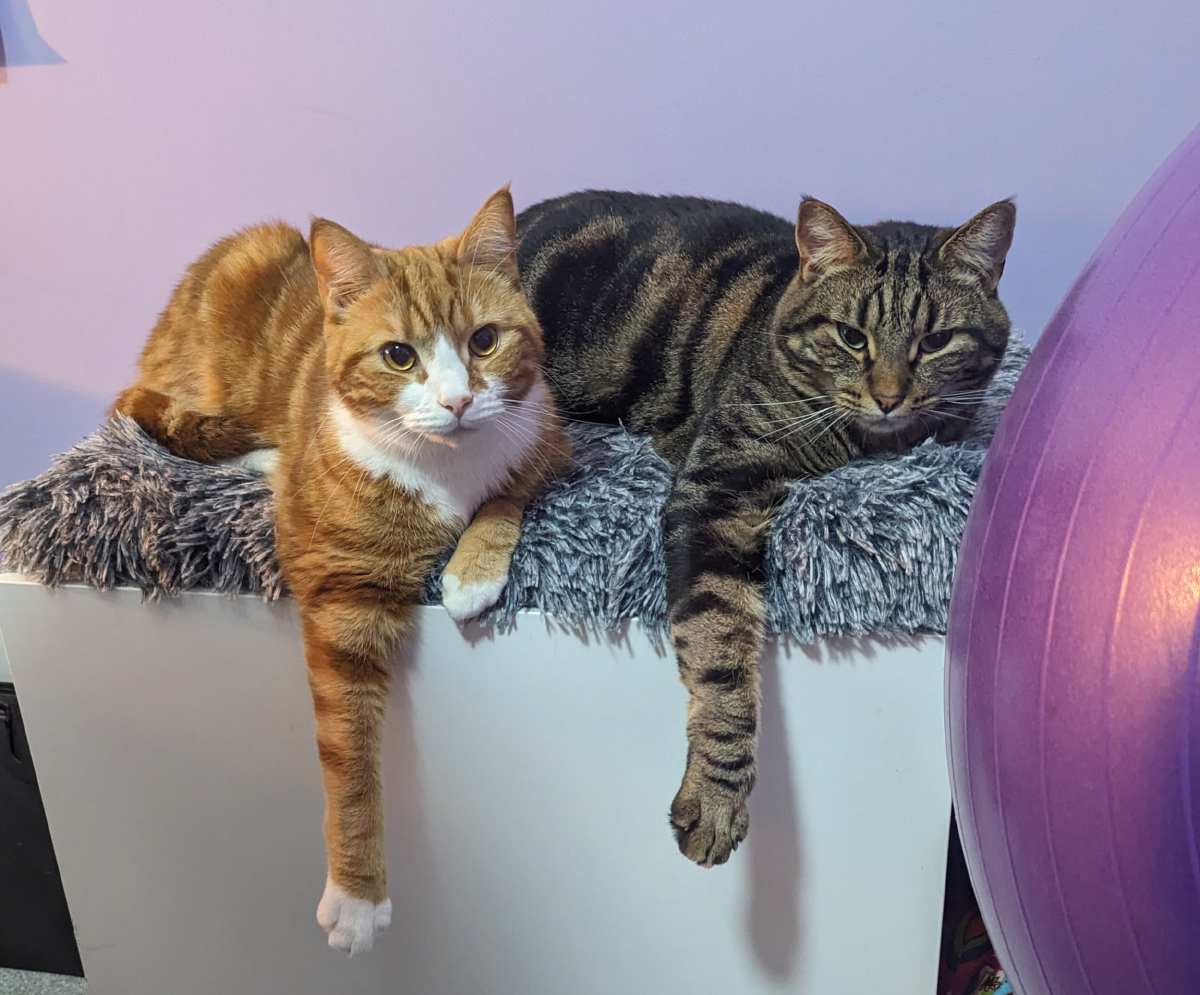
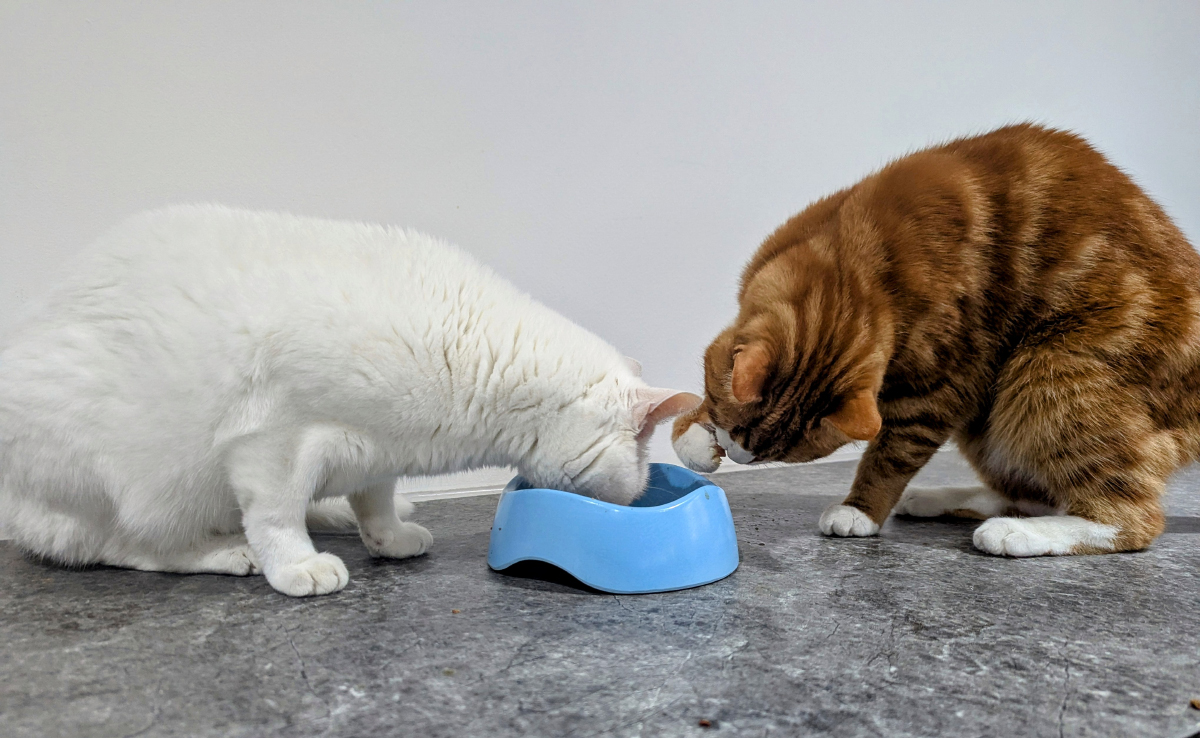
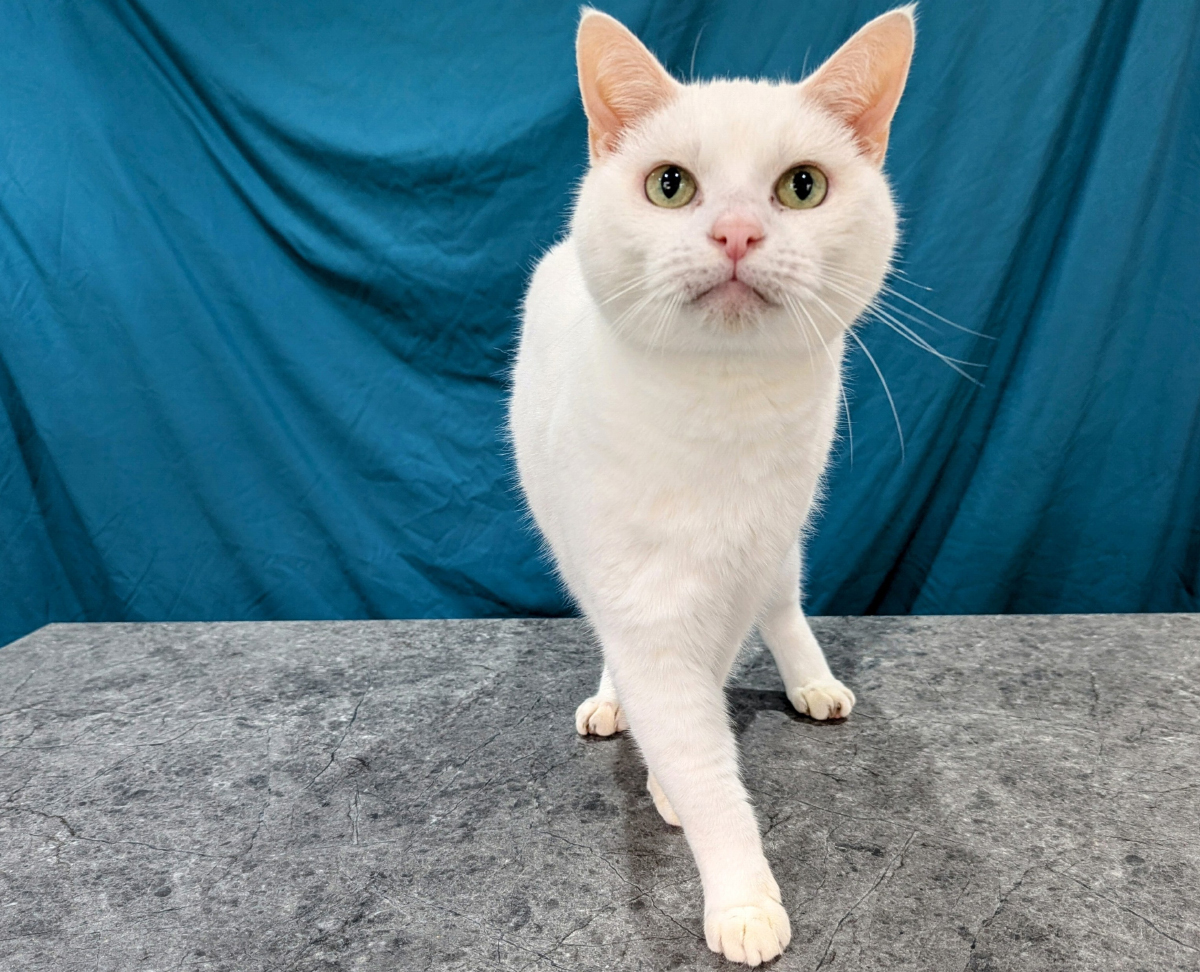
One look at Cyril will tell you that this is simply not the case. As my squishy, huggable, resident fatty, Cyril is almost twice the size of our smallest feline, Zazzles. Even at a lean body weight, he is a large cat, but his whiskers are of quite a modest length.
Although whiskers fall out and are replaced like normal hair, they don’t grow longer if a cat puts on weight, so perhaps it’s a good thing that they’re not relying on them to suss out the accessibility of small spaces, or we’d be seeing a lot more tubby tabbies trapped in tiny openings!

Whiskers Are Proportionate to Body Width
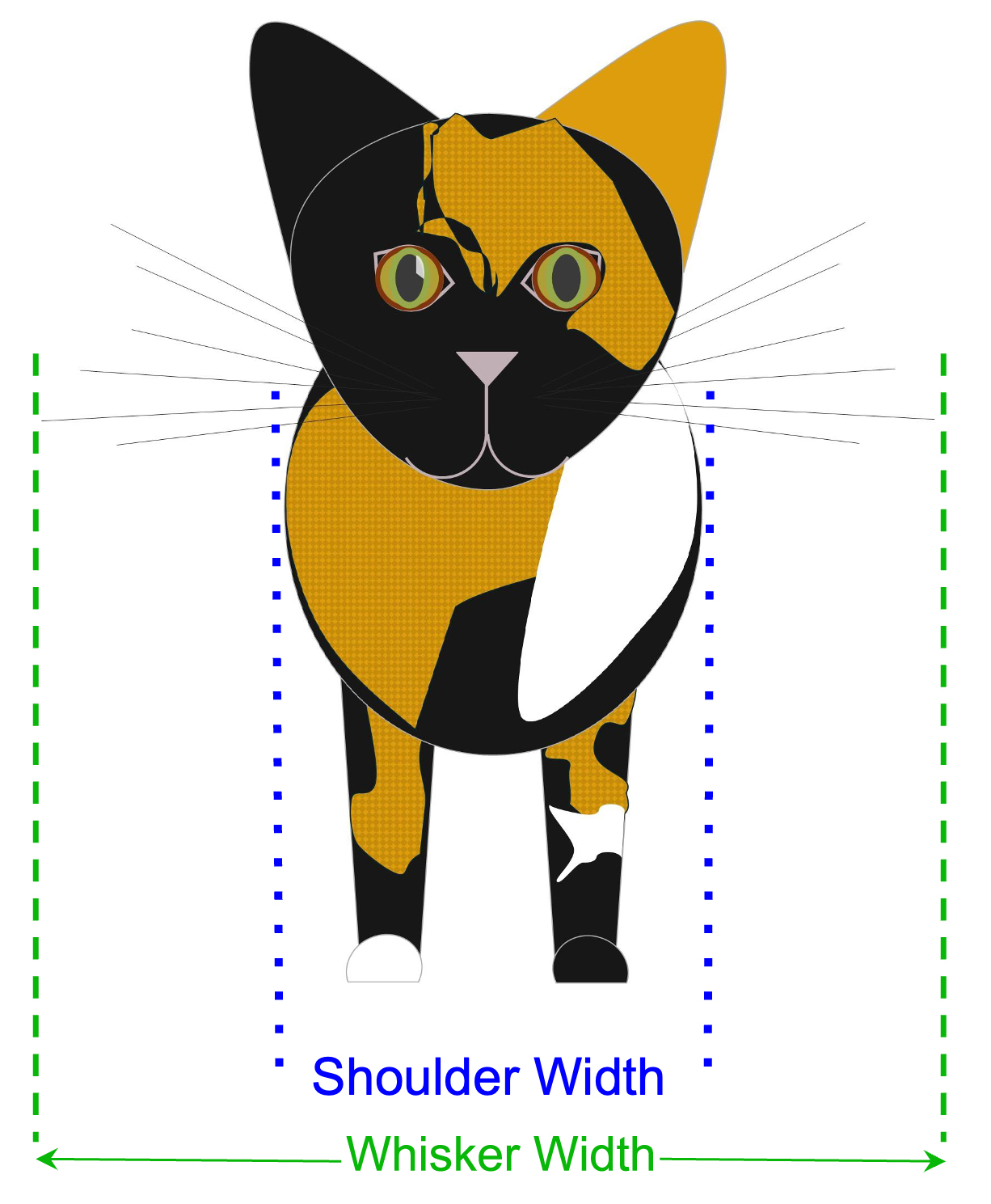
I took it upon myself to measure the width of each of my cats at the shoulders, which, with the exception of Cyril (who is going on a diet), is the widest part of a cat’s body. I then measured the overall width of their whiskers at the longest whisker to see how they compared.
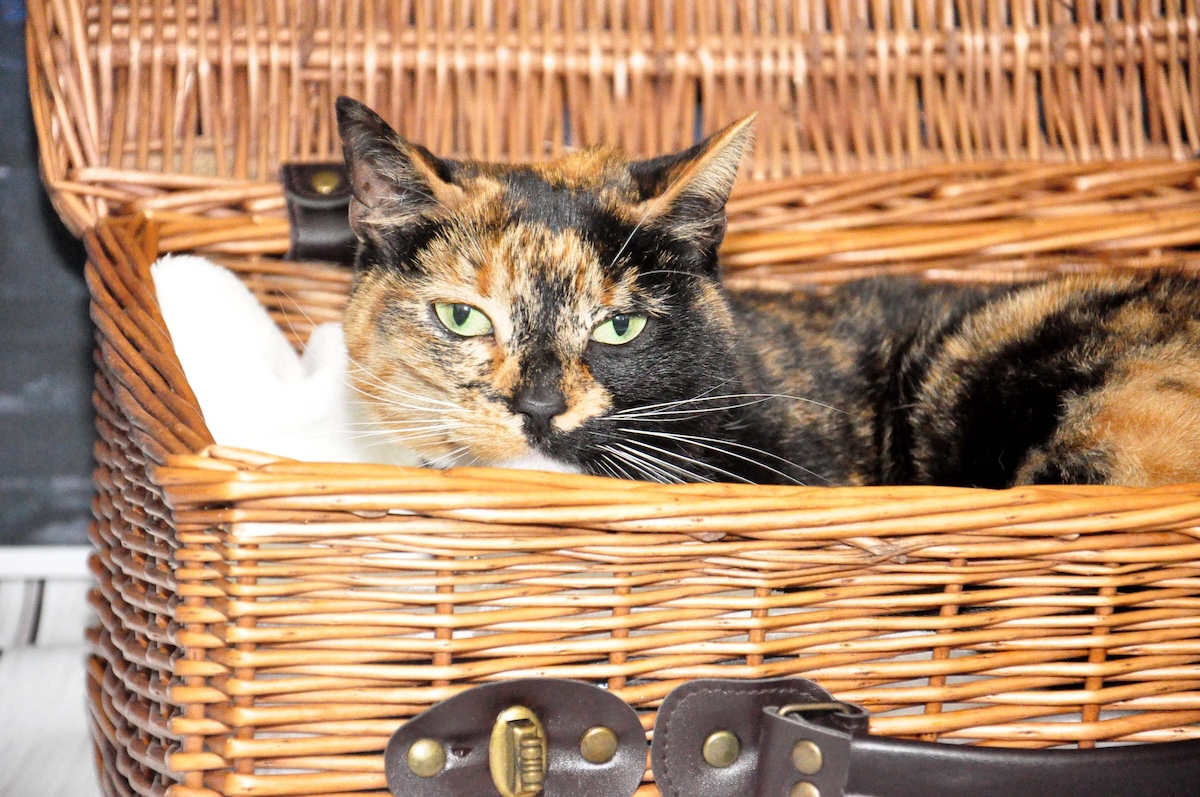
To look at, Clutch’s whiskers appeared to be most proportionate to his body, while Zazzles’ seemed quite short, even when accounting for her petite frame. When I looked at the ratios of whisker length to body width, I noticed something particularly interesting - the ratio of Clutch’s whiskers to body is 1.6 : 1.
And that, my friends, is known as The Golden Ratio.
| Whisker width | 23 | 19 | 18 | 16 | 22 |
| Shoulder width | 14 | 11.5 | 16 | 12 | 15 |
| Ratio | 1.7 : 1 | 1.6 : 1 | 1.1 : 1 | 1.3 : 1 | 1.4 : 1 |
The Golden Ratio
Also known as ‘Phi’ and ‘The Divine Proportion’, this is a ratio that is seen in nature time and time again. Although physics scholars are quick to dismiss the significance of this ratio when seen in biological organisms, the idea that features displaying these proportions are considered to be examples of ‘perfect beauty’ is one that visionaries like Leonardo DaVinci subscribed to, as shown in his famous Vitruvian Man. Although it can easily be dismissed as coincidence or chance, there are many instances in nature and architecture where this divine ratio can be observed, from the spirals of a nautilus shell, the design of the pyramids, to the proportions of the human face. And now, in Clutch’s whiskers.
As I mentioned, when looking at the various features of my five cats, it was Clutch’s whiskers that seemed to be most in proportion with his face and body, so it’s interesting that his whisker-to-body width ratio is arguably divine!
The long-whiskered Alex’s ratio is an impressive 1.7 to 1, while Cyril’s is a somewhat embarrassing 1.1 to 1.
What Is The Purpose of Whiskers?
Many people will still claim that because they are far-sighted, cats use their whiskers to help navigate their surroundings. However, this seems neither logical nor practical. Waiting for those delicate hairs to come into contact with something before making their move does not exactly fit with smooth and stealthy feline motion.
Given the level of sensitivity of feline vibrissae, it is far more likely that they have evolved to detect changes in airflow created by the slightest movements of animals, allowing them to locate prey in the low light conditions of dusk and dawn, the most popular time for feline hunting. It would also explain why our cats tend to get quite agitated when windy weather wreaks havoc with their navigational instruments!
Does Whisker Length Matter?
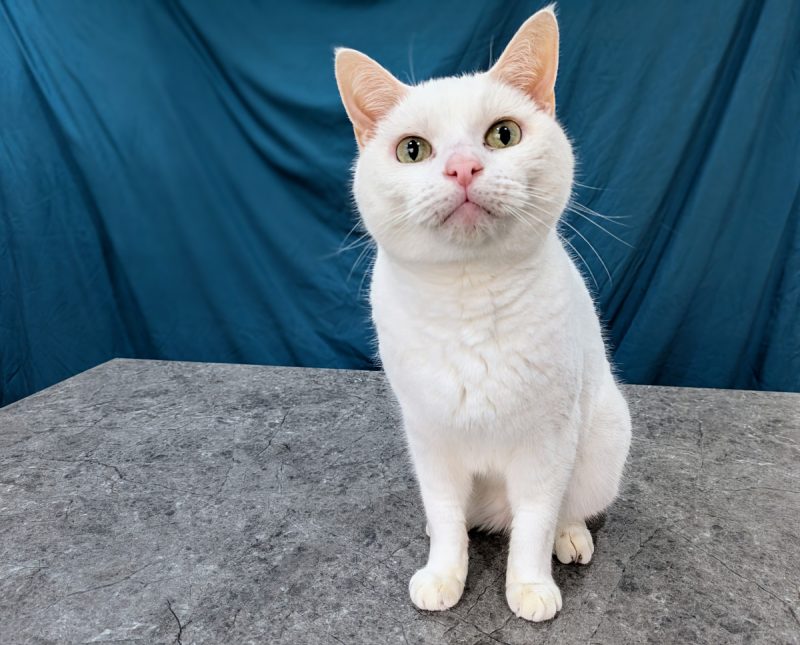
Is Clutch better equipped for hunting because his whiskers follow the golden ratio? Or does Alex’s far-reaching vibrissae give him a strategic advantage?
Being that my cats live indoors and are not required to catch their dinner, I can’t really judge them on their relative hunting skills, but my instincts tell me ‘no’. I think Cyril’s preference for lazing on his back over elevating his heart rate would impact his prey count far more than his short whiskers.
Has domestication and selective breeding altered the divine whisker proportions beyond what is ‘optimal’? Judging by the stubbly vibrissae of the Sphynx, or the Rapunzelesque whiskers of some long-haired breeds, I would have to say: yes. Extremely long whiskers are going to be more of a hindrance than help, while non-existent whiskers will be no help at all!
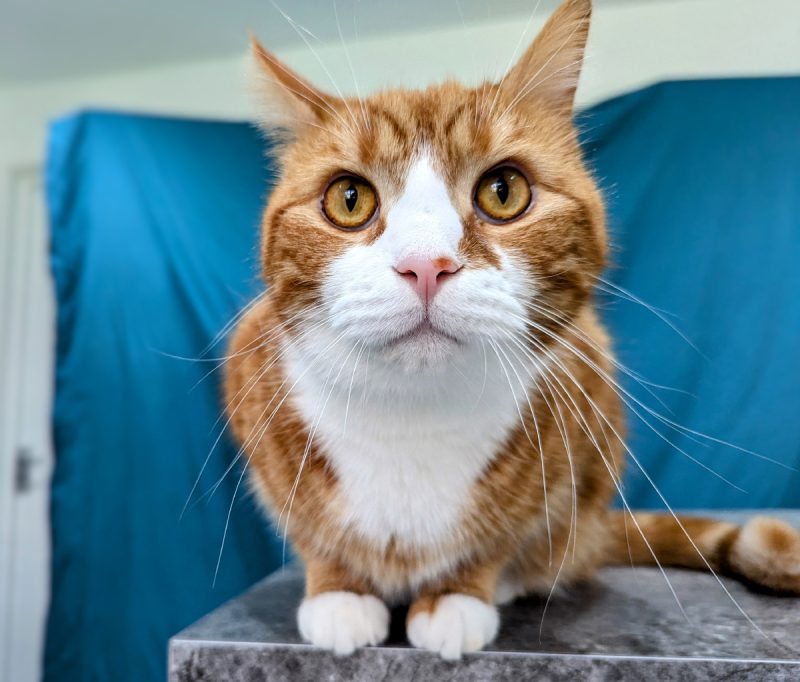
The attractive length of Alex’s whiskers may give him a slight edge over the likes of Zazzles or Cyril, but once that ratio gets much higher than 1.7, you’re dealing with hairs that are more likely to get tangled than offer tactical advantage.
It would certainly be interesting, albeit challenging, to study the whisker: body width figures of feral cats and their larger relatives to find out if the golden ratio does dominate in nature - I’m looking at you, prospective PhD candidates!

This article is a part of Dr. Karyn's series with her five hilarious cats.

Expert cat care, straight to your inbox
Vet-reviewed advice, behavior tips, and the best of Catster. Free, and you can unsubscribe anytime.
By signing up, you agree to our Terms & Conditions and Privacy & Cookies Policy.
Dr. Karyn Kanowski BVSc MRCVS (Veterinarian)
Dr. Karyn comes from Queensland, Australia, and has lived in the UK for the past 10 years. In 2010, she graduated from The University of Queensland School of Veterinary Science and also has a Bachelor’s degree in Zoology. She is passionate about using evidence, experience, and owner collaboration to provide the best solutions for pets, and believes in making reliable information about animal health accessible to all. Dr. Karyn shares her home with five cats, four dogs, and one husband. When she is not in the scrubs, she spends her time writing, gardening, and cleaning up pet hair!
Join the conversation
Ask a question, share your story, or send private feedback.