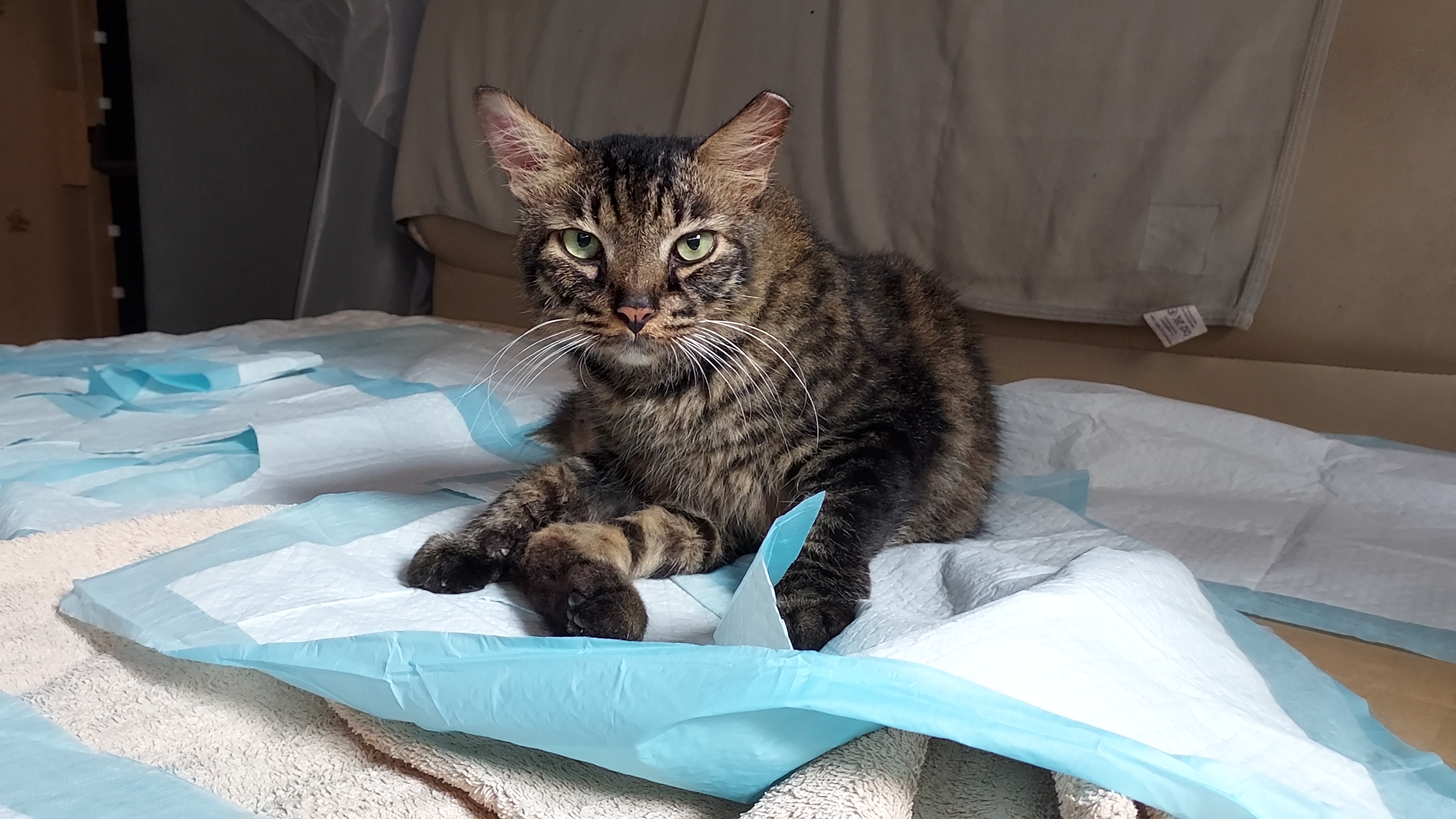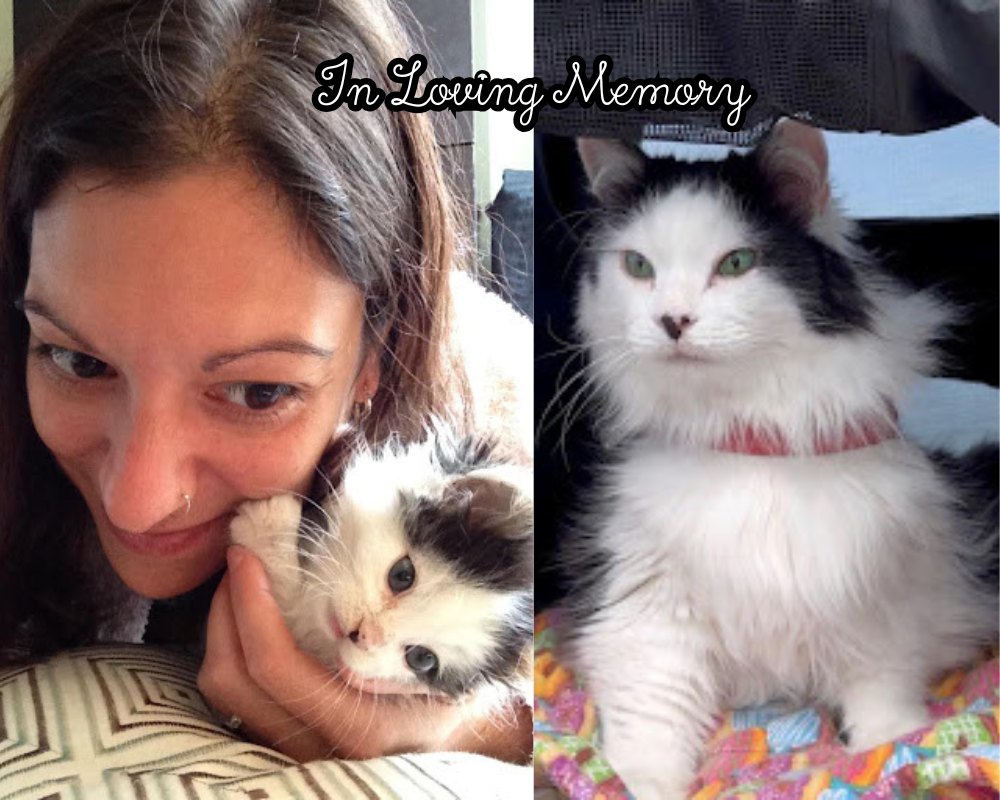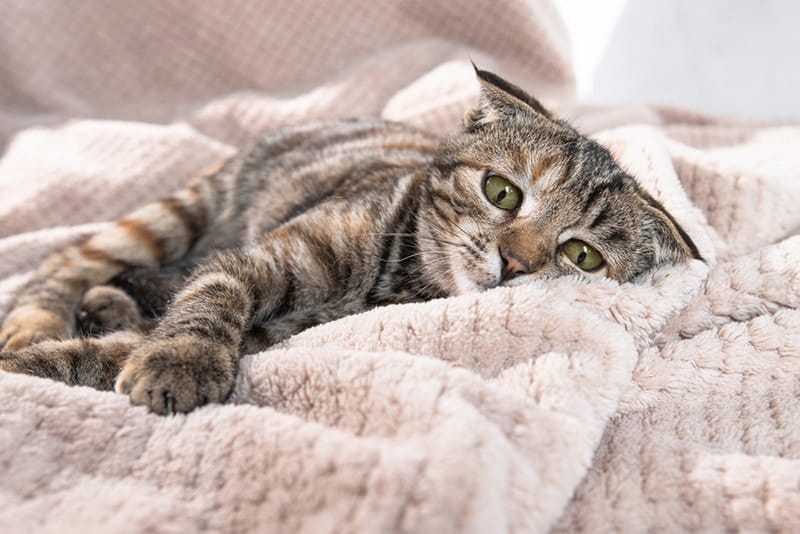
In Loving Memory of Tiger

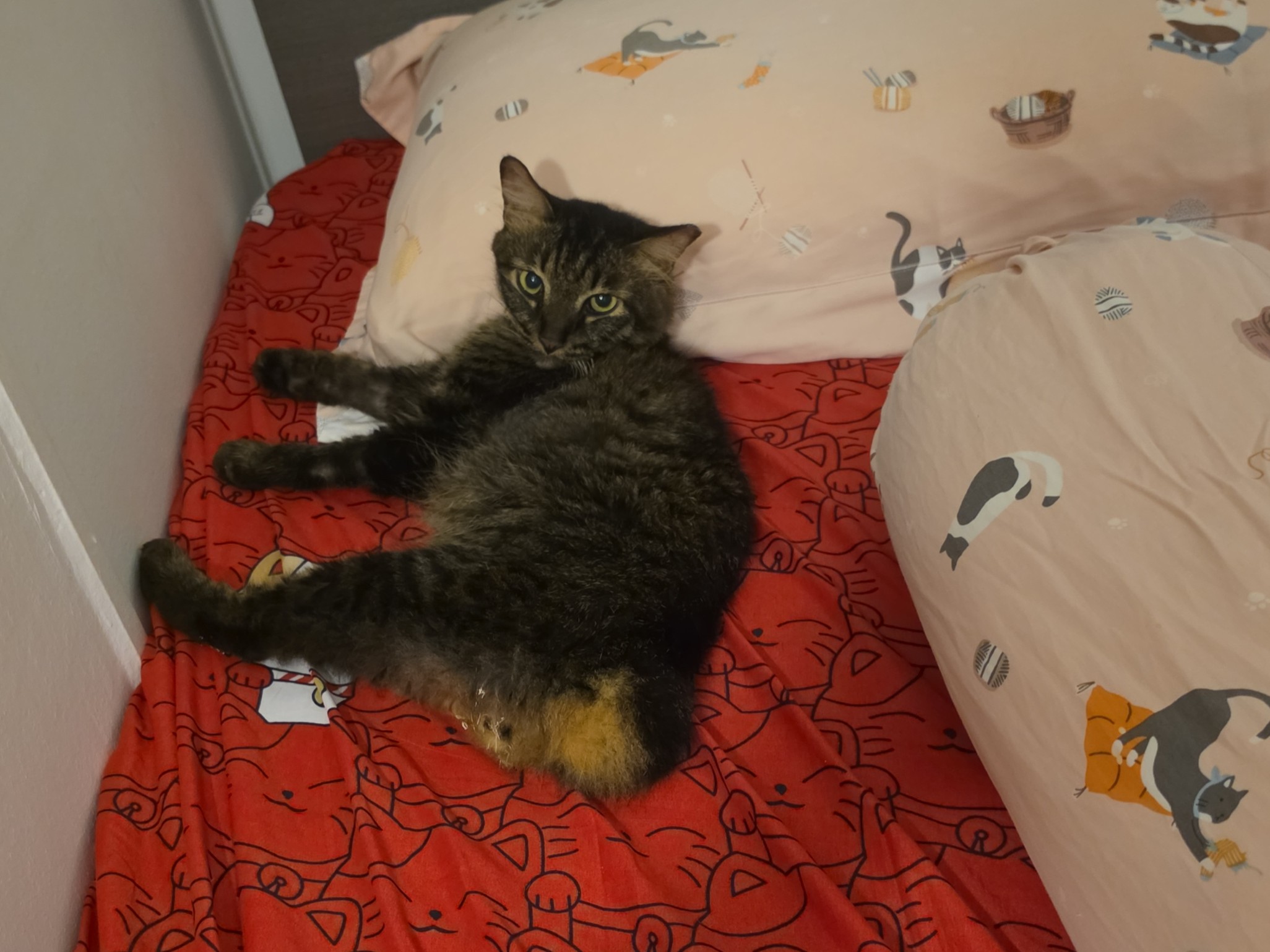
This article is part two of From Misfortune to Blessing: How a Cat Lost a Leg, But Got a Forever Home
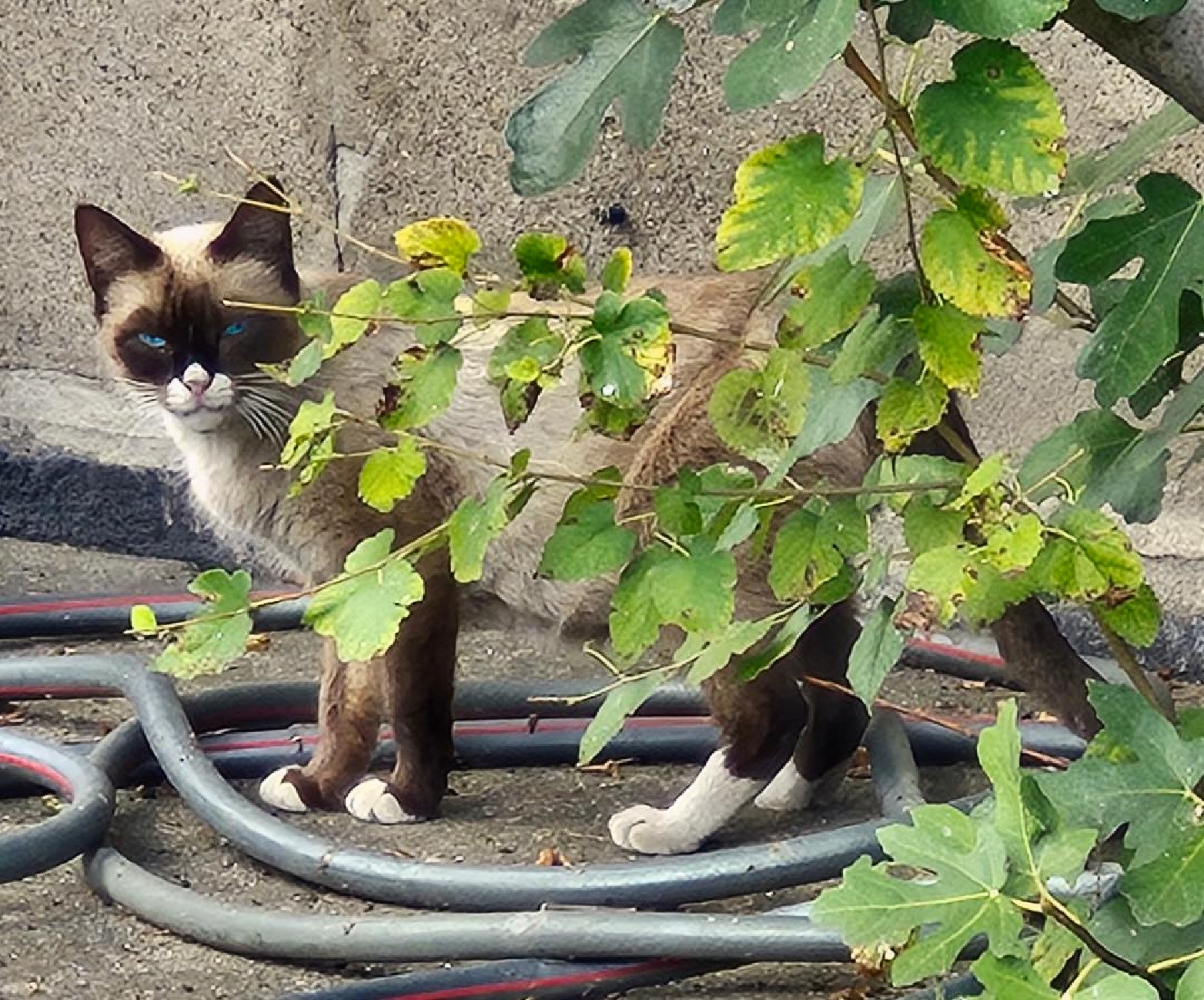
Tiger came to my family on 2 June 2025 after an accident at a car park that resulted in his right hind leg being amputated. Before surgery, he was diagnosed with Stage B2 Hypertrophic Cardiomyopathy (HCM) – subclinical heart disease with a high risk of progression. We were advised to follow up on Tiger’s heart condition.
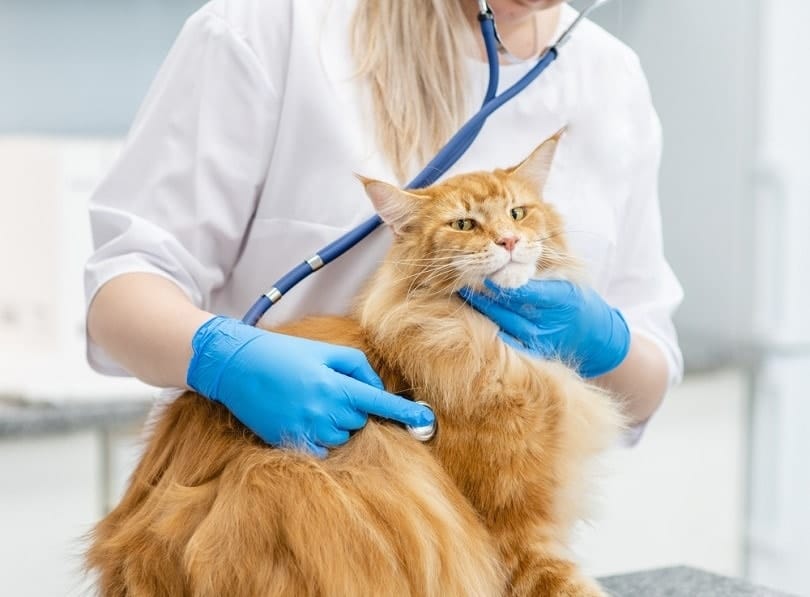
Having incurred a high bill for his condition in 2025, we brought Tiger to a general practice vet in Singapore, not a cardiologist. It was our first time rescuing a cat, and we didn’t know the difference. The vet was more concerned about Tiger’s kidneys, and during several visits in 2025, she focused on his renal function. At each visit, she would listen to Tiger’s heart with a stethoscope and tell us the condition “should still be the same”. Unknown to us, Tiger’s heart condition was quietly deteriorating.
In late December 2025, we suggested to the general vet that we book an echocardiogram to scan Tiger’s heart. We had to wait for the appointment, and it finally took place on 14 February 2026.
When Tiger came home from the echocardiogram, he was extremely weak. He had not eaten since midnight the previous day; the gabapentin used to relax him for the scan made him so weak that he could barely stand up, and he pooped on the floor.
The echocardiogram results took more than three weeks, and by then we were informed that Tiger’s heart condition had progressed from HCM stage B2 to congestive heart failure. Our vet asked for a one-minute video of Tiger’s breathing and told us his respiration rate was between 42 and 56, significantly higher than the normal upper limit of 30.
Two days later, Tiger had a thoracentesis procedure at our regular vet to remove excess fluid from around his lungs, and was discharged a few hours later. He was also placed on furosemide (a diuretic) and clopidogrel (a blood thinner).
It was our first time administering medicine to a cat. Despite our inexperience, we managed to administer furosemide as it was a liquid. Clopidogrel proved much harder to administer; we tried hiding the tablets inside a pill pocket, but Tiger hardly ate it.
In the initial few days after the thoracentesis procedure, Tiger’s breathing was less laboured. But I noticed that despite giving Tiger furosemide, he did not drink more water or urinate more often, and it didn’t take long for fluid to accumulate in his lungs again.


A Turn For The Worst
On 25 March 2026, Tiger had his first major episode of congestive heart failure.
He groaned and lay on the floor; his breathing was laboured, and he was experiencing nystagmus (involuntary rhythmic movement of his eyeballs). We immediately took him to the emergency room at Beecroft Hospital.
At Beecroft Hospital, we were told that Tiger was about to “fall off the cliff” and almost had a stroke. He had another thoracentesis procedure to remove fluid from his lungs and was placed in an oxygen chamber for observation for the next few days. We were told that the dosage prescribed by our regular vet was insufficient to control Tiger’s heart condition.
After a few days, Tiger was discharged on the maximum dose of furosemide, together with a combination of other medications (spironolactone, pimobendan, rivaroxaban, and a potassium supplement).
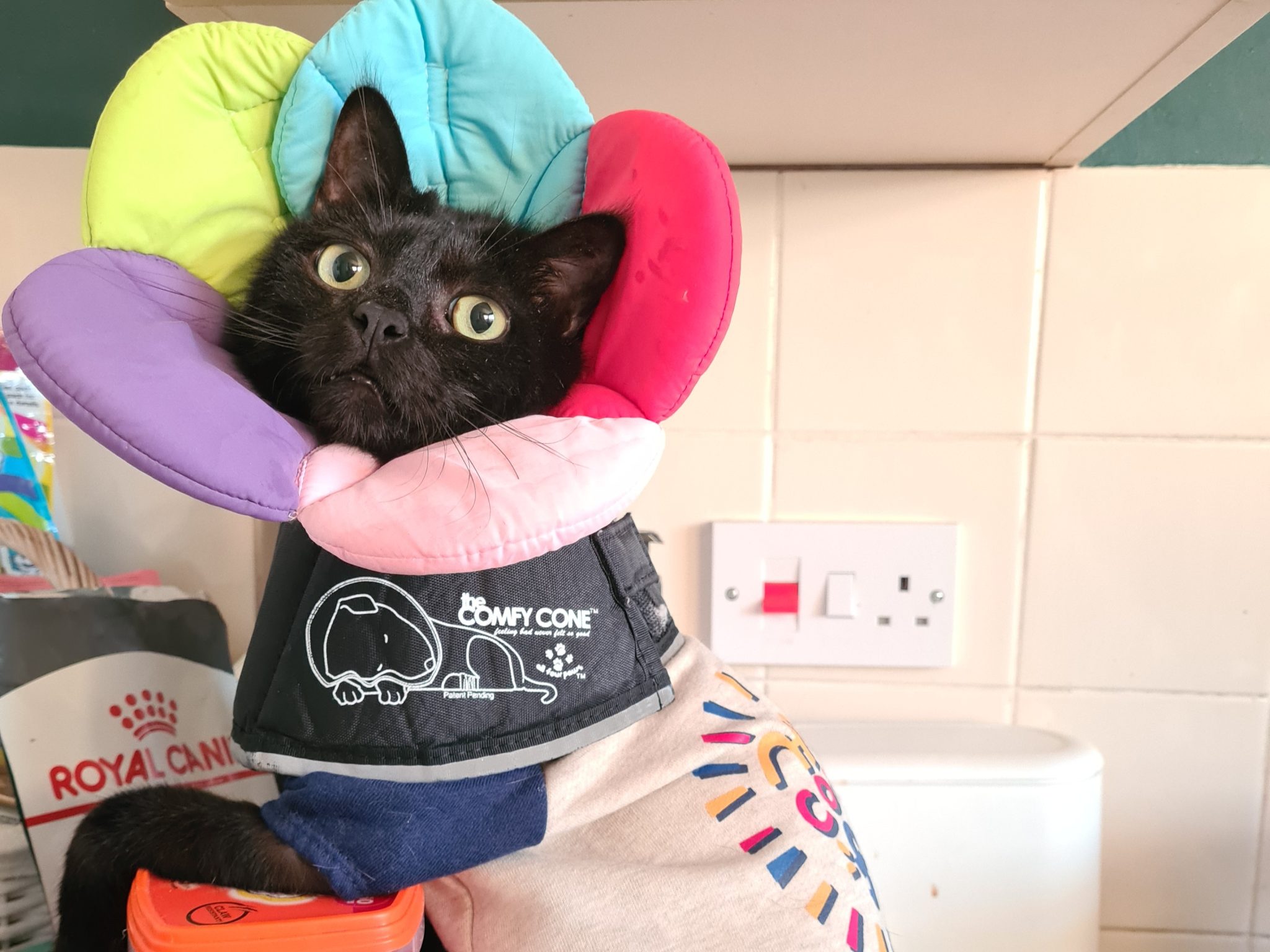
The hospital nurse demonstrated the proper ways to administer Tiger’s medicine, which our regular vet had not done. Initially, we dissolved the pills in a small amount of water and syringe-fed him, but this method was messy and wasted some of the medicine. Later, we placed the different medications in a single capsule and used a pill popper to administer them. This proved much more effective.
We had to feed the medicine at the same time each day, as delaying the diuretic by a few hours could cause the fluids to build up again. We had to adjust our life schedule around Tiger’s medication. We were also introduced to the Cardalis app to monitor Tiger’s resting respiratory rate.

A Brief Reprieve
After being discharged from the hospital, Tiger’s breathing was normal at first, but within a week, we were back in the emergency room. This time his diuretic was changed to torsemide, a stronger diuretic.
All in all, Tiger was in and out of the emergency room every week for a total of four visits, and the bills were mounting fast.
The cardiologist told us Tiger’s prognosis was poor and suggested euthanasia. We consulted an animal communicator who told us Tiger wanted to fight on. We were prepared for palliative care. February to April was a sad and emotionally draining period for us all.
With the stronger diuretic, his breathing rate was normal from May to July. We also gradually reintroduced his renal diet. It was a happy three months for us with many fond memories. He even bonded with my other cat during this time. For a while, we were able to forget about his palliative condition.
In early August, his breathing became laboured again, and he refused to eat his renal food, and I knew his kidneys would deteriorate fast on a normal diet. In the next two weeks, his appetite dropped, he hid more frequently around the house, and became increasingly lethargic.
From 20 August 2026 (Thursday) onwards, he would barely manage more than a few licks a day, and his weight dropped a lot. We could feel his spine and rib cage! He had not urinated for more than 24 hours, and we were so worried that his kidneys had totally shut down.
On Friday, miraculously, he urinated a few times and had some licks of food. His last meal was on Saturday night.
Tiger passed away naturally and peacefully at home on Sunday, 23 August 2026. He was so weak and lethargic, with barely any energy left, but still managed to get inside his little box and slept there. In this final moment, my sister calmed him to his final breath, and we were fortunate to witness his final, peaceful passing.
Throughout this ordeal, Tiger was very, very resilient and wanted to live, but he did not get the chance.

We held a private cremation for him on 24 August 2026, complete with Taoist chanting to guide him on his way. His ashes are stored at Mandai Pet Sanctuary in Singapore.
Despite the financial, emotional, and time sacrifices, it was an honour to take care of Tiger in the final stage of his life.
Now the room feels so empty in his absence.
All that is left are loving memories.
Expert cat care, straight to your inbox
Vet-reviewed advice, behavior tips, and the best of Catster. Free, and you can unsubscribe anytime.
By signing up, you agree to our Terms & Conditions and Privacy & Cookies Policy.
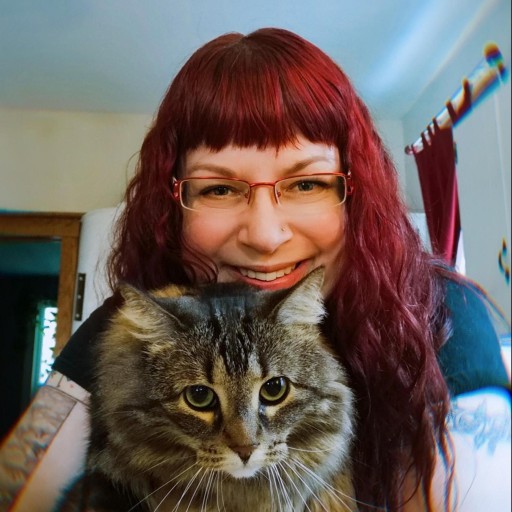
Sheryl Sin is an editor, proofreader, indexer and writer based in Singapore. Outside her work, she is a committed community cat feeder who takes care of the street cats in her neighbourhood. She is also mum to Cow Girl (an FIV+ black-and-white domestic shorthair adopted off the street) and Tiger (the tripod cat with kidney and heart issues). Follow their journey on Instagram @sinmp24
Join the conversation
Ask a question, share your story, or send private feedback.