The Woman Keeping Pets and People Together | Heroes of the Pet World
As we drove through the beautiful mountain scenery surrounding Lake Chapala, I wasn’t sure what to expect. Julie Wittmann picked me up early in the morning, and now we were on our way to help distribute food to families who needed extra help feeding their pets.
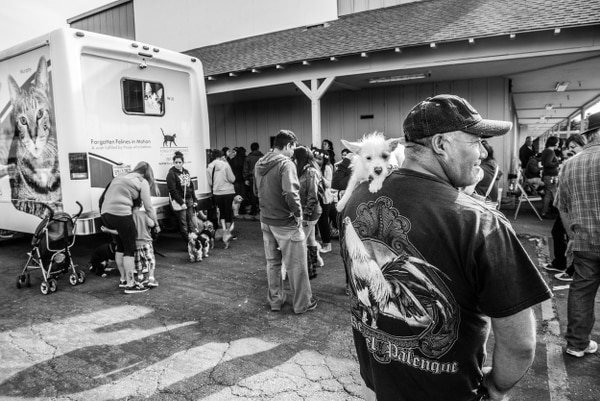
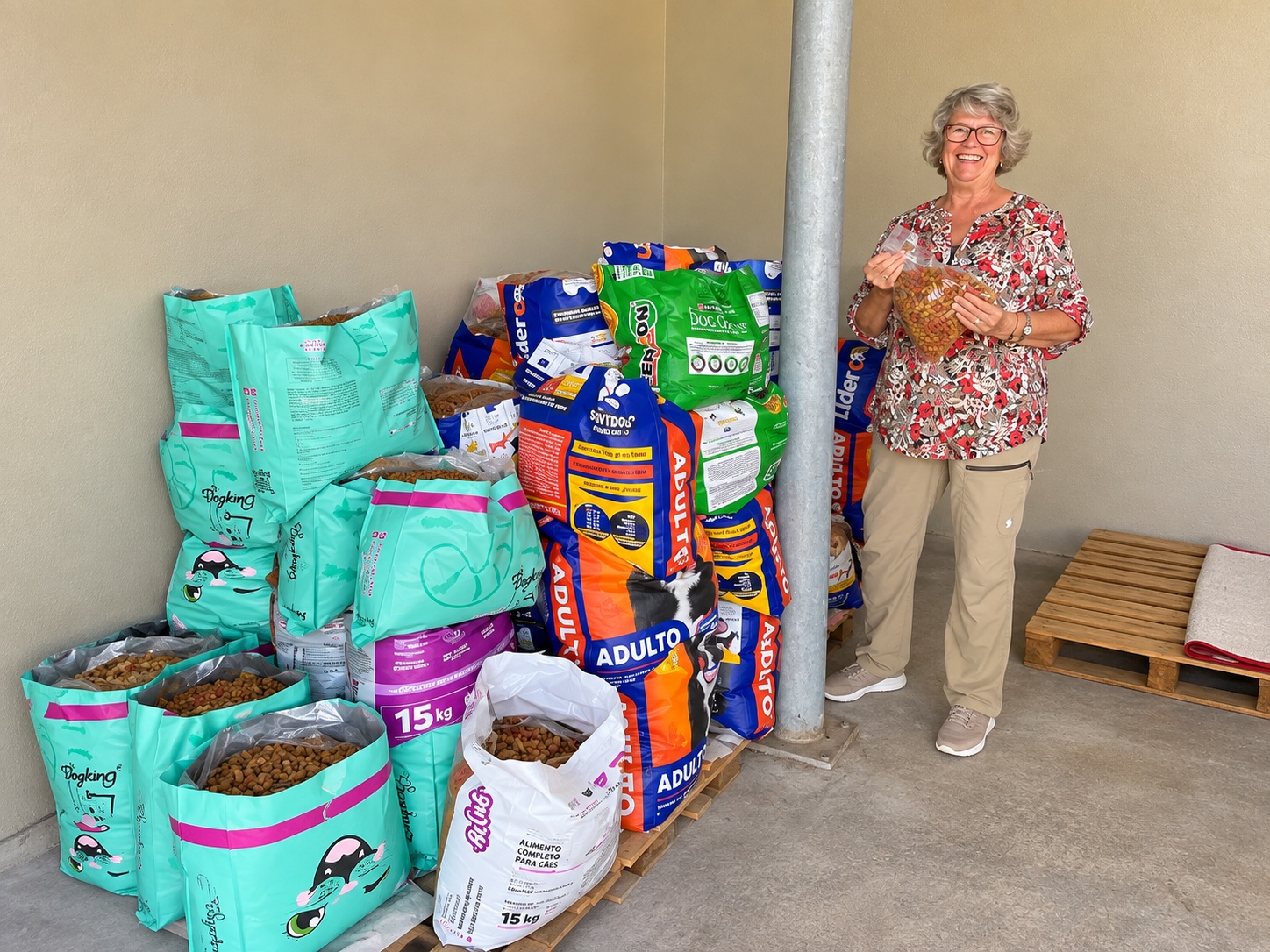
When we arrived, large sacks of cat and dog food had already been divided into individual portions by a team of Pet Food Bank Lakeside volunteers who gather every week to prepare the food for distribution. We moved the bags into two piles, one for each community they would serve, ready to be collected by volunteers who would take them to families in need.
It was simple work, but it was part of a much greater effort.
Pet Food Bank Lakeside is an independent partner of FoodBank Lakeside, which provides ‘despensas’ (bags of basic groceries and household essentials) to families experiencing financial hardship. Families receiving assistance are asked how many pets they have, helping connect the two programs. The pet food program now provides food for more than 1,200 dogs and cats each month.
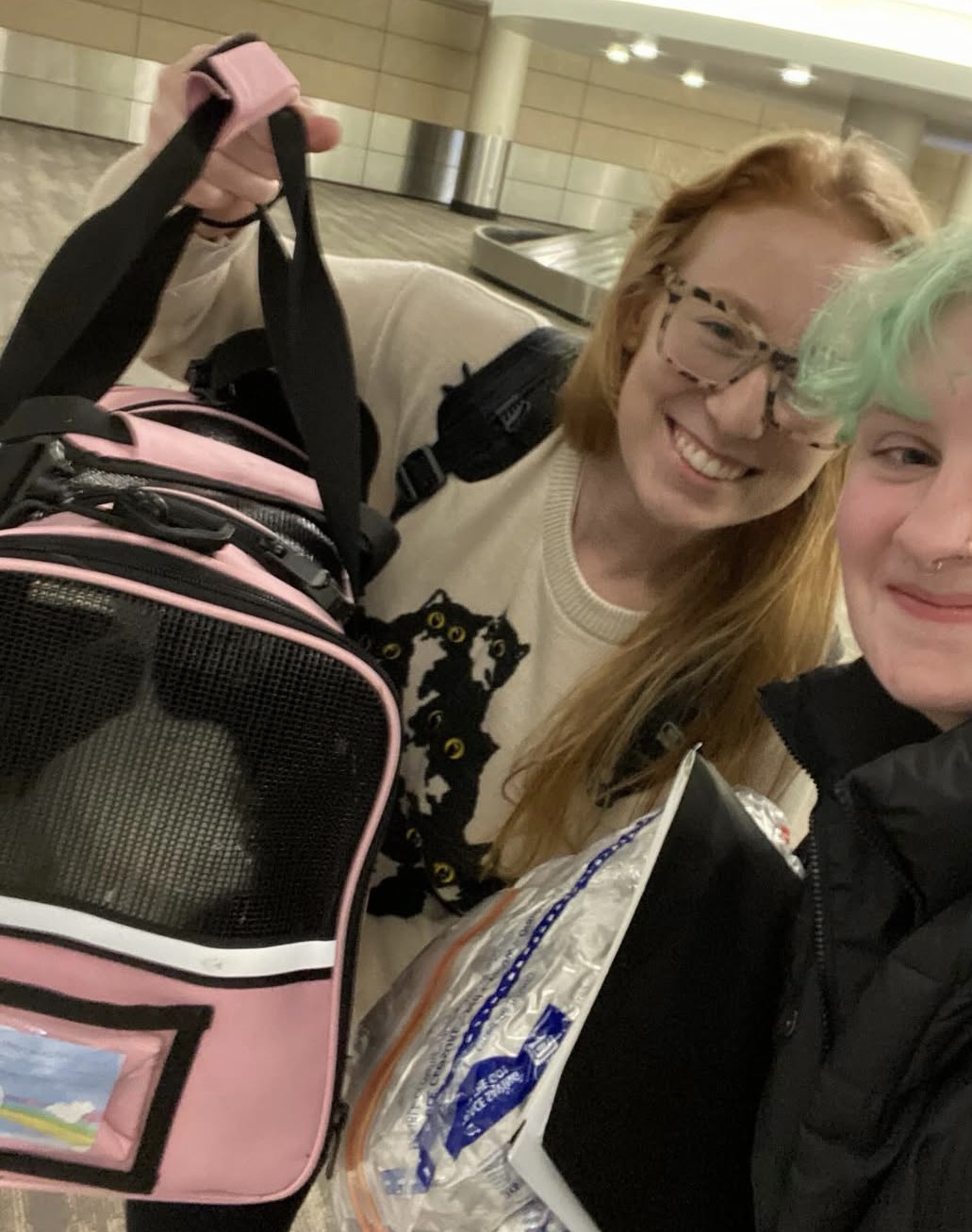
Next, Julie and I headed to the small town of Santa Cruz, joined by FoodBank Lakeside leader Steve Motenko, his wife Karen, their granddaughter, her best friend, and Javier, a cheerful local with a kind heart. Javier knows the families in the community and helps coordinate the deliveries.

Going Door-to-Door
Everyone we met was struggling financially. For most, that hardship was compounded by illness, age, or disability. We met a woman who was completely blind and several people who used wheelchairs.

Just like us, many have pets, and just like our own cats and dogs, theirs are companions, confidants, and cherished members of the family. For some of the people we met, who spend much of their time at home because of age or a health condition, their pet may be their most constant companion.
Looking at them, it was impossible to see a dog or cat as simply another expense. These animals were part of the family. They brought comfort, protection, affection, and, very often, a little joy into lives that could use more of it.
That is something Julie and FoodBank Lakeside understand well. Helping someone feed their pet is not just about putting food in a bowl. It is about helping preserve a very important relationship.
As we moved from house to house, we also carried treats for the dogs we met along the way. They quickly learned that the cars arriving meant something good was coming.
One particularly enthusiastic dog decided not to wait for us at home. He followed our cars from one house to the next, keeping pace for two or three stops as if he had appointed himself our unofficial escort.
It was a small, funny moment in an otherwise emotional morning, and it brought plenty of smiles from everyone.
What I noticed most was how happy most of these people were to see the volunteers arrive.
These were not strangers arriving at a doorstep with a bag of food. There were smiles, conversations, and a sense of familiarity that comes from years of showing up for the same community.
One visit made that especially clear.
One of the women who had received help from the FoodBank for her cat had passed away only days before we arrived. Karen told me through tears that they had known each other for six years and had become very close. She described her as one of the sweetest women she had known.

The friendship had grown both ways. Over the years, the woman had prepared plant cuttings for Karen and given her handmade embroidery pieces as Christmas gifts. These were small gestures, but they spoke of a relationship that had grown far beyond a food delivery.
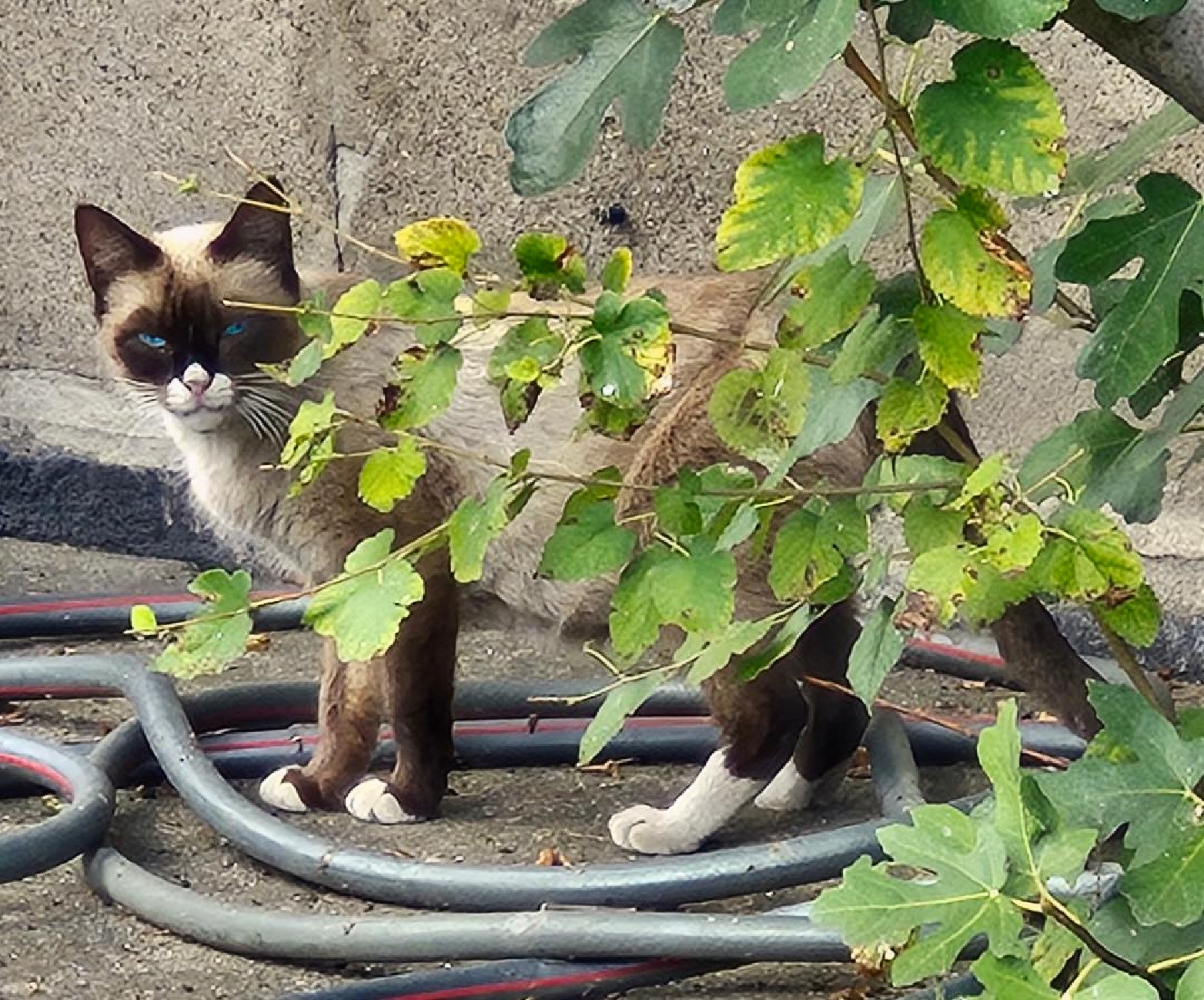
Her cat was still there, and the woman’s daughter was relieved to know that the pet food program would continue to help care for it.
I found that moment difficult to forget. The woman was gone, but the connections she had made remained in Karen's memories, in the plants she had shared, in the handmade gifts she had given, and in the cat still waiting at home.
That is something you cannot measure in bags of food, but in kilos of love instead.


From One Woman to a Community
Julie did not set out to create a large pet food program.
After moving from Portland, Oregon, to the Lake Chapala area, she began looking for ways to help animals in her new community. When COVID-19 disrupted daily life, she asked local veterinarians what they believed was needed most.
The answer was pet food.
Local rescue groups were also concerned that families who could no longer afford to feed their dogs might eventually have to surrender them or turn them loose.
Julie started small. She bought large 25-kilogram bags of food, repackaged them herself, and drove into local communities to distribute them. As local groups organized despensas for families in villages around Lake Chapala, Julie saw an opportunity to make sure the pets were not forgotten. Over time, that small effort became Pet Food Bank Lakeside.
A partnership with FoodBank Lakeside allowed the program to reach more families. FoodBank Lakeside already knew which households were struggling and how many pets they had. The two programs could work together to help both people and animals.
Today, Julie has a community of volunteers helping with the work that she once did herself. In its six-year update, Pet Food Bank Lakeside reported more than 20 volunteers and the ability to prepare a month's supply of food in under two hours.
But Julie's work goes beyond food.


Shaping Future Generations
Julie and her volunteers also visit local schools to teach children about pet care.
For Julie, education is one of the most important ways to prevent animals from being misunderstood or mistreated.
“Educating children is particularly important,” Julie explains. “When they understand that the weird-looking dog has scabies, and that what it needs is medication, we prevent that dog from being mistreated and left aside.”
Her point is simple. Children need to understand what they are seeing before they can respond with compassion.
She sees the same principle in the way children learn what animals need.
“The only way for kids to understand that it is not normal for dogs to spend all day tied up to a post is to let them know that this is not normal, to teach them what dogs are, what they need, and how they can enrich each other's lives.”
Those lessons can have an impact long after a food delivery is over.
During our morning together, I saw another example of how those values can be passed to the next generation. Steve and Karen's granddaughter and her best friend helped deliver the pet food.
I loved seeing teenagers take part in helping people who were struggling. There was something hopeful about watching them learn through experience that their time, effort, and kindness can make a difference.
Julie is helping animals today, but she is also trying to shape how children understand animals tomorrow.

The People Behind the Work
Steve Motenko has watched Julie's work grow from those early days when she was repackaging large bags of food herself, into a community-supported program reaching more than a thousand animals each month.
He describes Julie as admirable and says she has done an extraordinary amount to help pets in the Lakeside community.
After spending a morning with her, I understood why.
What struck me was that these deliveries were about so much more than food. They were about people knowing, caring for, and looking out for one another.
Javier knew the families. Karen had formed a six-year friendship with one of the women we visited. Volunteers gathered each week to prepare food. Teenagers came along to help. Julie kept showing up for the pets.
The work had become a community.
Julie says it simply: “We believe food scarcity shouldn't separate families from their pets.”
After spending that morning with her, I understood that belief in a more personal way.
When someone is already struggling to afford food, dealing with illness, or living with a disability, feeding a pet can seem like one more impossible responsibility. But for the people we met, their animals were not disposable. They were very important companions, bringing comfort and connection to lives that were often anything but easy.
Helping them keep those animals fed also helped them keep an important part of their lives.


A Warm Feeling on the Way Home
By the end of the day, I felt an enormous admiration for Julie and for the people who have joined her in this work.
I had arrived thinking I was just going to help deliver pet food. Instead, I witnessed something much bigger. I saw people who had built genuine relationships with their neighbors. I saw volunteers giving their time week after week. I saw teenagers learning to help others. I saw a daughter relieved that her mother's cat would continue to receive food.
Most of all, I saw how much a small act of kindness can mean when someone is having a difficult time.
My heart felt very warm on the drive home.
I kept thinking about those bags of food we had divided into two piles that morning.
At first, they had simply looked like bags of pet food waiting to be delivered.
By the end of the day, I understood what they represented.
A full bowl.
A beloved companion.
A little less worry.
And, sometimes, the chance for a person and the animal they love to stay together.
Expert cat care, straight to your inbox
Vet-reviewed advice, behavior tips, and the best of Catster. Free, and you can unsubscribe anytime.
By signing up, you agree to our Terms & Conditions and Privacy & Cookies Policy.
Dr. Paola Cuevas MVZ (Veterinarian)
Dr. Paola Cuevas is the Senior In-House Veterinarian at Pangolia, the parent company of Catster. She has over 18 years of experience as a veterinarian and animal behaviorist. Paola's focus is on preventive medicine and animal welfare. Paola has a large range of skills in from diagnostic imaging to nutrition and clinical pathology. Paola enjoys sharing her extensive knowledge of animal training with our Catster readers and is always happy to answer reader questions as our in-house veterinarian.
Join the conversation
Ask a question, share your story, or send private feedback.