
Turkey and Gravy and Pumpkin - Oh My! What Cats Can and Can’t Eat at Thanksgiving


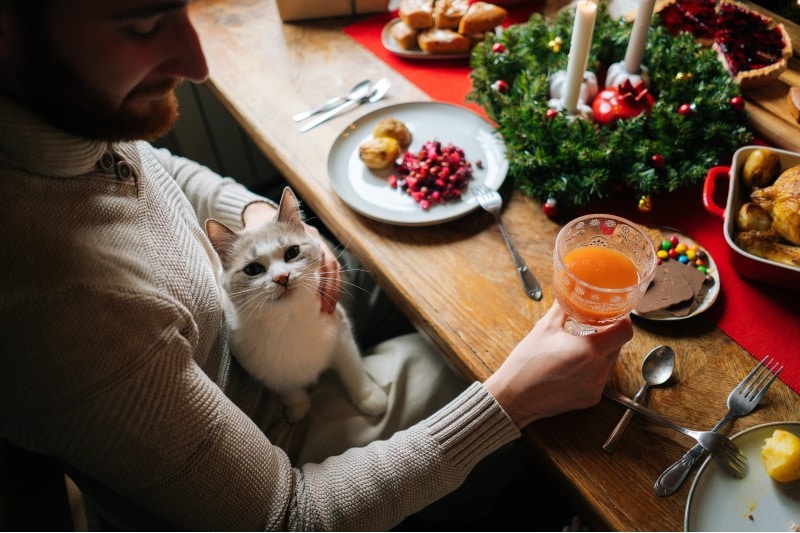
Cats are famously persistent beggars, and a holiday table full of tempting smells gives them plenty of motivation. Although there are a handful of Thanksgiving dishes that are fine in small amounts, several can make a cat seriously ill, so it pays to know which is which before anything gets shared.
Safe In Small Amounts
The following foods are generally harmless for cats, provided the portions stay small and there are no pre-existing health complications. Of course, safe doesn’t always mean healthy, and moderation is key. Just like people, cats also differ in what they like, and many will show no interest in some of these at all.
Plain turkey is the best choice, since cats are obligate carnivores and tend to love it. It needs to be free of skin, fat, bones, gravy, and spices, and a small piece is plenty. The best thing to do is set aside a small amount to cook without all the frills, rather than cleaning it later.

Plain, cooked pumpkin is non-toxic and good for a cat’s digestion, and it may even soothe an upset stomach. A puree or mash works well. Pumpkin pie is a different matter, because the sugar and possible dairy aren’t good for cats.
Apples are safe and offer vitamins C and K, calcium, and fiber. The seeds, leaves, and stems contain cyanide and must be removed, and the fruit should be chopped into small cubes.
Plain green beans, minus butter, spices, herbs, onion, or garlic, are a good source of fiber and can even stand in for regular treats. Broccoli is also safe if it is unseasoned and boiled or steamed. It’s unlikely a cat will want it, but it provides antioxidants and supports digestion. As with any new food, it’s best to introduce it carefully. Cranberry sauce isn’t toxic, but its sugar content makes it unhealthy, so only an incredibly small taste is appropriate.

Foods To Keep Away From Cats
Some Thanksgiving staples should never be shared, because they can make a cat quite ill.
Garlic, onions, leeks, scallions, and similar vegetables can be deadly even in small amounts, and garlic powder is particularly problematic. They damage a cat’s red blood cells and lead to anemia, with signs such as weakness, a high heart rate, diarrhea, vomiting, and collapse. Cats are more sensitive to them than dogs, and symptoms have reportedly appeared after less than a teaspoon of cooked onion.
Many stuffings contain onions or garlic. Even without them, stuffing is usually rich with ingredients like turkey grease that can upset a cat’s stomach. It won’t be deadly without those ingredients, but it has no nutritional value and can wreak havoc on digestion.
Bones should stay well out of reach. Cooked bones in particular can splinter or crack and could tear the mouth, break teeth, cause choking, or block the digestive system, and bacteria are a concern too. Keep them well out of reach.

Chocolate is incredibly toxic to cats, and the darker it is, the worse it gets. The theobromine and caffeine it contains can cause vomiting, muscle tremors, diarrhea, an abnormal heart rate, and seizures, and it can even lead to death. Anything else with caffeine, including coffee, is off limits as well.
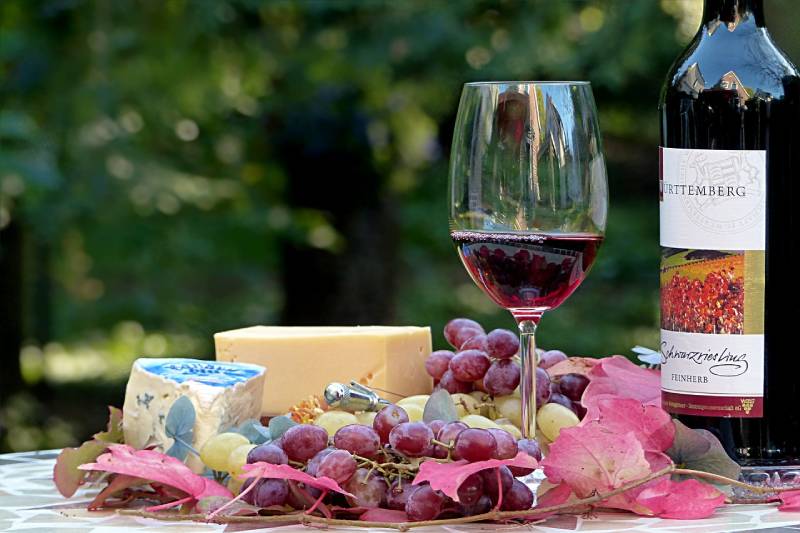
Grapes and raisins can lead to kidney failure, and even a tiny amount of either, or related dried fruits like craisins, can cause illness. Signs include continuous vomiting, stomach distress, and hyperactivity. Some cats show no symptoms after eating them, but that isn’t a reason to take the chance.
Gravy isn’t toxic, but it is salty and fatty, which cats don’t need much of. Those levels could cause further problems for a cat with heart trouble. A sneaky lick is nothing to worry about, but gravy shouldn’t be mixed into a cat’s food.
A bowl of milk may seem harmless, but many cats are lactose intolerant. Dairy can give them a stomach ache, gas, or diarrhea, so it’s better to offer something from the safe list instead if they’re sniffing around the kitchen.
Raw meat and fish can carry pathogens such as E. coli and Salmonella that make cats ill, so avoid the temptation to drop some scraps as you’re preparing meals.
The Bottom Line
A cat can share in the holiday with a nibble of plain turkey or a spoonful of pumpkin, but a few ordinary ingredients you may have around the table can cause illness and even death. With a little care over what goes into the bowl, both cat and family can enjoy a safe and happy Thanksgiving.
Featured Image Credit: Dikushin Dmitry, Shutterstock
Did You Know?
- Our brand-new posts are rounded up and included in our weekly emails. Don't miss out on the latest - sign up for our newsletter below!
Expert cat care, straight to your inbox
Vet-reviewed advice, behavior tips, and the best of Catster. Free, and you can unsubscribe anytime.
By signing up, you agree to our Terms & Conditions and Privacy & Cookies Policy.
Dan has been working in the pet world for over 4 years covering cats, dogs, and all other pets in between. He loves helping pet parents keep their companions happy, healthy, and of course, totally spoiled! Originally from London, Dan now travels and works remotely, which unfortunately means no pets at home, but it gives him plenty of opportunities to fuss over other people's furry friends.
Join the conversation
Ask a question, share your story, or send private feedback.