How to Stop a Cat From Licking Everything: Our Vet Discusses Reasons, Remedies & FAQ

In this article
You know that cats groom themselves, so you're not surprised to see your kitty licking until you realize they're constantly licking things. Is it normal for your cat to lick everything? Is there anything you can do to stop your cat from licking everything? This article can offer you some guidance.

Why Do Cats Lick Excessively?
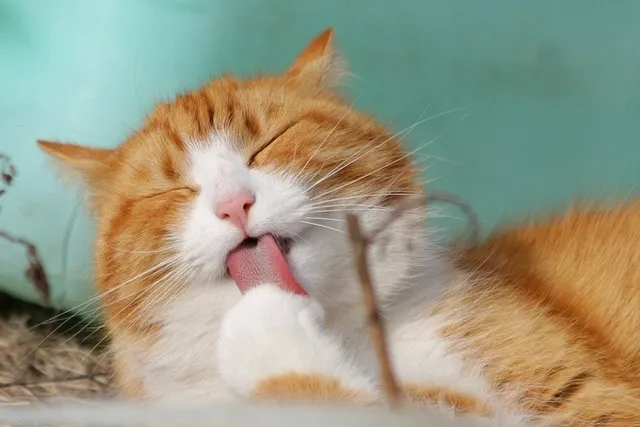
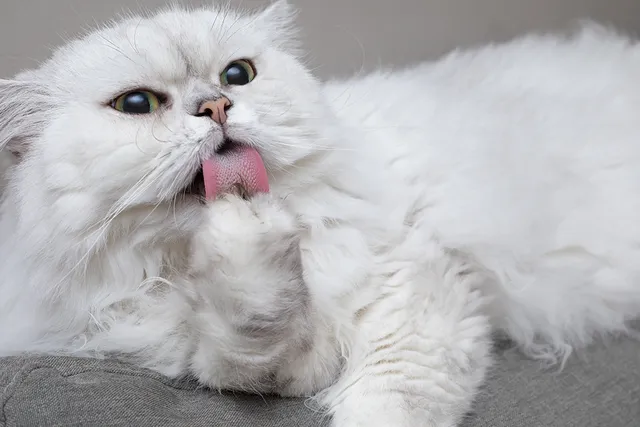
Cats have a rather interesting tongue. If a cat has ever licked you, you know it feels differently than if your dog licks you. The tongue has little teeth that angle backward. As your cat licks its coat, these teeth dislodge loose hairs and debris. Your feline family members can then swallow the hairs.
To figure out what to do for your cat that licks constantly, you need to understand why cats lick.

1. Grooming
The most common reason cats lick themselves is to groom their coats. Sometimes, cats will even groom each other. Some cats even groom their human family members occasionally. Sometimes, this grooming can be overdone, and your cat could develop bald spots. You might see hair loss develop commonly on your cat's belly.
2. Itchy
Cats with skin allergies or external parasites such as fleas often groom themselves excessively. Sometimes, they groom so much that it's hard to find any evidence of the fleas.
3. Tasting
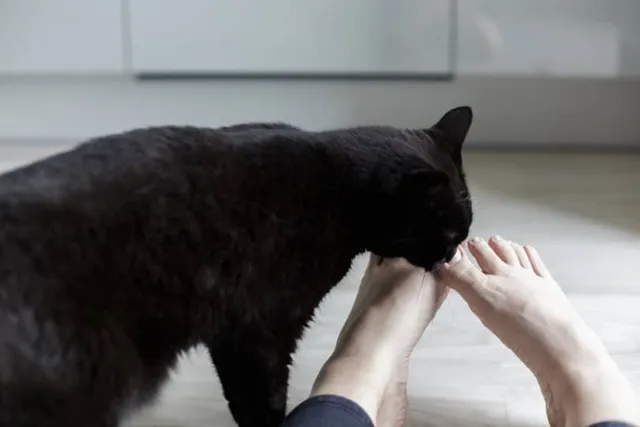
Your cat's nose isn't quite as adept at picking up scents as your dog's is, but it's still pretty impressive. Your cat has a scent organ on the roof of its mouth known as the vomeronasal organ, so they sometimes explore the world with their mouths. If you notice your cat licking the table or carpet, you might have missed a spot when cleaning up your spilled snack.
4. Textures
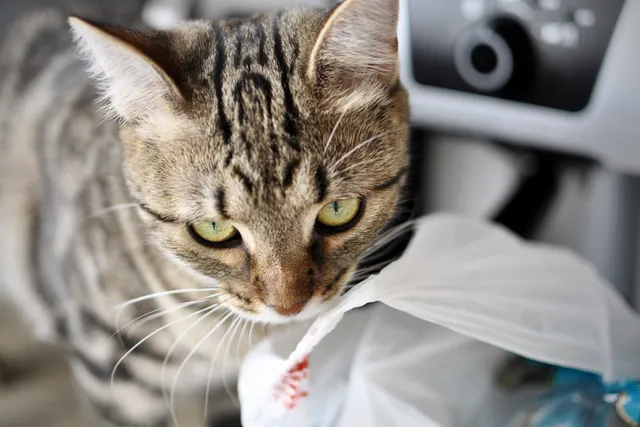
Some cats lick seemingly odd materials, such as plastic bags. While we don't always know why your cat is licking the item, it could be a residual scent or even a texture or sound they enjoy.
5. Pain
Cats will often lick an area that is painful for them. Cats with arthritis might obsessively lick their joints. Cats with anal gland issues might overgroom their tails.

6. Stressed or Bored
Stressed kitties may obsessively lick. Many will lick their coat but might also lick objects around the house. Another behavioral consideration for licking is a bored kitty. Cats need stimulation and enrichment, and without an outlet, they can even develop other undesirable behaviors, such as biting.

Stopping Your Cat From Licking Obsessively
Whether your cat is licking itself or licking many items in your house, it's worth mentioning to your vet. If you notice your cat licking to the point that it has bald spots or sores, it's important to have it examined by a veterinarian as soon as possible.
Now it's time to play detective. Some things to consider:
- Check your cat's skin. Do you see any fleas?
- Have you changed foods or treats recently?
- Did your cat develop matted fur that they are now pulling at?
- Are there particular objects your cat is licking?
Two major concerns with a cat that keeps licking are overgrooming and pica.
- Cats that overgroom may be because of pruritus (itchiness) or allergies.
- Pica is a condition where cats eat non-food materials. It can indicate a nutrient deficiency or behavioral issues.
Your veterinarian will be the best way to determine what is triggering your cat to lick. They can help you devise an allergy-management plan or enrichment activities. In some cases, your cat will need to be prescribed medication, such as fluoxetine or amitriptyline.

The 6 Things You Can Do at Home for Your Cat's Licking
1. Use Flea Prevention
With few exceptions, most cats in the United States need to be on monthly flea and heartworm prevention. Your veterinarian can help you pick a product for your cat. Do not use dog flea prevention on a cat. It could be deadly.
2. Feed a Balanced Diet
Make sure your cat is eating a diet that meets their current life stage requirements. AAFCO is an organization that creates standards for pet food. In the United States, you should be able to find a seal that tells you if the food is complete and balanced for a set life stage, such as for kittens or senior cats.
3. Groom Your Cat Regularly
Our cats often groom themselves, but you should not just rely on them. Get out a brush and smooth their coat. You'll likely need to help them keep their backside clean if they're overweight.

4. Offer Enrichment
Most cats want to interact with us, but they should have activities that they can do without us being present. Consider setting up a window seat so that your cat can birdwatch. Or go the extra step and set up a TV or tablet with outdoor videos on a loop to give them something to watch. (Just be aware some cats will pounce.)
Interactive toys are great. You can even find puzzle toys to help keep your cat's mind active.
5. Weight Loss
If your cat is overweight, you'll want to get them started on a weight loss plan. Overweight kitties are more likely to develop joint disease, which can lead to pain, but they're also at risk for issues like diabetes.
6. Ensure Resources
Especially if you have multiple cats or other animals, you'll want to make sure your cat isn't stressed over when or where they will eat or use the litter box. Offer multiple locations so that if your cats are competing, each one can get somewhere to reduce stress.

Frequently Asked Questions (FAQ)
Why is my cat licking plastic bags?
Cats might try licking plastic bags for a few reasons. Did you have takeout in the bags or some meat or produce from the grocery store? They might still detect the smell.
Some cats seem to lick plastic because they enjoy the texture or the sound the bag makes. Is your kitty trying to play with the bag? They might think it's a new toy.
You should make sure your cat isn’t eating the plastic bags or getting tangled up in them. Overall, there are much safer toys and enrichment activities than playing with plastic bags.
Why is my cat licking blankets?
Some cats will constantly lick blankets, particularly fuzzy ones. This behavior is called wool-sucking. Cats are often younger when they do this behavior, which seems to be reminiscent of them nuzzling or nursing from their mother.
Make sure your cat can't ingest pieces of the blanket, as this could have devastating consequences, such as intestinal obstruction.

Conclusion
If your cat is licking a lot, you should work with your vet to determine if it is obsessively or compulsively licking, which could be a sign of an underlying condition. While your veterinarian will need to help develop a robust treatment plan, you can make sure your cat stays on monthly flea prevention and eats a balanced diet.
Sources
Featured Image Credit: GitanasD, Shutterstock
Expert cat care, straight to your inbox
News, insights, and useful advice, delivered to you.

No spam — unsubscribe anytime.
By signing up, you agree to our Terms & Conditions and Privacy & Cookies Policy.
How useful was this post?
Click a star to rate. You can leave written feedback afterwards. (We read all feedback.)
Dr. Samantha Devine DVM (Veterinarian)
Samantha Devine is a practicing veterinarian who loves to share her experience with animal species and their health. Whether it's a guinea pig question or a pressing matter about something your cat ingested, she strives to provide clear answers. She is passionate about preventative care and firmly believes in the old adage, "An ounce of prevention is worth a pound of cure."
Dr. Devine has been practicing veterinary medicine for over 12 years and has spent a great deal of that time writing online to educate pet owners. In addition to general practice small animal medicine, she has worked with horses. zoo animals and aquatic species. She enjoys all aspects of preventative medicine, from nutrition to vaccines.
Dr. Devine received her degree from the Virginia Maryland Regional College of Veterinary Medicine.