Get

In Your Inbox

Catster is reader-supported. When you buy via links on our site, we may earn an affiliate commission at no cost to you. Learn more.

Stem Cell Cat Therapy: Our Vet Explains How It Works, Side Effects & FAQ

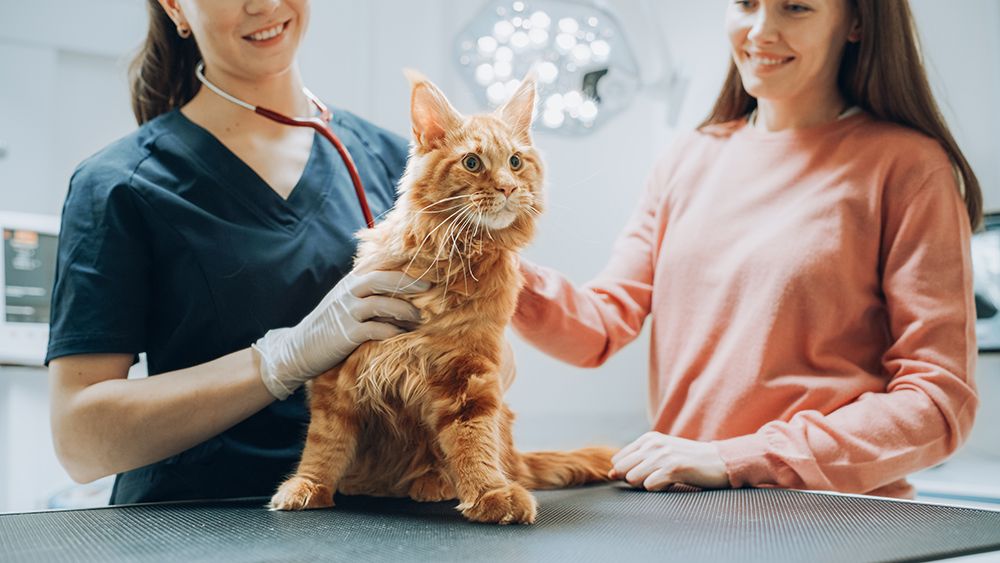
woman brought her maine coon cat to the vet

Medical advancements in the veterinary field tend to mirror those in the human world, albeit a few years later. One advancement that’s breaking through for our cats is stem cell therapy. This modality offers a great deal of promise, but as of now, you may have a hard time finding a veterinarian to do it. In fact, the AVMA recommends using caution when implementing stem cell therapy, but it does support further research in the area.1

So, what’s the big deal with stem cell therapy in cats and how can it benefit your feline friend? Read on to find out!

divider 1 paws

What Is Stem Cell Therapy in Cats?

Stem cells are undifferentiated cells that when placed in the right situations, can grow into specific tissues. You can think of these cells as skeins of yarn in a knitter’s hands. Each strand of yarn can become anything that the knitter wants to make it into, just like stem cells can form into any type of tissue that they are grouped with.

Stem cell therapy is the use of stem cells to regenerate diseased or injured tissues, such as tendons, ligaments, muscles, bones, and even nerves. As you can imagine, stem cells can become incredibly useful, as they’re sort of like the body’s way of making its own replacement parts that are more suited for it than synthetics or transplants from other animals.

As you can imagine, the sky’s the limit when it comes to using stem cells in cats—theoretically. Right now, their most common use is to help rebuild joints riddled with osteoarthritis, with some treatments showing promise to also help cats suffering from kidney and respiratory diseases.

Female vet holding a sick cat close-up
Image Credit: megaflopp Shutterstock

How Is Stem Cell Therapy Done in Cats?

Stem cell therapy in cats is quite a process:
  • Your kitty needs to be properly diagnosed and deemed an appropriate candidate. This just means that the ailment is identified and your cat is otherwise healthy. It also means that you, the pet owner, have the funding.
  • Next, your cat will need to be anesthetized so fatty tissue or bone marrow can be collected. This is where the stem cells are residing, waiting for future orders.
  • The fatty tissue will be sent to a specialized lab, where the stem cells are extracted, concentrated for use, and sent back to the initial veterinary hospital.
  • The stem cells can then be injected into the affected site—for example, into the knee joint. This can be painful, so anesthesia is typically used.
  • Cats can then go home with minimal aftercare while the stem cells get to work: dividing, growing, and creating new tissue. Some kitties may show signs of improvement within a couple of days, while others may take a few weeks.

Potential Side Effects of Stem Cell Therapy in Cats

While stem cell therapy might be the wave of the veterinary future, it’s crucial to know that side effects can occur and it’s not for every feline patient. Some animals receiving stem cell therapy may experience:

  • Pain, discomfort, or infection at the injection site
  • Joint swelling
  • Worsening lameness (in the case of joint injections)
  • Nausea, vomiting

There has also been a case of a dog experiencing graft-versus-host disease after stem cell therapy.

Side effects may be reduced by using the proper technique for collecting and injecting the stem cells and ensuring that the patient is as otherwise healthy as possible to best endure anesthesia and recovery.

divider 1 paws

Frequently Asked Questions

How Long Does It Take Stem Cell Therapy to Work in Cats?

Depending on the condition being treated, some cats may show improvement of signs within a couple of days. Others may take a few weeks to feel better. This means cats with osteoarthritis may have decreased lameness and less pain quickly, while cats with kidney disease may take a couple of weeks before they start drinking less water.

How Much Does Stem Therapy Cost?

There’s variation in costs for stem cell therapy, depending on where you live, whether you have to go to a specialist, and what condition you’re treating. With this in mind, most of the time, stem cell therapy is going to cost upward of $2,000–$3,000 or more.

What Are the Downsides to Stem Cell Therapy in Cats?

Right now, the biggest downside to stem cell therapy in cats is that we don’t have a complete handle on it yet. Most of the uses are still in the experimental phase, but we are getting good results from the most common utilizations. Of course, there is also the cost and availability of it to consider.

divider 1 paws

Conclusion

Stem cell therapy is a medical advancement that is making its way through the veterinary world. It has the potential to help with the treatment of many common diseases of cats, including osteoarthritis and kidney disease. We still have a ways to go, however, before stem cell therapy becomes mainstream and makes its way into even the small veterinary clinics.


Featured Image Credit: Gorodenkoff, Shutterstock

Want content like this delivered to you?

Sign Up For Our Newsletter

News, insights, expert advice, and everything cat

* By submitting, you agree to our Terms & Conditions and Privacy & Cookies Policy.

How useful was this post?

Click on a star to rate (you can leave written feedback after clicking submit)

Help us improve Catster for pet parents!

Your feedback really matters.

What did you like about this post? Also how can we improve it?

Join the conversation

Leave a Reply

You’re very welcome to leave a comment or question. Please know that all comments must meet our community guidelines, and your email address will NOT be published. Let’s have a positive and constructive conversation.

Talk With A Vet Online

Peace of mind,
anywhere, anytime

Affordable vet advice

When Will My Current Cat Stop Hissing at My New Kitten? Vet-Verified Tips and FAQs

Bringing a new pet home, especially a kitten, is exciting. The new addition to your family almost always brings joy to their new...

Can Cats Eat Just Wet Food? Vet-Reviewed Facts & FAQ

Cats are curious creatures known for their unique personalities, occasional mischievous behavior, and dietary needs. As such, there is a lot of debate...

Green Eyed Cats: Vet-Verified Facts & FAQ

There's just something so magical and mystifying about a green eyed feline. Find out what makes cats with green eyes so special....

Do Cats Like When You Sing to Them? Fun Facts

Even the shyest among us can feel confident belting out our favorite tunes in the comfort of home, and it’s even better when...

More related

9 Best Shampoos for Sphynx Cats in 2025 – Reviews & Top Picks

Bathing your Sphinx is probably not on your list of favorite activities, but it helps keep your cat’s skin hydrated and healthy. Without...

Why Is My Cat Throwing Up Undigested Food? Our Vet Explains 6 Potential Causes

If you’ve owned a few cats, chances are you’ve cleaned up your fair share of cat vomit. Vomiting in cats is very common...

Catster Photo Contest: Cats of the Week Winners (Mar 6, 2025)

This Week’s Winner Silliest Cutest Most Dignified Best Action Shot Sleepiest Most Expressive Enter Your Cat Submit your kitty for a chance to...

Why Do Cats Like Damp Towels? 3 Possible Reasons

Cats can be finicky and tend to dislike many things that we’d like them to interact with, like new toys and beds. Many...

Keep reading

Can Cats & Dogs Mate? Vet-Verified Sexual Anatomy Facts

Before we dig into this subject, let’s set the record straight: Cats and dogs cannot mate. Even if they appear to be trying to, they are too biologically different to be compatible in this way. Most pet owners worry about...

cat and dog lying together on bed

Can Cats Eat Bananas? Vet-Approved Facts & FAQ

Are bananas an absolute must on your grocery list? Bananas are a fruit found on many countertops, and if you have a curious cat prowling your house, they might want to snag a piece of your tropical fruit. The good...

Can Cats Eat Bananas

Can a Flea Collar Make a Cat Sick? Vet-Reviewed Risks & Considerations

Flea collars can seem quite convenient, but many of them do not work well. For one thing, some do not have proven ingredients that will keep fleas away, so the results may vary. There are also safety concerns. Flea collars...

kitten wearing green flea collar

How Do I Find a Lost Cat with a Microchip? Vet-Verified Facts & Safety Tips

Losing your cat is a situation no one wants to go through. You might have lived with the cat for years, and losing them can affect you emotionally. Since cats are territorial, their disappearance could mean that they are trapped,...

Beautiful well-groomed cat is lost_IRINA ORLOVA_Shutterstock

Russian Blue Cat Health Problems: 7 Vet-Reviewed Issues

Russian Blues are a beautiful cat breed known for their playful demeanor and highly intelligent mind. They’re great for families looking for a cat that can hold its own and won’t need constant attention and affection from its owners. If...

Catster_Health Problems of Russian Blue

Can Cats Eat Graham Crackers? Vet-Reviewed Facts & Alternatives

Cats are known for their picky eating habits, but they can sometimes surprise us by nibbling on unexpected treats. One strange item that seems to get many cats’ attention is graham crackers, but are they safe for cats to eat?...

Can Cats Eat Graham Crackers

Why Does My Cat Keep Licking Their Lips? 5 Vet Reviewed Reasons

Cat’s licking their lips can be a very common behavior, but now every time you look over they seem to be doing it. Maybe you wrote this as normal, but they just won’t seem to stop. So, if they didn’t...

grey cat just finished eating

How Do Cats Walk? Our Vet Explains

Any cat owner whose ankles have fallen victim to a sneak attack from a playful kitty knows that sometimes you can’t hear them coming! But have you ever wondered precisely how cats walk and how they are so stealthy about...

cat walking