Get

In Your Inbox

Catster is reader-supported. When you buy via links on our site, we may earn an affiliate commission at no cost to you. Learn more.

Stem Cell Cat Therapy: Our Vet Explains How It Works, Side Effects & FAQ

Share

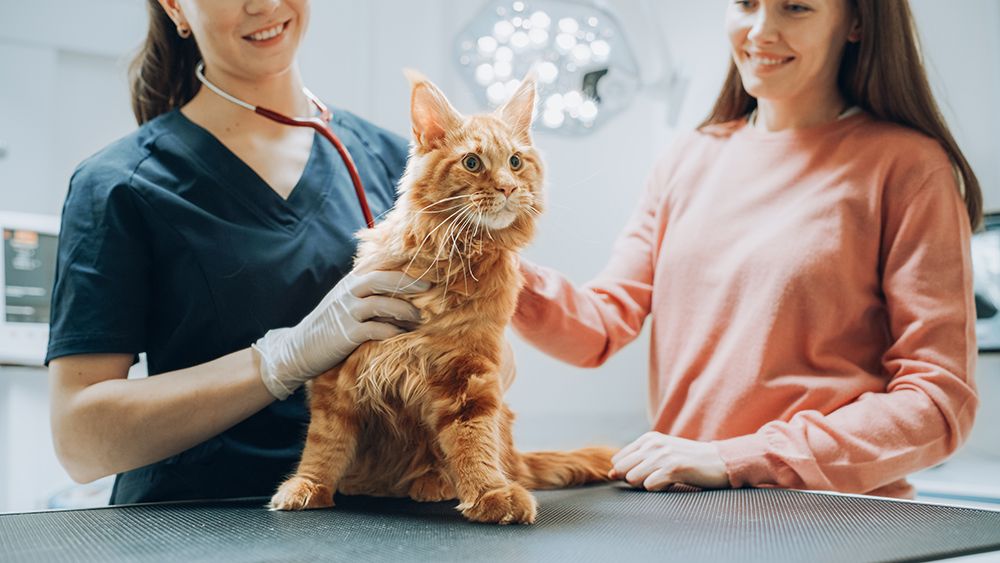
woman brought her maine coon cat to the vet

Medical advancements in the veterinary field tend to mirror those in the human world, albeit a few years later. One advancement that’s breaking through for our cats is stem cell therapy. This modality offers a great deal of promise, but as of now, you may have a hard time finding a veterinarian to do it. In fact, the AVMA recommends using caution when implementing stem cell therapy, but it does support further research in the area.1

So, what’s the big deal with stem cell therapy in cats and how can it benefit your feline friend? Read on to find out!

divider 1 paws

What Is Stem Cell Therapy in Cats?

Stem cells are undifferentiated cells that when placed in the right situations, can grow into specific tissues. You can think of these cells as skeins of yarn in a knitter’s hands. Each strand of yarn can become anything that the knitter wants to make it into, just like stem cells can form into any type of tissue that they are grouped with.

Stem cell therapy is the use of stem cells to regenerate diseased or injured tissues, such as tendons, ligaments, muscles, bones, and even nerves. As you can imagine, stem cells can become incredibly useful, as they’re sort of like the body’s way of making its own replacement parts that are more suited for it than synthetics or transplants from other animals.

As you can imagine, the sky’s the limit when it comes to using stem cells in cats—theoretically. Right now, their most common use is to help rebuild joints riddled with osteoarthritis, with some treatments showing promise to also help cats suffering from kidney and respiratory diseases.

Female vet holding a sick cat close-up
Image Credit: megaflopp Shutterstock

How Is Stem Cell Therapy Done in Cats?

Stem cell therapy in cats is quite a process:
  • Your kitty needs to be properly diagnosed and deemed an appropriate candidate. This just means that the ailment is identified and your cat is otherwise healthy. It also means that you, the pet owner, have the funding.
  • Next, your cat will need to be anesthetized so fatty tissue or bone marrow can be collected. This is where the stem cells are residing, waiting for future orders.
  • The fatty tissue will be sent to a specialized lab, where the stem cells are extracted, concentrated for use, and sent back to the initial veterinary hospital.
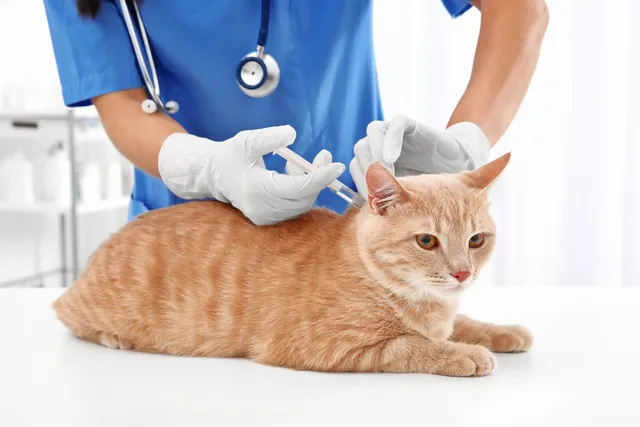
  • The stem cells can then be injected into the affected site—for example, into the knee joint. This can be painful, so anesthesia is typically used.
  • Cats can then go home with minimal aftercare while the stem cells get to work: dividing, growing, and creating new tissue. Some kitties may show signs of improvement within a couple of days, while others may take a few weeks.

Potential Side Effects of Stem Cell Therapy in Cats

While stem cell therapy might be the wave of the veterinary future, it’s crucial to know that side effects can occur and it’s not for every feline patient. Some animals receiving stem cell therapy may experience:

  • Pain, discomfort, or infection at the injection site
  • Joint swelling
  • Worsening lameness (in the case of joint injections)
  • Nausea, vomiting

There has also been a case of a dog experiencing graft-versus-host disease after stem cell therapy.

Side effects may be reduced by using the proper technique for collecting and injecting the stem cells and ensuring that the patient is as otherwise healthy as possible to best endure anesthesia and recovery.

divider 1 paws

Frequently Asked Questions

How Long Does It Take Stem Cell Therapy to Work in Cats?

Depending on the condition being treated, some cats may show improvement of signs within a couple of days. Others may take a few weeks to feel better. This means cats with osteoarthritis may have decreased lameness and less pain quickly, while cats with kidney disease may take a couple of weeks before they start drinking less water.

How Much Does Stem Therapy Cost?

There’s variation in costs for stem cell therapy, depending on where you live, whether you have to go to a specialist, and what condition you’re treating. With this in mind, most of the time, stem cell therapy is going to cost upward of $2,000–$3,000 or more.

What Are the Downsides to Stem Cell Therapy in Cats?

Right now, the biggest downside to stem cell therapy in cats is that we don’t have a complete handle on it yet. Most of the uses are still in the experimental phase, but we are getting good results from the most common utilizations. Of course, there is also the cost and availability of it to consider.

divider 1 paws

Conclusion

Stem cell therapy is a medical advancement that is making its way through the veterinary world. It has the potential to help with the treatment of many common diseases of cats, including osteoarthritis and kidney disease. We still have a ways to go, however, before stem cell therapy becomes mainstream and makes its way into even the small veterinary clinics.


Featured Image Credit: Gorodenkoff, Shutterstock

Want content like this delivered to you?

Sign Up For Our Newsletter

News, insights, expert advice, and everything cat

* By submitting, you agree to our Terms & Conditions and Privacy & Cookies Policy.


How useful was this post?

Click on a star to rate (you can leave written feedback after clicking submit)

Help us improve Catster for pet parents!

Your feedback really matters.

What did you like about this post? Also how can we improve it?

Join the conversation

Leave a Reply

You’re very welcome to leave a comment or question. Please know that all comments must meet our community guidelines, and your email address will NOT be published. Let’s have a positive and constructive conversation.


Catster's Digital Magazine is Back!

Vet-approved health & behavior advice

Real cat stories & community features

Chatting About the Rainbow Bridge, Euthanasia, and Laughter During Grief | Chatty Cattys, Episode 24

If you’ve ever felt the loss of a beloved cat, or are dreading the day when your pet crosses the rainbow bridge, you’ll...

The Simple Reasons Cats Refuse to Let Anyone Use the Bathroom Alone

Cats have an extraordinary talent for making themselves present in the most inconvenient places, and the bathroom ranks near the top of the...

A Paw-sitive Milestone: Canada Officially Becomes a Declaw-Free Nation

Canada has officially become a declaw-free nation. On May 25, 2026, a new regulation was filed in Ontario under the Provincial Animal Welfare...

The Surprisingly Simple Ways to Help a Cat With Hairballs

Cats spend an astonishing amount of time grooming. It is part hygiene routine, part comfort ritual, and part instinct that traces back generations....

More related

16 Vet-Verified Tips for Moving House With a Cat

Moving to a new house can be a hugely daunting undertaking. It is usually associated with several other big life changes, such as...

Tiki Cat – Cat Food Review of 2026: Recalls, Pros & Cons

Review Summary With so many different brands on the market, it can be tough to figure out which type of cat food to...

Can Cats Have Down Syndrome? Vet-Reviewed Science & Info

There are many diseases and conditions that can affect both cats and people: Cancer, influenza, and even the plague have all been found...

How to Protect Bird Nests From Cats: 12 Effective Vet-Verified Ideas

Be they feral cats, loose strays, or wandering outdoor pets, cats kill millions of wild birds each year 1. While the felines aren’t...

Keep reading

Can Cats Eat Beggin’ Strips? Vet Reviewed Health Risks & FAQ

Beggin’ Strips are popular dog treats and have a strong, meaty odor, which may make your cat seek them out. However, Beggin’ Strips are not healthy for cats and neither are most dog treats. Dog treats, like Beggin’ Strips, are...

Can Cats Eat Beggin’ Strips

Hill’s Science Diet Cat Food Review in 2026: Recalls, Pros & Cons

Review Summary Today, Hill’s Pet Nutrition is an international pet food brand that’s known for selling scientifically developed foods that are intended to help our pets live their best lives. But that’s not how Hill’s was started. When the company...

Hill's Science Cat Food Review

Heartworm Prevention for Cats: 3 Vet Approved Methods

Of all the diseases our cats can suffer from, heartworm disease is one of the worst. This disease is transmitted by mosquitoes that carry heartworm larvae that burrow into the body and can go on to grow up to 12...

Sick cat in animal hospital

Will a Cat’s Whiskers Grow Back If They’re Cut Off? Vet Approved Facts & Risks

Prickly and cute, your cat’s whiskers aren’t merely adorable accessories. They are more like highly specialized antennae that guide your cat around the house and help them estimate tight squeezes and high jumps. Without their whiskers, your cat would be...

close up of cat whiskers

Is Freeze Dried Food Good for Cats? Vet-Reviewed Nutrition Facts & Tips

Cats are notoriously fussy eaters, and finding food they won’t turn their noses up at can feel like a never-ending challenge. There are many different types of cat foods, from canned food to kibble to raw diets and everything in...

Is Freeze Dried Food Good for Cats

Can Cats Eat Bok Choy? Nutriotional Facts & FAQ

Bok choy, or Chinese cabbage, is a vegetable that’s packed with nutrients and is incredibly healthy for humans and safe for cats. So, if you’re preparing a dish with bok choy and your curious cat nibbles on a piece of...

Can Cats Eat Bok Choy

Can Cats Sense Tornadoes? Vet-Reviewed Facts & Safety Tips

Tornadoes are a very dangerous weather system that can cause significant damage to homes, cars, property, wildlife, and anything else in their path. While tornadoes can form suddenly and cause a lot of damage in very little time, we humans...

Gray cat looking out the window

Why Do Cats Like Bread So Much? 4 Possible Reasons & Vet-Approved Alternatives

Cats are interesting and unique, and what attracts some cats might not be another cat’s “cup of catnip tea.” Anecdotally, some cats seem to like bread, although it is not exactly something they would come across in the wild. So...

grey cat smelling fresh bread

Love Cats? So Do We! Join the Catster Community

Stay informed with expert pet care insights delivered straight to your inbox! Discover professional guidance on animal behavior, feeding tips, trusted product picks, and much more.


Sign up for the Catster Email Newsletter

Stay informed with expert pet care insights delivered straight to your inbox! Discover professional guidance on animal behavior, feeding tips, trusted product picks, and much more.