How Much Water Does a Cat Need per Day? Vet-Approved Facts & Health Tips


In this article
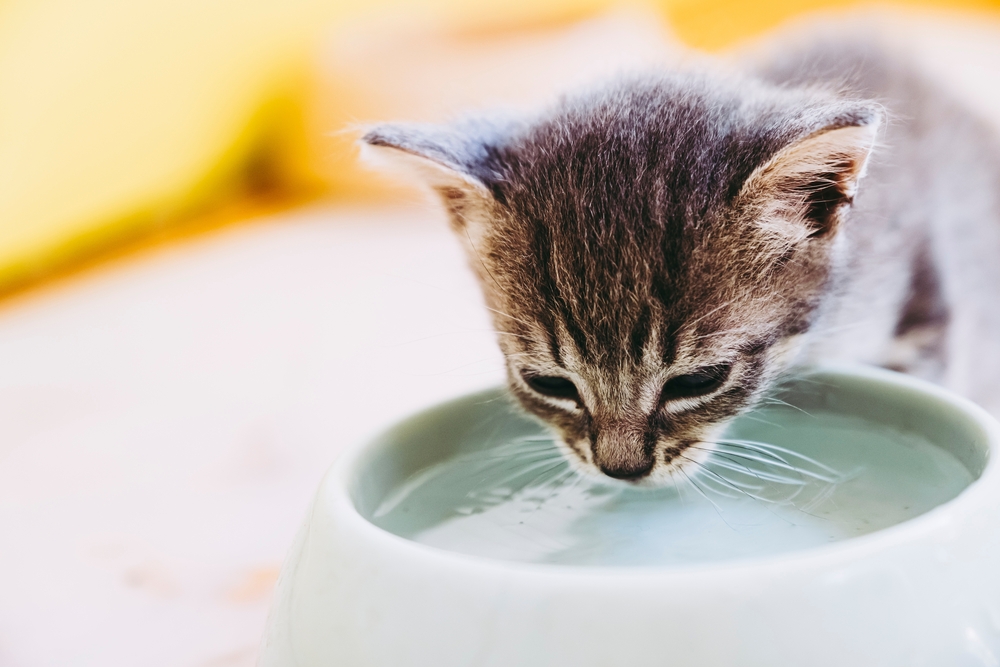
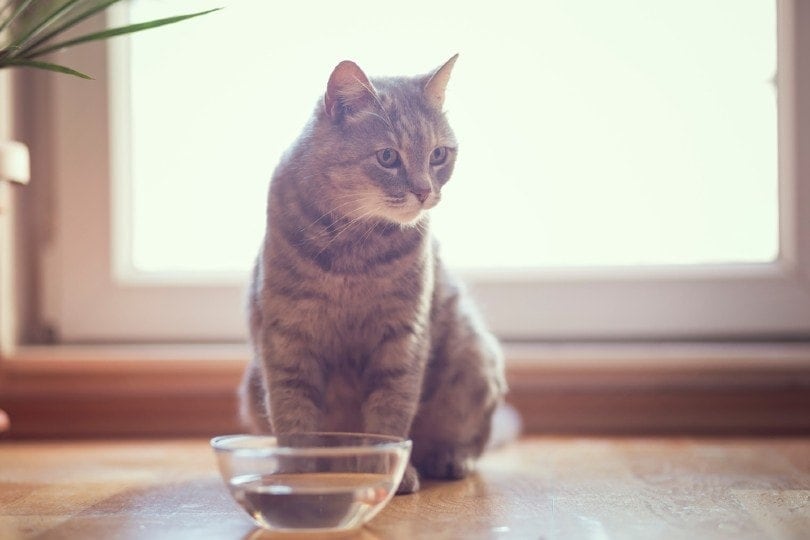
Like humans, cats require access to fresh drinking water, which is essential for proper body functioning and optimum health. Water helps cats maintain good health and flush out toxins from their systems while aiding their digestion and circulation.
Without enough water, cats could easily become dehydrated, leading to further health issues. Therefore, your feline should intake an adequate amount of water per day to stay properly hydrated.
But how much water does a cat need per day? As a general rule, cats should usually drink around 2 ounces of water for every 2.2 pounds of body weight (50-60 ml per kg).
In this article, we talk more about cats and their water requirements, including how long felines can survive without water and how much water they need per day!

How Much Water Do Cats Need per Day?
For their daily water intake, cats need between 3.5 and 4.5 ounces of water per 5 pounds of their weight 1.
Here’s a mini guide on how much water cats should have daily:
That said, every cat is different, and an individual cat’s water intake should be adjusted to their diet and current health.
Many cats get moisture from other sources besides water, including wet food and even dry food, faucets, puddles, bird baths or the bowls of other pets, so it may seem like they’re drinking less water than they’re supposed to.
That said, cats that don’t consume wet food nor have access to other sources of drinking water will require you to provide them with the necessary water for hydration.
How Long Can Cats Survive Without Water?
In general, most healthy cats can go 3 days without water (or even longer in experimental conditions), but of course, that doesn’t mean they should. If without water for that long, most cats will experience dehydration, organ failure, and other deadly health problems. Cats should have access to fresh, clean water every day.
Therefore, you must provide enough water for your cat every day in order to prevent dehydration.
Cat Dehydration: Causes, Signs, and Treatment
Dehydration in cats occurs when they don’t consume enough water needed for proper daily functioning. They will experience multiple body changes, including losing electrolytes and important nutrients like sodium, potassium, and calcium. The balance of these nutrients is crucial for keeping the cat’s tissues and organs in good shape.

Causes of Dehydration in Cats
Some cats may experience dehydration if they’re not feeling well and therefore are not drinking enough water or if they have health problems that lead to excessive water loss. The main causes of dehydration in felines are:
- Trauma
- Vomiting
- Diarrhea
- Fever
- Diabetes
- Heatstroke
- Kidney disease
Dehydration could be fatal for cats, which is why you should know how to recognize the signs in your furry companion, so you can quickly treat them to prevent further health damage and avoid severe medical problems.
Signs of Dehydration in Cats
Cat dehydration can be mild or severe, so the signs of this problem can vary. The most common signs include:
- Dry gums
- Increased skin tenting
- Lethargy
- Sunken eyes
- Weakness and eventual collapse
If you notice any of these signs, immediately speak with your veterinarian and get the needed treatment for your cat.
Treatment of Dehydration in Cats
The treatment of dehydration typically starts with your vet inspecting your cat to determine the severity and cause of the dehydration. Further treatment includes giving IV fluids to help your cat regain hydration. In many cases, the cat may require hospitalization.
Your vet will also help you treat any underlying health issues that your feline may be experiencing.
Frequently Asked Questions
How Can I Check My Cat’s Hydration?
If it seems that your cat isn’t drinking enough water, here are two easy ways to see if your feline is hydrated:
- Skin pinch test — If you gently pinch and pull your cat’s scruff skin, it should go back into position if your cat is properly hydrated. If the skin does not go back into position or takes a long time to go back, your cat may be dehydrated. Unfortunately, this test only works on young and healthy animals with elastic skin and is unsuitable for older cats and cats with medical problems.
- Your cat’s gums —All you need to do is gently lift your cat’s lips and take a look at their gums. A cat’s gums should be wet and bright pink. Any signs of dryness or paleness could indicate that your cat is dehydrated.
What Should I Do If My Cat Is Dehydrated?
In most cases, dehydration in cats occurs due to an underlying medical problem rather than not having enough water. That said, if you suspect that your cat is dehydrated, consult your veterinarian and seek further advice.
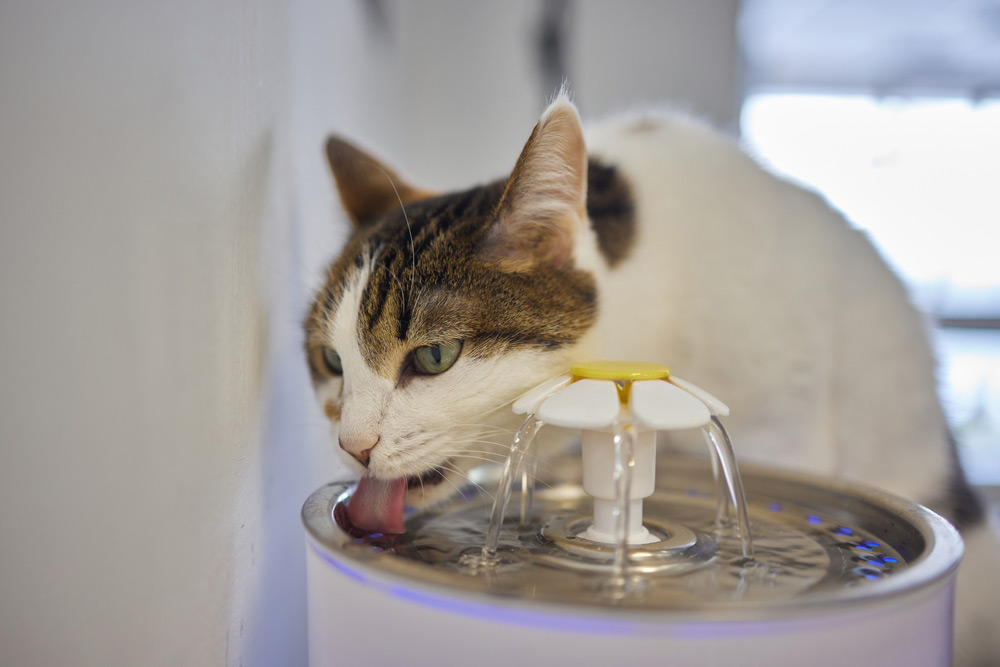
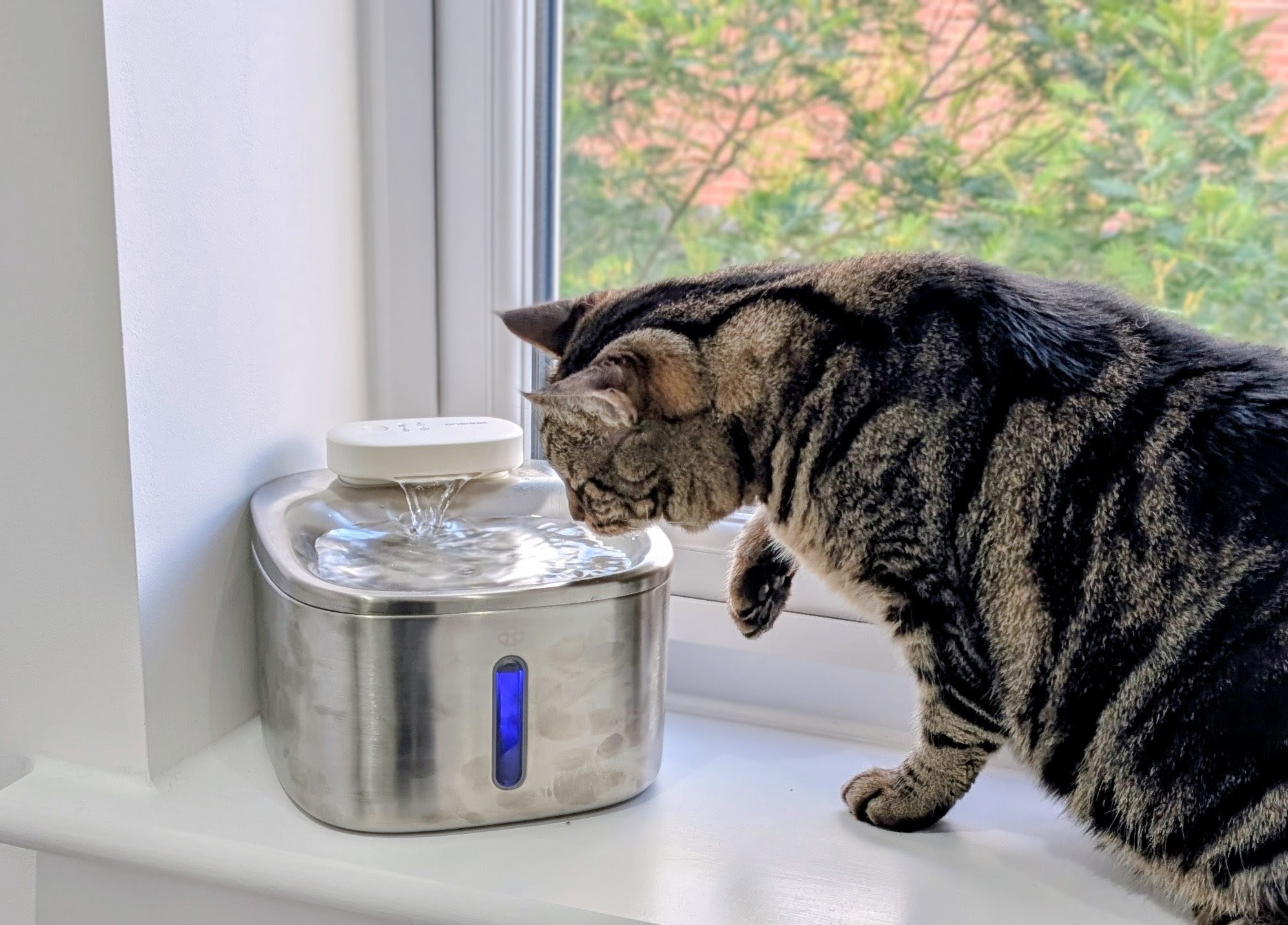
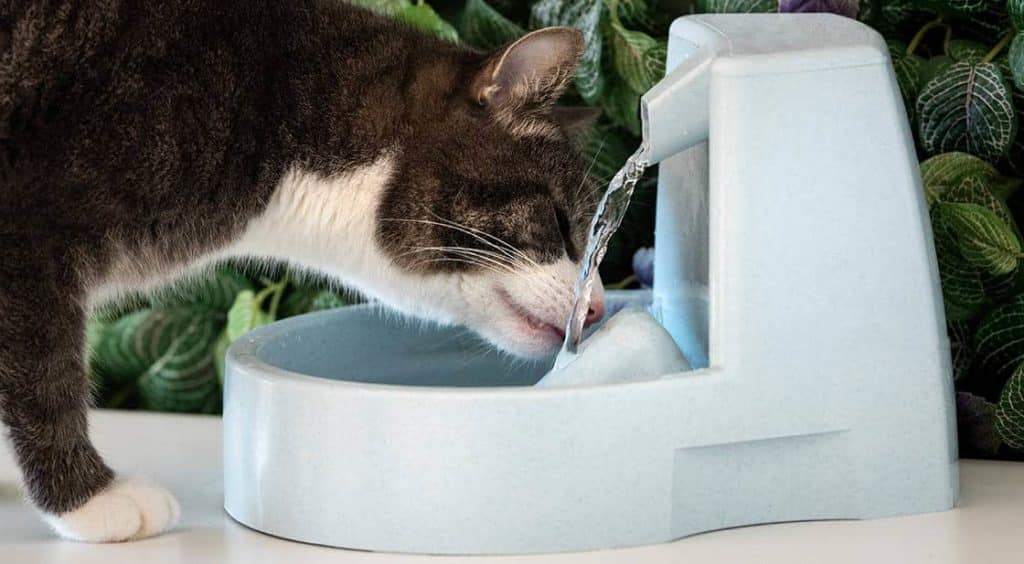
In the meantime, you can help keep your companion hydrated on a hot day by offering them wet food or placing multiple water dishes around the house, offering a source of running water such as a cat fountain or even turning the tap on for them.
Why Won’t My Cat Drink Water?
Although cats don’t drink much water, they still need a certain amount of liquids to keep their systems functioning. So, if your cat won’t drink water, it’s important to determine the cause of the issue.
There are several reasons that your cat could be refusing to drink water, including:
- They are already properly hydrated.
- Their water bowl is not clean enough, or their water is not fresh.
- Their water bowl is in a hard-to-reach location.
- They could be experiencing medical problems.
- The water bowl is near their food or litter tray instead of place away from them.
- They have to share the water bowl and are anxious to do so.
- The water bowl is in a high traffic area of the house such as the kitchen.
How Can I Help My Cat Drink More Water?
There are several tips and tricks that you can use to help your cat drink more water, including:
- Place several water bowls around the house for easier access.
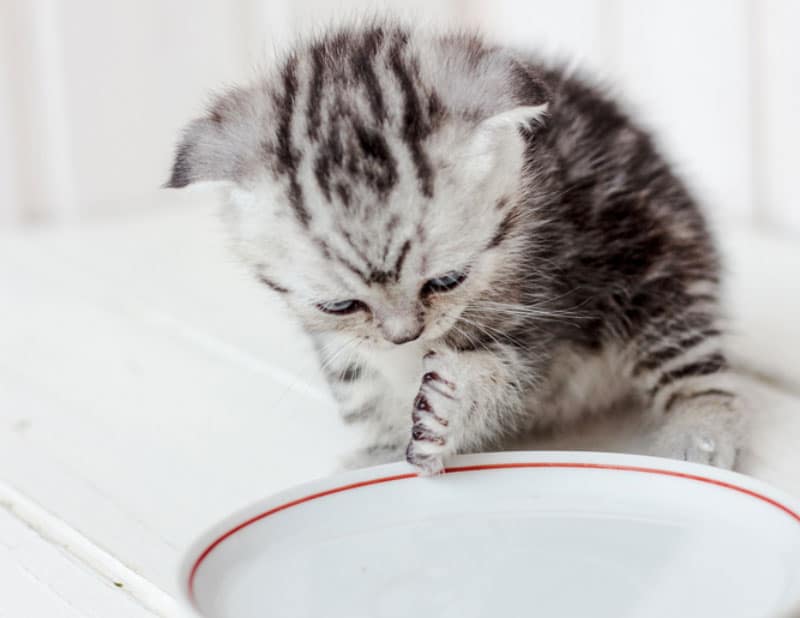
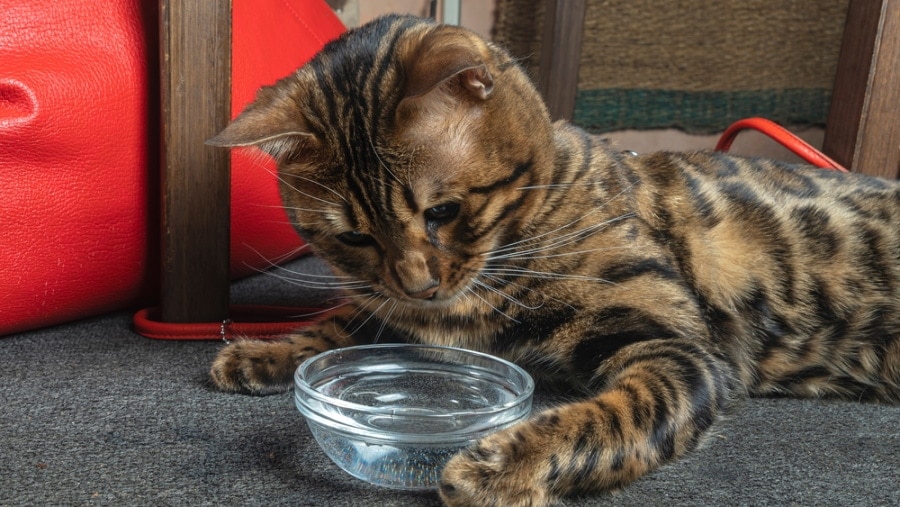
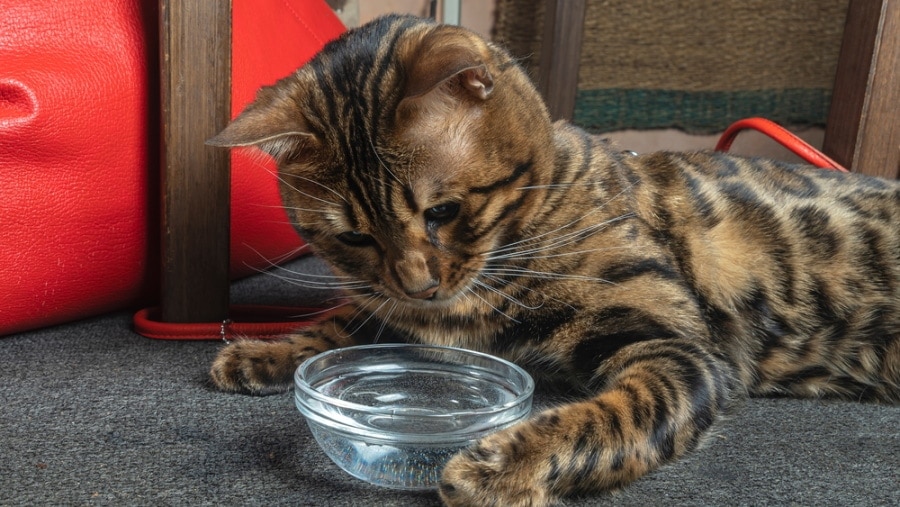
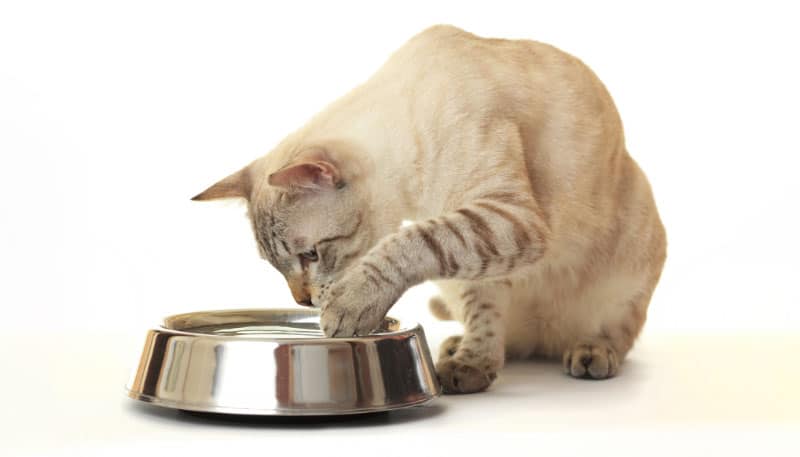
- Try different types of bowls as cats can be particular about what they drink from. Wide, flat ceramic bowls or a glass on your bedside table, for example.
- Regularly clean the water bowls and ensure that your cat gets fresh water every day.
- Offer wet food or moistened kibble instead of dry cat food.
- Discuss potential dietary changes with your veterinarian.
- Consider making or buying a cat water fountain.
Final Thoughts
Felines require around 3.5–4.5 ounces of water per 5 pounds of body weight to maintain optimum health and stay hydrated. This includes water gained from food. Without enough water, cats could easily become dehydrated and suffer severe consequences. If you notice any signs of dehydration in your cat, contact your veterinarian to prevent further deterioration.
Sources
Featured Image Credit: yykkaa, Shutterstock

Expert cat care, straight to your inbox
Vet-reviewed advice, behavior tips, and the best of Catster. Free, and you can unsubscribe anytime.
By signing up, you agree to our Terms & Conditions and Privacy & Cookies Policy.
I'm a creative, adaptable content writer that covers various topics such as DIY, pets, home improvement, travel, gardening, and more.
As a young mom and a college student, I didn’t have enough time to balance my personal and work life, so after multiple years of working a regular 9 to 5 job, I decided to pursue my passion and make a living out of it. I have been writing for a couple of years now, helping people to find valuable and interesting information online.
I believe that writing is a great way to share your knowledge with the community and express yourself. There's nothing that words cannot accomplish, so I always try to use them in the best possible way.
Join the conversation
Ask a question, share your story, or send private feedback.