Get

In Your Inbox

Catster is reader-supported. When you buy via links on our site, we may earn an affiliate commission at no cost to you. Learn more.

How to Get Your Kitten to Like Water: 4 Vet-Reviewed Methods

british shorthair cat peeps from the bathtub

A popular complaint among pet cat owners is that their cats don’t appreciate baths and are not cooperative when it comes to being given baths. Though there are many possible reasons that a cat may have an aversion towards baths, it’s also well worth knowing that kittens that are desensitized to baths in a positive manner from a young age often grow to tolerate baths relatively well. 

We’ve outlined some ways to get your cat used to water from a young age in a positive way so that they hopefully mature into cats that don’t mind baths.

divider cat faces oct 2024

Please Note

The use of male pronouns (he/him) is a stylistic choice by the author. This information applies to female kittens too.

The 4 Ways to Get Your Kitten to Like Water

1. Play with Your Kitten in the Empty Bathtub

A good way to get your kitten to like water or at least tolerate it is to put him in an empty bathtub and play with him. Play using his favorite toy and talk using a low voice. Make this tub time fun for your kitten and do this for a few days. You can reward your kitten after each play session with praise and a tasty treat.

cat in the bathtub_Borodovskaya, Shutterstock
Image Credit: Irina Borodovskaya, Shutterstock

2. Expose Your Kitten to a Damp Washcloth

After your kitten is comfortable being in the empty bathtub, start introducing him to water by rubbing his body with a damp washcloth. Take it slowly and don’t over-wet the cloth. Be sure the washcloth is dampened with warm water so your kitten is not shocked by cold water. Speak calmly using a reassuring tone when rubbing your kitten with the warm damp washcloth. Again, you can reward your kitty with a treat once you’re done with the process.

Kitten closed in towel warm sleepy small white
Image Credit: Alta Oosthuizen, Shutterstock

3. Add Warm Water to the Bathtub

Once your kitten has played in the dry empty tub and has experienced having damp water rubbed on his body, it’s time to place your kitty in some water. Add about an inch of lukewarm water to the bottom of the bathtub and put your kitten in. Do this slowly using a reassuring tone so your kitten is okay with feeling the water on his little feet. It’s best to place a towel in the tub, so that your kitten has a good grip of the floor.

Keep your kitten standing in the shallow warm water for a few minutes so he has time to get used to it. Do not leave your kitten alone in the water or he may panic and try to get out of the tub. Pet your kitty while telling him what a good kitten he is for being in the water.

Cat sitting in bathtub after playing with water, front view
Image Credit: sophiecat, Shutterstock

4. Bathe Your Kitten

Once your kitty is used to standing in the water, scoop some water from the tub with your hand or a cup and slowly wet your kitten’s body. Proceed slowly while speaking quietly and calmly to your kitten. You can shampoo him using a mild pet shampoo and rinse him off thoroughly.

The best pet shampoos are carefully formulated to clean your pet without causing irritation. Hepper's Colloidal Oatmeal Pet Shampoo does a great job of this by combining soothing ingredients like aloe vera and colloidal oatmeal. It is also pH-balanced and free of irritants like dyes, soaps, sulfates, and phthalates. You and your pet will both enjoy the fresh, clean scent, too! 
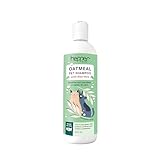
Hepper Oatmeal Shampoo
  • Only Natural Pet Shampoo - Our vegan, plant-based formulation is made with safe and natural...
  • No Soap - A cat and dog wash free from soaps, glutens, dyes, DEA, sulfates and phthalates means it's...
  • Colloidal Oatmeal - Formula soothes and nourishes dry, irritated skin, providing itchy skin relief...

At Catster, we’ve admired Hepper for many years and decided to take a controlling ownership interest so that we could benefit from the outstanding designs of this cool cat company!

When shampooing your kitten, be gentle and quiet. Take things slowly and be careful not to make any sudden movements or loud noises that could frighten your kitty. Be sure you don’t pour water directly on the kitten’s head and avoid getting water in his ears. Once you’re done with the shampooing and rinsing, remove your kitten from the tub and wrap him up in a warm towel.

Keep in mind that kittens have a lower tolerance for being cold than fully grown healthy cats. Therefore, you shouldn’t leave your kitten wet and cold once their bath is finished as this may make them ill. Kittens are also not as good at grooming themselves when compared to adult cats, and once they’re dried off, you should gently groom them with an appropriate brush. 

divider cat faces oct 2024

Final Thoughts

Once your kitten learns to like water or at least tolerate it, you may wonder how often you should bathe your kitten. Cats are very good self-groomers who use their rough tongues to clean themselves. However, if your kitten gets himself into a mess, you may need to help him out and bathe him.

If you don’t feel comfortable giving your kitten a bath when he needs it, you can take him to a groomer. While this type of professional service will cost you anywhere from $20 to $50 for a shampoo, rinse, and blow-out, it will be money well spent. Many groomers will even include ear cleaning and nail clipping in the cat shampoo service.

Don’t expect your kitten to truly learn to love water because the odds are against that happening. If you follow the methods above, you should be able to get your kitten acclimated to water so they don’t learn to fear it. Just take your time, be kind, and don’t do anything that shocks or scares your sweet little kitty cat!


Featured Image Credit: Dmitriy Burmatov, Shutterstock

Want content like this delivered to you?

Sign Up For Our Newsletter

News, insights, expert advice, and everything cat

* By submitting, you agree to our Terms & Conditions and Privacy & Cookies Policy.

How useful was this post?

Click on a star to rate (you can leave written feedback after clicking submit)

Help us improve Catster for pet parents!

Your feedback really matters.

What did you like about this post? Also how can we improve it?

Join the conversation

Leave a Reply

You’re very welcome to leave a comment or question. Please know that all comments must meet our community guidelines, and your email address will NOT be published. Let’s have a positive and constructive conversation.

Talk With A Vet Online

Peace of mind,
anywhere, anytime

Affordable vet advice

3 Food Sources of Thiamine for Cats (Vitamin B1): Vet Reviewed Options

We all want our cats to be healthy, happy, and with us for as long as possible. That’s why we take them to...

Are Ladybugs Poisonous to Cats? Vet-Confirmed Toxicity

Ladybugs are small, brightly colored beneficial insects that can help any garden thrive to its fullest extent. They are exceptional friends to your...

Do Cats Grieve for Their Owners? A Helpful Guide

Although they may often seem aloof and indifferent, cats recognize the strong bond with their owners. Caring for and connecting with our pets...

Carrageenan In Cat Food: Vet-Reviewed Uses, Safety & Verdict

If you’re a cat owner who likes to read pet food labels, you’ll probably come across some ingredients you don’t recognize. Since you...

More related

Kitten Development: First 12 Weeks (Vet-Reviewed Guide)

Bringing a new kitten home is a joyous and exciting occasion for all soon-to-be cat parents. This usually occurs when a kitten is...

10 Best Cat Deshedding Tools in 2025 – Reviews & Top Picks

With over 58 million pet cats around the nation, it’s no shock that there are tons of cat deshedding tools on the market....

Sisal Rugs Direct Sisal Remnants for Cats Review 2025: Quality Carpet for DIY Cat Accessories

Whether you’re trying to save your couch from cat claws, refinish an old scratching post, or get creative with some DIY cat accessories,...

What’s an F6 Savannah Cat? Info, Facts, Pictures & History

The Savannah Cat is a hybrid between a domestic cat breed and the wild African Serval cat. They are bred and kept as...

Keep reading

Why Does My Cat Lay on My Chest? 5 Vet-Reviewed Reasons for This Behavior

Why does my cat lay on my chest? It’s a common question from cat parents everywhere, and for good reason. If you’re lying on the couch reading a book or watching a movie, many cats will take the opportunity to...

Child playing with cat at home

Is Scented Litter Safe for Cats? Vet-Reviewed Facts & FAQ

Several online sources suggest that scented litter is bad for cats. It’s alleged to cause recurrent urinary tract infections (UTIs) due to irritation caused by fragrances added to mask the smell of cat pee. Others argue that scented litter should...

Catster_Is Scented Litter Safe for Cats

Can Cats Eat Ramen Noodles? Vet-Reviewed Facts & FAQ

After leaving your ramen noodles on the table, when you answer the door, you may have noticed that your cat had sampled your meal. Should you rush them to the ER? Are ramen noodles safe for cats to eat? A...

Can Cats Eat Ramen Noodles

What Is Cat Grass? Vet-Reviewed Benefits, Safety & Growing Tips

You may have seen your outdoor cat nibbling on the grass outside and wondered what they were up to. Many cats enjoy eating grass, but what about indoor cats that don’t get the chance to chew on that green stuff?...

cat eat young wheatgrass

Are Diffusers Safe for Cats to be Around? Vet-Approved Science & Safety Guide

It may surprise you to learn that cats primarily interpret the world from their nose. This is because, like many other animals, their sense of smell is stellar. You may wonder if diffusers are safe to use around them. Though...

Catster_Are Diffusers Safe for Cats

How to Make a Cat Feel Better After Vaccines: 3 Vet-Approved Tips

Vaccines are vital for any cat’s long-term well-being and quality of life, but for a short period after receiving them, shots can cause several irritating side effects. Mild pain is typical, as is mild tiredness. Depending on your cat’s personality...

smiling female veterinarian petting a cat

Can Cats Eat Bread? Vet-Approved Facts & FAQ

Bread is a tasty treat that can be served in a variety of ways. During the pandemic, many people began experimenting with making their own bread at home due to shortages at grocery stores and bakeries, as well as to...

Can Cats Eat Bread

8 Cleaning Products Toxic to Cats: Vet Approved Facts & Toxicity Explained

Many modern cleaners are filled with chemicals that are potentially harmful to cats. People use these products regularly (or even daily) without knowing the risks. If you clean with concentrated disinfectants, you could be putting your favorite feline at risk....

woman-holding-bucket-of-cleaning-products