In this article
It can be hard to believe that cats would be interested in cockroaches. These insects are generally considered an unpleasant nuisance, especially compared to our lovable felines. However, cats find them interesting enough to chase and sometimes even eat.
Fortunately, cockroaches aren’t toxic to cats. That isn’t to say that they’re healthy snacks for your cat, though. The insect’s hard exoskeleton and the potential for them to carry pesticides, bacteria, parasites, and viruses can cause issues.

Do Cats Eat Cockroaches?
While cats can eat cockroaches, it doesn’t mean they will. Some cats always eat their prey and others prefer not to bother. They’ll play for a bit and then leave their prize as a gift for you or simply because they’re not hungry. Your cat may also find cockroaches too crunchy to be enjoyable snacks. It’s a matter of personal preference.
The same can be said about chasing cockroaches. Even if your cat sees one, it doesn’t necessarily mean they’ll chase it. Cats are notorious for knowing our expectations and taking pleasure in going against everything that we expect. If your cat is comfortable, they might not care enough to get up and chase the interloping cockroach.

Are Cockroaches Dangerous for Cats to Eat?
It’s cringeworthy to think of our cats eating something as icky as a cockroach. When all is said and done, though, cats can eat many things that we might find unbelievable.
The Ancient Egyptians even used cats to control pests like scorpions. Unlike scorpions, though, cockroaches aren’t venomous and won’t poison your cat if they’re eaten, but they can cause a few health issues.
Exoskeleton
Like most insects, cockroaches have a hard exoskeleton. It’s the biggest problem when it comes to cats eating them. The tough shell can be difficult to chew, swallow, and digest. This can lead to stomach upset and possibly choking if your cat swallows a piece that’s too big.
Infections
Cockroaches can carry bacteria, viruses, and parasites such as Salmonella and hookworm, which can be a risk to humans and cats.
Pesticides
The cockroaches alone aren’t toxic to your cat, but the pesticides that you use to kill them can be. Usually, though, the biggest issue arises from your cat coming into contact with the pesticide itself.
Most of the time, the amount of pesticide residue remaining on or inside a cockroach isn’t enough to cause a big problem with your cat. That said, it’s still recommended to find pet-friendly alternatives.
- Vomiting
- Diarrhea
- Seizures
- Drooling
- Increased heart rate
- Trouble breathing
You should get your cat to the vet straight away if you suspect insecticide poisoning.

What Do You Do When Your Cat Eats a Cockroach?
There isn’t much that you can do once your cat has eaten a cockroach or any other insect. Monitor your cat for at least 24 hours to make sure the cockroach doesn’t cause any digestive upset.
The signs of vomiting and diarrhea, if your cat has these, should subside within a day or two. If they don’t, consider contacting your veterinarian.
If you need to speak with a vet but can't get to one, head over to PangoVet. It's an online service where you can talk to a vet online and get the advice you need for your pet — all at an affordable price!
How to Stop Your Cat Hunting Cockroaches
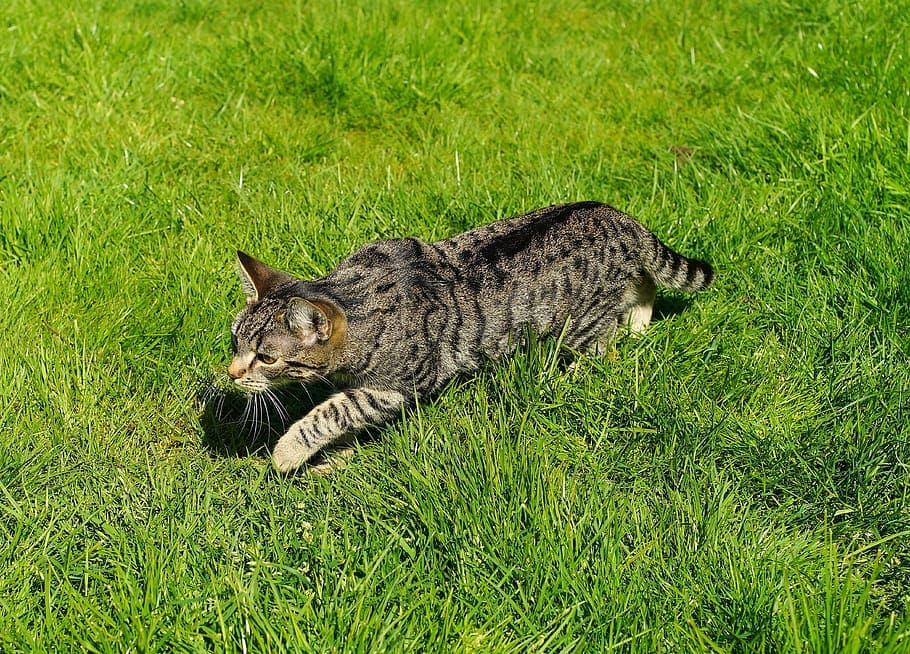
Cats are hunters through and through. Convincing them to stop hunting altogether is a bit like getting blood out of a stone. It isn’t possible and is part of their normal behavior. Your cat’s instincts will always prompt them into hunting whatever catches their keen eyes.
Despite their interest in cockroaches, most cats won’t go out of their way to hunt them. They are, however, opportunistic. If a cockroach scuttles too close, it’ll more than likely end up batted around the floor.
Since stopping your cat from hunting cockroaches is next to impossible, the solution lies in ensuring that your house is roach free and providing engaging toys to entertain your cat.
1. Bait
One of the most common attempts to handle cockroaches or ant infestations is bait. These can be difficult to use around pets, though, because they don’t know to leave them alone. Fortunately, most cockroach bait isn’t toxic to your pet in small doses, though it can cause stomach upset.
2. Pet-Friendly Roach Sprays
Pesticides are the first things that many people think of when they find that they have an infestation of any critter, cockroach or not. Both chemical and natural remedies can be toxic to our pets, though.
If you do choose to use pesticides, you must check all the ingredients before using them around your cat.
3. Targeting the Source
Cockroaches don’t show up without a reason, and infestations are notoriously difficult to get rid of if you don’t target the source. It isn’t always easy to determine why cockroaches have decided to invade your home, but keeping your home clean is usually a good deterrent.
- Dirty dishes
- Food crumbs or leftovers
- Garbage
- Spilled pet food
- Standing water
Cockroaches are also more common in humid places. In these cases, dealing with infestations can be more challenging.
4. Ultrasonic Pest Deterrent
If you have an outdoor cat, you can try electronic pest deterrents in the house. They use ultrasonic sound waves to repel a variety of pests, from cockroaches to mice and rats. Each pest has a certain frequency that wards them away. The sound can still be heard by your cat, though reportedly, it doesn’t bother them, but we would still suggest not using it where your cat is, to be on the safe side.

Final Thoughts
Whether we like the thought or not, cats can and do eat cockroaches on occasion. Bugs of all kinds are especially interesting to our cats due to their darting movements, enticing the feline hunter instincts to come into play.
Fortunately, cockroaches aren’t toxic to cats, though they can cause stomach upset and are a potential choking hazard due to their tough exoskeleton. The pesticides used to stop infestations can also cause vomiting and diarrhea, and cockroaches can carry several severe diseases.
It isn’t always possible to stop your cat chasing or devouring insects, though. The best way is to prevent cockroach infestations by regularly cleaning dirty dishes and food spills, vacuuming, and keeping drains clean. Call a reputable pest control company to help you if you are having trouble with roaches.
- Related Read: Do Cats Keep Roaches Away? Facts & FAQ