Snowshoe Cat Lifespan: How Long Do They Live? Average Lifespan Data & Facts


In this article
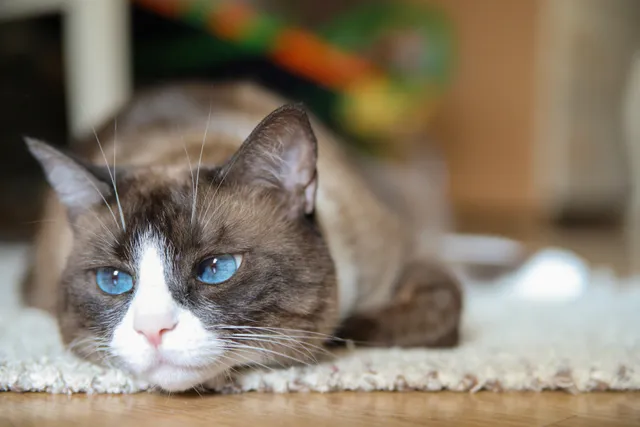
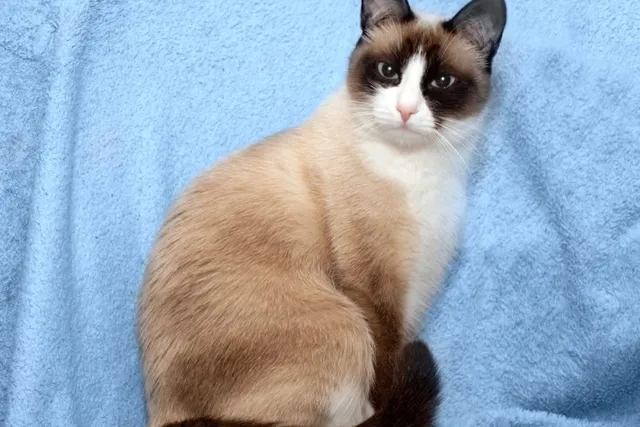
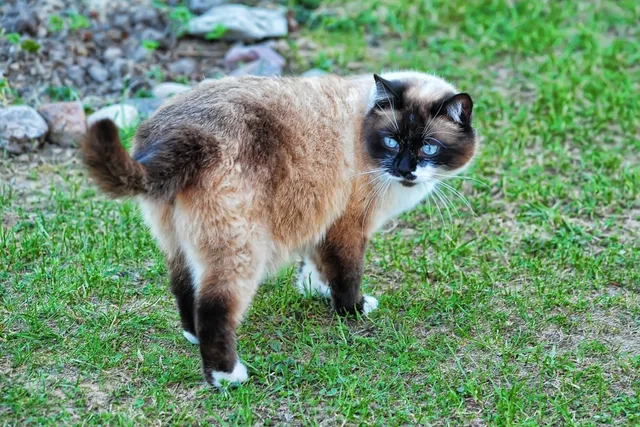
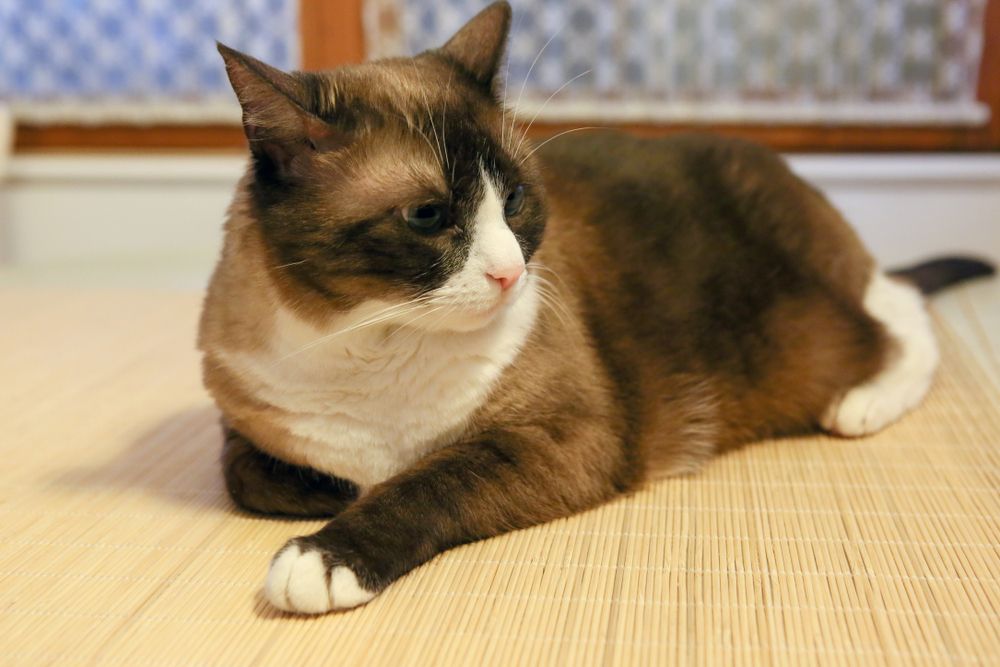
You may not be familiar with the Snowshoe cat, but it’s a breed that is a mix between Siamese and the American shorthair. These felines are sociable, fun, playful, and affectionate, but if you are considering adopting one, you should know how long they may be around so you know what you’re looking at commitment-wise. The Snowshoe cat lives 15–20 years.
Many factors affect just how long a cat will live, though, such as health issues, proper diet, and more. Here’s a closer look at those factors and how you can enable your Snowshoe cat to live its longest, happiest life!

Snowshoe Cat Average Lifespan
As we said, the Snowshoe cat lives, on average, 15 to 20 years. Whether yours live to be on the higher end of that spectrum will depend on a few factors. You can help your kitty live as long as possible by properly caring for them.

How to Care for Your Snowshoe Cat for a Long Lifespan?
Here’s how to care for your Snowshoe cat so they have as long a lifespan as possible!
Feeding & Diet
All felines are obligate carnivores, requiring meat to stay healthy. That means avoiding vegetarian options when it comes to cat food and instead feeding your pet high-quality food with high-quality protein. You also want to ensure that any cat food you get for your Snowshoe cat is complete and balanced according to AAFCO standards. Follow the recommended feeding guidelines on the bag for most healthy cats. If you aren’t sure how much to feed or what food to feed your pet, check with your vet for recommendations. Fresh water should be available at all times.
Environment
Your cat’s environment can also affect how long your pet lives. Snowshoes make excellent pets for families because they adore being around people. They’ll even often get along with other animals in the home, provided those animals are friendly to felines. They’ll seek this companionship to stave off boredom and to stimulate their minds.
You also need to ensure your pet has all their needs met, including having a clean litter box and toys, like scratching posts or cat trees, throughout the home. The scratching posts and cat trees are essential as cats need to scratch to keep their nails healthy and toys and cat trees can encourage exercise. Also, make sure they have a warm spot to go in cooler weather and a cool spot to go when the temperatures rise.

Care
In terms of caring for your Snowshoe, other than feeding them a nutritious diet and keeping their litter box clean, you’ll need to engage in occasional grooming. This breed is fairly low-maintenance in that area, as they have short hair. Mostly, you’ll need to brush them a couple of times a week and keep their nails trimmed and ears clean, too.
Also ensure that your Snowshoe gets daily exercise. This may be in the form of interactive play with you, with toys or by jumping and climbing on a cat tree. Since Snowshoes like the company of other animals, they may get exercise by playing with them as well.
Breeding
Genetics plays a key role in determining how long your cat will live. If you get your Snowshoe from a breeder, make sure the breeder is a reputable one. Ask questions about the cat’s family background, like whether the parents have been tested for common health issues. You also want to physically go to a breeder’s location so you can look at the conditions the cats are being kept in. If the breeder’s place isn’t clean or cats are crammed into small spaces together, find another breeder!
Healthcare
Snowshoe cats are a relatively healthy breed, but a few health issues may have been passed down by their parents. Taking your pet for routine vet visits is one of the best ways to keep them healthy, as these visits often catch issues early enough for treatment. Also, ensure that your kitty is up-to-date on all their vaccinations and has a good tick and flea prevention.
Minor conditions include poor dental health and crossed eyes. Many Siamese are cross-eyed, so this can be passed to the Snowshoe. And many felines deal with dental disease (partly because brushing their teeth regularly can be a challenge).
Other conditions to watch out for include cardiomyopathy, feline lower urinary tract diseases, and arterial thromboembolism.

The Life Stages of a Snowshoe Cat
There are four life stages for a Snowshoe cat.
Kitten: 0–12 months
The kitten stage is crucial for your pet when it comes to socialization, growth, and development. This is when your kitty will learn how to interact with others, whether people or animals and how to play in acceptable ways. This is also the stage where you can help your pet have a longer lifespan by getting them the required vaccinations, feeding them a high-quality kitten diet, and beginning them on flea and tick control.
Young Adult: 1–6 years
After your Snowshoe hits the age of one, they’re officially an adult (although a young one)! At this point, you should switch your pet from kitten food to adult food, so they keep getting the nutrients they need. You should also ensure your pet is getting plenty of daily exercise and keeping up with routine vet visits.

Mature Adult: 7–10 years
The mature adult stage is mostly just a continuation of the young adult stage, but by this point, your cat might be experiencing a health issue or two. Keep taking your kitty for routine vet visits to keep them healthy, and keep a closer eye on them so you notice signs of health problems if they occur.
Senior: 10+ years
You shouldn’t necessarily expect your Snowshoe to slow down in their senior years. Many healthy senior cats will still lead active lives. But this is a period where you need to monitor your kitty’s health more closely than ever to ensure any illness or disease that shows up will be caught earlier rather than later.

How to Tell Your Snowshoe Cat’s Age
Unsure how old your Snowshoe is? There are a few ways you can determine their age (or an age range).
- If your pet is still a kitten, check their weight. Up until about 6 months of age, kittens should gain about a pound for each month they’re alive. So, a kitten that is 3 months old should weigh about 3 pounds.
- You can also check the kitty's teeth to figure out their age. If a kitten has all their baby teeth, they’re 6-8 weeks old; if they have all their adult teeth, they’re at least 6-7 months old. Unsure which are baby and which are adult teeth? Ask your vet!
- If you have an adult Snowshoe that you adopted or were gifted and don’t know their age, you’re best off having your vet check to determine how old they are.


Conclusion
With proper care, a Snowshoe cat will likely live between 15 and 20 years. If you want your kitty to live longer, you’ll need to properly care for them by feeding them a healthy diet, taking them for regular vet visits, and ensuring they’re in a happy and safe environment.
See Also:
Featured Image Credit: Aleksandar Nalbantjan, Shutterstock
Expert cat care, straight to your inbox
News, insights, and useful advice, delivered to you.

No spam — unsubscribe anytime.
By signing up, you agree to our Terms & Conditions and Privacy & Cookies Policy.
How useful was this post?
Click a star to rate. You can leave written feedback afterwards. (We read all feedback.)
Misty Layne lives out in the woods in small-town Alabama with her two Siamese cats —Serafina and Jasper. She also has an array of stray cats, raccoons, and opossums who like to call her front porch home. When she’s not writing about animals, you’ll find her writing poetry, stories, and film reviews (cats, by far, her favorite writing topic, though!). In her free time, Misty enjoys chilling with her cats, playing piano, watching indie and foreign films, photographing abandoned places, and catching up on her never-ending TBR list.