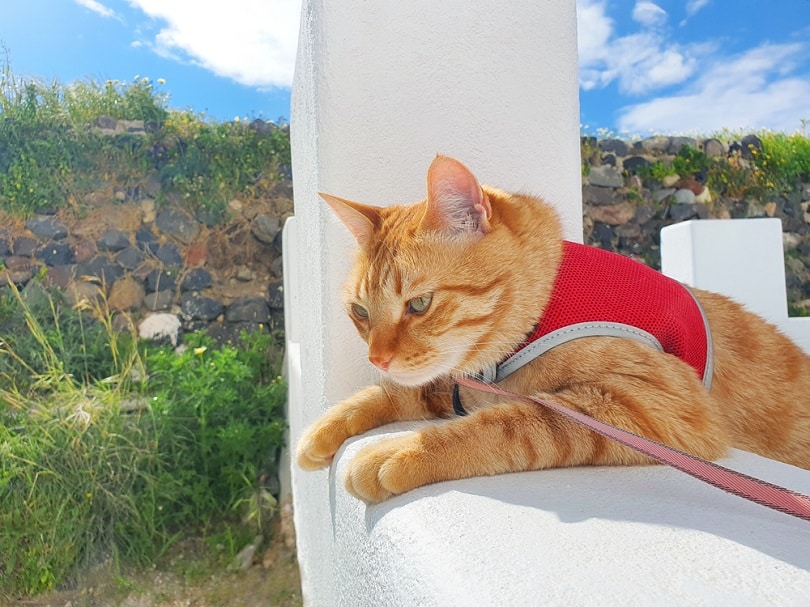
Tactical Cat Harnesses: How They Work, Vet-Reviewed Pros, Cons & FAQ


In this article
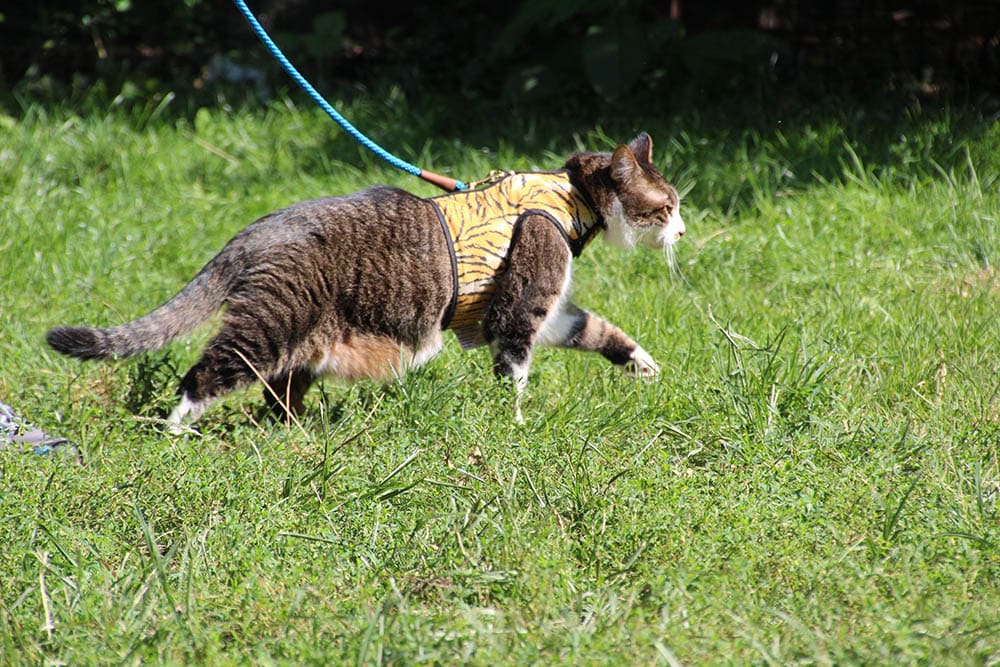
Tactical cat harnesses have grown in popularity over the years as they’ve been advertised to be able to keep up with active and athletic cats, like Bengals, Ocicats, and Savannahs. These harnesses have a heavy-duty design and are meant to provide a secure fit that will prevent cats from escaping.
While tactical harnesses seem like a safe option for cats that enjoy playing outdoors, they’re not a good fit for all cats, and there are always potential risks and precautions to be aware of. So, it’s important to do your research beforehand to determine if a tactical harness would benefit your cat.

How Does It Work?
Tactical cat harnesses are designed to withstand more rigorous activity. They’re made with durable materials, and some high-quality varieties will be double-stitched. Some tactical cat harnesses can be worn by letting the cat step through the leg holes and snapping the buckles on the back to hold the harness in place. Other tactical cat harnesses are draped over cats like a vest and buckle at the chest.
Along with being made with durable materials, tactical cat harnesses may provide a little bit more protection for your cat. They’ll cover your cat’s chest and may protect them from sustaining minor scratches while they climb or run around. If padded and properly fitted, while also using a flexible leash in a responsible and gentle manner, all of this combined can also help reduce the shock your cat feels if they happen to leap or lunge.
It’s often recommended to start cats by wearing a thinner, less restrictive harness. This will help them to get used to wearing a harness. Once a cat is comfortable wearing a harness, they can transition to putting on a tactical cat harness.

What Are the Different Types of Cat Harnesses?
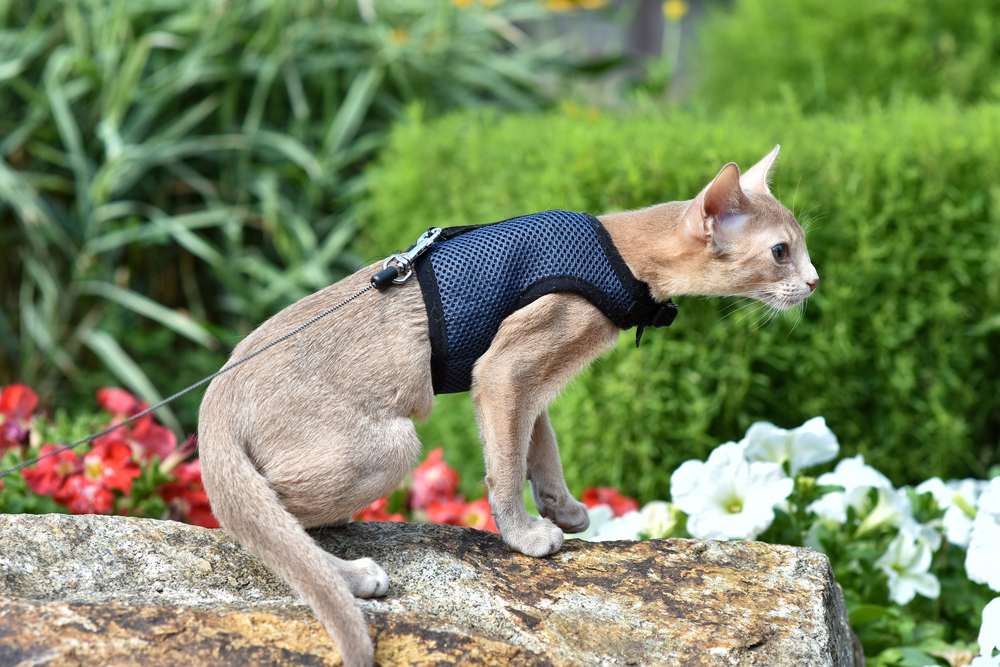
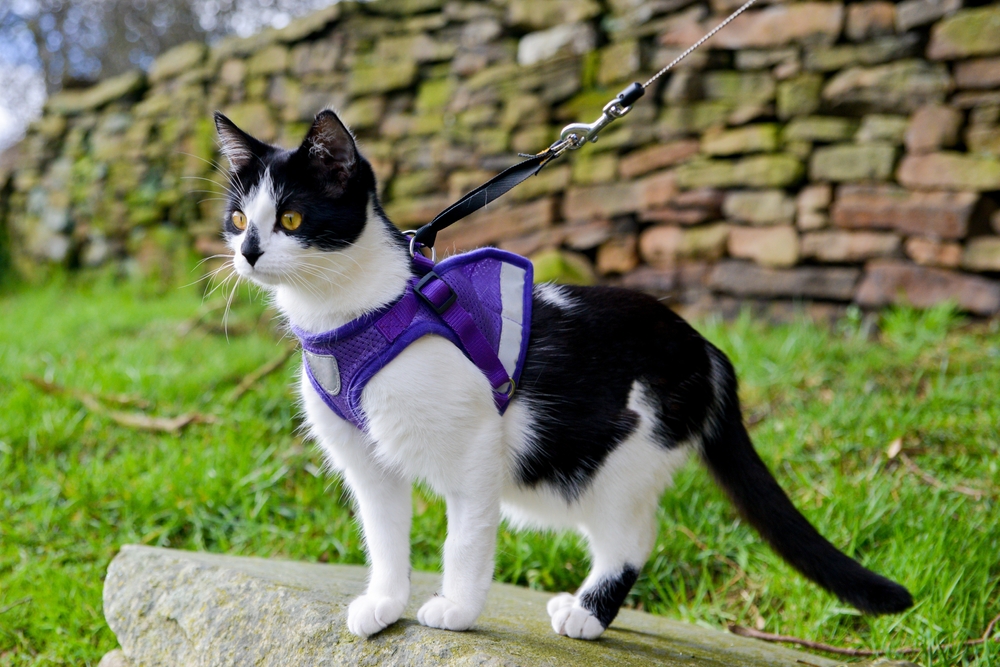
You can find several different kinds of cat harnesses. The four most common types of cat harnesses are H-style, Y-style, vest-style, and jacket-style harnesses.
- H-style harnesses are typically made with a strip of nylon or polyester, and they’re one of the less restrictive types of cat harnesses. They have a front loop that goes over your cat’s head and a back loop that wraps around their chest. Since they have a slim, lightweight design, they’re often a popular choice for cats who are just starting to learn to wear a harness.
- Y-style harnesses are another type of cat harness that’s suitable for cats who are new to leash walking. They have the most minimalist design and are a good alternative for cats that don’t like having to put their faces through a harness loop. They simply have to step into the harness, and a buckle located between the shoulder blades secures everything in place.
- A vest-style harness is a more heavy-duty cat harness, and tactical cat harnesses fall into this category. They have a thicker design than H-style and Y-style harnesses, and they’re usually padded to prevent chafing. The main benefit of vest-style harnesses is that they provide a more secure fit for cats when properly sized and fitted. If made from high-quality materials, they can be more durable, and a well-made vest-style harness may even outlast H-style and Y-style harnesses.
- Lastly, jacket-style harnesses are the bulkiest of cat harnesses. They have the most coverage and are designed to keep cats warm when they walk outside in cold weather. Therefore, it’s not really necessary to have a jacket-style harness unless you live in an area with colder autumn and winter seasons.
Are you looking for the perfect cat harness? We suggest Hepper's Cat Harness & Leash Set, which includes a nicely designed, machine-washable harness made from soft, sturdy velvet and mesh.
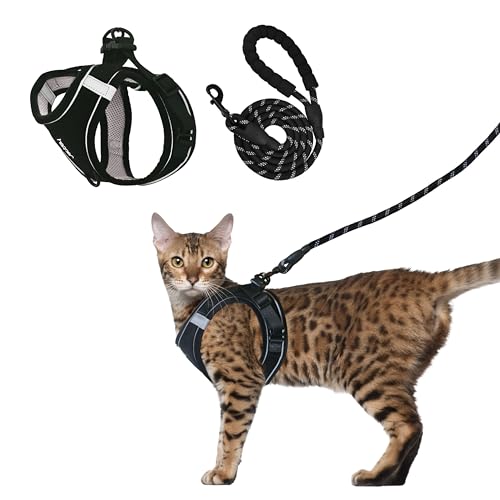
- Escape Proof - Cat leashes and harnesses for walking aren't all equally secure. Our double aluminium D-rings ensure strength when outside, as does the reinforced stitching on this step in vest.
- Superior Comfort - Our cat harnesses are lightweight, made with premium velvet fabric, breathable mesh, with soft edging and resilient cushioning. Also, it is machine washable. Looks and feels great!
- Free Extra Strength Leash - You don't need to worry about your cat escaping this harness. This cat leash is made of thick nylon climbing rope with rotating clamp to keep the strongest kitties at bay.
This harness is easy to put on and take off and features reinforced stitching, reflective stripes, and quick-release buckles. This set also includes a great leash made from durable nylon climbing rope.
At Catster, we’ve admired Hepper for many years and decided to take a controlling ownership interest so that we could benefit from the outstanding designs of this cool cat company!
Where Is It Used?
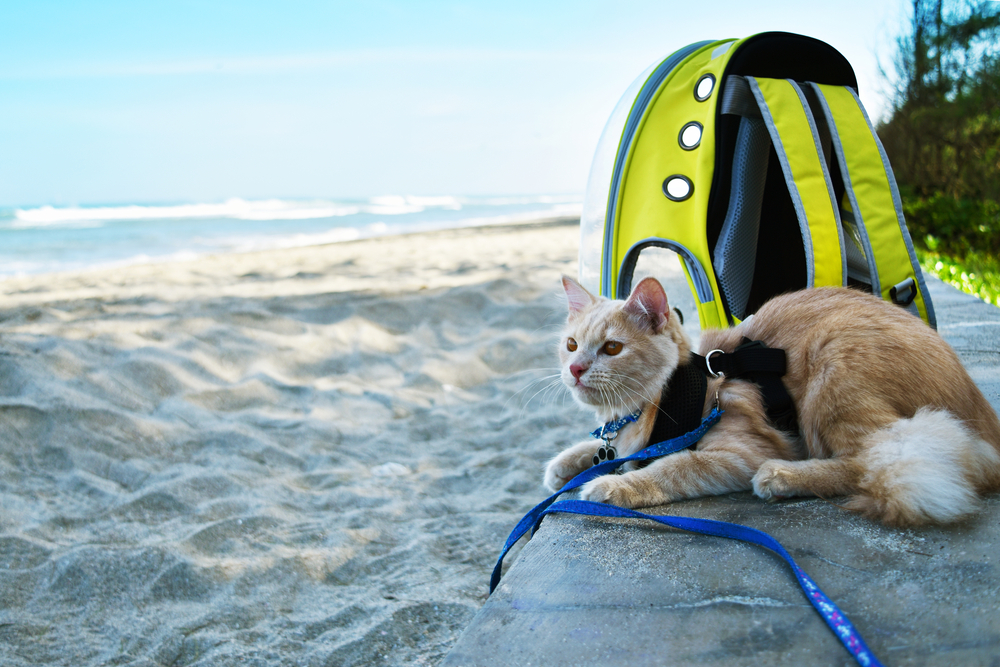
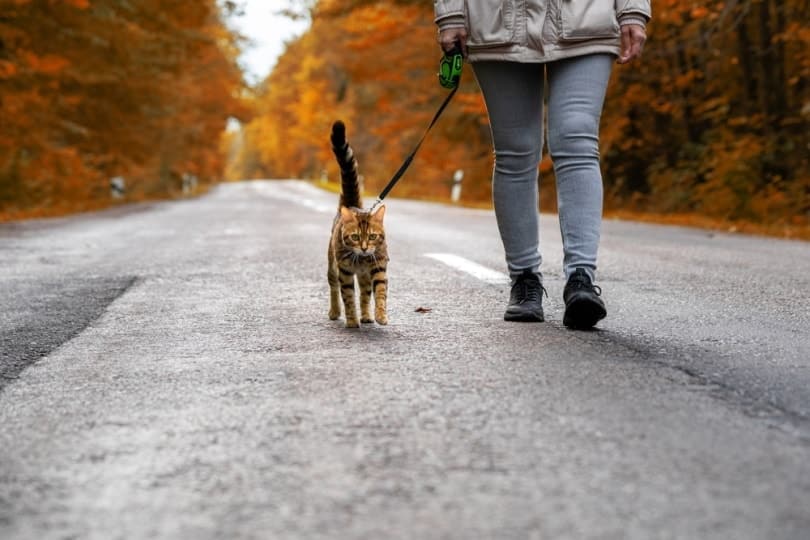
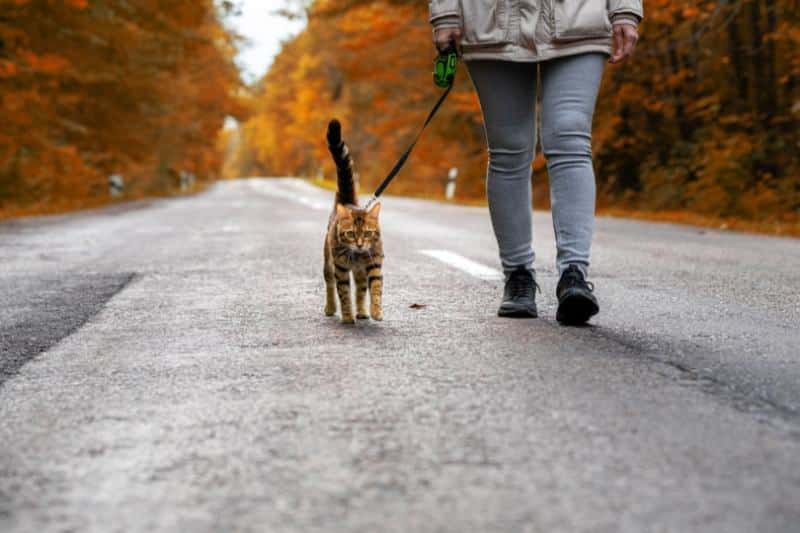
Tactical cat harnesses are used for cats that enjoy playing outdoors and going on walks. They’re meant for cats that are already trained to walk on a leash. These types of harnesses have a ring located between a cat’s shoulder blades. This placement helps distribute pressure away from the neck and may reduce strain if a cat lunges
Because tactical cat harnesses are also made with durable material, they can withstand more strenuous activities. They’re often used on cats that enjoy climbing, leaping, and running around.
Advantages of Tactical Cat Harnesses
One of the advantages of tactical cat harnesses is the secure fit when properly sized and fitted. These harnesses are made with a thicker frame than traditional H-style harnesses, so it’s less likely for cats to slip out and escape if they are put on correctly. They’re also made with more durable materials and high-quality stitchwork, which makes them last longer than many other types of cat harnesses.
Tactical cat harnesses can have reflective material on them. This material helps your cat remain visible and safe from oncoming traffic, especially in low-light settings.

Disadvantages of Tactical Cat Harnesses
One of the most common disadvantages of tactical cat harnesses is their bulkiness. They’re one of the heaviest types of cat harnesses and can feel restrictive for cats, especially smaller breeds. Cats enjoy being stealthy and agile, so they often prefer wearing lightweight harnesses. Some cats may attempt to wiggle out of a bulky harness. If the harness is poorly fitted or the cat struggles, this can increase the risk of discomfort or minor injury, which is why supervision and proper sizing are important.
Frequently Asked Questions
Are tactical cat harnesses escape-proof?
Unfortunately, no cat harness is 100% escape-proof. Cats are intelligent and can often wiggle their way out of anything. However, they’ll have a more challenging time escaping from a tactical cat harness because its design has wider coverage. Properly sizing and fitting the harness, as well as training and getting the cat used to wearing it, also help prevent escaping.
How do I measure my cat’s tactical harness size?
You’ll need to take measurements of your cat’s neck and chest. Use a tape measure and wrap it around your cat’s neck. Make sure the tape measure is snug and close to the skin without pulling tight or compressing your cat’s fur.” This is especially important if you have a fluffy cat with long hair, as you don’t want to purchase a harness that’ll be too big and loose for them. After you finish measuring your cat’s neck, you can do the same with measuring their chest. Try to take these measurements two or three times to ensure you have accurate sizes.
Tactical cat harnesses are adjustable, so look for ones with size ranges where your cat’s measurements fall in between. This will ensure that you can adjust the size to create a secure fit for your cat. A commonly accepted guideline is the one to two-finger rule once the harness is on (not during measuring), and the measuring step should reflect that.

Will my cat get used to wearing a tactical cat harness?
There’s no guarantee that your cat will get used to wearing a tactical cat harness, just as some cats will never enjoy wearing clothes. Cats will have their own preferences for harnesses, and some can tolerate wearing thinner harnesses but not tactical cat harnesses.
Your best shot at success is to get your cat used to wearing a tactical cat harness gradually and to use plenty of positive reinforcement and rewards to encourage and motivate them. It’s typically not a huge issue if your cat doesn’t take to wearing a tactical cat harness. A thinner harness often suffices for most activities that an average cat will engage in while they’re walking outside.
Conclusion
Tactical cat harnesses are designed to keep up with very athletic and agile cats. They’re made to last longer and prevent cats from slipping out of them. However, they can be a bit bulky and feel restrictive, so some cats may not enjoy wearing them. If you do plan to try using a tactical cat harness with your cat, make sure to take accurate measurements of your cat’s neck and chest.
Expect your cat to take some time to get used to wearing a new harness, and don’t ever force them to wear it. With time, patience, and positive reinforcement, many cats will adjust to wearing a tactical cat harness and enjoy outdoor adventures, though some cats may always prefer a lighter harness.

Expert cat care, straight to your inbox
Vet-reviewed advice, behavior tips, and the best of Catster. Free, and you can unsubscribe anytime.
By signing up, you agree to our Terms & Conditions and Privacy & Cookies Policy.
Jessica is a freelance writer who spends most of her day researching and writing while her fluffy Cavapoo, Nora, naps beside her. She loves and appreciates pets and animals because there’s so much to learn from them, and they do so much for people. As a dog owner, she understands the special connection that pet owners form with their pets. She loves sharing helpful information that people can use to better understand their pets. When she’s not writing, you can find her walking dogs, tending to her plant babies, or drinking her nth cup of coffee.
Join the conversation
Ask a question, share your story, or send private feedback.