Best Way to Feed a Cat: Times, Amounts & Frequencies Explained

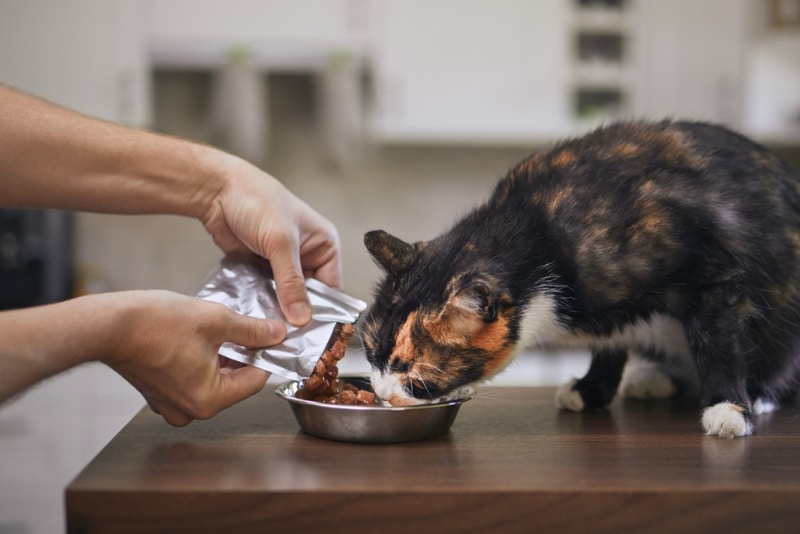
Many cats are more than happy to make it known when they want to be fed, but they may not know when and how much they actually should be fed. Some of us like to eat too much, and cats are no different, so you can’t only rely on your cat’s food demands to make sure you’re feeding them correctly.
Keep in mind that feeding schedules and amounts will vary depending on the type of food your cat eats and their age, weight, and health status.

How to Properly Feed Your Cat
1. At Least Two Meals Per Day
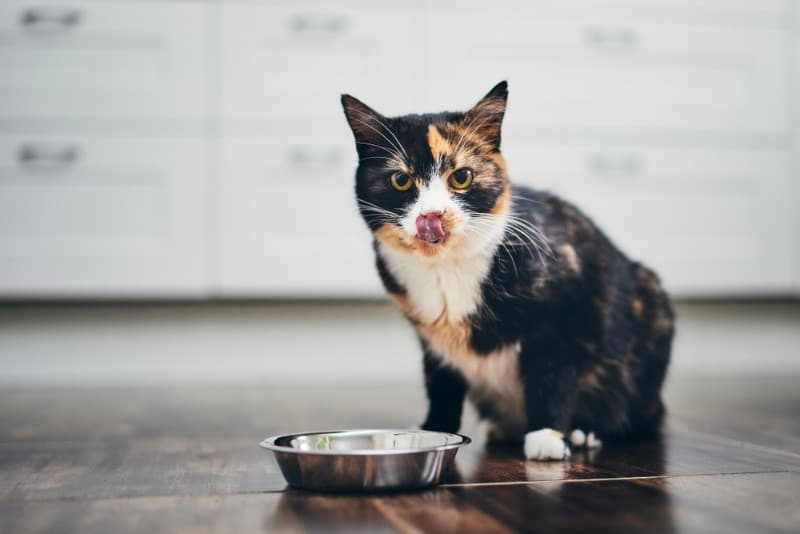
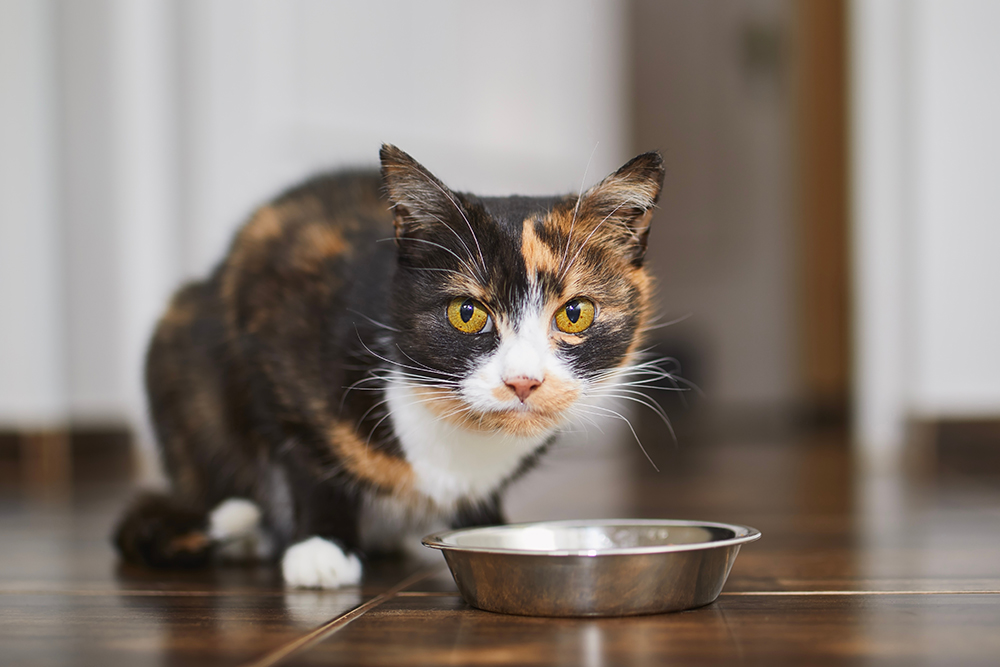
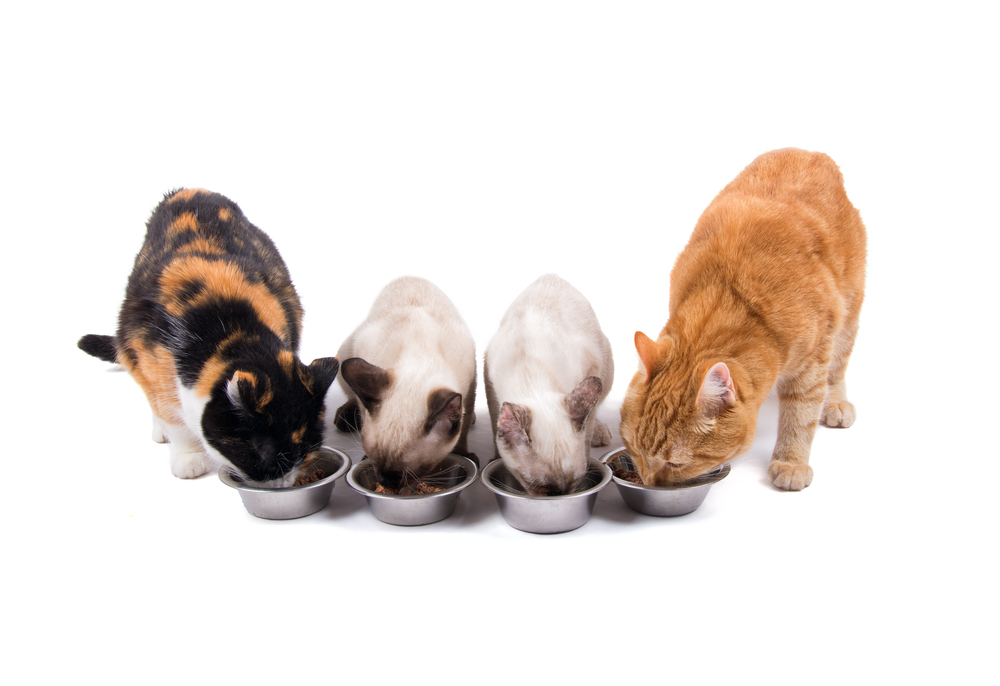
Ideally, your cat should receive at least two meals per day, approximately 12 hours apart from each other. This will likely come close to lining up with your breakfast and dinner times. If you’re home throughout the day, you may consider offering your cat smaller meals throughout the day, much like how a human eats, as opposed to two bigger meals daily.
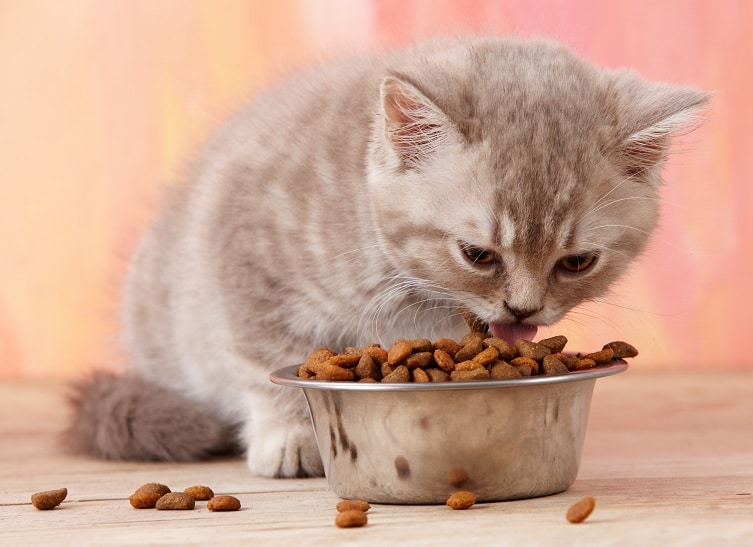
For kittens that have been weaned (around 8 weeks of age), you should plan to provide at least three or four meals per day until they are at least six months old. These meals should be small and not lead to overeating. If your kitten begins the practice of eating to excess when they’re young, the habit may carry over into adulthood as well.

2. Calculate Their Calorie Needs
There are many calculators available online to help you determine approximately how many calories your cat needs in a day. A vet or a certified veterinary nutritionist are ideal resources for calculating your cat’s caloric needs, though.
Knowing approximately how many calories your cat needs every day will help you ensure that your cat stays at a healthy weight. Overweight and obese cats are at risk for a multitude of health issues, including arthritis and diabetes.
It’s worth keeping in mind that the feeding guides on cat food packets are usually geared towards the maximum caloric intake, and not every cat has the same metabolic rate. If your cat is becoming overweight but you are following the feeding guide, you just need to make adjustments for your cat. There is no “one size fits all” in feeding cats.
3. Avoid Grazing
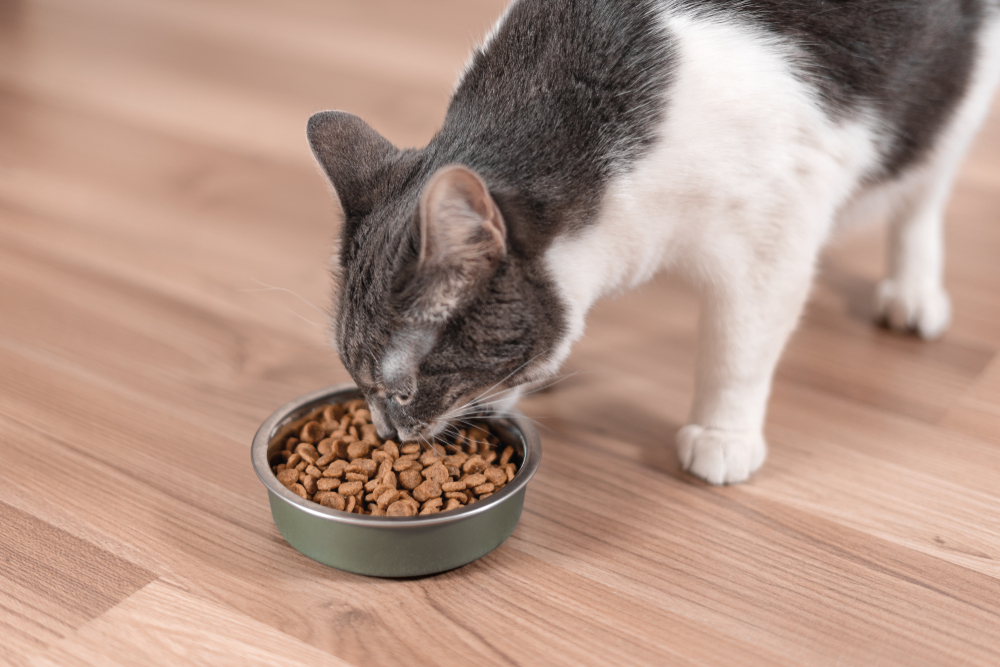
Allowing your cat to graze on a big bowl of food throughout the day isn’t recommended. Any cat can be trained to accept multiple small meals throughout the day instead of being allowed to graze. Some cats adequately control their caloric intake with grazing, but obesity commonly occurs in cats that are allowed to graze, as they tend to eat more over the course of a day than they would at set mealtimes. As carnivores, their digestive systems are designed for digesting meals, not tidbits over the day.
Feeding multiple meals throughout the day can not only reduce the risk of obesity but also ensure that your cat’s food is always fresh and safe. Allowing your cat’s food to sit out all day can allow bacterial growth and may lead to illness.
If your cat eats their food too quickly, you could try using slow-feeder bowls to slow them down, or even give scatter feeding a go.

4. Measure All Food
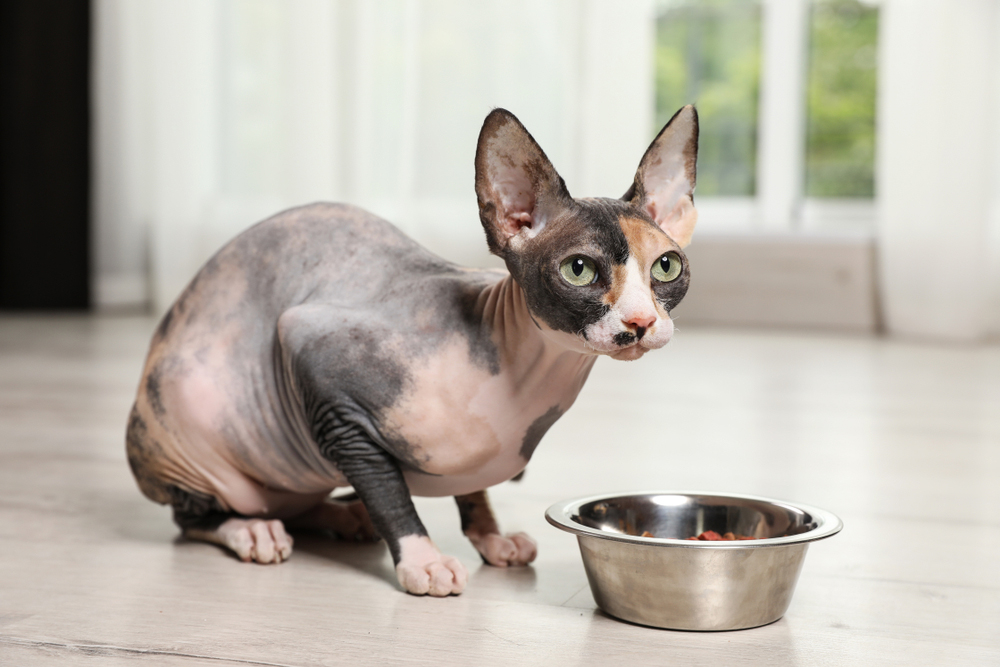
What good is knowing your cat’s calorie needs if you aren’t keeping track of how much they’re eating? Measure everything you feed to your cat, especially if the cat is a new pet or on a new diet. This will help you make sure they’re receiving the correct amount of food.
Weighing your cat’s food with a food scale is the most accurate way to measure dry food, but a measuring cup is also a great option. Measuring your cat’s food will provide you with vital information if your cat gets sick. If your cat is losing weight but you don’t know how much they’re eating every day, it may be difficult to determine if they’re being underfed or if there is a medical problem.
In Conclusion
Feeding your cat doesn’t have to be a complicated task, but it may take time to find a routine that works for both of you. Keep in mind that caloric need calculations will only give you an estimate of your cat’s needs, so their individual needs may be different depending on multiple factors. If you’re still feeling lost, make sure to talk to your vet about how much and how often you should be feeding your cat.
Sources
Featured Image Credit: Jaromir Chalabala, Shutterstock

Expert cat care, straight to your inbox
Vet-reviewed advice, behavior tips, and the best of Catster. Free, and you can unsubscribe anytime.
By signing up, you agree to our Terms & Conditions and Privacy & Cookies Policy.
Brooke Billingsley, a former veterinary assistant for nine years, became a nurse in 2013. She lives in Arkansas with her boyfriend of five years, surrounded by her beloved pets: three dogs, two cats, five fish, and two snails. Brooke has a soft spot for special needs animals, caring for a three-legged senior dog and a widely known cat with acromegaly and cerebellar hypoplasia. She has developed a keen interest in fish keeping and is always learning how to provide the best environment for her aquatic pets. In addition to her passion for animals, Brooke enjoys gardening and maintains a vegetable garden during the summer. She stays active with yoga and received her 200-hour yoga teacher certification in 2020. Brooke also hosts a podcast that delves into folklore and myth, dedicating her spare time to research and writing. She embraces the philosophy that every day is an opportunity for learning and growth, continually working to acquire new skills and knowledge.
Join the conversation
Ask a question, share your story, or send private feedback.