Tabby vs. Calico Cats: What’s the Difference? (With Pictures)


In this article
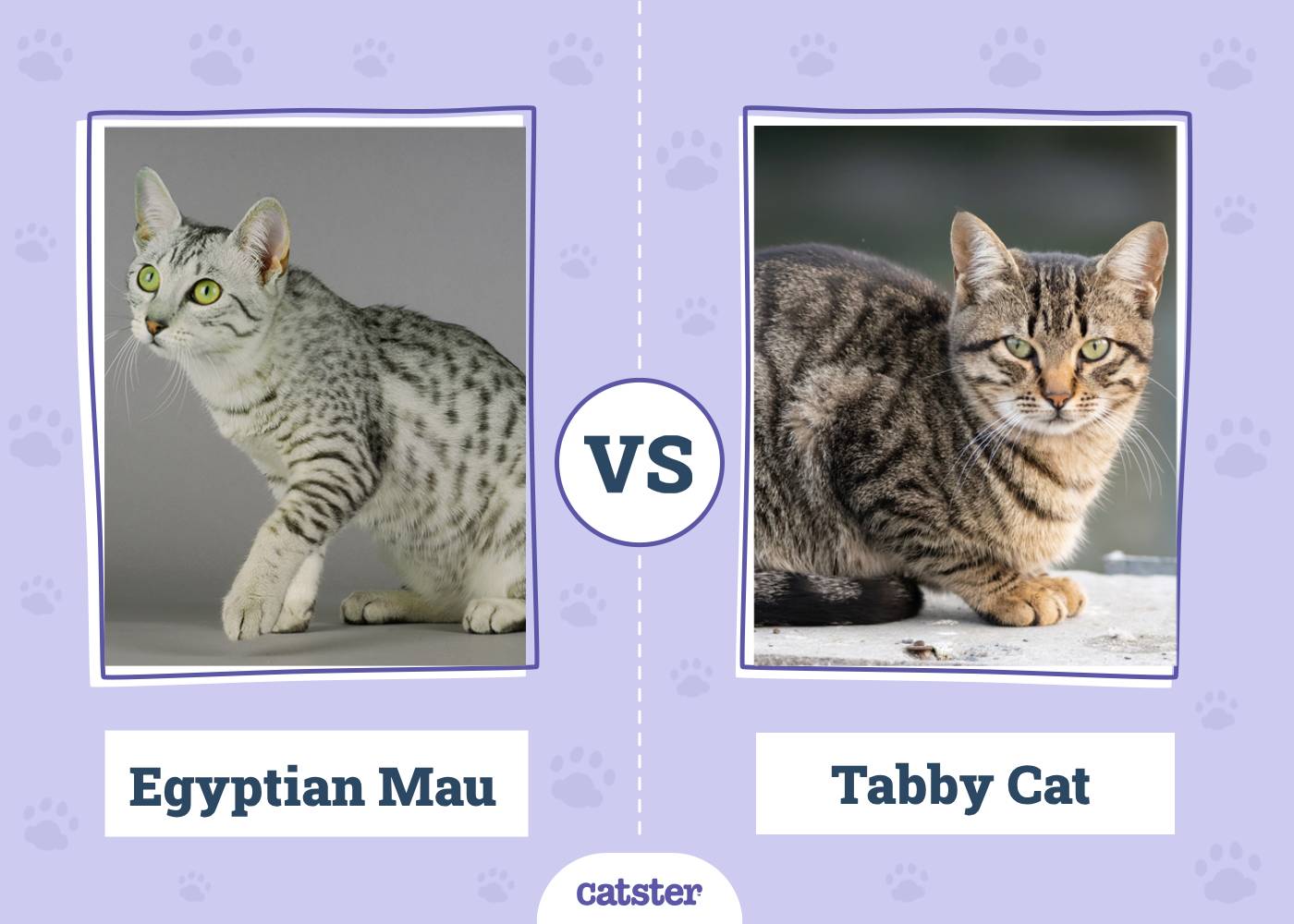
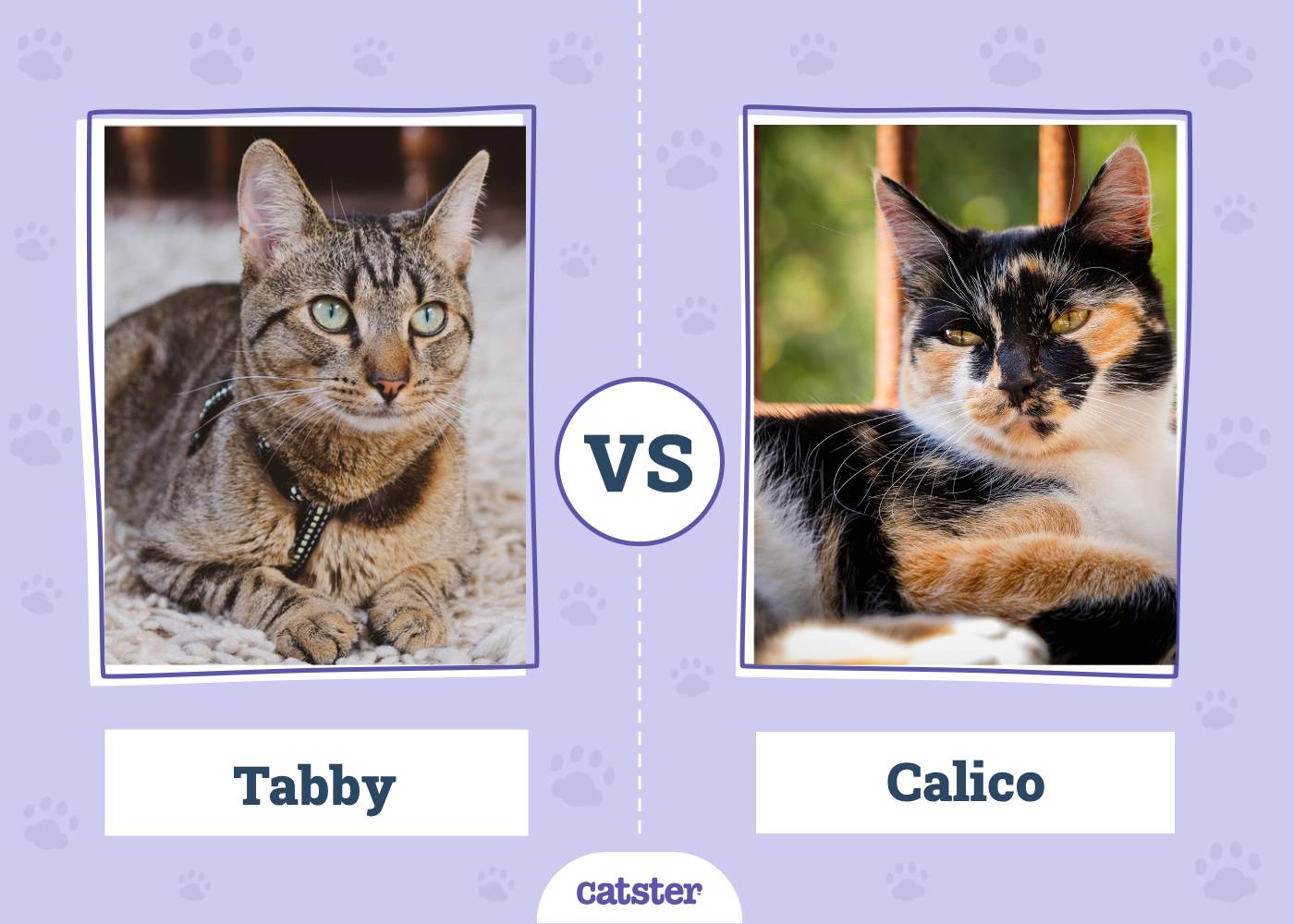
Tabby and Calico cats are not breeds, but rather types of coats that cats of various breeds may have. That said, there is a significant difference between these two color patterns.
Tabbies can be different breeds and sizes and even have different lengths of hair. The only similarity between all tabby cats is the category of their patterns. Besides that, they can look and act quite differently from each other. The same goes for calico cats. Each can be so different!
Let's learn more about the characteristics of these two cat coats.

Visual Differences

Tabby Cat Pattern Overview

Tabby is one of the most common cat patterns, and it appears in various breeds. However, since a tabby isn’t a single breed, there can be many differences between one tabby cat and another.
The tabby cat pattern has been around for a very long time. Domestic cats inherited it from their wild cat ancestors, specifically the Near Eastern wildcats. The word "tabby" may have originated in the Middle East, as it is reminiscent of ancient patterned silk from the region. The word’s origin may also be French since it is similar to a French phrase that means "striped silk."
Either way, it is a worldwide pattern today and is seen in many different breeds.
Types of Tabby Cats
There are a few types of tabby patterns out there. Some breeds can present all of these patterns, while others only have a few types available.
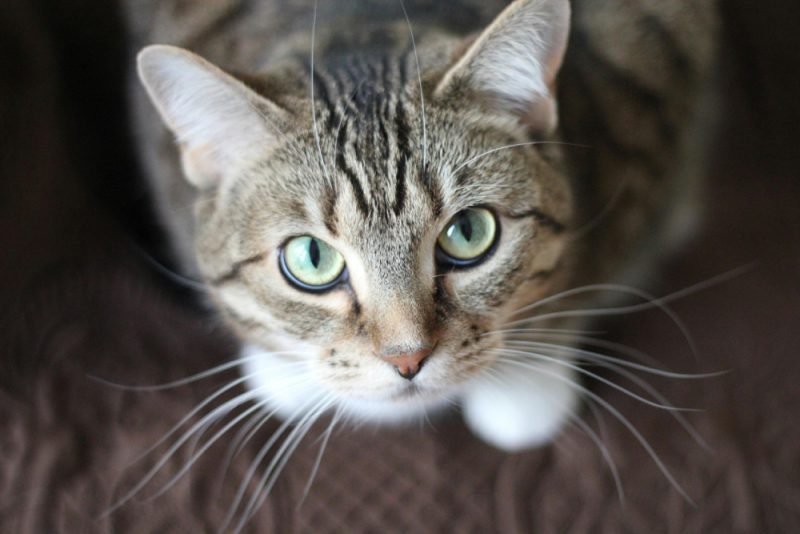
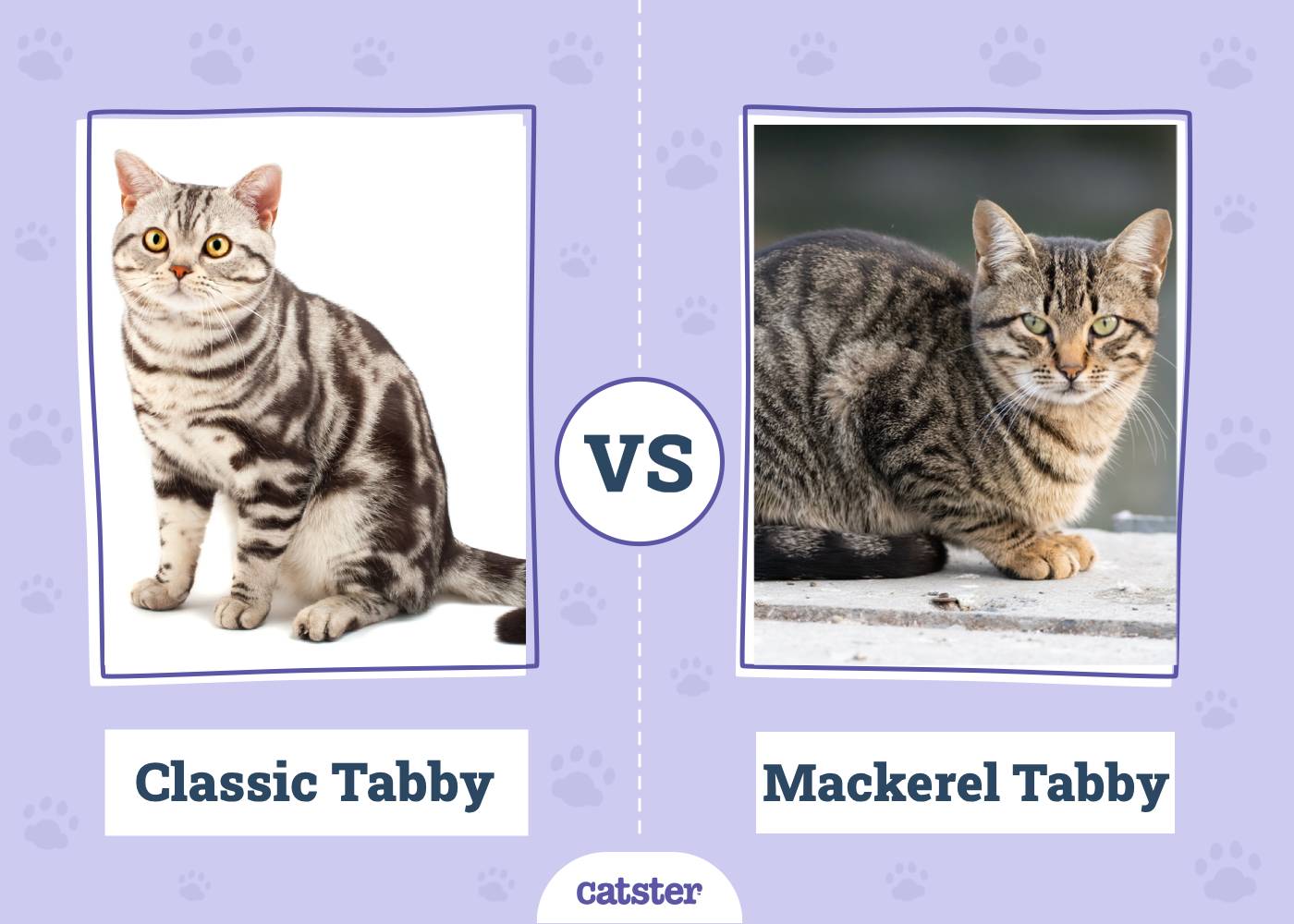
The classic tabby coat has blotched, broad stripes that curve over the whole body. This pattern is likened to that of a marble cake. The mackerel tabby has continuous or broken stripes that run perpendicular to the spine. These are usually reasonably small stripes.
The spotted tabby has a similar pattern to the classic tabby but with spots, not stripes. This is a rarer pattern and is not seen in all breeds. The final pattern is ticked. The body is solidly colored, but small stripes are on the legs, tails, and face. These stripes are typically skinny.
Tabby Cat Coat Colors

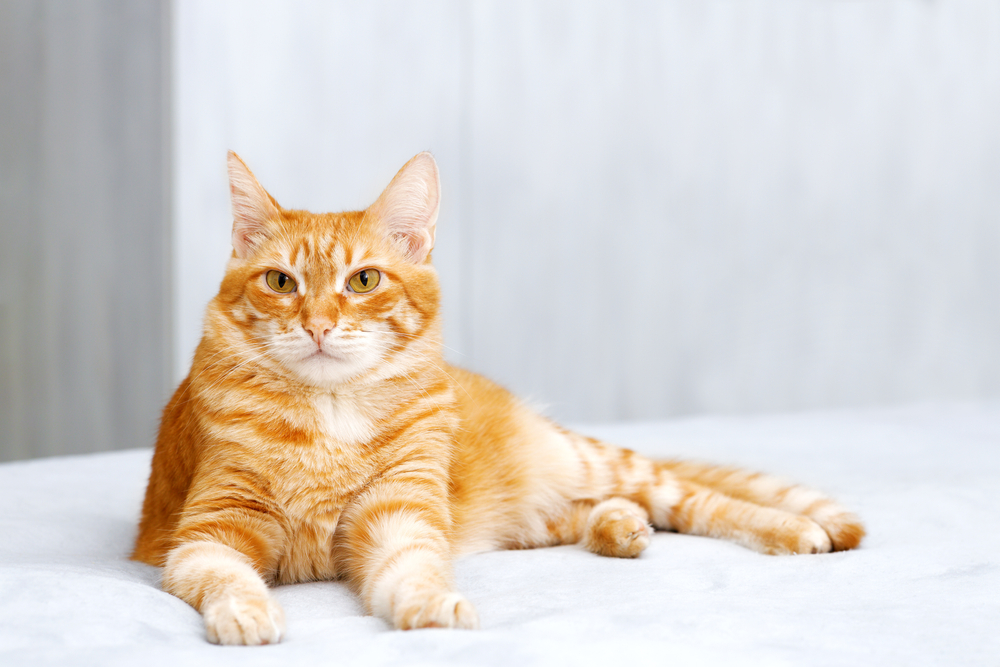
Tabbies come in many different colors. They can be shades of brown, grey, and red. Any color a cat comes in, you can find a tabby cat of that color (except white, of course). For a cat to be tabby, at least two different colors of hair must be present. The pattern is created by darker colored hairs, while the “background,” clearer color is created by hairs with more than one color on them, called agouti hairs. You can tell what color a tabby is by looking at their stripes' color and the tip of their tail. This will be the cat's "true" color.
Some researchers speculate that the tabby pattern was originally camouflaged in the wild. However, there is no way to know for sure.
Genetics
The genetics behind the tabby coat patterns are complex, as there is more than one gene involved. In fact, there are at least three different loci that control the coat markings of a tabby at. A few of the changes take place in the embryo during the development of the skin—for example, the spatial-oriented mechanism. Recent studies suggest the messenger protein DKK4 plays a major role in this mechanism. Sometimes, it takes place during the development of the hair follicle.
How a tabby cat looks will depend mainly on their patterns. Different kittens in the same litter can have very different patterns because of the large number of genes that play a role.
Calico Cat Pattern Overview

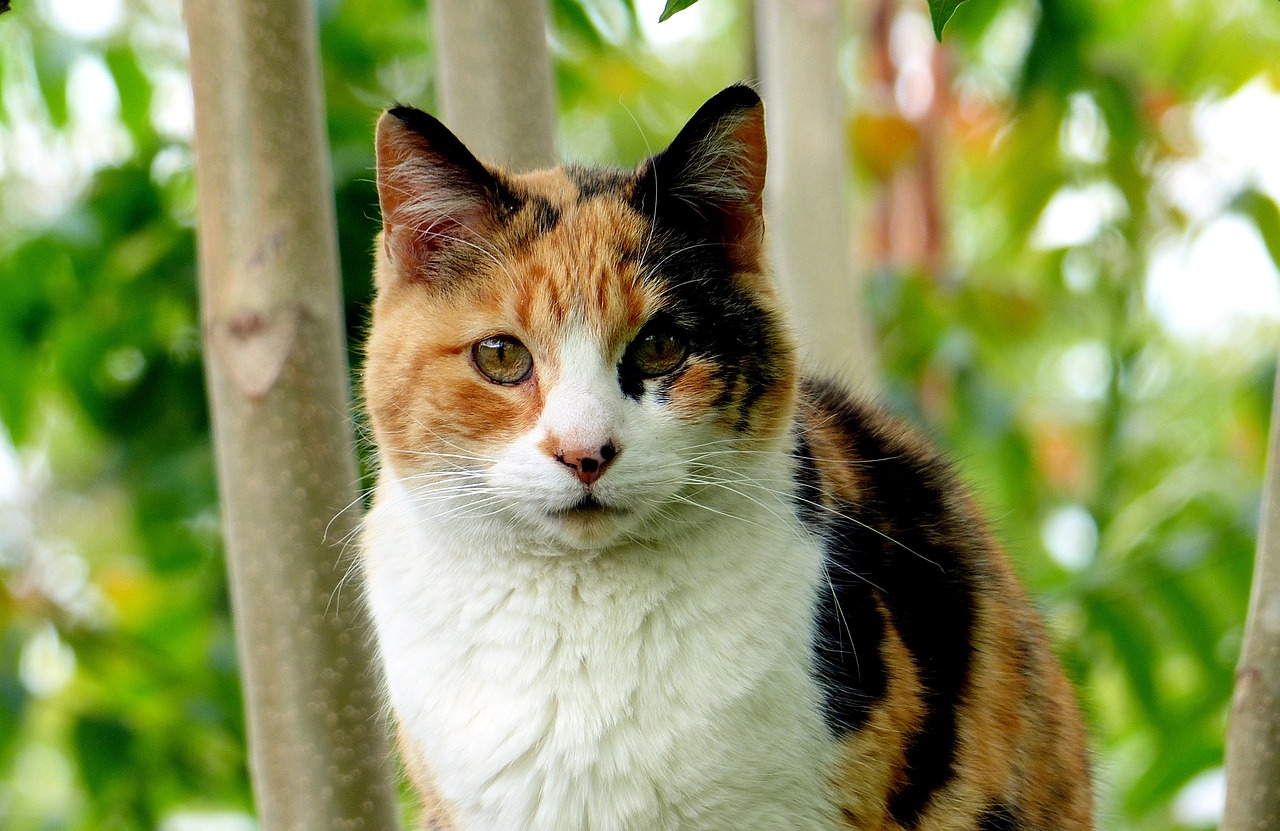
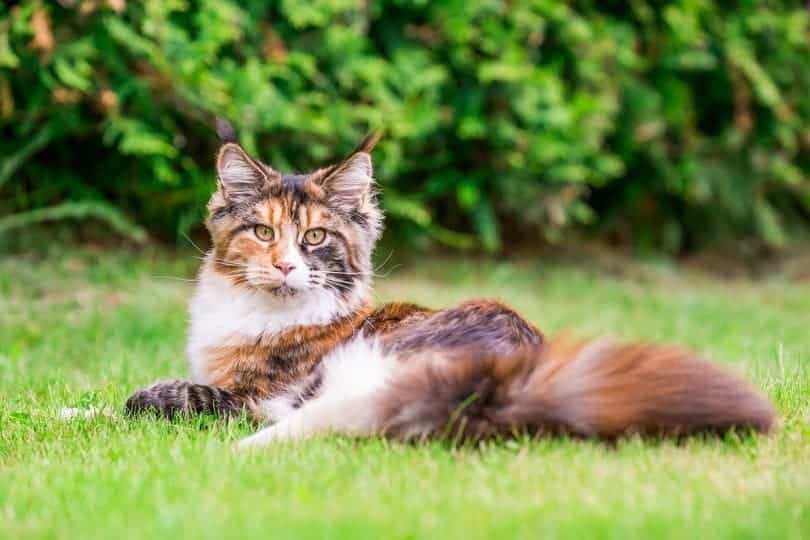
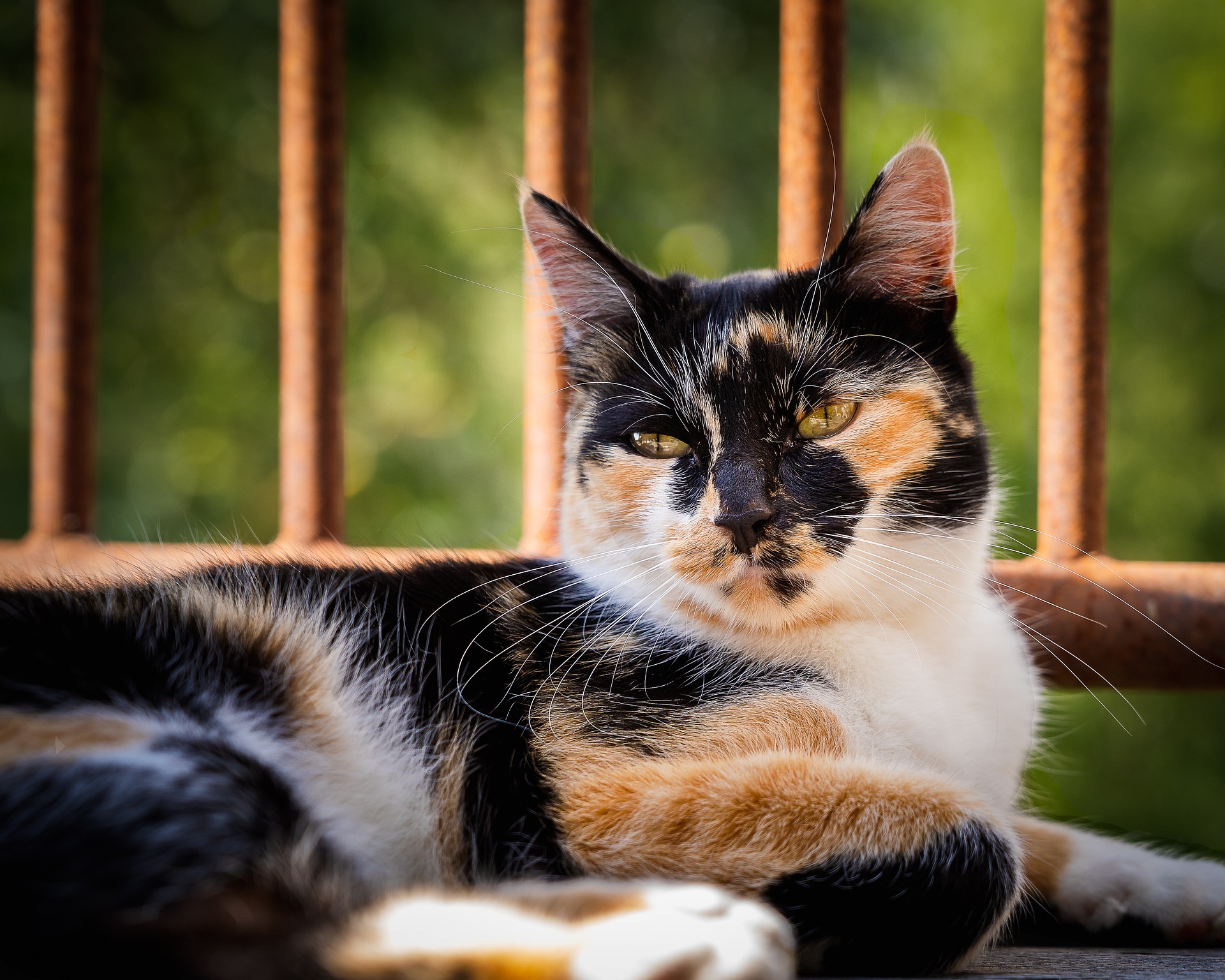
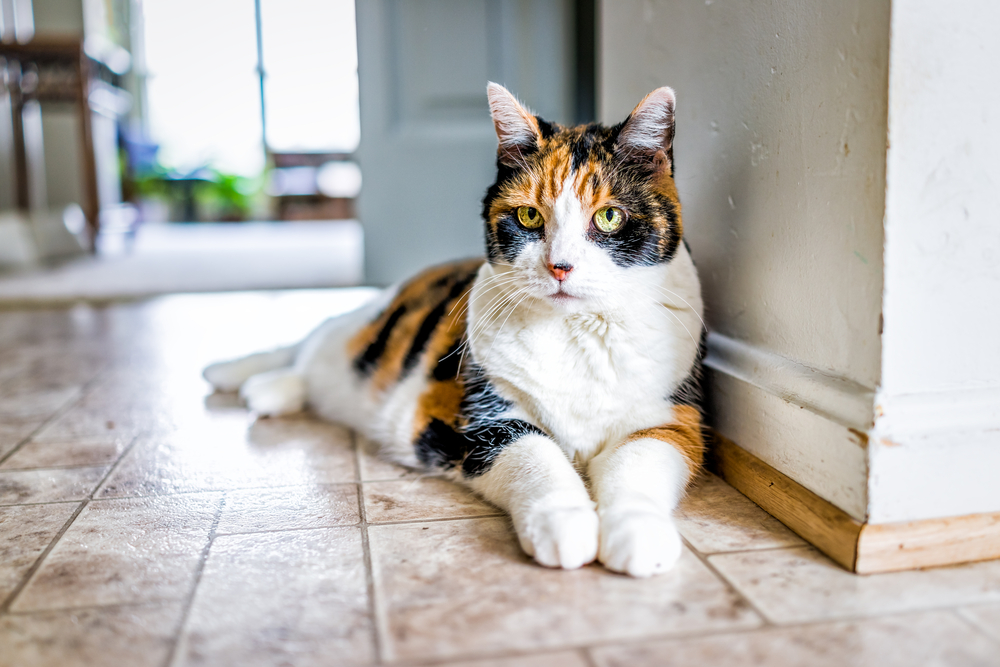
A calico cat is a particular pattern that can occur in a variety of different breeds. These cats are somewhere between 25% and 75% white, with larger patches of orange and black. These colors can fall in nearly any pattern, though.
This pattern almost exclusively occurs in female cats, as it is linked to the sex genes. However, it can occur in male cats on an infrequent genetic occasion. These cats are often sterile.
Types of Calico Cats
These cats come in only two main types: standard and dilute. Normal calico cats can have any pattern. They always have white, orange, and black across their body, however.
Dilute calicos are the same, except they are lighter in color. Sometimes they can have stripes and spots on their larger spots. They are "diluted" enough to see underlying patterns if they have them.
Calico Cat Coat Colors
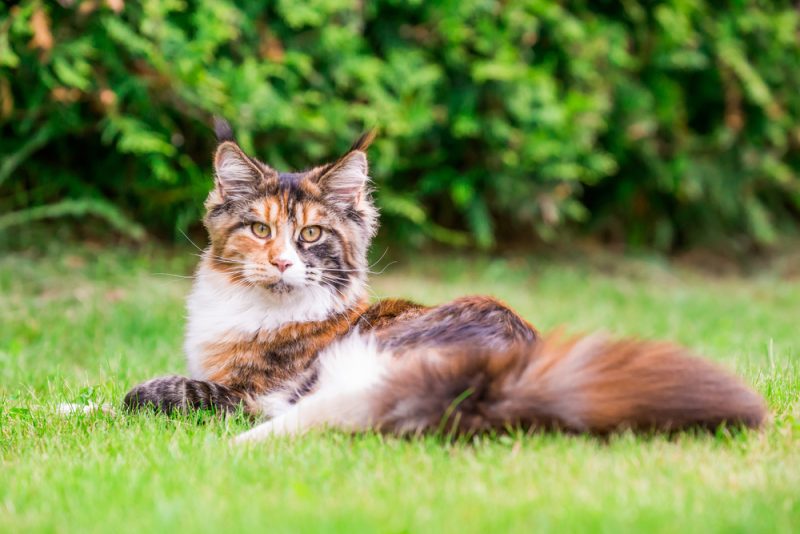
These cats are 25% to 75% white. They have orange and black spots all over their body. Usually, their neck and belly will be white. They may only have a few spots or a whole bunch of spots.
Diluted calicos are these same colors, except that the spots are lighter. The black is more like a grey, and the red is more like a cream. Sometimes they may have darker stripes or spots inside their other spots.
Genetics
Genetically speaking, calico cats are like tortoiseshell cats. However, they also have the white spotting gene.
These genes ride on the X genes, so only female cats are usually calicos. Males can only be calico when they accidentally inherit two X genes. They are usually sterile, and in breeds where males are bigger than females, male calicos may be smaller than usual males.
Tabby vs Calico: Which Is Right for You?
The only difference between a tabby and a calico cat is what they look like. Therefore, your aesthetic preferences are the only things that should determine which pattern you seek out.
In certain breeds, one pattern may be more expensive than the other. Calicos are relatively rare in some breeds, for instance. If you're set on a breed-specific calico, you may find yourself paying a bit extra. Tabbies are common, so they are typically not more expensive.
Furthermore, calicos are typically only available as females, as male calicos are very rare. If you want a male, you likely will not be able to get a calico. Instead, you may need to settle for a tabby!
Of course, since tabbies or calicos don't occur in every single breed, there is a chance that you will not be able to find a specific combination in a breed of your choice. But there’s still sure to be a calico or a tabby that’s just right for you out there!
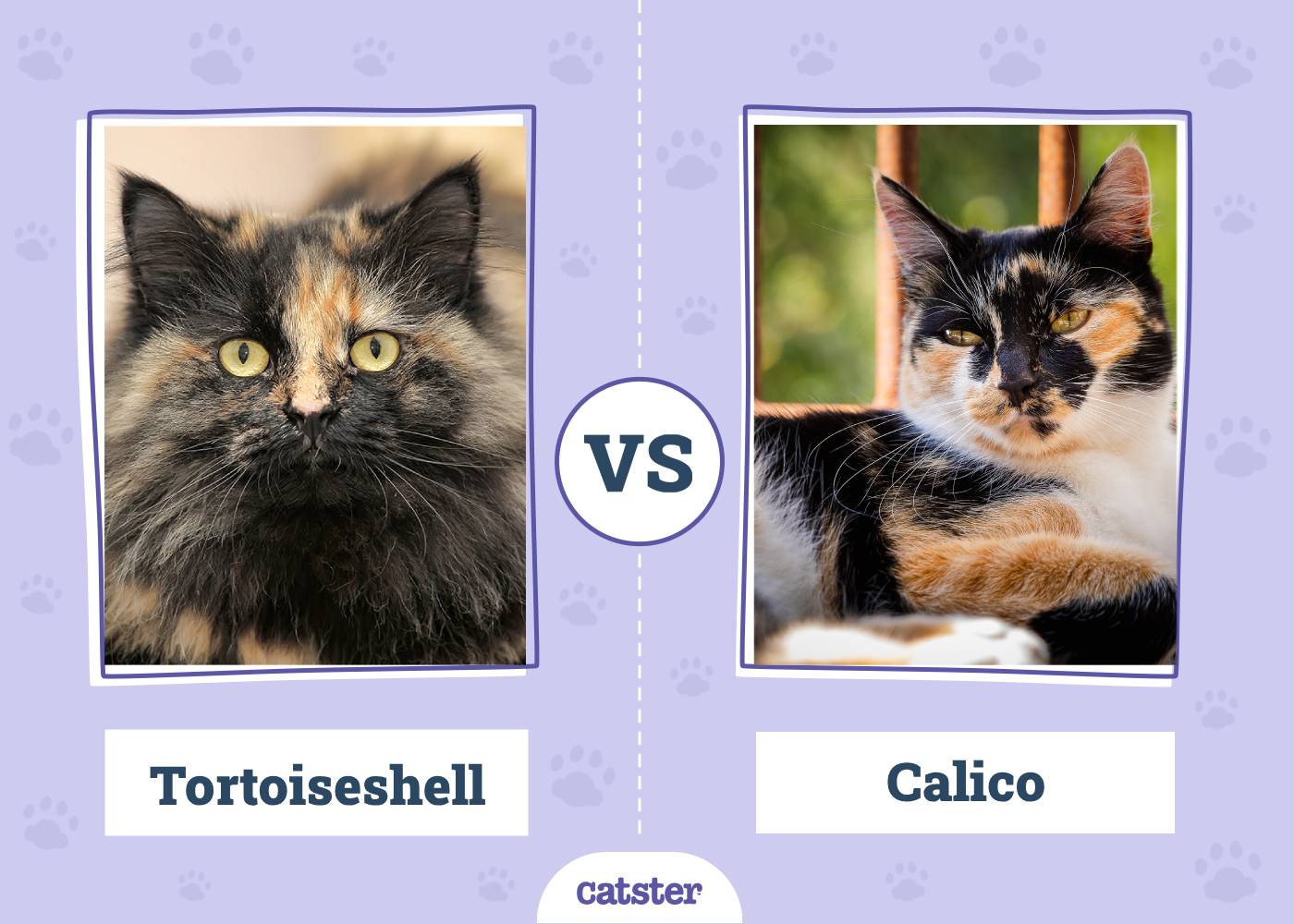
Featured Image Credit: Left - PippiLongstocking, Shutterstock | Right - loicp90, Shutterstock

Expert cat care, straight to your inbox
Vet-reviewed advice, behavior tips, and the best of Catster. Free, and you can unsubscribe anytime.
By signing up, you agree to our Terms & Conditions and Privacy & Cookies Policy.
Christian started writing for a local newspaper as a teenager, and he's been involved in the publishing industry for most of his adult life. Combining his love of writing with a passion for animals, he is currently the Director of Editorial at Pangolia and the Editor-in-Chief at Catster.
Christian lives in the Philippines with his wife, son, and four rescue cats: Trixie, Chloe, Sparky, and Chopper.
Join the conversation
Ask a question, share your story, or send private feedback.